
Sodium CarboxyMethylCellulose(CMC) Applications
CMC, or Sodium CarboxyMethylCellulose, is a water-soluble polymer derived from natural cellulose ether through chemical modification. As a key cellulose ether, it is valued for its versatile functionalities, including thickening, dispersing, suspending, binding, film-forming, acting as a protective colloid, and moisture retention. Widely used in food, pharmaceuticals, and toothpaste, CMC is an odorless, tasteless, non-toxic powder, granule, or fibrous solid, appearing white to slightly yellow.
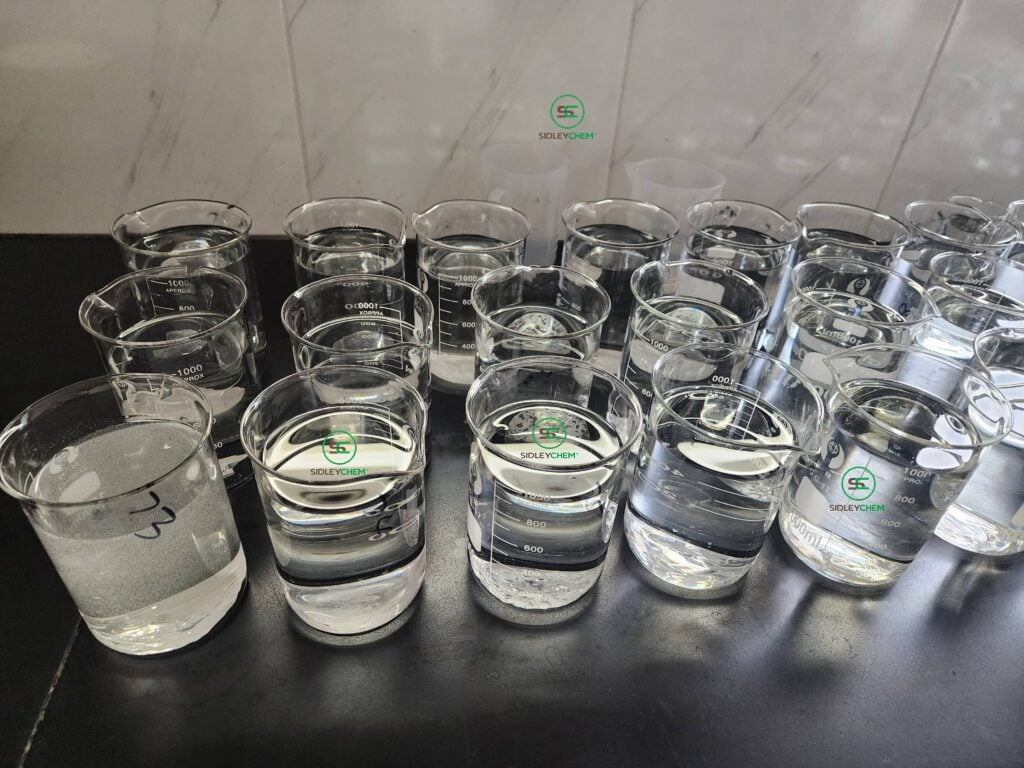
Key Technical Properties of CMC:
-
Solubility & Viscosity: It readily absorbs water and swells to form transparent, viscous colloidal solutions. Its viscosity in solution can decrease in the presence of salts like calcium or magnesium chloride.
-
Stability: Solid CMC is stable under room temperature and light, suitable for long-term storage in dry conditions. It is hygroscopic, with moisture absorption equilibrating based on ambient temperature and humidity.
-
pH & Reactivity: CMC solutions are generally neutral. They are incompatible with strong acids (may precipitate, except for acid-resistant grades) and certain heavy metal ions (tin, silver, iron, etc.), but are compatible with many other hydrocolloids like starches, pectin, and glycerol.
Applications of Food-Grade CMC: A Multi-Functional Additive
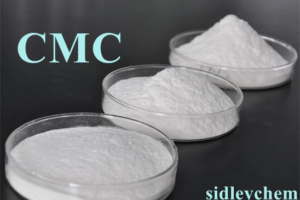 Food-grade CMC serves as an ideal food additive due to its thickening, emulsifying, stabilizing, moisture-retaining, and shaping properties. It helps reduce production costs, improve texture and taste, and extend shelf life across a broad range of solid and liquid foods.
1. Soy Milk & Plant-Based Drinks
-
Function: Suspension, emulsification, stability. Prevents fat separation or protein settling.
-
Benefit: Improves whiteness, sweetness, and helps mask beany flavors.
-
Typical Dosage: ~0.5% of total weight.
2. Ice Cream
-
Function: Controls ice crystal size, improves melt resistance, enhances texture (smooth/creamy), aids whipping/overrun.
-
Usage: Often part of compound stabilizer/emulsifier blends or custom-blended in-house.
-
Dosage: ~0.5% of total mix. High-viscosity grades are preferred.
3. Bakery & Noodle Products
-
Bread: Improves crumb structure, volume, reduces crumbling, and extends freshness.
-
Instant Noodles & Pasta: Enhances dough elasticity, improves cooking tolerance, provides a smooth mouthfeel, and can reduce oil absorption during frying.
-
Dosage: ~0.5% of flour weight. High-viscosity grades are typical.
4. Instant Paste Foods (e.g., Nut/Seed Pastes, Congee)
-
Function: Provides instant solubility in cold water, delivers a smooth texture, and improves the mouthfeel of artificial sweeteners. Offers superior stability compared to starch pastes.
-
Dosage: ~0.35% of total weight.

5. Pastries, Mooncakes & Fillings
-
Function: Extends shelf life by inhibiting mold growth and moisture loss (anti-staling). Improves crust gloss and gives fillings a softer, more fragrant quality.
-
Application: Mixed into dough/filling or applied as a surface glaze.
-
Dosage: 0.2% – 0.3% of total weight.
6. Frozen Dough Products (Dumplings, Buns, Spring Rolls, etc.)
-
Function: Prevents cracking and deformation during freezing/thawing cycles, extending product shelf life and maintaining appearance.
7. Specialty Flours (e.g., Steamed Bun Flour, Dumpling Flour)
-
Function: Enables the development of functionally enhanced, application-specific flours.
8. Condiments (Soy Sauce, Pastes, Jams, etc.)
-
Function: Specially modified CMC grades offer salt/acid tolerance, thickening, and stabilization. They improve consistency, texture, and sensory qualities (appearance, aroma, taste).
-
Dosage: 0.4% – 0.5% of total weight.
Cellulose Ether Tech+

PAC-LV vs PAC-HV for Drilling Fluids: How to Choose
PAC-LV and PAC-HV both control fluid loss, but they affect drilling fluid viscosity differently. Learn which grade better fits your water-based drilling fluid… Continue reading

Why Microcrystalline Cellulose Is Widely Used in Tablet Manufacturing?
Learn why Microcrystalline Cellulose (MCC) is widely used in tablet manufacturing and how its compressibility and binding properties support direct compression… Continue reading

How Does Cellulose Ether Improve Makeup Longevity?
Makeup not lasting long enough? Cellulose ether is a natural-derived film-forming solution. How to choose between EC, HEC, and HPMC? This article breaks down their applications in lip gloss, foundation, and setting spray… Continue reading

How CMC Makes Ice Cream Creamier with Fewer Ice Crystals?
This article explains four key roles of Sodium Carboxymethyl Cellulose (CMC) in ice cream: preventing ice crystal growth, increasing viscosity, improving mouthfeel, and preventing fat separation, with SIDLEYCHEM food grade CMC solutions… Continue reading

How Polyanionic Cellulose (PAC) Improves Water-Based Drilling Fluids
Learn how Polyanionic Cellulose (PAC) improves water-based drilling fluids by controlling fluid loss, enhancing borehole stability, and optimizing drilling performance in oil and gas operations… Continue reading

Sodium Carboxymethyl Cellulose in Toothpaste
Discover why Sodium Carboxymethyl Cellulose (CMC) is widely used in toothpaste. Learn how CMC improves consistency, stability, spreadability, and overall oral care product performance… Continue reading
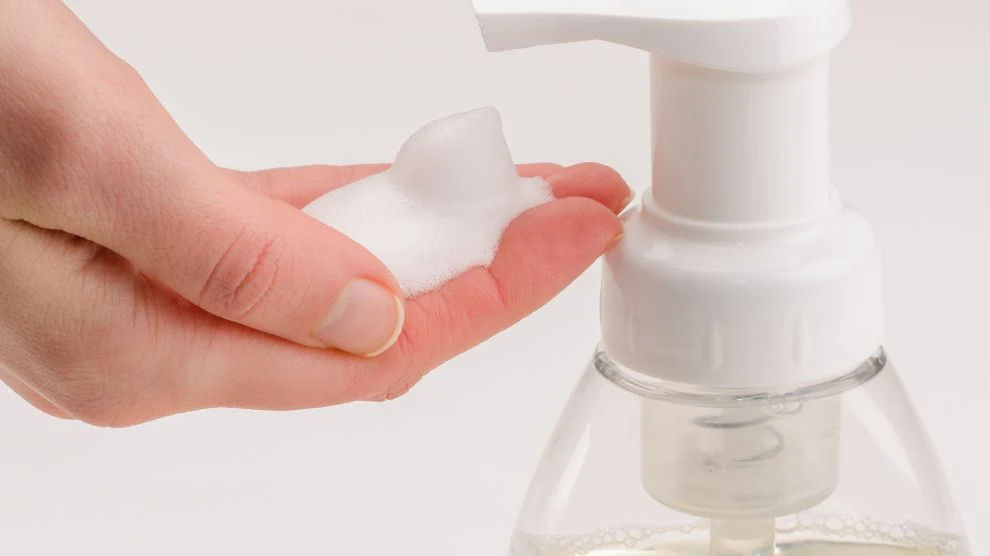
HEC in hand soap
Hydroxyethyl Cellulose (HEC) improves foam stability in hand soap by increasing viscosity, stabilizing foam structure, and enhancing texture, delivering a richer and longer-lasting washing experience… Continue reading

HEC for liquid detergent
Hydroxyethyl Cellulose (HEC) is widely used in liquid detergents due to its excellent thickening performance, surfactant compatibility, and stable rheology, improving product stability and user experience… Continue reading

Choosing the Right Cellulose Ether for Detergent Manufacturing
This guide provides a complete framework for selecting cellulose ethers in detergent manufacturing: comparing HEC vs. CMC performance, selection factors, and combination strategies, with SIDLEYCHEM customized product solutions… Continue reading

Oilfield Grade CMC Application
This article details the multifunctional applications of oilfield grade CMC in drilling, cementing, and fracturing fluids, including fluid loss reduction, viscosity enhancement, proppant transport, and guar gum replacement, with LVT/HVT and ultra-high viscosity specifications… Continue reading
