
Application Guide for Textile Grade CMC
Sodium Carboxymethyl Cellulose (CMC) is an important functional auxiliary in the textile printing and dyeing industry. With its excellent thickening, water retention, and chemical stability properties, CMC plays an irreplaceable role in printing pastes, yarn sizing, and dyeing processes. This article systematically reviews CMC’s three major application scenarios and technical advantages in the textile industry.
1. CMC as Printing Thickener
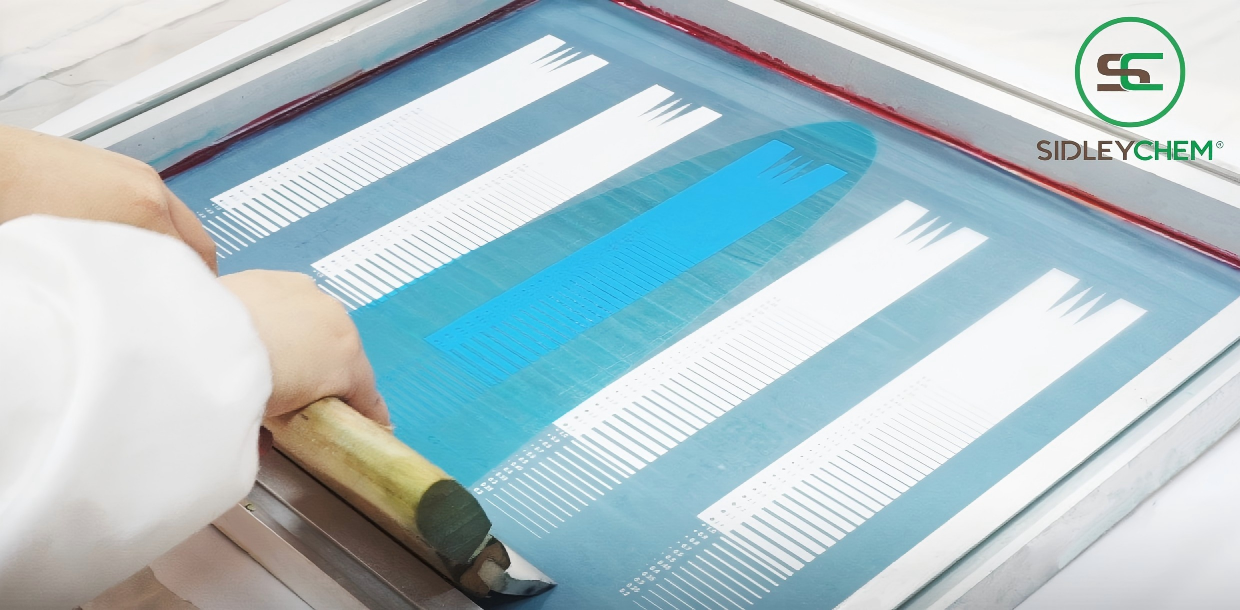
As a thickener and carrier for printing pastes, CMC effectively adjusts paste viscosity, ensuring clear printing patterns without bleeding.
Key Advantages
-
Good Rheology, High Pattern Precision: High viscosity at rest prevents paste bleeding, enabling fine printing lines without halos.
-
Strong Water Retention: The carboxymethyl groups on CMC molecular chains are highly hydrophilic, forming a water-retaining film on fabric surfaces, effectively preventing paste skinning and screen clogging due to water evaporation.
-
High Stability: Stable molecular structure resistant to alkali, salt, and electrolytes, with minimal reaction with dyes.
2. CMC as Sizing Agent
Forms a smooth, tough film on yarn surfaces, improving yarn abrasion resistance and smoothness, reducing breakage and friction during weaving.
Key Advantages
-
Good Compatibility: Can be blended with alginate and other sizing agents in any proportion, reducing overall sizing cost. Blended sizing shows better stability, improved yarn sizing uniformity, and higher weaving efficiency.
- Eco-Friendly and Easy to Handle: CMC is biodegradable; production wastewater can be treated through conventional biochemical processes. No toxic or harmful substances are released, meeting green production standards for the textile industry.

3. CMC as Dyeing Auxiliary
Leveling Agent
During dyeing, CMC can serve as an auxiliary leveling agent. Its hydrophilic long-chain molecules preferentially form hydrogen bonds with hydroxyl groups on cellulose fibers (cotton, linen, viscose), creating a “protective film” on fiber surfaces. This film delays dye absorption, achieving uniform dyeing throughout the fabric.
Deepening Agent
CMC reduces residual floating color on dyed fabric surfaces, helping dyes adhere more uniformly and firmly to fibers, providing a certain deepening effect.
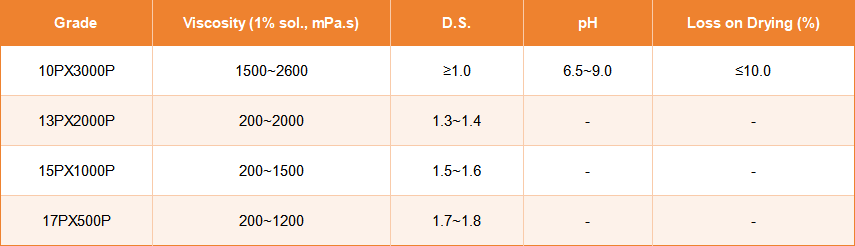
4. Technical Specifications for Textile Grade CMC
5. Conclusion
Sodium Carboxymethyl Cellulose has become an indispensable key auxiliary in modern textile printing and dyeing technology. As textile functionalization, digital printing, and industry greening continue to develop, higher and more specialized requirements are placed on CMC performance. Future development and application of modified CMC products, such as salt-resistant grades, will further unlock its potential in high-end textile applications, driving the industry toward greater sustainability and higher quality.
Cellulose Ether Tech+

Why Microcrystalline Cellulose Is Widely Used in Tablet Manufacturing?
Learn why Microcrystalline Cellulose (MCC) is widely used in tablet manufacturing and how its compressibility and binding properties support direct compression… Continue reading

How Does Cellulose Ether Improve Makeup Longevity?
Makeup not lasting long enough? Cellulose ether is a natural-derived film-forming solution. How to choose between EC, HEC, and HPMC? This article breaks down their applications in lip gloss, foundation, and setting spray… Continue reading

How CMC Makes Ice Cream Creamier with Fewer Ice Crystals?
This article explains four key roles of Sodium Carboxymethyl Cellulose (CMC) in ice cream: preventing ice crystal growth, increasing viscosity, improving mouthfeel, and preventing fat separation, with SIDLEYCHEM food grade CMC solutions… Continue reading

How Polyanionic Cellulose (PAC) Improves Water-Based Drilling Fluids
Learn how Polyanionic Cellulose (PAC) improves water-based drilling fluids by controlling fluid loss, enhancing borehole stability, and optimizing drilling performance in oil and gas operations… Continue reading

Sodium Carboxymethyl Cellulose in Toothpaste
Discover why Sodium Carboxymethyl Cellulose (CMC) is widely used in toothpaste. Learn how CMC improves consistency, stability, spreadability, and overall oral care product performance… Continue reading
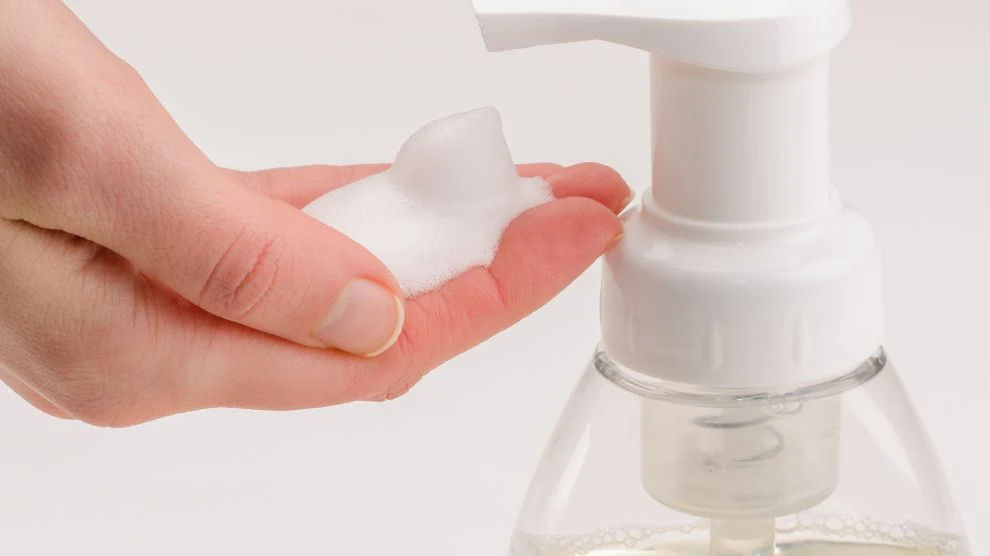
HEC in hand soap
Hydroxyethyl Cellulose (HEC) improves foam stability in hand soap by increasing viscosity, stabilizing foam structure, and enhancing texture, delivering a richer and longer-lasting washing experience… Continue reading

HEC for liquid detergent
Hydroxyethyl Cellulose (HEC) is widely used in liquid detergents due to its excellent thickening performance, surfactant compatibility, and stable rheology, improving product stability and user experience… Continue reading

Choosing the Right Cellulose Ether for Detergent Manufacturing
This guide provides a complete framework for selecting cellulose ethers in detergent manufacturing: comparing HEC vs. CMC performance, selection factors, and combination strategies, with SIDLEYCHEM customized product solutions… Continue reading

Oilfield Grade CMC Application
This article details the multifunctional applications of oilfield grade CMC in drilling, cementing, and fracturing fluids, including fluid loss reduction, viscosity enhancement, proppant transport, and guar gum replacement, with LVT/HVT and ultra-high viscosity specifications… Continue reading

PAC Drilling Fluid Application
This article details oilfield grade PAC applications in drilling fluid solids control, performance regulation, and system stabilization, with PAC-LV/HV specifications… Continue reading
