
Gypsum Mortar Shrinkage: Causes and How to Prevent Cracks
Gypsum mortar is widely used for interior wall finishing because of its smooth surface, fast setting behavior, and excellent workability. However, shrinkage during drying is one of the most common issues that can lead to surface cracks and reduced durability.
Understanding why shrinkage occurs and how to control it is essential for producing high-quality gypsum-based products and achieving stable construction performance.
Why Gypsum Mortar Shrinks?
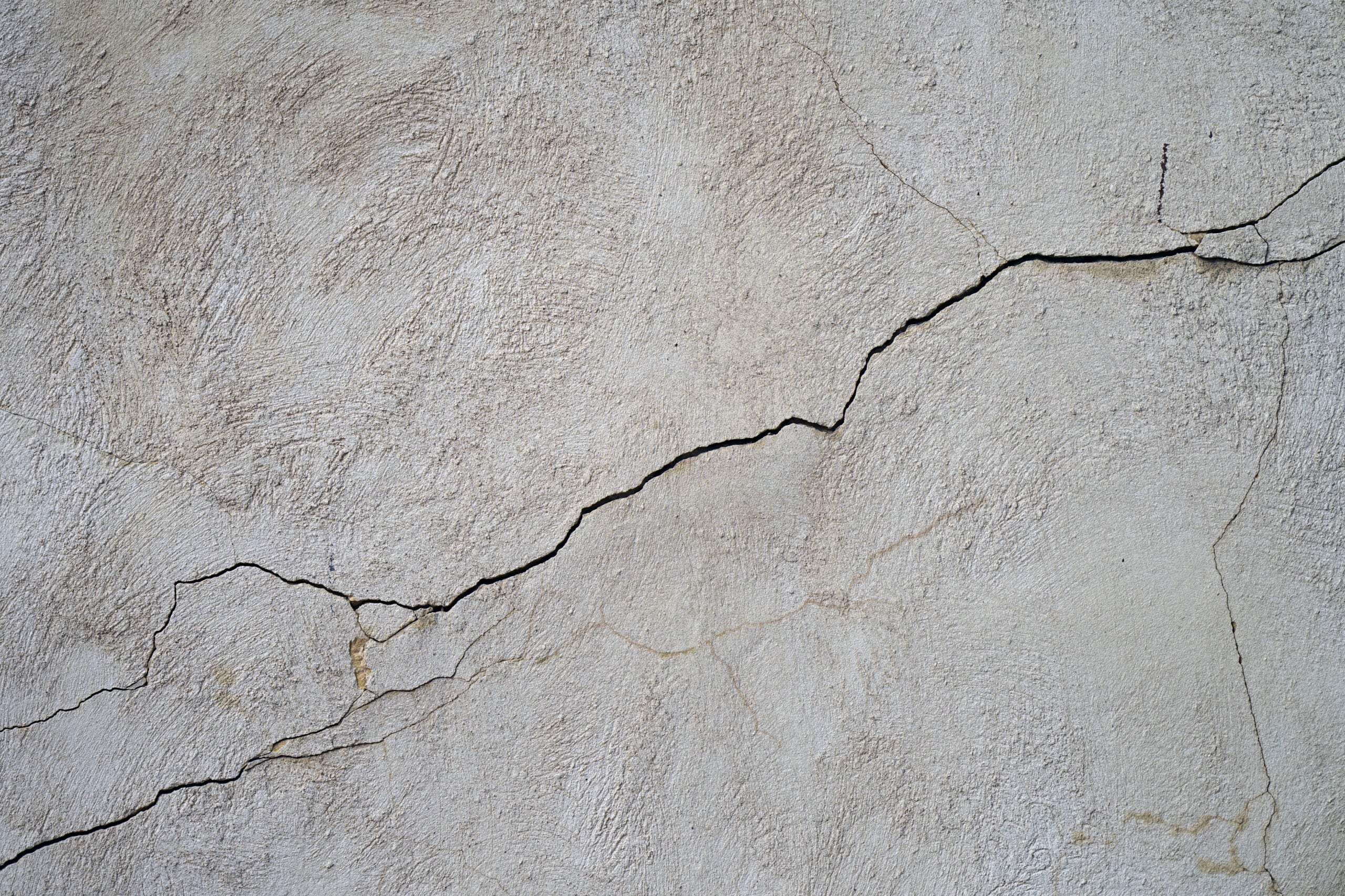
Shrinkage in gypsum mortar mainly occurs during the drying and hardening process. As water evaporates from the material, the internal volume decreases, generating stress within the hardened structure.
Several factors can accelerate or intensify shrinkage:
- Excess water in the mix
- Rapid moisture loss from the surface
- High absorbency of the substrate
- Poor formulation design
- Extreme environmental conditions such as high temperature or strong wind
When these factors combine, the internal stress exceeds the material’s tensile strength, leading to visible cracks.
The Role of Additives in Shrinkage Control
 One of the most effective ways to reduce shrinkage is through proper use of functional additives.
1. HPMC (Cellulose Ether)
HPMC improves water retention and slows down evaporation. By keeping moisture inside the system for longer, it allows more uniform hydration and reduces internal stress development.
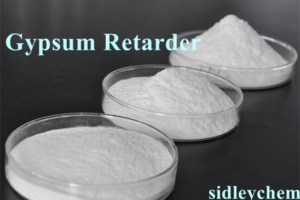
2. Gypsum Retarder
A gypsum retarder helps control the setting speed. When the setting process is too fast, uneven hydration occurs, which increases shrinkage risk. Retarders help ensure a more stable and uniform structure formation.
3. Starch Ether
Starch ether improves consistency and reduces sagging. It also contributes to better internal structure stability, which helps reduce deformation during drying.
Formulation Balance Is Critical
Shrinkage control is not achieved by a single additive alone. A balanced formulation is required.
Manufacturers should carefully control:
- Gypsum purity and fineness
- Water-to-powder ratio
- Type and dosage of additives
- Compatibility between HPMC and retarders
Overuse of water or improper additive selection can actually increase shrinkage instead of reducing it.
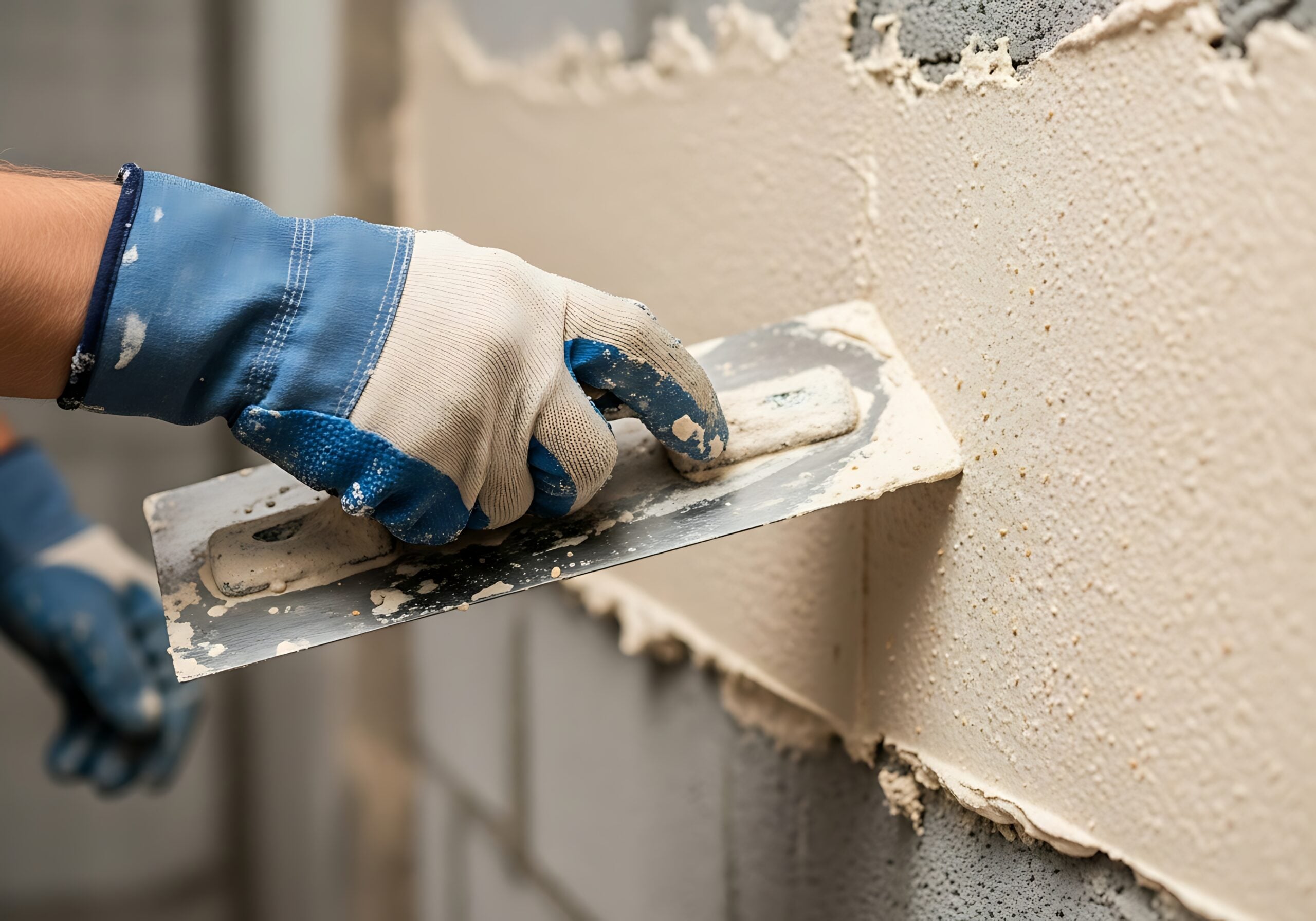
Construction Practices That Reduce Shrinkage
Even a well-designed mortar can crack if construction practices are poor.
To minimize shrinkage-related cracking:
- Avoid applying mortar under direct sunlight or strong wind
- Pre-treat highly absorbent substrates
- Ensure uniform mixing on site
- Avoid applying overly thick layers in one pass
- Allow proper curing time
These practices help maintain moisture balance during the critical setting phase.
Conclusion
Gypsum mortar shrinkage is a natural physical process, but excessive shrinkage can be effectively controlled. By combining high-quality additives such as HPMC, gypsum retarders, and starch ether with optimized formulation design and proper construction methods, manufacturers and contractors can significantly reduce cracking risks.
A well-balanced system ensures better dimensional stability, improved surface quality, and longer-lasting gypsum plaster performance.



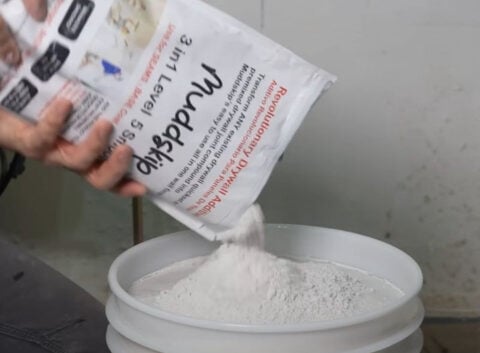

Drymix Mortar Tech+
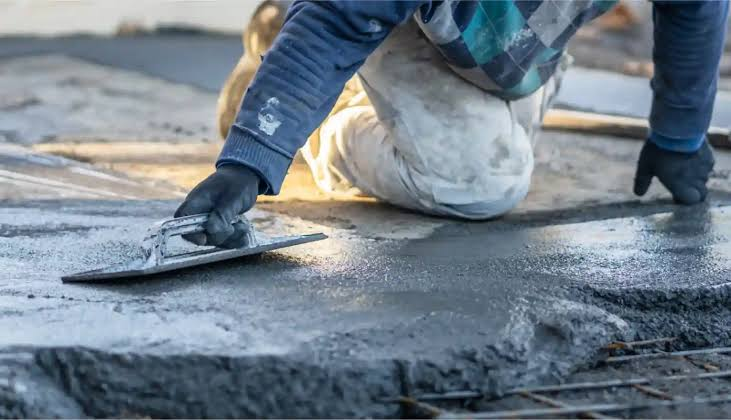
Why Does Dry Mortar Have Poor Water Retention?
Learn why dry mortar has poor water retention and how HPMC and MHEC can improve water retention, workability, and cement hydration in dry-mix mortar… Continue reading
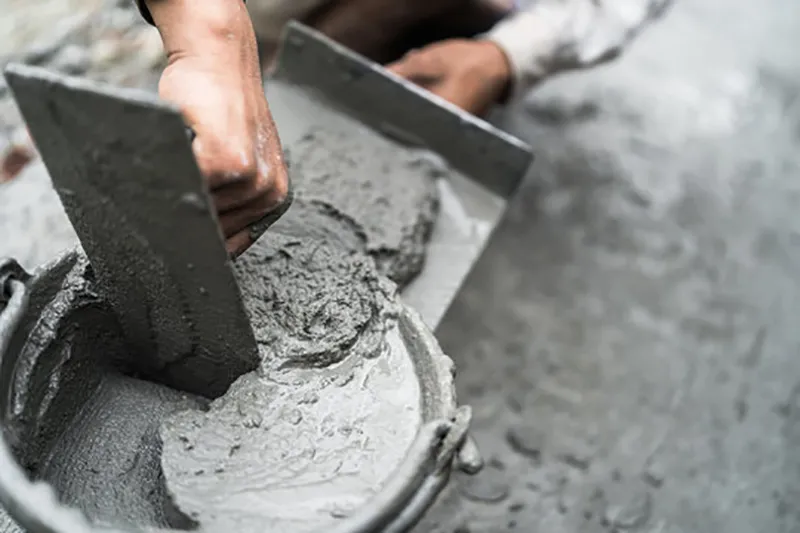
Dry-Mix Mortar Summer Formulation Adjustment
Why does the same formulation fail in summer? The key is cellulose ether. High temperatures cause ordinary HPMC water retention to drop sharply — increase dosage by 0.1%-0.2%, switch to high gel temperature grades, and combine with retarders. This article gives three practical adjustment directions to tackle summer construction challenges… Continue reading
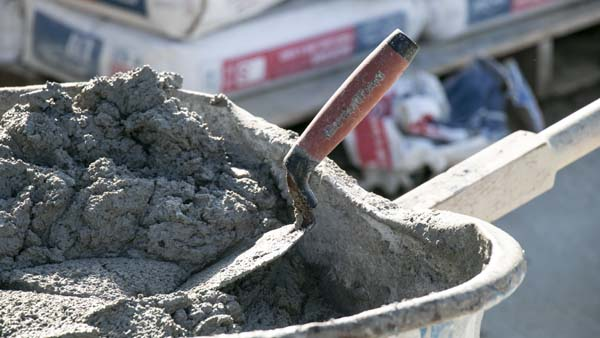
Mortar Setting Too Fast in Summer Heat?
Mortar drying out in half an hour on summer job sites? High-temperature accelerated hydration is the culprit. This article breaks down the features and selection of sodium gluconate, citric acid, tartaric acid, and boric acid retarders, with dosage adjustment and blending strategies to tackle summer construction challenges… Continue reading
Why Does Dry Mix Mortar Cake During Storage?
Discover why dry mix mortar cakes during storage and transportation. Learn how moisture, packaging, raw materials, and formulation affect storage stability, and explore practical solutions to maintain product quality… Continue reading
Why Does Tile Grout Change Color After Curing?
Discover the most common causes of tile grout color inconsistency after curing and learn practical solutions through proper formulation, pigment selection, moisture control, and construction practices… Continue reading
Tile adhesive bond strength
Learn the most common reasons why tile adhesive loses bond strength and discover practical solutions through proper formulation, additive selection, substrate preparation, and construction practices… Continue reading
gypsum mortar water retention
Learn practical ways to enhance the water retention of gypsum mortar using HPMC, starch ether, and proper mixing techniques to improve workability and reduce cracks… Continue reading
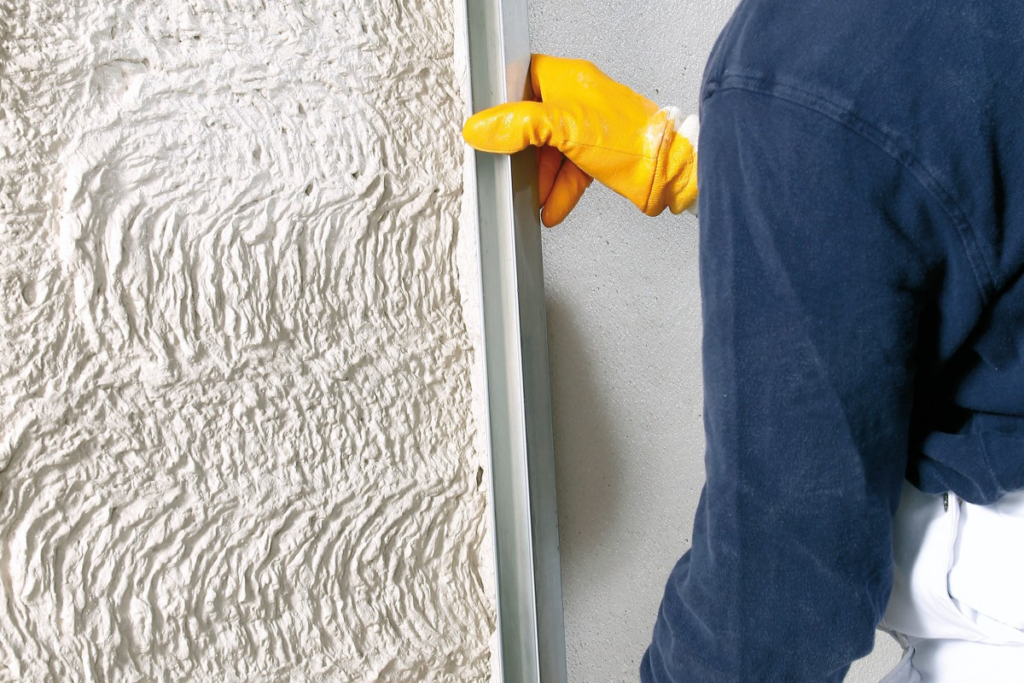
Extend gypsum setting time
Learn why gypsum mortar loses workability too quickly and discover practical solutions using gypsum retarders, HPMC, and formulation optimization to extend working time without compromising strength… Continue reading
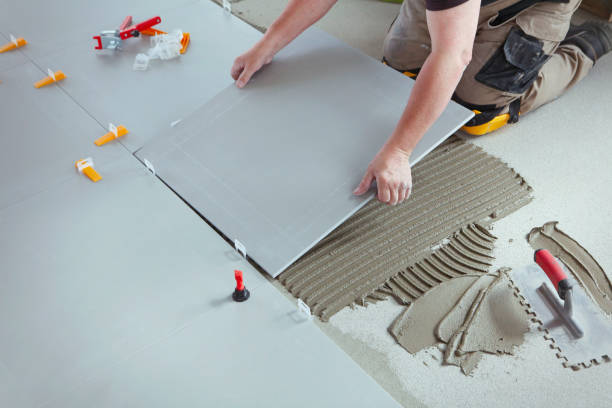
Tile Adhesive Crack Resistance Solutions
This article analyzes 5 main causes of tile adhesive cracking: insufficient flexibility, poor water retention, excessive shrinkage, poor substrate preparation, and incorrect additive selection, with solutions including HPMC, RDP, and other crack-resistant additives… Continue reading
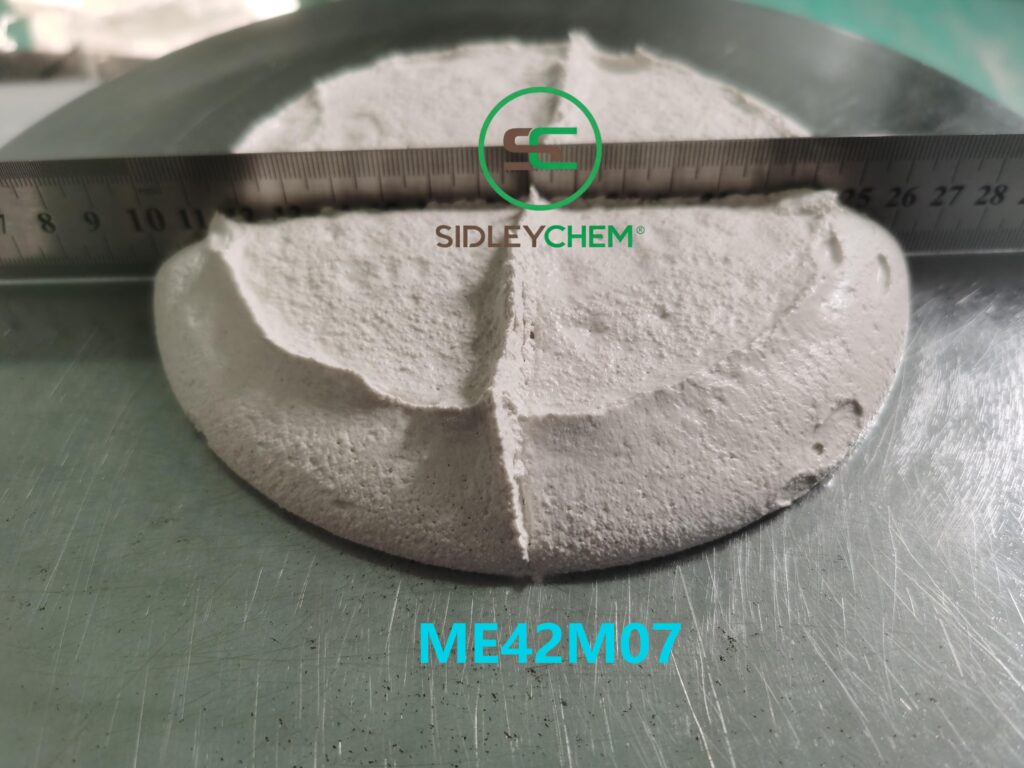
Lightweight Gypsum Plaster Cellulose Ether
This article compares the performance of * 60010 and Sidley ME 42M07 cellulose ethers in lightweight gypsum plaster, including consistency, setting time, strength, and bond performance, providing data reference for dry-mix mortar formulation selection… Continue reading
