
Extend gypsum setting time
Gypsum mortar has become increasingly popular in modern interior finishing systems due to its lightweight nature, smooth surface quality, and fast construction speed. Compared with traditional cement-based plaster, gypsum mortar offers better workability and a shorter drying period, making it an attractive solution for residential and commercial projects.
However, one challenge frequently reported by contractors is that gypsum mortar sometimes sets too quickly. When the workable time is too short, workers may struggle to complete leveling and finishing operations before the material begins to harden. This can lead to poor surface quality, material waste, and even cracking issues.
So how can manufacturers and contractors extend the working time of gypsum mortar without negatively affecting its strength and performance?
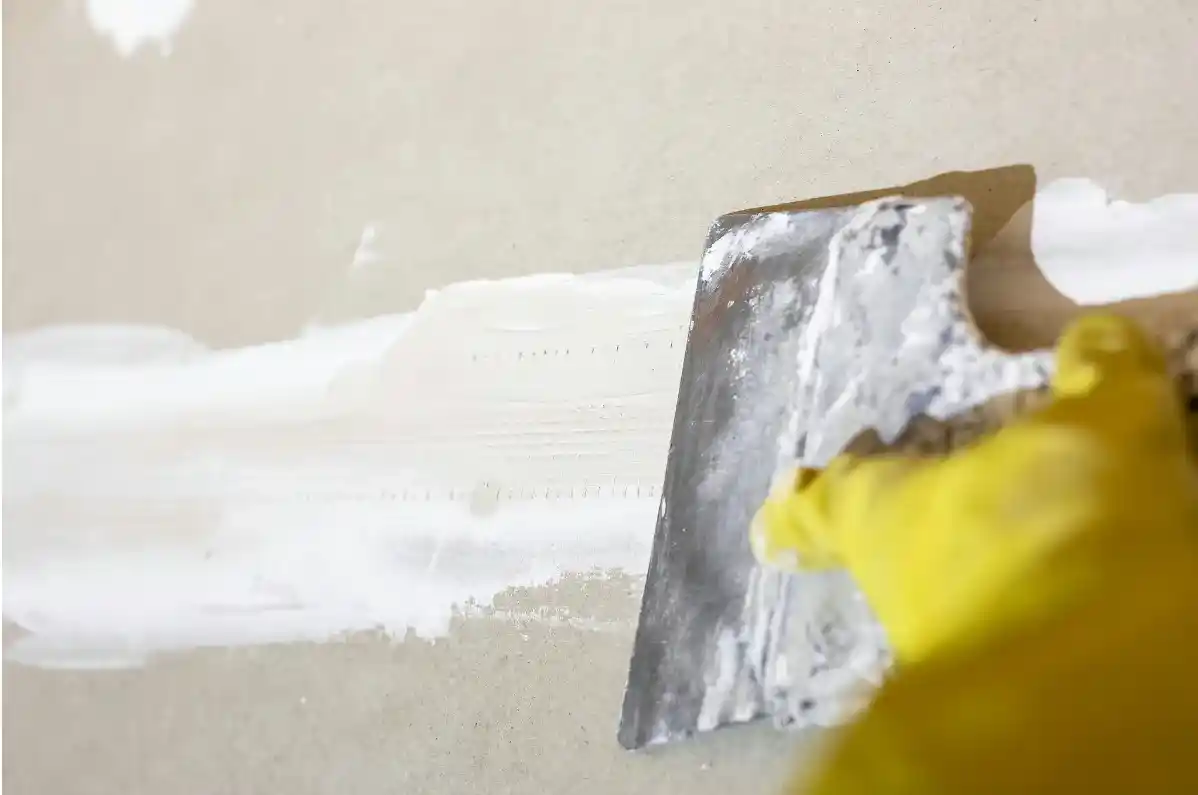
Why Working Time Matters?
Working time refers to the period during which freshly mixed gypsum mortar remains workable and easy to apply.
If the working time is insufficient, several problems may occur:
- Difficult troweling and finishing
- Reduced construction efficiency
- Surface roughness and unevenness
- Increased material waste
- Higher risk of cracks and defects
For large wall areas or projects in hot climates, adequate working time becomes even more critical.
The Main Reasons for Short Working Time
Before looking at solutions, it is important to understand why gypsum mortar may lose workability too quickly.
One common reason is the natural hydration process of gypsum. Compared with cement-based materials, gypsum hardens much faster. This characteristic is beneficial for rapid construction but can become problematic when more application time is required.
Environmental conditions also play a significant role. High temperatures, low humidity, and strong airflow accelerate water evaporation, causing gypsum mortar to stiffen more rapidly than expected.
In addition, formulation design can directly influence setting behavior. A poorly balanced formula may provide excellent early strength but sacrifice workable time.
Using Gypsum Retarders to Control Setting Time

The most effective method for extending gypsum mortar working time is the use of gypsum retarders.
A gypsum retarder slows the crystallization process of gypsum, allowing the material to remain workable for a longer period. Instead of setting within a very short time, the mortar maintains a stable consistency that gives workers enough time to apply, level, and finish the surface.
For manufacturers, selecting the appropriate retarder is essential. An ideal retarder should:
- Provide predictable setting behavior
- Maintain stable performance under different temperatures
- Avoid excessive delay in final strength development
- Be compatible with other additives
A properly designed retarder system can significantly improve construction efficiency while maintaining product quality.
The Role of HPMC in Extending Workability
While retarders directly affect setting time, HPMC plays an equally important supporting role.
HPMC improves water retention within the gypsum mortar. By reducing rapid moisture loss, the material stays workable for a longer period and remains easier to apply.
In practical applications, HPMC provides several additional benefits:
- Improved workability
- Better sag resistance
- Enhanced adhesion
- Reduced risk of surface cracking
For this reason, gypsum retarders and HPMC are often used together to achieve optimal performance.
Why Formulation Balance Is Important
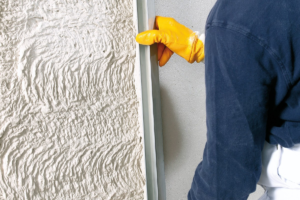 Many manufacturers assume that simply increasing retarder dosage will solve the problem. In reality, extending working time is not only about slowing the setting reaction.
An excessive amount of retarder may result in:
- Delayed strength development
- Extended drying time
- Reduced productivity
A balanced gypsum mortar formulation should consider:
- Gypsum quality
- Retarder dosage
- HPMC type and viscosity
- Starch ether content
- Environmental conditions
Only by optimizing the entire formulation can manufacturers achieve both sufficient working time and reliable mechanical performance.
Construction Practices Also Matter
Even the best formulation may fail to deliver the desired working time if construction conditions are poor.
Contractors can improve workability by following several simple practices:
- Store dry materials in a cool environment
- Use clean mixing water
- Avoid mixing excessive quantities at one time
- Protect fresh plaster from direct sunlight and strong wind
- Apply suitable primers on highly absorbent substrates
These measures help maintain moisture within the mortar and reduce premature stiffening.
Conclusion
Extending the working time of gypsum mortar requires more than simply adding a retarder. It involves a combination of formulation optimization, proper additive selection, and good construction practices.
By combining high-quality gypsum retarders with suitable HPMC grades and a balanced formulation design, manufacturers can achieve longer working time, better workability, improved surface quality, and more efficient construction.
As the demand for gypsum-based building materials continues to grow, optimizing working time will remain one of the key factors in producing high-performance gypsum mortar products.




Drymix Mortar Tech+
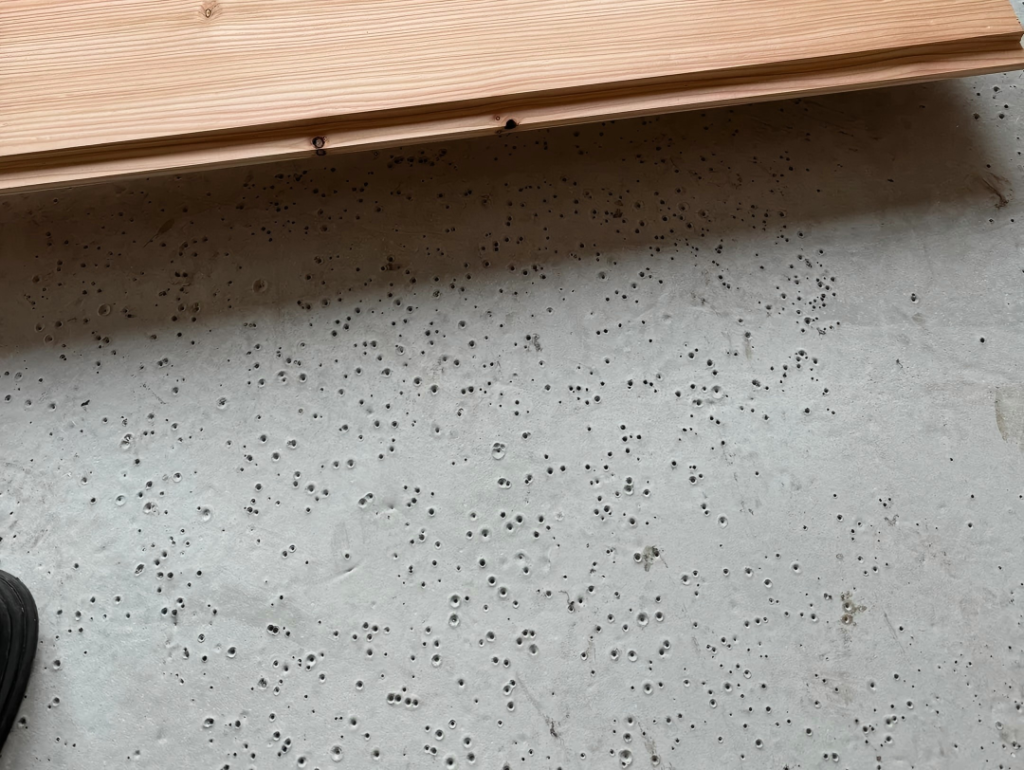
Pinholes in Self-Leveling Mortar: Defoamer, Mixing, or Substrate?
Pinholes in self-leveling mortar are not always caused by insufficient defoamer. This guide explains how to distinguish formulation foam, mixing-induced air, substrate outgassing, and insufficient healing time through a simple three-surface comparison test and practical corrective actions… Continue reading
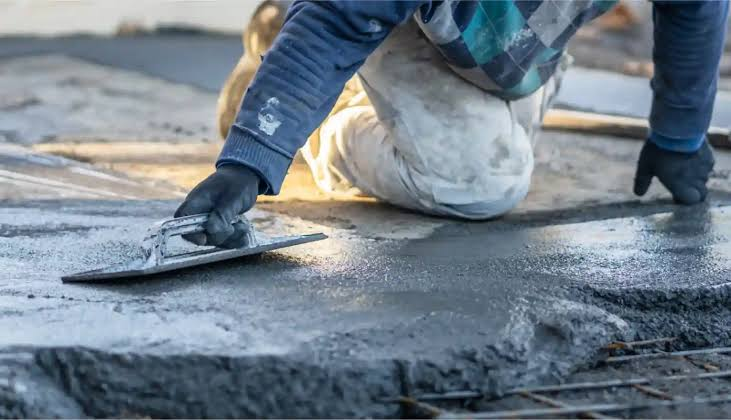
Why Does Dry Mortar Have Poor Water Retention?
Learn why dry mortar has poor water retention and how HPMC and MHEC can improve water retention, workability, and cement hydration in dry-mix mortar… Continue reading
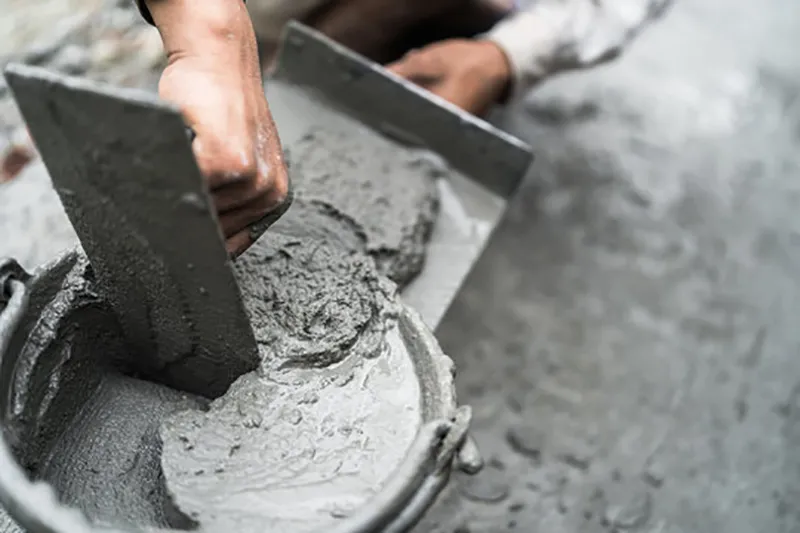
Dry-Mix Mortar Summer Formulation Adjustment
Why does the same formulation fail in summer? The key is cellulose ether. High temperatures cause ordinary HPMC water retention to drop sharply — increase dosage by 0.1%-0.2%, switch to high gel temperature grades, and combine with retarders. This article gives three practical adjustment directions to tackle summer construction challenges… Continue reading
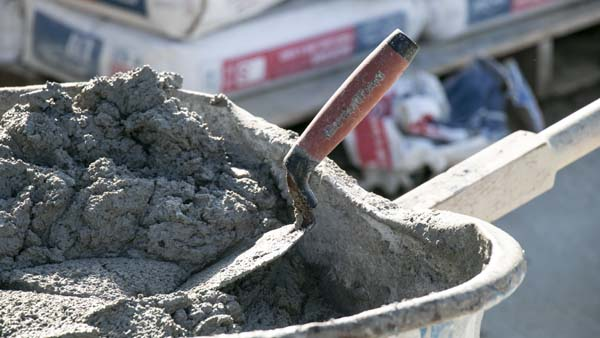
Mortar Setting Too Fast in Summer Heat?
Mortar drying out in half an hour on summer job sites? High-temperature accelerated hydration is the culprit. This article breaks down the features and selection of sodium gluconate, citric acid, tartaric acid, and boric acid retarders, with dosage adjustment and blending strategies to tackle summer construction challenges… Continue reading
Why Does Dry Mix Mortar Cake During Storage?
Discover why dry mix mortar cakes during storage and transportation. Learn how moisture, packaging, raw materials, and formulation affect storage stability, and explore practical solutions to maintain product quality… Continue reading

Why Does Tile Grout Change Color After Curing?
Discover the most common causes of tile grout color inconsistency after curing and learn practical solutions through proper formulation, pigment selection, moisture control, and construction practices… Continue reading
Tile adhesive bond strength
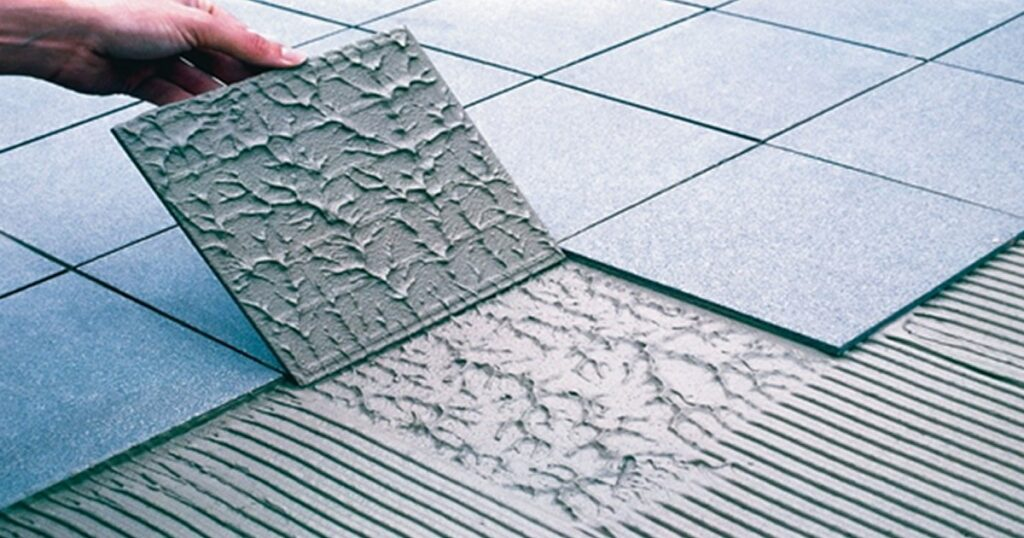
Learn the most common reasons why tile adhesive loses bond strength and discover practical solutions through proper formulation, additive selection, substrate preparation, and construction practices… Continue reading
Gypsum Mortar Shrinkage: Causes and How to Prevent Cracks
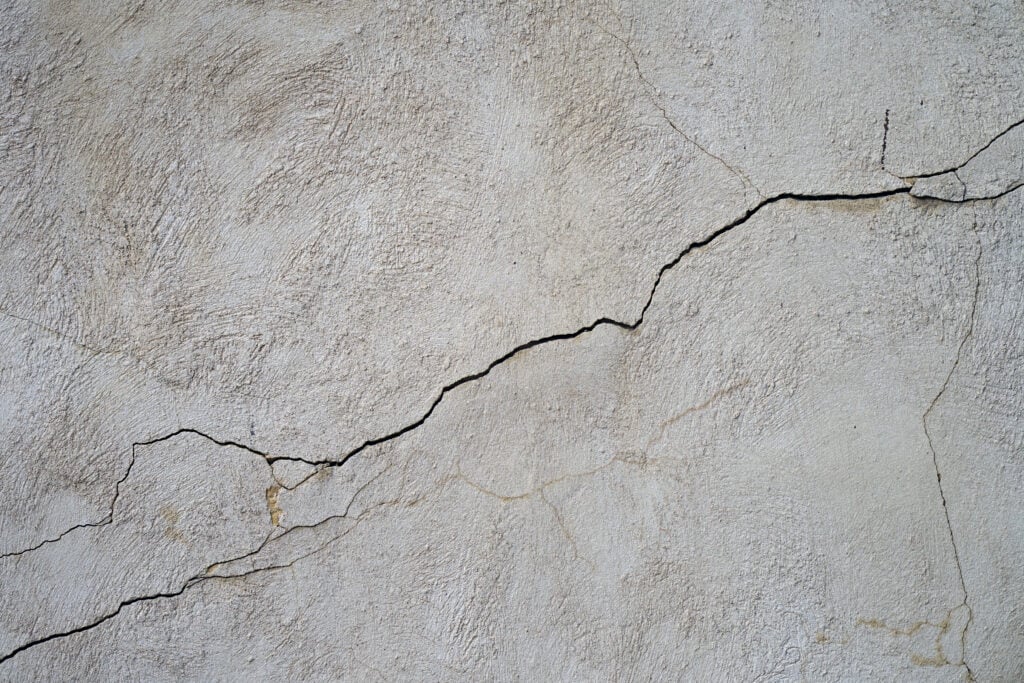
Understand the main causes of gypsum mortar shrinkage and learn how to prevent cracks using HPMC, gypsum retarder, and proper formulation and construction practices… Continue reading
gypsum mortar water retention
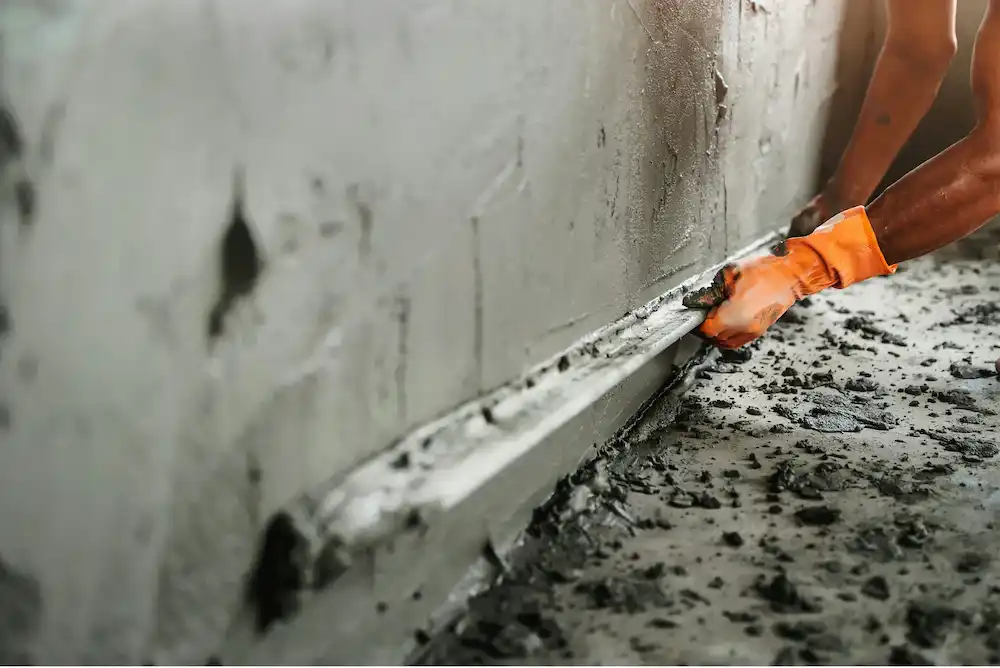
Learn practical ways to enhance the water retention of gypsum mortar using HPMC, starch ether, and proper mixing techniques to improve workability and reduce cracks… Continue reading
Tile Adhesive Crack Resistance Solutions
This article analyzes 5 main causes of tile adhesive cracking: insufficient flexibility, poor water retention, excessive shrinkage, poor substrate preparation, and incorrect additive selection, with solutions including HPMC, RDP, and other crack-resistant additives… Continue reading
