
How Does Air-Entraining Agent Affect Concrete Strength?
Air-entraining agents greatly improve freeze-thaw resistance, but every increase in air content comes with a strength penalty. The common jobsite headache: “Strength dropped after adding AEA.” The key is not whether to use it, but how much and how.
How Does Air Content Affect Strength?
Each 1% increase in air content reduces 28-day compressive strength by about 4%–6% (ACI ~5%). If air content is kept within 4.5%, strength loss usually stays below 15%. If you reduce the water-cement ratio to compensate, loss can be limited to 2%–3%.
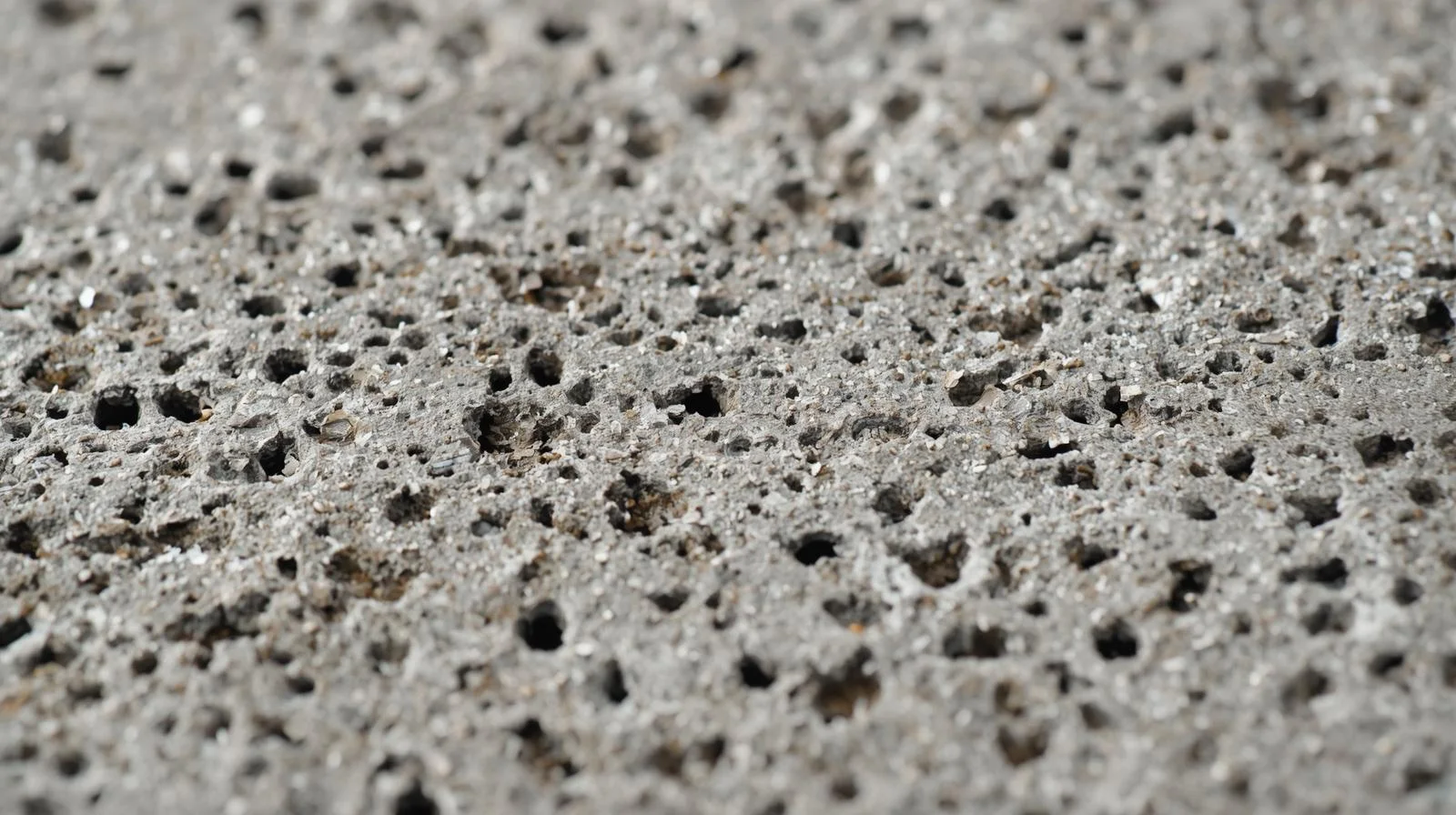
Why Does Air Content Reduce Strength?
Three main reasons:
-
Bubbles take up space, reducing effective load-bearing area.
-
Large bubbles (>100μm) are much more harmful than small ones (<20μm).
-
Bubbles clustering around aggregates weaken the bond at the interface.
So, it’s not about whether bubbles exist, but their size and quantity.
How to Balance Air Content and Strength?
Method 1: Target air content, not dosage
The same dosage can give very different air contents with different materials or temperatures. Always measure air content with a meter. Target ranges:
-
General concrete: 3%–5%
-
Freeze-resistant concrete: 4%–7%
-
Pumped concrete: 3%–5.5%
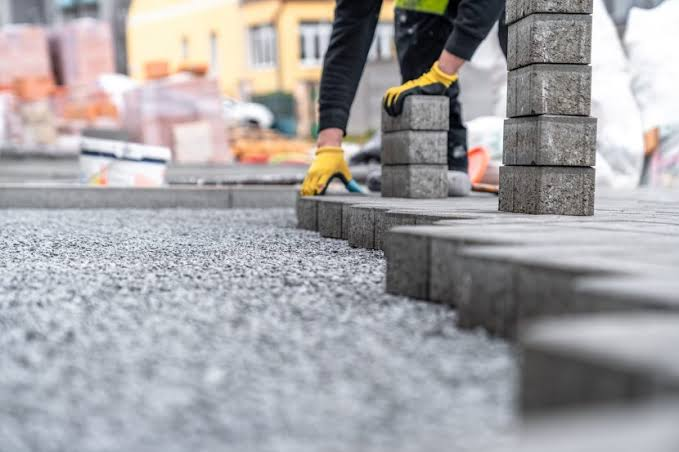
Method 2: Reduce water-cement ratio to compensate
AEAs improve workability – take advantage by cutting water. A lower w/c ratio brings strength back up.
Method 3: Choose an AEA with better foam stability
Alkyl benzene sulfonate types outperform saponin-based ones – finer bubbles, more uniform, less strength loss at the same air content.
Recommended Admixture Solutions
-
 PCE Superplasticizer – reduces water demand at source.
 -
High-quality AEA – preferably alkyl benzene sulfonate type.
-
VMA – prevents bubbles from coalescing and growing.
-
Defoamer (standby) – for quick adjustment if air content overshoots.
Specific products and dosages should be determined by trial mixes.
Four Key Points
-
Measure air content – don’t guess
-
Keep air content between 3%–6%
-
Lower w/c to recover strength
-
Choose an AEA with good foam stability
The goal is “good bubbles” (<20μm), not “more bubbles.”




Concrete & Beton Tech+
Why Does Concrete Strength Vary Between Batches?
Learn why concrete strength varies between batches and how to improve consistency through proper water control, raw materials, admixture dosing, mixing, and curing… Continue reading
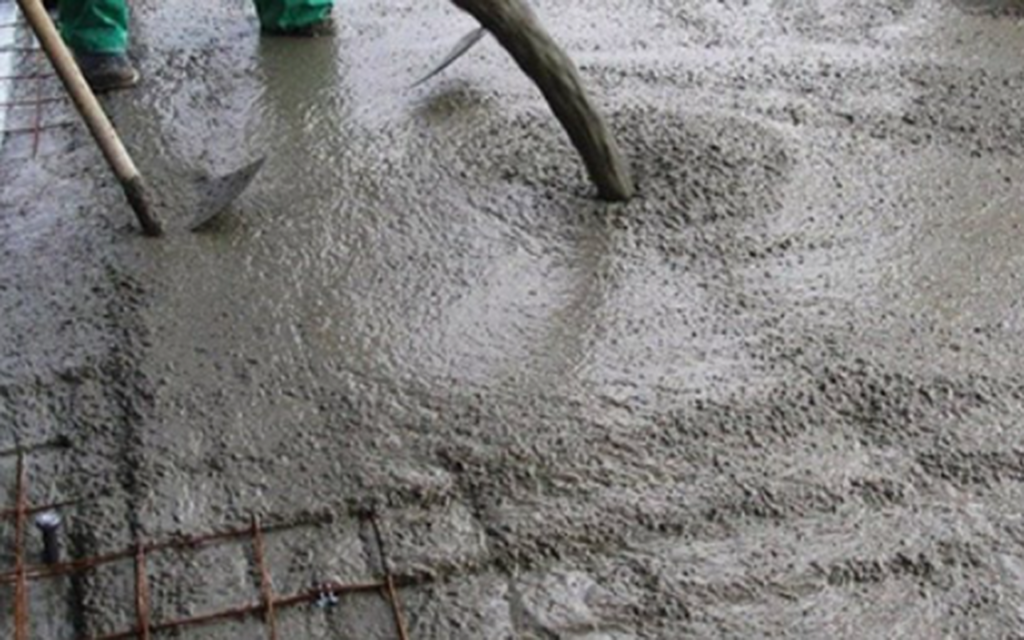
The Role of Expanding Agents in Compensating Shrinkage of Mass Concrete Foundations
Cracking after mass concrete foundation pouring? Thermal shrinkage, drying shrinkage, and autogenous shrinkage combined are the culprits. … Continue reading
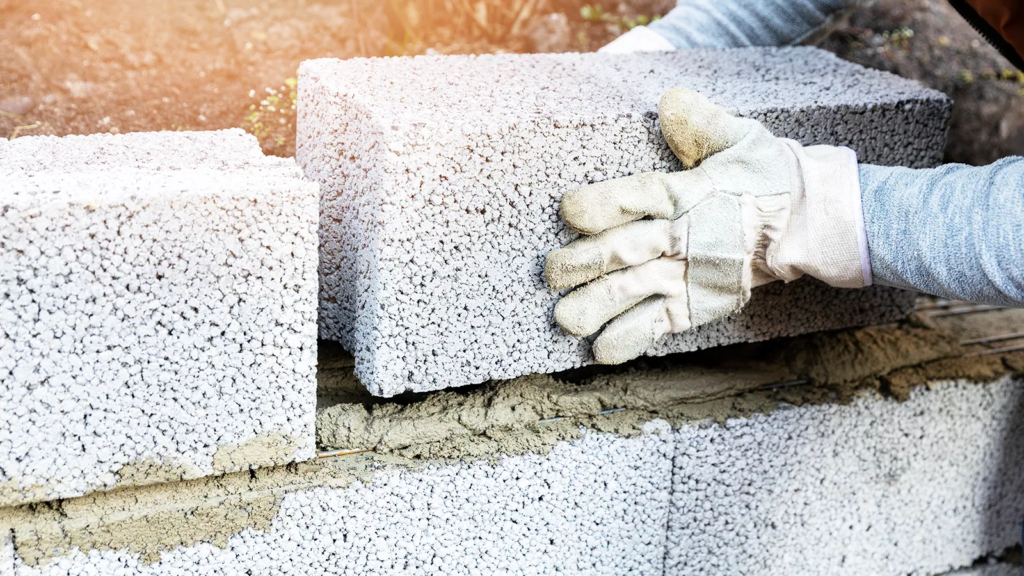
Lightweight Aggregate Concrete Lacking Viscosity?
Lightweight aggregate concrete segregation, aggregate floating, pump blockages? The root cause is insufficient viscosity. This article details four practical methods — viscosity modifier dosage (0.02%–0.03%), aggregate pre-wetting, mix optimization, and specialized admixtures — to solve workability problems once and for all… Continue reading
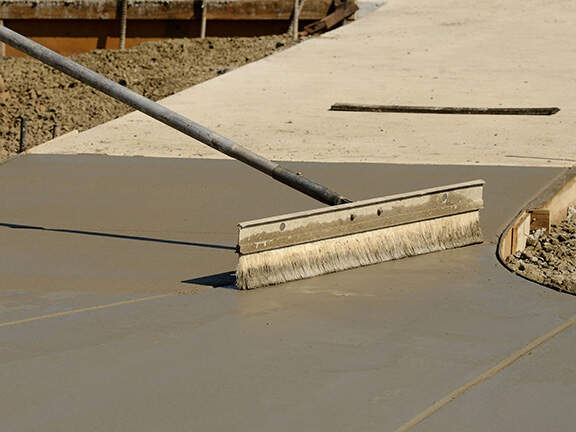
The Three Critical Windows for Concrete Curing
Same mix design, with and without proper curing – 28‑day strength can differ by a whole grade. This article explains hydration mechanisms, three critical curing windows, and practical steps to prevent strength loss and cracking… Continue reading
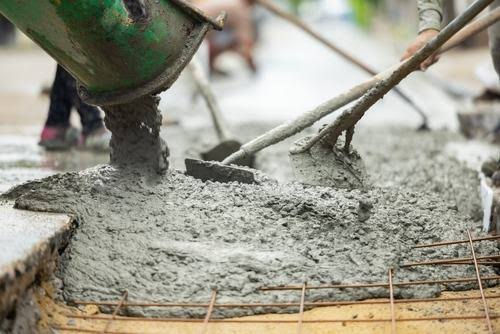
Which Admixtures Improve Concrete Durability?
Discover which concrete admixtures improve durability, including Polycarboxylate Superplasticizers, Air-Entraining Agents, Corrosion Inhibitors, Waterproofing Admixtures, and Concrete Fibers. Learn how to enhance strength, reduce permeability, and extend service life… Continue reading
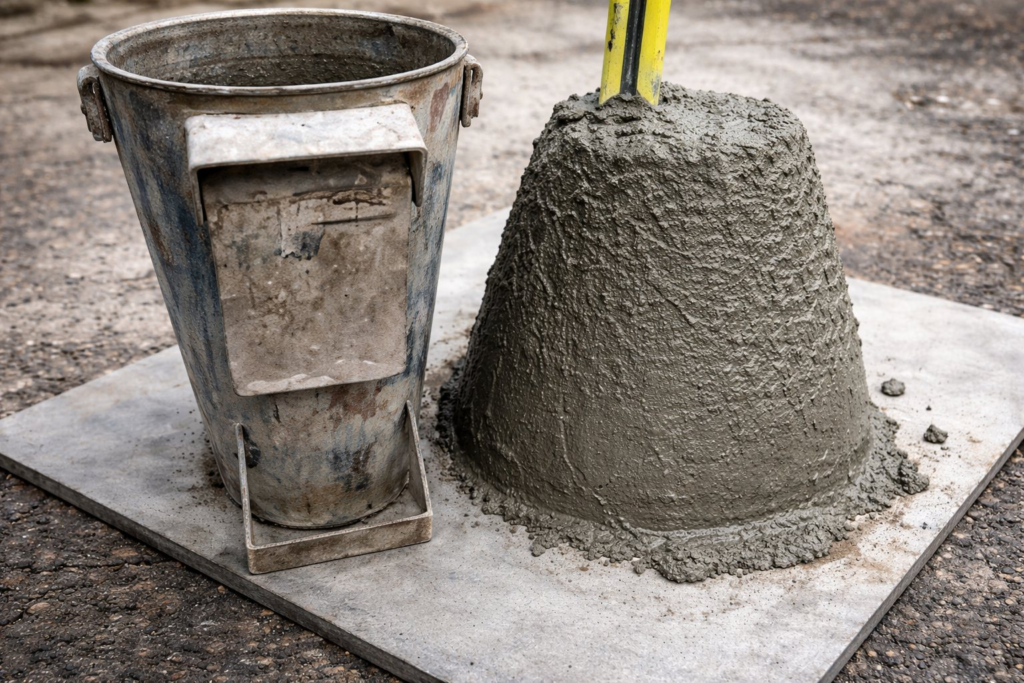
How to Maintain Slump Retention During Long-Distance Transportation
Learn how to maintain concrete slump retention during long-distance transportation by optimizing mix design, selecting the right admixtures, and improving production practices… Continue reading
Why Does Concrete Bleeding Occur?
Learn why concrete bleeding occurs, what causes excessive bleeding, and how to reduce it using proper mix design, Polycarboxylate Superplasticizers (PCE), and Viscosity Modifying Agents (VMA)… Continue reading
Concrete Admixture Role
This article explains how concrete admixtures improve workability and durability: slump control, setting time adjustment, impermeability enhancement, and solutions for bleeding, segregation, and shrinkage cracks… Continue reading
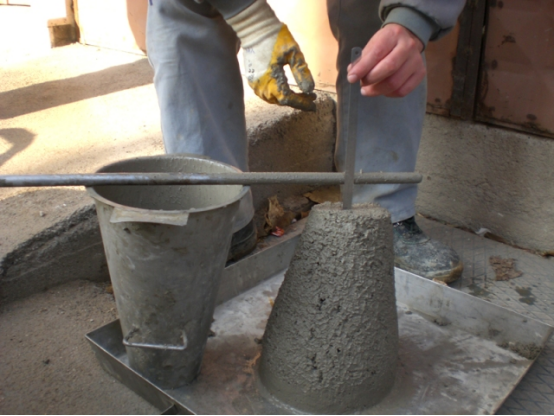
Concrete Slump Loss Causes& Solutions
This article analyzes four main causes of rapid concrete slump loss: high cement reactivity, high temperature, incompatible admixture systems, and long transport time, and provides slump retention solutions including PCE superplasticizers, retarders, and … Continue reading
Concrete Admixture Economic Construction
This article explains how concrete admixtures achieve economic construction by reducing cement consumption, lowering energy use, and minimizing construction waste, helping projects cut costs and improve efficiency… Continue reading
