Modified Starch

01 Overview

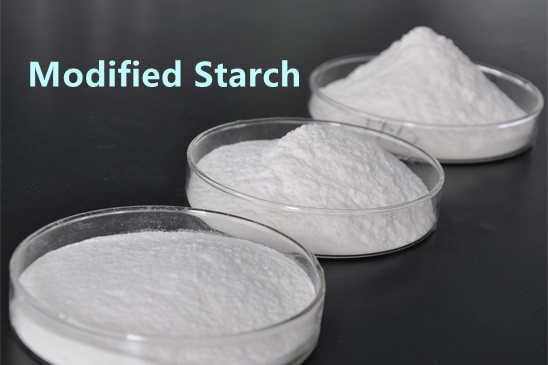
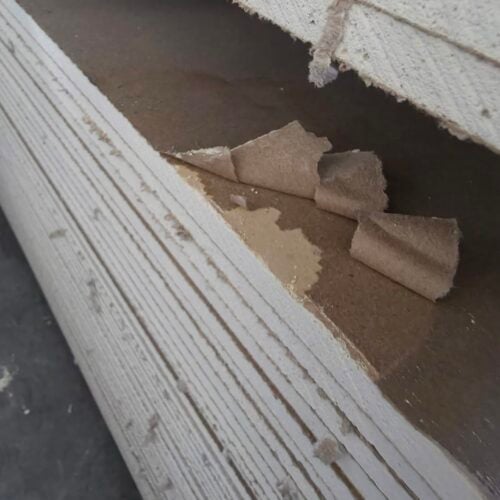
Modified starch for gypsum plasterboard is primarily used to improve bonding between the facing paper and the gypsum core. Suitable grades help preserve the bond at the paper–core interface during drying, reducing the risk of paper delamination and ensuring more consistent finished-board quality. Depending on the modification, certain grades can also improve core strength and support lightweight board production.

02 GWMS JX01

GWMS JX01 is a kind of modified starch that changes the molecular structure of the original starch by adding oxidants under acidic medium conditions to adapt to the modern production process of gypsum boards and improve the physical indexes of gypsum boards. It has adhesive properties and migration ability at a certain temperature, which is an indispensable material for the production of paper faced gypsum boards.

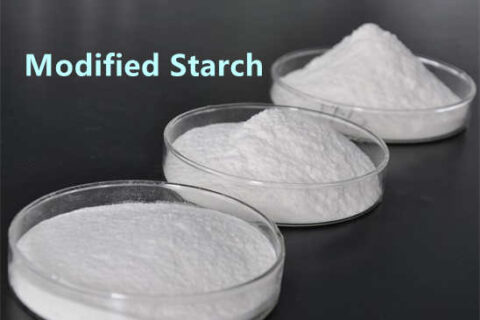
Appearance white powder
Sieve analysis 100 mesh sieve through rate≥95% (vibrating sieve)
Moisture Content ≤13.0%
20% Liquid Ph Value 5.0-8.0
Alkali Mobility 1:3 water ratio measured at room temperature≥100S
  • Improved paper-to-core bonding: Promotes secure adhesion between the facing paper and the gypsum core.
  • More consistent bonding after drying: Helps reduce paper separation and delamination.
  • Support for lightweight formulations: Suitable grades help balance reduced board weight with reliable bonding performance.
03 Questions & Answers

  1. 1
    Why is Modified starch added to gypsum plasterboard?

    Modified Starch is primarily used to improve bonding between the facing paper and the gypsum core, reducing the risk of paper separation and delamination after drying. Certain specialized grades can also improve core strength.

  2. 2
    Why use modified starch instead of native starch?

    Modification adjusts starch viscosity, gelatinization properties and migration behavior to better suit plasterboard mixing, forming and drying processes. Native starch cannot achieve the performance of modified starch.

  3. 3
    How does modified starch improve paper-to-core bonding?

    During drying, suitable starch grades gelatinize, and some migrating grades move with moisture toward the paper–core interface, helping develop and preserve the bond. Performance depends on the starch grade, facing paper and drying conditions.

  4. 4
    Does a higher starch dosage always provide better bonding?

    No. Excessive dosage may increase slurry viscosity, affect flow and raise costs without providing further bonding improvement. The appropriate dosage should be established through comparative trials.

04 Product Videos