
Paint Viscosity Drops After Tinting: Causes & Fixes
A base paint leaves production with normal viscosity and good storage stability.
But after adding colorant, the paint suddenly becomes thinner. In some cases, the change is small. In others, viscosity drops enough to affect sag resistance, roller feel, and application performance.
Why does this happen?
The problem is often not simply “too little thickener.” Tinting introduces new ingredients into the coating system, and these ingredients may interact with the existing rheology package.
1. The Colorant Can Change the Rheology System
A colorant is more than pigment.Depending on the formulation, it may also contain water, dispersants, wetting agents, surfactants, glycols, or other additives.
After tinting, these materials become part of the final paint and may change its rheological properties.
This is particularly important when the thickening mechanism depends on interactions between polymers, latex particles, pigments, and surfactants. Therefore, a base paint with stable viscosity does not automatically guarantee stable viscosity after tinting.
2. Check the Thickener System
The type of rheology modifier has a major influence on tinting stability.
Different systems such as HEC, ASE, HASE, and HEUR do not respond to formulation changes in exactly the same way.
For example, associative thickeners rely partly on interactions with hydrophobic components in the coating. Introducing additional surfactants or dispersants through the colorant may change these interactions.
SidleyChem’s rheology modifier range includes ASE, HASE, and HEUR systems designed for different viscosity and application requirements.
If viscosity loss repeatedly occurs after tinting, compare the complete thickener system rather than simply increasing one product.
3. HEC Grade and Dosage Also Matter
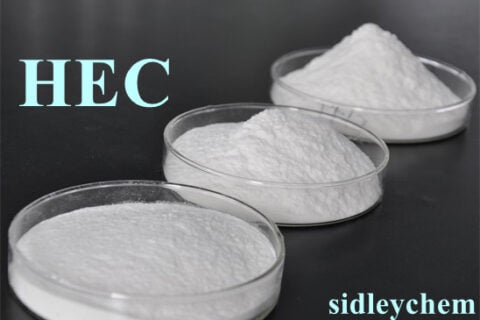
Hydroxyethyl cellulose (HEC) is widely used in water-based coatings for viscosity control, stabilization, suspension, and application performance.
A formulation using HEC may still show viscosity changes after tinting if:
- the original viscosity is already close to the lower specification limit;
- the colorant introduces additional water;
- the HEC dosage is insufficient for the final formulation;
- another rheology modifier in the system is affected by the colorant.
When troubleshooting, test the fully tinted paint—not only the white base.
4. Check pH and Dispersant Compatibility
Some rheology modifiers, especially alkali-responsive systems, depend on suitable pH conditions for proper thickening.If tinting changes the pH, viscosity may also change.
The dispersant system should also be considered. A dispersant is needed to stabilize pigments, but the complete balance between dispersant, pigment, latex, and thickener affects final viscosity.
SidleyChem’s waterborne dispersants are designed for pigment and filler stabilization while also helping control viscosity and storage stability.
Do not judge the problem from thickener dosage alone.
5. Measure Before and After Tinting
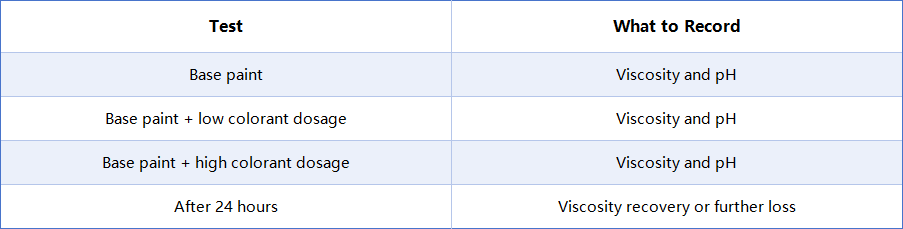
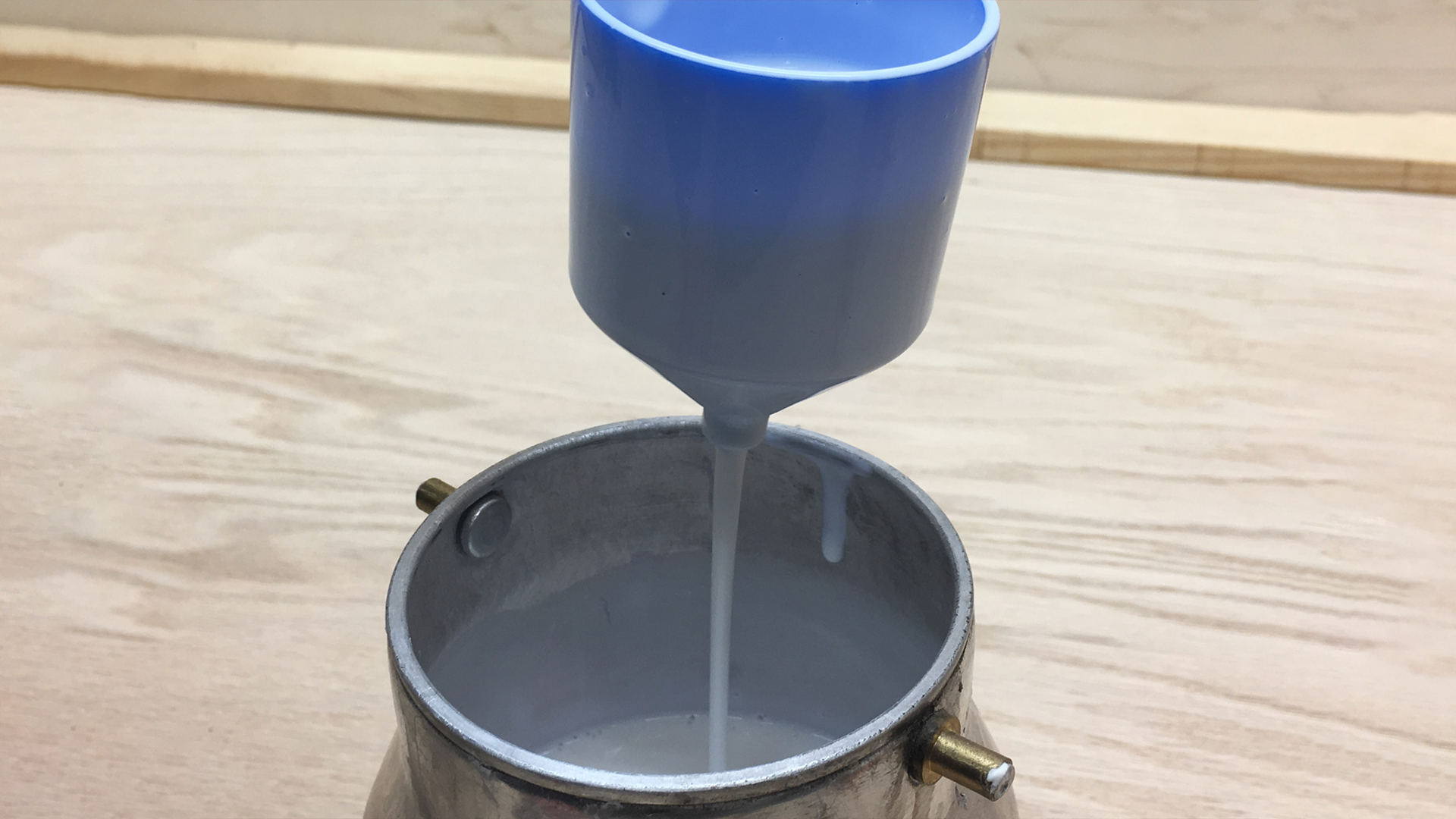
It is useful to record KU viscosity under the same temperature and test conditions. ASTM D562 covers the measurement of paint consistency using a Stormer-type viscometer and KU values.
If viscosity drops only with one specific colorant, investigate colorant compatibility first.
If most colorants produce similar viscosity loss, the base-paint rheology package may need adjustment.
6. How to Improve Tinting Stability
Once the cause is confirmed, possible adjustments include:
- optimize the HEC grade or dosage;
- rebalance HEC and synthetic rheology modifiers;
- check the final paint pH;
- evaluate colorant compatibility;
- optimize dispersant dosage;
- measure viscosity after full color development;
- avoid adjusting only the untinted base paint.
The target should be stable viscosity both before and after tinting.
Conclusion
If paint viscosity drops after tinting, adding more thickener is not always the best first solution.
The real cause may involve:
- colorant composition;
- rheology modifier interaction;
- HEC dosage;
- pH changes;
- dispersant balance;
- additional water introduced during tinting.
The best approach is to compare the base paint and tinted paint under the same conditions and identify which component causes the viscosity change.
Coatings Tech+
Paint Sagging Despite Normal Viscosity: Causes & Fixes
Paint can still sag even when viscosity meets QC specifications. Learn how rheology, film thickness, temperature, and thickener selection affect sag resistance… Continue reading
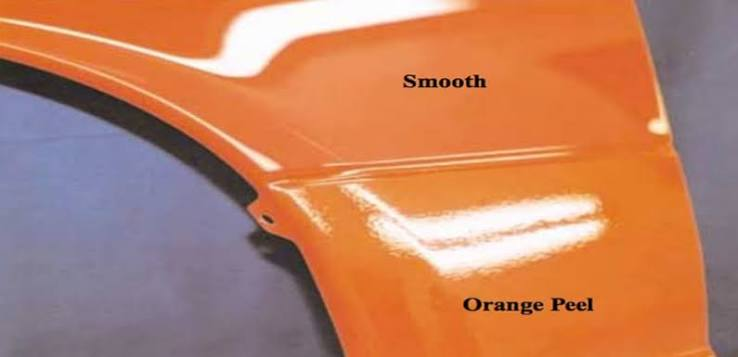
Why Does Orange Peel Occur in Coatings?
Learn why orange peel occurs in coatings and how to prevent it. Discover how viscosity, atomization, surface tension, drying conditions, and coating additives affect leveling and surface appearance… Continue reading
Why Does Exterior Wall Coating Show White Streaks After Rain?
White streaks on exterior wall coating after rain? Rainwater washes out hydrophilic components from the film. This article explains four types of rain marks and provides solutions from emulsion selection, wetting/dispersant control, color paste choice, and topcoat application… Continue reading

Coating Storage Separation — The Role of Thickeners in Anti-Settling
Coating storage separation is the most common quality headache for manufacturers. Water separation, emulsion separation, and hard settling have different causes and solutions. … Continue reading
Why Does Coating Lose Adhesion?
Learn the common causes of coating adhesion failure and discover practical solutions to improve coating adhesion through proper surface preparation, formulation optimization, and coating additives… Continue reading

How to Improve Storage Stability of Water-Based Coatings?
Learn how to improve the storage stability of water-based coatings by optimizing formulation design, rheology modifiers, dispersants, preservatives, and production processes. Discover practical solutions to reduce sedimentation, viscosity changes, and phase separation… Continue reading
Wetting agent for water based coatings
Learn how wetting agents improve coating performance by enhancing substrate wetting, pigment dispersion, and film leveling. Discover their role in water-based coating formulations and how proper selection helps reduce coating defects… Continue reading
Water-based coatings foam control
Foam formation is a common issue in water-based coatings. This article explains the causes of foam and how to control it using defoamers, formulation design, and production optimization to improve coating quality and stability… Continue reading
