
Sodium Carboxymethyl Cellulose in Toothpaste

Toothpaste is a carefully formulated oral care product that requires a smooth texture, stable consistency, and reliable performance throughout its shelf life. To achieve these qualities, manufacturers commonly use Sodium Carboxymethyl Cellulose (CMC) as a thickener and stabilizer.
CMC helps create a uniform toothpaste that is easy to squeeze, spreads smoothly on the toothbrush, and remains stable during storage.
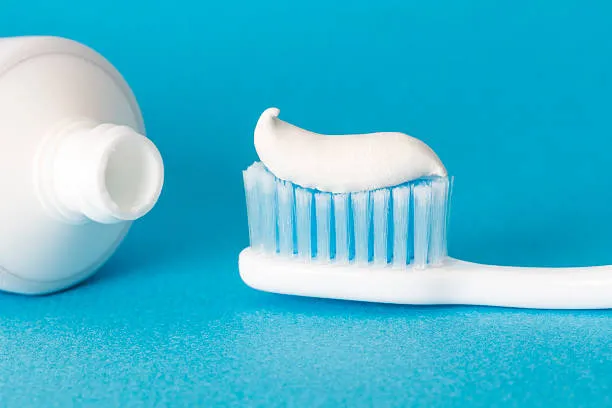
1. Providing the Right Consistency
One of the primary functions of CMC in toothpaste is to control viscosity.
Without an effective thickening agent, toothpaste may become too runny or too stiff, making it difficult to use.
CMC helps maintain the ideal consistency by:
- Improving product body
- Creating a smooth, creamy texture
- Ensuring easy extrusion from the tube
- Maintaining consistent performance during use
2. Preventing Ingredient Separation
Toothpaste formulations contain abrasive particles, humectants, flavoring agents, and active ingredients. These components need to remain evenly dispersed throughout the product.
CMC forms a stable gel structure that helps:
- Keep solid particles suspended
- Prevent liquid separation
- Maintain a uniform appearance
- Improve storage stability
This ensures that every use delivers consistent product performance.
3. Improving Brushing Experience
Consumers expect toothpaste to spread easily across the teeth while maintaining a pleasant texture.
CMC contributes by:
- Providing a smooth mouthfeel
- Improving spreadability
- Reducing dripping during brushing
- Delivering a more comfortable brushing experience
These properties enhance the overall quality of the product.
4. Supporting Formulation Stability
A high-quality toothpaste should remain stable throughout transportation and long-term storage.
CMC improves formulation stability by:
- Maintaining viscosity over time
- Reducing syneresis
- Supporting uniform distribution of ingredients
- Enhancing product shelf life
This makes CMC a reliable choice for both conventional and premium toothpaste formulations.

5. Suitable for Various Toothpaste Types
Because of its versatility, CMC is widely used in different toothpaste formulations, including:
- Daily care toothpaste
- Whitening toothpaste
- Herbal toothpaste
- Children’s toothpaste
- Sensitive teeth toothpaste
Its excellent compatibility with common toothpaste ingredients makes it suitable for a wide range of oral care products.
Conclusion
Sodium Carboxymethyl Cellulose is an essential functional ingredient in modern toothpaste manufacturing. By improving consistency, stabilizing the formulation, and enhancing the brushing experience, CMC helps manufacturers produce high-quality toothpaste with reliable performance.
As consumer expectations for oral care products continue to grow, CMC remains a trusted solution for achieving stable, smooth, and easy-to-use toothpaste formulations.
Cellulose Ether Tech+

Why Microcrystalline Cellulose Is Widely Used in Tablet Manufacturing?
Learn why Microcrystalline Cellulose (MCC) is widely used in tablet manufacturing and how its compressibility and binding properties support direct compression… Continue reading

How Does Cellulose Ether Improve Makeup Longevity?
Makeup not lasting long enough? Cellulose ether is a natural-derived film-forming solution. How to choose between EC, HEC, and HPMC? This article breaks down their applications in lip gloss, foundation, and setting spray… Continue reading

How CMC Makes Ice Cream Creamier with Fewer Ice Crystals?
This article explains four key roles of Sodium Carboxymethyl Cellulose (CMC) in ice cream: preventing ice crystal growth, increasing viscosity, improving mouthfeel, and preventing fat separation, with SIDLEYCHEM food grade CMC solutions… Continue reading

How Polyanionic Cellulose (PAC) Improves Water-Based Drilling Fluids
Learn how Polyanionic Cellulose (PAC) improves water-based drilling fluids by controlling fluid loss, enhancing borehole stability, and optimizing drilling performance in oil and gas operations… Continue reading
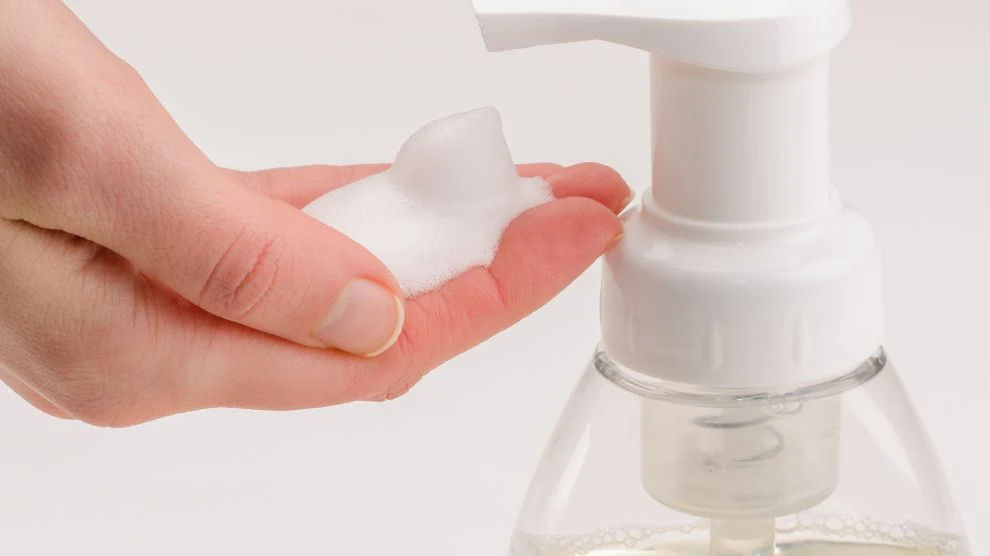
HEC in hand soap
Hydroxyethyl Cellulose (HEC) improves foam stability in hand soap by increasing viscosity, stabilizing foam structure, and enhancing texture, delivering a richer and longer-lasting washing experience… Continue reading

HEC for liquid detergent
Hydroxyethyl Cellulose (HEC) is widely used in liquid detergents due to its excellent thickening performance, surfactant compatibility, and stable rheology, improving product stability and user experience… Continue reading

Choosing the Right Cellulose Ether for Detergent Manufacturing
This guide provides a complete framework for selecting cellulose ethers in detergent manufacturing: comparing HEC vs. CMC performance, selection factors, and combination strategies, with SIDLEYCHEM customized product solutions… Continue reading

Oilfield Grade CMC Application
This article details the multifunctional applications of oilfield grade CMC in drilling, cementing, and fracturing fluids, including fluid loss reduction, viscosity enhancement, proppant transport, and guar gum replacement, with LVT/HVT and ultra-high viscosity specifications… Continue reading

PAC Drilling Fluid Application
This article details oilfield grade PAC applications in drilling fluid solids control, performance regulation, and system stabilization, with PAC-LV/HV specifications… Continue reading
Carboxymethyl Cellulose (CMC) in Toothpaste Industry
This article details key properties of Sodium Carboxymethyl Cellulose (CMC) in toothpaste: effects of viscosity, degree of substitution, substitution uniformity, and salt resistance on paste thickening, ribbon formation, and stability, with selection guidelines for toothpaste-grade … Continue reading
