
Why Does Concrete Bleeding Occur?
Concrete bleeding is a common issue encountered in both ready-mix concrete production and on-site construction. Although a small amount of bleeding is considered normal, excessive bleeding can significantly affect the quality, durability, and appearance of hardened concrete.
Water rising to the surface may seem harmless during placement, but it often leads to weaker surface layers, reduced bond strength, increased permeability, and even cracking over time.
Understanding why concrete bleeding occurs and how to control it is essential for producing high-quality concrete.
What Is Concrete Bleeding?
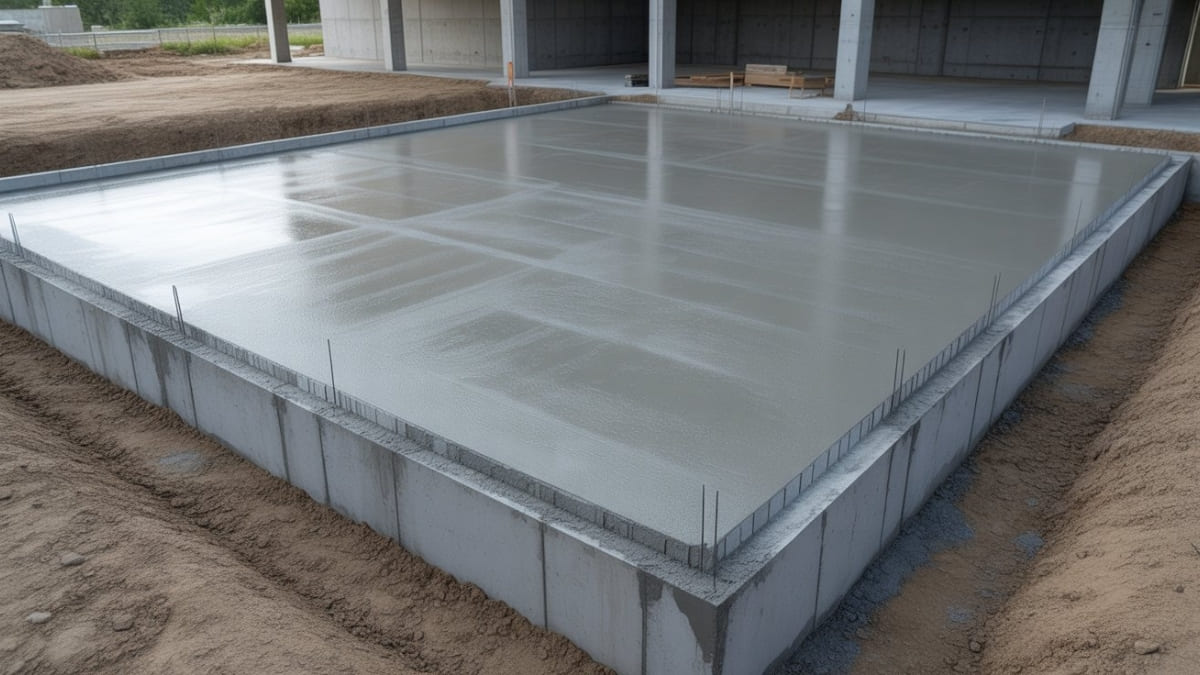
Concrete bleeding is the upward movement of water after fresh concrete has been placed.
As cement particles and aggregates settle under gravity, part of the mixing water rises to the surface. This process continues until the concrete begins to set.
A small amount of bleeding is generally acceptable. However, excessive bleeding indicates that the concrete mixture lacks stability and may develop performance problems.
Common Causes of Concrete Bleeding
Excessive Water Content
One of the most common causes of bleeding is using too much mixing water.
While additional water may temporarily improve workability, it also increases the amount of free water inside the concrete. As the solid particles settle, this excess water moves upward, creating a weak surface layer.
Maintaining an appropriate water-to-cement ratio is one of the most effective ways to reduce bleeding.
Poor Aggregate Gradation
Aggregate grading has a direct influence on concrete stability.
If fine particles are insufficient, the concrete matrix cannot effectively hold water, allowing water to separate from the mix more easily.
A well-designed aggregate grading system improves particle packing and helps minimize bleeding.
Inappropriate Admixture Selection
Chemical admixtures greatly influence the rheological properties of fresh concrete.
Using an unsuitable water reducer or selecting an admixture with poor compatibility with cement may increase bleeding instead of improving workability.
Modern Polycarboxylate Superplasticizers with excellent compatibility can reduce water demand while maintaining good flowability, helping minimize bleeding.
Why Is Concrete Bleeding a Problem?
Excessive bleeding can cause several construction and durability issues.
Reduced Surface Strength
Bleeding water increases the local water-cement ratio near the surface, creating a weaker cement paste after hardening. This weak surface is more susceptible to abrasion and dusting.
Poor Bonding Performance
Water accumulating beneath reinforcing bars or coarse aggregates reduces the bond between concrete and embedded materials. This can negatively affect structural performance.
How to Reduce Concrete Bleeding?
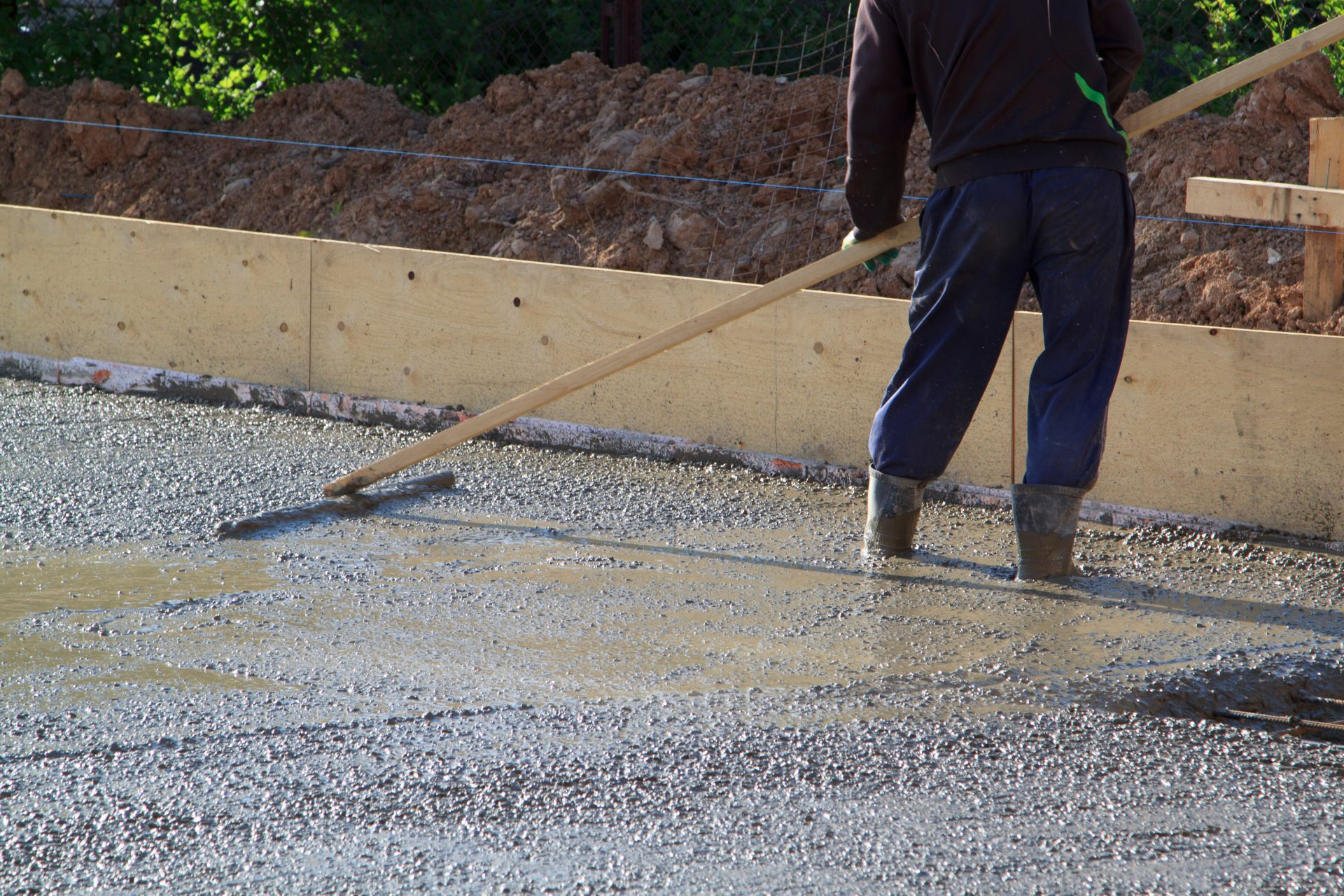
Reducing bleeding requires a combination of proper mix design and suitable admixture technology.
Optimize the Water-Cement Ratio
Avoid adding unnecessary mixing water simply to improve workability.
Instead, use high-performance water reducers to achieve the required flow while maintaining a lower water content.
Use Polycarboxylate Superplasticizers
Modern PCE-based superplasticizers provide excellent water reduction while maintaining slump retention.
Lower water demand directly reduces the amount of free water available for bleeding.
Incorporate a Viscosity Modifying Agent
VMA increases the cohesiveness of fresh concrete, helping suspend fine particles and reducing water separation.
This is particularly beneficial for self-compacting concrete and high-flow concrete.
Improve Aggregate Gradation
A properly graded aggregate system creates a denser particle structure that improves stability and minimizes water migration.
Recommended Admixture Solutions
 Depending on project requirements, the following products can help reduce concrete bleeding:
- Polycarboxylate Superplasticizer (PCE)
- Viscosity Modifying Agent (VMA)
- Air-Entraining Agent
- Shrinkage Reducing Admixture
Selecting the appropriate combination depends on concrete grade, aggregate characteristics, environmental conditions, and construction methods.




Concrete & Beton Tech+
The Role of Expanding Agents in Compensating Shrinkage of Mass Concrete Foundations
Cracking after mass concrete foundation pouring? Thermal shrinkage, drying shrinkage, and autogenous shrinkage combined are the culprits. … Continue reading
Lightweight Aggregate Concrete Lacking Viscosity?
Lightweight aggregate concrete segregation, aggregate floating, pump blockages? The root cause is insufficient viscosity. This article details four practical methods — viscosity modifier dosage (0.02%–0.03%), aggregate pre-wetting, mix optimization, and specialized admixtures — to solve workability problems once and for all… Continue reading
How Does Air-Entraining Agent Affect Concrete Strength?
Each 1% air content reduces concrete strength by 4%–6%. How to balance? This short article gives three practical methods: measure air content, lower w/c, and choose a stable-foam AEA. Direct and actionable… Continue reading
The Three Critical Windows for Concrete Curing
Same mix design, with and without proper curing – 28‑day strength can differ by a whole grade. This article explains hydration mechanisms, three critical curing windows, and practical steps to prevent strength loss and cracking… Continue reading
Which Admixtures Improve Concrete Durability?
Discover which concrete admixtures improve durability, including Polycarboxylate Superplasticizers, Air-Entraining Agents, Corrosion Inhibitors, Waterproofing Admixtures, and Concrete Fibers. Learn how to enhance strength, reduce permeability, and extend service life… Continue reading
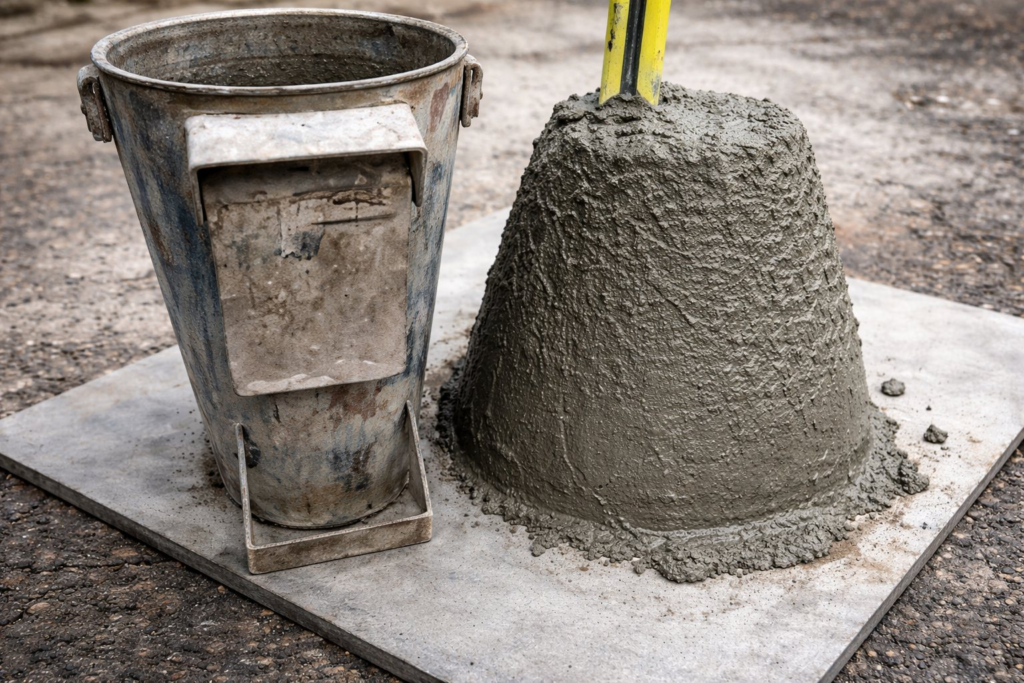
How to Maintain Slump Retention During Long-Distance Transportation
Learn how to maintain concrete slump retention during long-distance transportation by optimizing mix design, selecting the right admixtures, and improving production practices… Continue reading
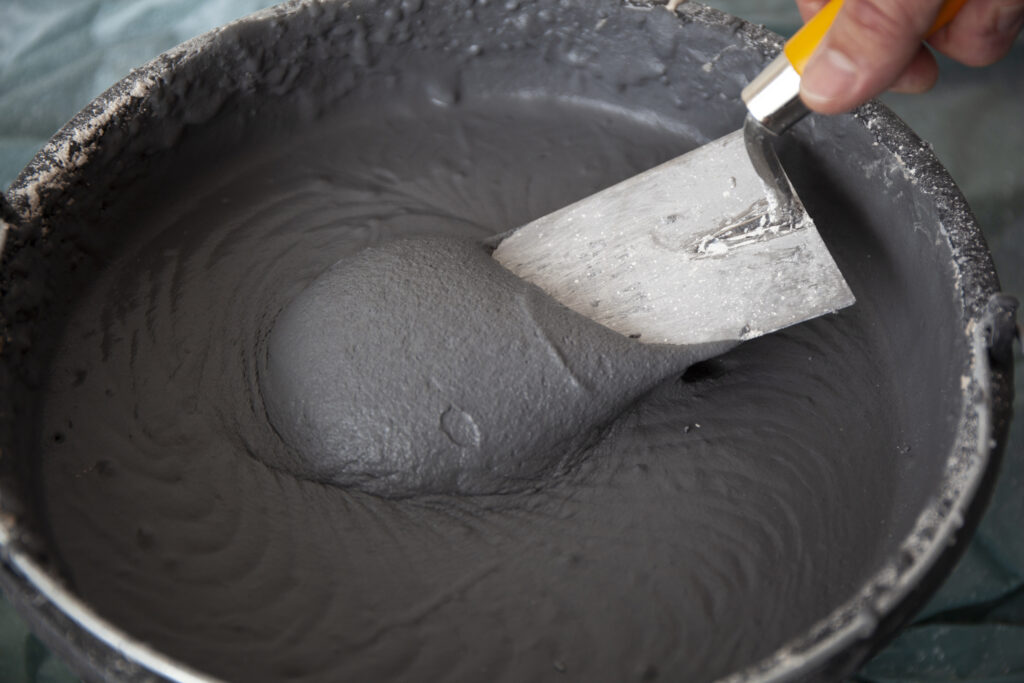
Concrete Admixture Role
This article explains how concrete admixtures improve workability and durability: slump control, setting time adjustment, impermeability enhancement, and solutions for bleeding, segregation, and shrinkage cracks… Continue reading
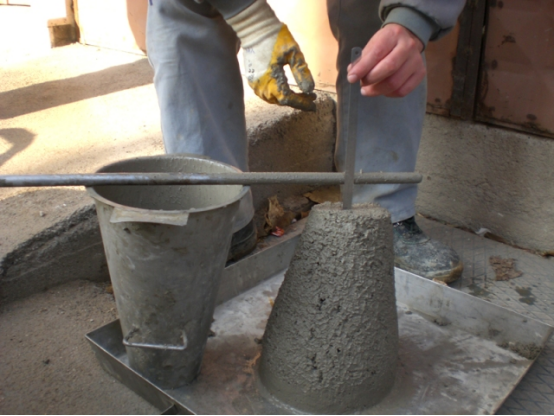
Concrete Slump Loss Causes& Solutions
This article analyzes four main causes of rapid concrete slump loss: high cement reactivity, high temperature, incompatible admixture systems, and long transport time, and provides slump retention solutions including PCE superplasticizers, retarders, and … Continue reading
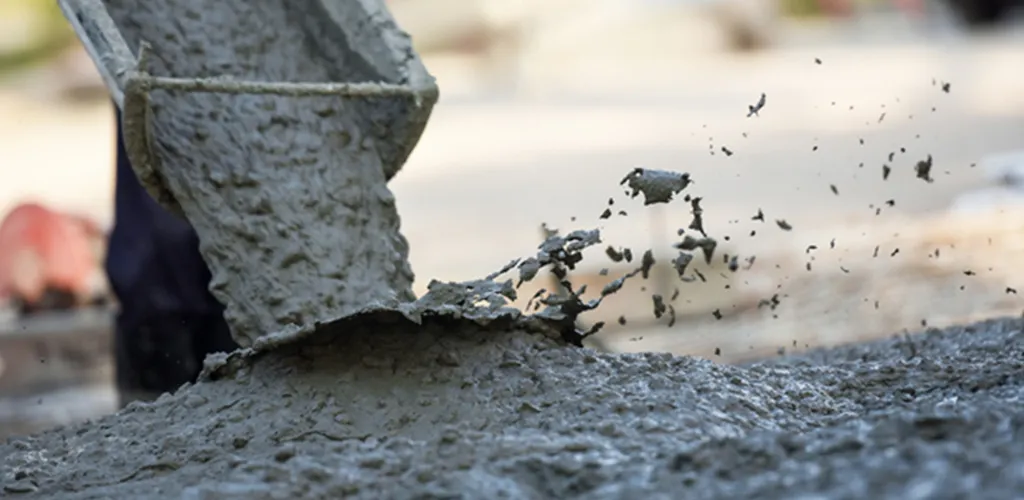
Concrete Admixture Economic Construction
This article explains how concrete admixtures achieve economic construction by reducing cement consumption, lowering energy use, and minimizing construction waste, helping projects cut costs and improve efficiency… Continue reading
Concrete Admixture Precision Design
This article explains how concrete admixtures enable precision design: controlling workability, strength, setting time, and special properties to customize concrete performance on demand… Continue reading
