
Sticky Concrete with Normal Slump: Causes & Solutions
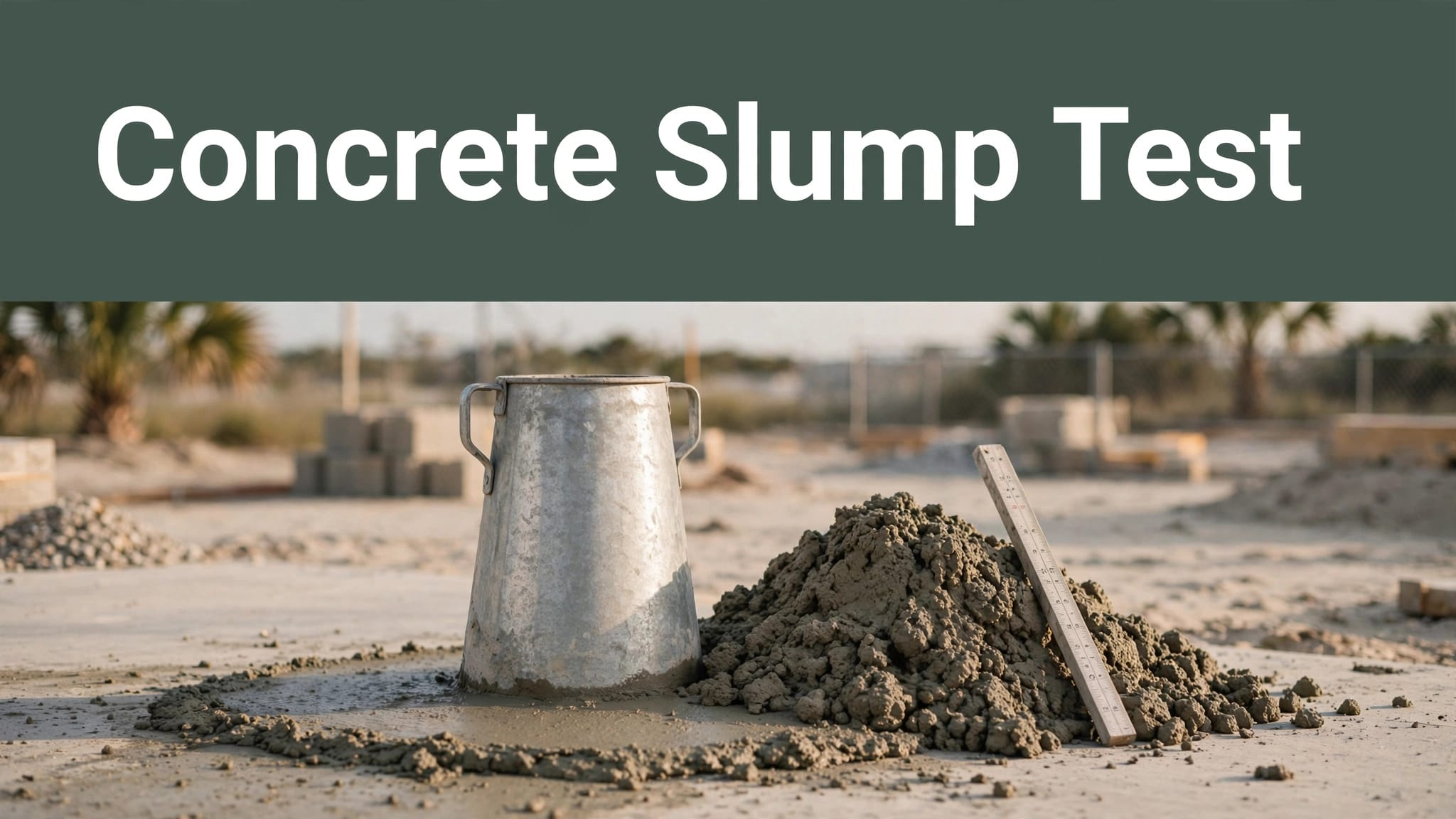
The concrete arrives at the jobsite with an acceptable slump. According to the test result, workability appears normal. But during placement, another problem appears:
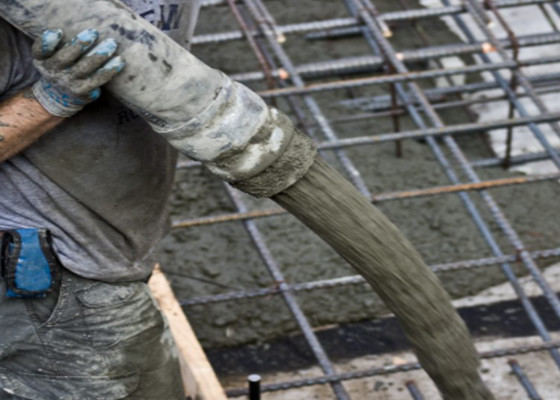
The concrete feels sticky, pumping pressure is high, the mix does not move smoothly through the pipeline, and workers complain that finishing is difficult.
If slump is normal, why is the concrete still difficult to pump?
The reason is simple: slump tells us about concrete consistency, but it does not describe every aspect of fresh-concrete flow behavior. Two concrete mixtures can have a similar slump test result but very different viscosity, cohesiveness, and pumping performance.
1. Normal Slump Does Not Always Mean Good Pumpability
Pumpable concrete needs enough flow to move through the pipeline, but it also needs the correct rheological balance.
If the concrete has very high plastic viscosity, it may deform slowly and create high resistance during pumping even when the measured slump is acceptable.
This is why concrete rheology is important when troubleshooting sticky concrete.
A pumpable mix should be cohesive enough to resist segregation, while still allowing the mortar and paste to move smoothly along the pipe wall.
If the concrete becomes too viscous, pumping resistance increases.
If it becomes too fluid and unstable, segregation or bleeding may occur.
The goal is therefore not simply to achieve a higher slump, but to achieve the correct balance between flowability, viscosity, and stability.
2. Too Many Fine Particles Can Make Concrete Sticky
One of the first factors to check is the amount and type of fine material in the mix.
Possible sources include:
- high cement content;
- excessive supplementary cementitious materials;
- very fine manufactured sand;
- high stone-powder content;
- clay or other harmful fines in sand;
- excessive filler.
Fine particles increase the surface area that must be wetted and dispersed.
When the fine fraction becomes too high, the concrete may require more water or admixture to maintain workability. The mix can then feel heavy and sticky even though the slump remains within specification.
Manufactured sand should receive particular attention because changes in stone powder, particle shape, or clay contamination can noticeably change the fresh-concrete behavior.
If the problem suddenly appears after changing the sand source, check the aggregate before immediately changing the admixture.

3. Check the PCE, Not Only the Dosage
The type and dosage of polycarboxylate superplasticizer can also affect sticky concrete.
A PCE may provide sufficient initial slump but still produce a concrete with undesirable rheology.
Possible situations include:
- strong water reduction but high viscosity;
- poor compatibility with the cement;
- excessive dosage;
- insufficient dispersion of fine particles;
- imbalance between water-reducing and slump-retaining components.
Increasing PCE dosage is therefore not always the correct solution.
If the slump is already acceptable, adding more PCE may increase flow without solving the sticky feeling. In some mixes, it can also increase the risk of segregation or delayed setting.
The better approach is to compare different PCE formulations under the same concrete conditions.
4. Is the VMA Dosage Too High?
A viscosity modifying agent is useful when concrete has poor cohesiveness, segregation, or bleeding.
However, VMA dosage also needs to be balanced carefully.
If the concrete already contains sufficient fines and has good stability, too much viscosity modification can make the mix unnecessarily thick and sticky.
When troubleshooting, ask:
- Was VMA dosage recently increased?
- Has the cement or sand changed?
- Has the powder content increased?
- Is the concrete still showing bleeding or segregation?
- Is the VMA solving an actual stability problem, or simply increasing viscosity?
The correct VMA dosage should provide stability without creating excessive pumping resistance.
In some high-viscosity concrete systems, the required adjustment may actually be to reduce viscosity rather than increase it.
5. Check Aggregate Grading
Concrete pumpability is strongly affected by the relationship between paste, mortar, sand, and coarse aggregate.
Poor aggregate grading can create a mix that requires excessive paste to fill the voids.
Possible warning signs include:
- too much very fine sand;
- insufficient intermediate particle sizes;
- poorly graded coarse aggregate;
- excessive angular particles;
- sudden changes in manufactured-sand quality.
6. A Simple Troubleshooting Comparison
When concrete has normal slump but poor pumpability, do not change several variables at once.
Start with the current mix as the reference.
| Observation | First Factor to Check |
|---|---|
| Normal slump but concrete feels very sticky | Fine particles and plastic viscosity |
| Pump pressure suddenly increases after changing sand | Sand grading and stone powder |
| Sticky behavior appears after increasing VMA | VMA dosage |
| Initial slump is good but concrete becomes sticky during transport | concrete slump loss and temperature |
| Higher PCE dosage improves slump but not pumping | PCE type and rheological balance |
| Concrete pumps poorly and also segregates | Paste volume, aggregate grading, and stability |
7. Do Not Solve Sticky Concrete by Adding Water
Adding water may make the concrete feel easier to handle temporarily, but it changes the designed water-binder ratio.
It may also affect:
- strength;
- bleeding;
- segregation;
- shrinkage;
- durability.
If the concrete repeatedly requires extra water at the jobsite, the problem should be corrected in the mix design or admixture system.
For ready-mixed concrete, it is especially important to reproduce transportation time and temperature during laboratory testing rather than evaluating only the concrete immediately after mixing.
Conclusion
Concrete can have normal slump and still be difficult to pump.
The reason is that slump alone does not fully describe fresh-concrete rheology.
Sticky concrete may result from:
- excessive fine particles;
- manufactured-sand variation;
- unsuitable PCE selection;
- excessive VMA dosage;
- poor aggregate grading;
- high plastic viscosity;
- changes during transportation.
When the slump meets specification but pumpability is poor, avoid simply adding more water or superplasticizer.
Instead, check the complete balance between aggregate grading, powder content, water reducing agent, VMA, and fresh-concrete rheology.
The target is not the highest slump. It is stable concrete that flows, pumps, and finishes efficiently without bleeding or segregation.




Concrete & Beton Tech+
PCE Cement Compatibility: Why Performance Changes
PCE performance can change after switching cement. Learn why water reduction, slump retention, and setting behavior change and how to identify the cause… Continue reading
Why Does Concrete Strength Vary Between Batches?
Learn why concrete strength varies between batches and how to improve consistency through proper water control, raw materials, admixture dosing, mixing, and curing… Continue reading
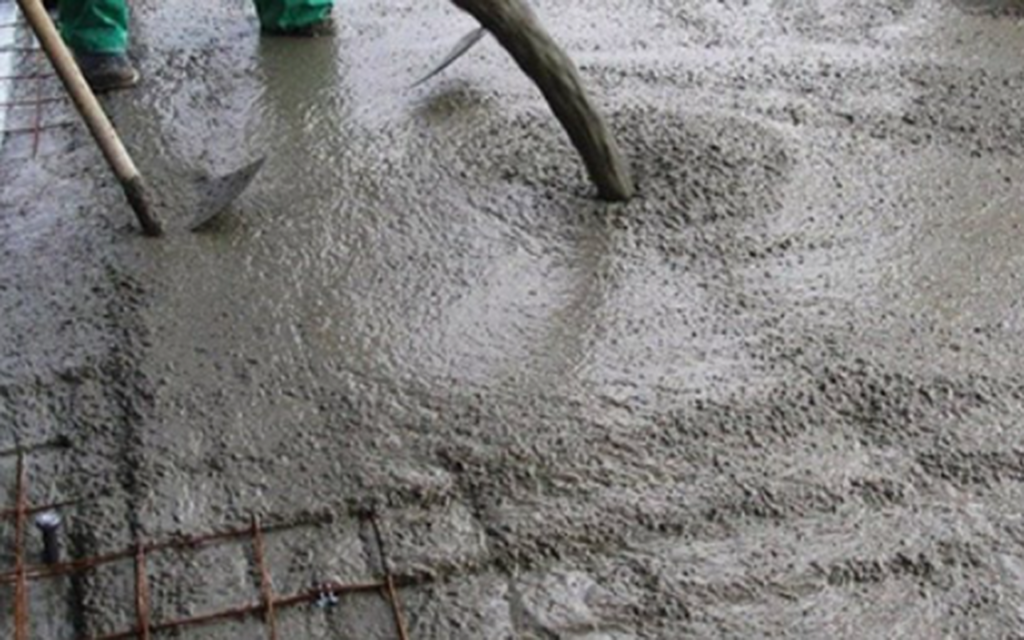
The Role of Expanding Agents in Compensating Shrinkage of Mass Concrete Foundations
Cracking after mass concrete foundation pouring? Thermal shrinkage, drying shrinkage, and autogenous shrinkage combined are the culprits. … Continue reading
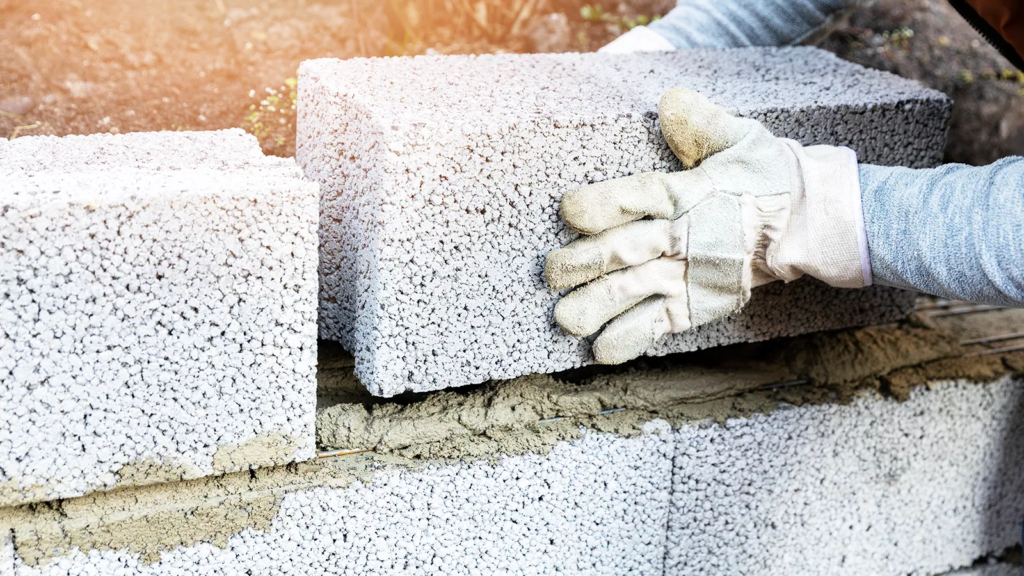
Lightweight Aggregate Concrete Lacking Viscosity?
Lightweight aggregate concrete segregation, aggregate floating, pump blockages? The root cause is insufficient viscosity. This article details four practical methods — viscosity modifier dosage (0.02%–0.03%), aggregate pre-wetting, mix optimization, and specialized admixtures — to solve workability problems once and for all… Continue reading
How Does Air-Entraining Agent Affect Concrete Strength?
Each 1% air content reduces concrete strength by 4%–6%. How to balance? This short article gives three practical methods: measure air content, lower w/c, and choose a stable-foam AEA. Direct and actionable… Continue reading
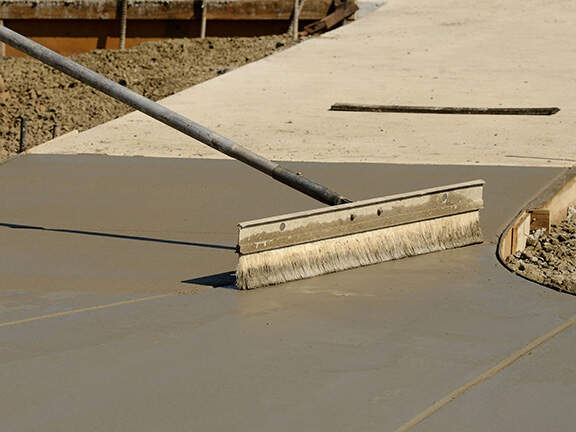
The Three Critical Windows for Concrete Curing
Same mix design, with and without proper curing – 28‑day strength can differ by a whole grade. This article explains hydration mechanisms, three critical curing windows, and practical steps to prevent strength loss and cracking… Continue reading
Which Admixtures Improve Concrete Durability?
Discover which concrete admixtures improve durability, including Polycarboxylate Superplasticizers, Air-Entraining Agents, Corrosion Inhibitors, Waterproofing Admixtures, and Concrete Fibers. Learn how to enhance strength, reduce permeability, and extend service life… Continue reading
How to Maintain Slump Retention During Long-Distance Transportation
Learn how to maintain concrete slump retention during long-distance transportation by optimizing mix design, selecting the right admixtures, and improving production practices… Continue reading
Why Does Concrete Bleeding Occur?
Learn why concrete bleeding occurs, what causes excessive bleeding, and how to reduce it using proper mix design, Polycarboxylate Superplasticizers (PCE), and Viscosity Modifying Agents (VMA)… Continue reading
Concrete Admixture Role
This article explains how concrete admixtures improve workability and durability: slump control, setting time adjustment, impermeability enhancement, and solutions for bleeding, segregation, and shrinkage cracks… Continue reading
