
High Silt Content Issues
1.Impact of High Silt Content on Concrete Properties
1.1 Reduced Strength
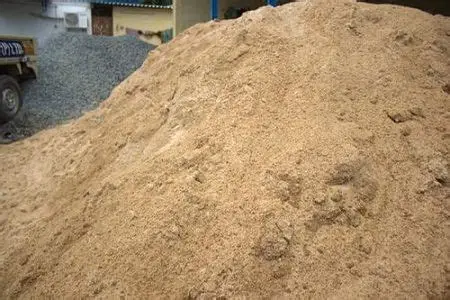
Excessive clay content causes soil particles to coat sand surfaces, hindering cement-aggregate bonding and reducing interfacial strength between cement paste and aggregates. Simultaneously, soil increases concrete’s water demand, disrupting water-cement ratio and indirectly lowering compressive strength.
1.2 Deterioration of Workability
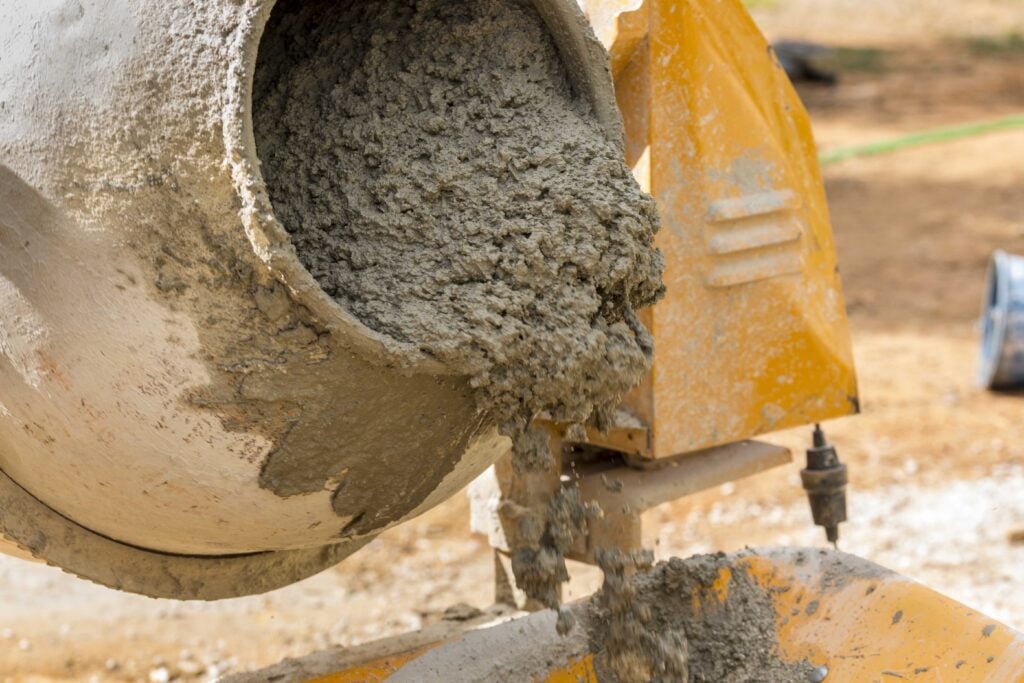
Workability: Soil absorbs water and expands, reducing effective water content and adsorbing superplasticizer molecules, resulting in poorer concrete flowability.
Slump Loss: Requires an additional 10–15% water content, yet accelerates slump loss.
1.3 Risk of Shrinkage and Cracking
The strong water absorption of clay components increases drying shrinkage in concrete, readily inducing cracks.
1.4 Reduced Durability
Water Permeability: High clay content increases concrete porosity, creating pathways for water penetration and reducing impermeability.
Freezing Resistance: Water in pores expands during freeze-thaw cycles ( ), causing internal structural failure.
Reinforcement Corrosion: Soil particles may form conductive pathways, accelerating electrochemical corrosion of reinforcing steel.
2.Systematic Solutions
2.1. Raw Material Control and Pre-Treatment
Screening and Washing to Reduce Silt Content: Wash sand and gravel or use vibrating screens to control silt content below 3% (recommended for C30 and higher concrete grades).
Substitute Materials: Utilize manufactured sand (stone powder content ≤10%) or desalinated sea sand (chloride ion content <0.03%) to reduce reliance on natural sand.
2.2. Dynamic Mix Proportion Adjustment
Cementitious Material Compensation: For every 1% increase in clay content, add an additional 5–8 kg/m³ of cement (ACI 211.1 recommendation).
Water-Binder Ratio Optimization: When clay content is high, reduce the water-binder ratio by 0.02–0.05 to prevent excessive adsorption of free water.
2.3. Construction Process Improvements
Segmented Batching: First add 70% water and aggregate for 30 seconds of pre-mixing, then incorporate cementitious materials and remaining water to minimize clay particle agglomeration.
Dynamic Monitoring: Test slump every 2 hours. When loss exceeds 30%, immediately add 0.1–0.2% additional water-reducing agent.
2.4 Admixture Optimization Techniques
Compound Slow-Release Polycarboxylic Superplasticizer: Employ a “polycarboxylic + slow-release slump-retaining component” (e.g., hydroxycarboxylate) to prolong dispersion duration. For example, by rationally blending our polycarboxylic superplasticizers PCE156L + PCE155L + PCE157L, adding high-quality retarders SG100 or TCD98 and sodium metabisulfite, and supplementing with premium air-entraining agent Finish200, slump can be maintained without loss for 2-3 hours.
Related Products




PCE Cement Compatibility: Why Performance Changes
PCE performance can change after switching cement. Learn why water reduction, slump retention, and setting behavior change and how to identify the cause… Continue reading
Why Does Concrete Strength Vary Between Batches?
Learn why concrete strength varies between batches and how to improve consistency through proper water control, raw materials, admixture dosing, mixing, and curing… Continue reading
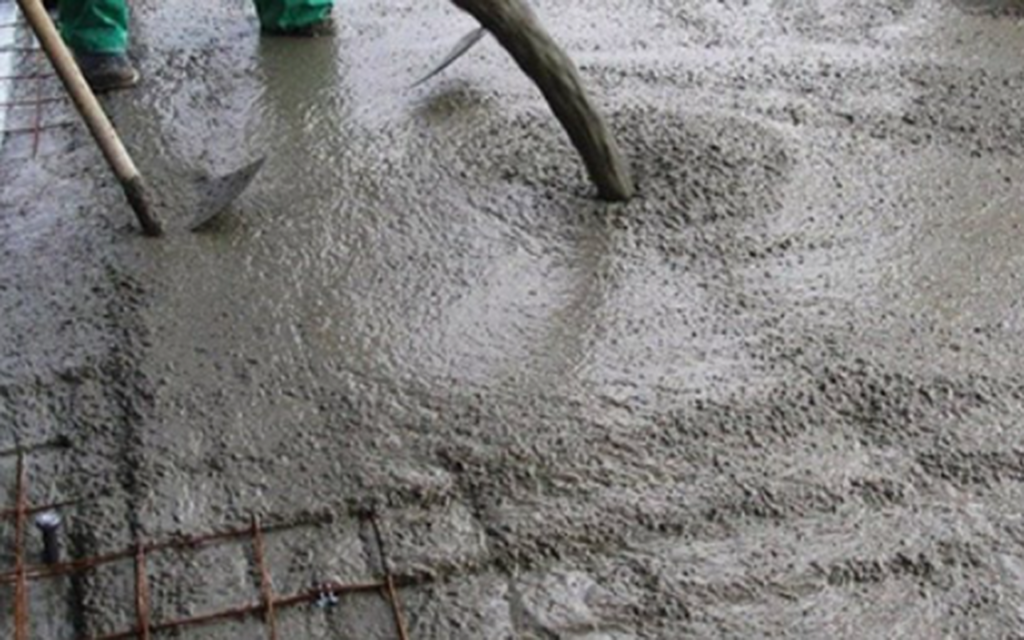
The Role of Expanding Agents in Compensating Shrinkage of Mass Concrete Foundations
Cracking after mass concrete foundation pouring? Thermal shrinkage, drying shrinkage, and autogenous shrinkage combined are the culprits. … Continue reading
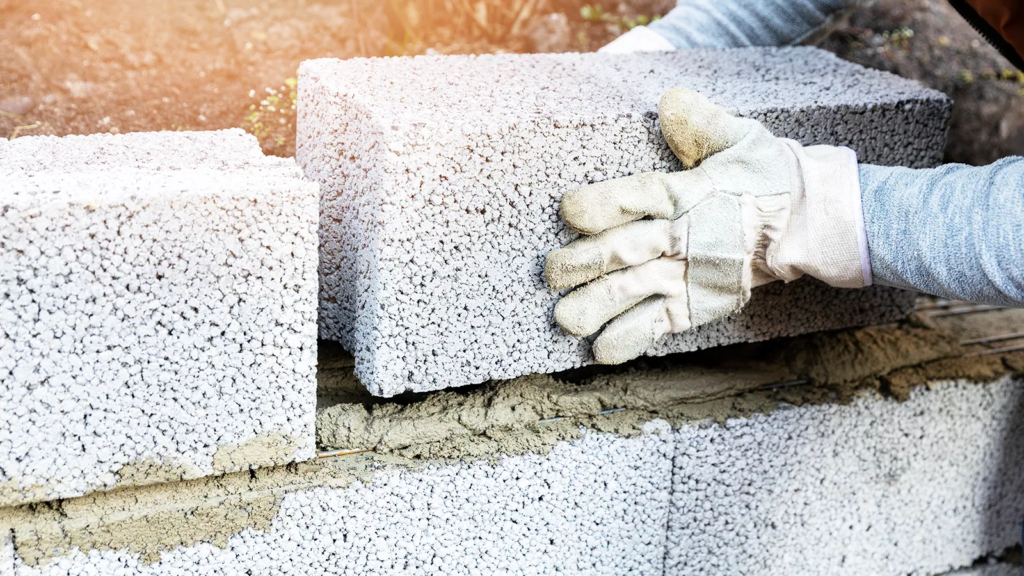
Lightweight Aggregate Concrete Lacking Viscosity?
Lightweight aggregate concrete segregation, aggregate floating, pump blockages? The root cause is insufficient viscosity. This article details four practical methods — viscosity modifier dosage (0.02%–0.03%), aggregate pre-wetting, mix optimization, and specialized admixtures — to solve workability problems once and for all… Continue reading
How Does Air-Entraining Agent Affect Concrete Strength?
Each 1% air content reduces concrete strength by 4%–6%. How to balance? This short article gives three practical methods: measure air content, lower w/c, and choose a stable-foam AEA. Direct and actionable… Continue reading
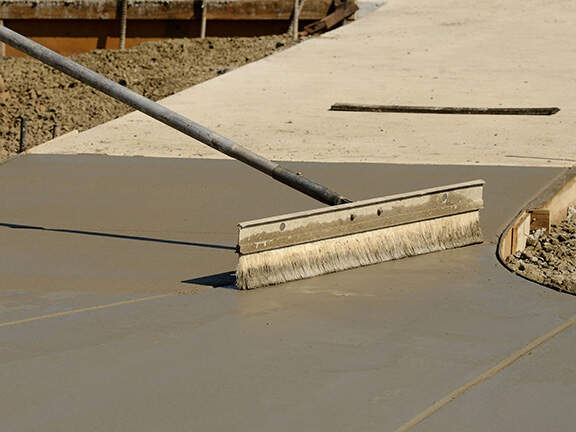
The Three Critical Windows for Concrete Curing
Same mix design, with and without proper curing – 28‑day strength can differ by a whole grade. This article explains hydration mechanisms, three critical curing windows, and practical steps to prevent strength loss and cracking… Continue reading
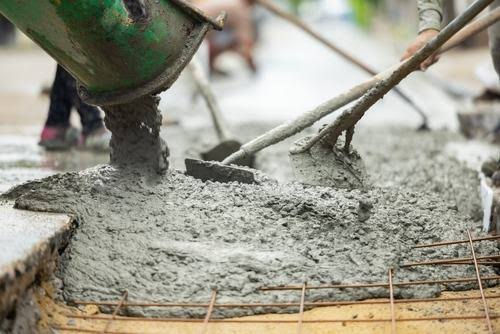
Which Admixtures Improve Concrete Durability?
Discover which concrete admixtures improve durability, including Polycarboxylate Superplasticizers, Air-Entraining Agents, Corrosion Inhibitors, Waterproofing Admixtures, and Concrete Fibers. Learn how to enhance strength, reduce permeability, and extend service life… Continue reading
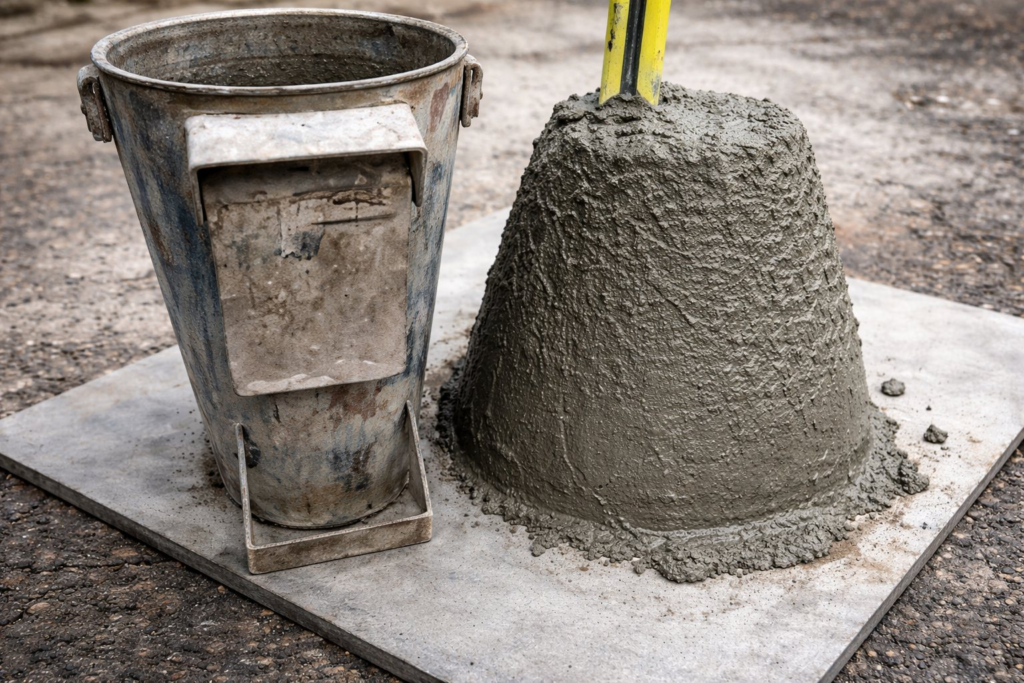
How to Maintain Slump Retention During Long-Distance Transportation
Learn how to maintain concrete slump retention during long-distance transportation by optimizing mix design, selecting the right admixtures, and improving production practices… Continue reading
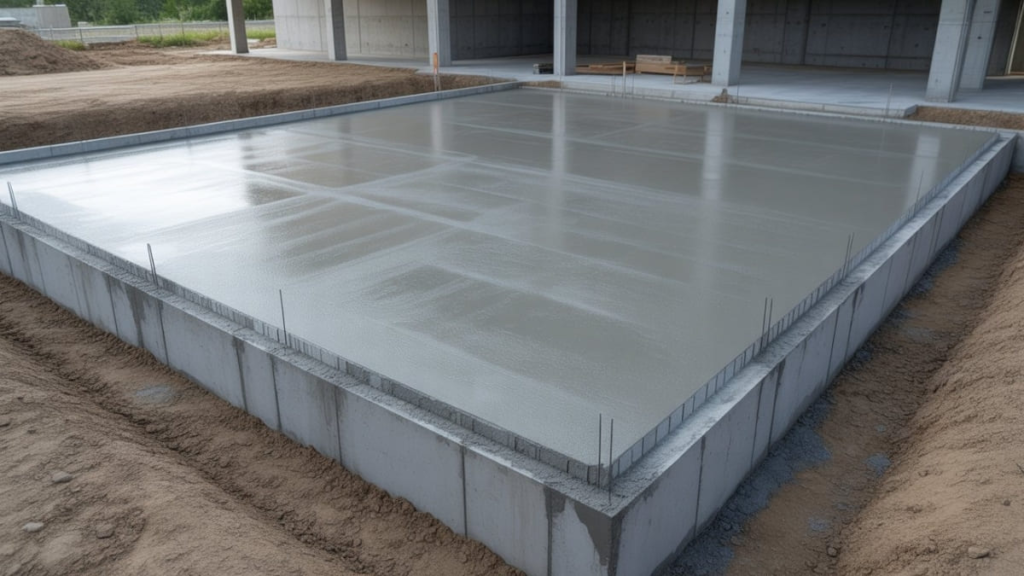
Why Does Concrete Bleeding Occur?
Learn why concrete bleeding occurs, what causes excessive bleeding, and how to reduce it using proper mix design, Polycarboxylate Superplasticizers (PCE), and Viscosity Modifying Agents (VMA)… Continue reading
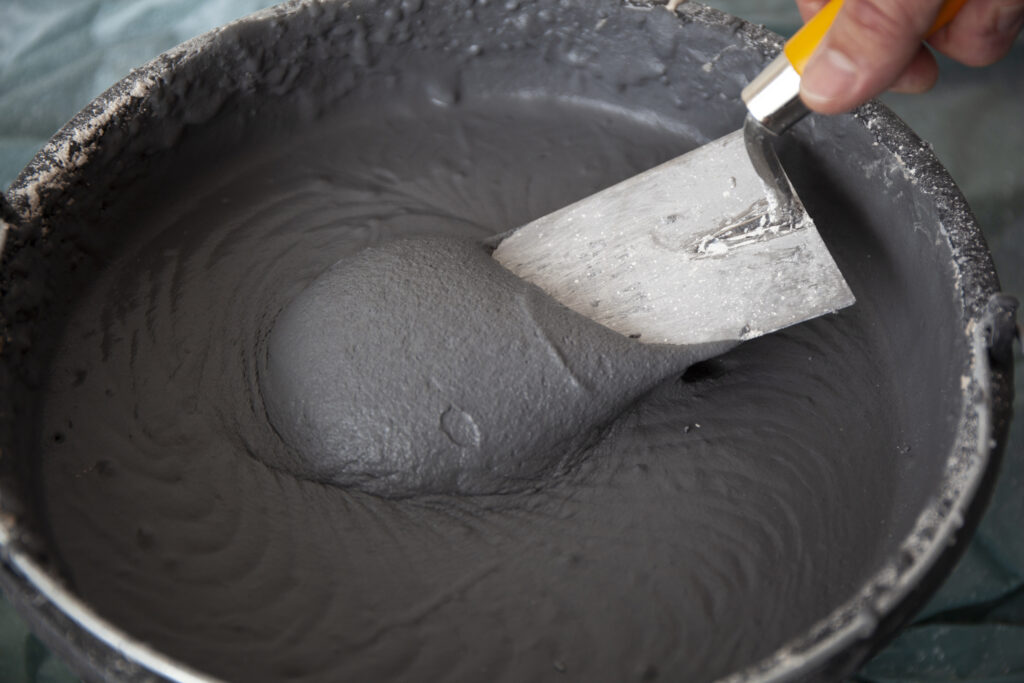
Concrete Admixture Role
This article explains how concrete admixtures improve workability and durability: slump control, setting time adjustment, impermeability enhancement, and solutions for bleeding, segregation, and shrinkage cracks… Continue reading
