
Cosmetic Raw Materials Classification
This guide provides a systematic overview of common cosmetic raw materials categorized by their primary functions. From foundational oils and functional additives to active ingredients, plant extracts, and pH adjusters, understanding these categories helps clarify the roles different components play in product texture, stability, efficacy, and skin feel.
1. Basic Oils
- Oils: Most common raw material, providing lubrication and moisturization for skin and hair.
-
Silicone Oil: Common oil-based ingredient providing absorbency and moisturizing effects.
-
Oleyl Alcohol: Refined oil used as stabilizer in emulsifiers.
2. Functional Additives
-
Pasting Agents: Mild surfactants used for conditioning, anti-dandruff, and increasing product consistency.
-
Emulsifiers: Key additives enabling oil and water mixing, enhancing stability.
-
Surfactants: Compounds forming films at oil-water interfaces for degreasing and cleansing.
-
Binders: Increase product consistency, mostly water-soluble.
-
Powder Additives: Provide consistency, gloss, or improve absorbency.
3. Active Ingredients
-
Antioxidants: Combat free radical damage to skin.
-
Whitening Agents: Inhibit melanin formation, lighten spots, brighten complexion.
-
Moisturizers: Absorb and lock in moisture.
-
Nourishing Ingredients: Lubricate skin, prevent dryness or over-degreasing.
-
Low Molecular Weight Ingredients: Easily absorbed, common in serums.
-
Sunscreen Agents: SPF-containing ingredients protecting against UV damage.
4. Actives and Adsorbents
-
Activated Carbon: Adsorbs impurities, detoxifies; used in cleansing and deep-cleansing products.
-
Dolomite: Good adsorption properties, used in cleansing products.
5. pH Adjustment and Anti-Irritants
-
Acidifiers: Create acidic environment, aid antibacterial protection, maintain natural pH.
-
Anti-allergy Ingredients: Help reduce allergic reactions.
-
Anti-acne Ingredients: Reduce acne count and promote metabolism.
6. Plant Extracts and Care Ingredients
-
Herbal Ingredients: Common in natural cosmetics, providing various botanical benefits.
-
Calcium: Soothing and catalytic effects, used in soothing formulations.
-
Chamomile Oil: Calms and soothes inflammatory discomfort.
-
Hyaluronic Acid: Moisturizes, reduces fine lines.
-
Mint: Soothes and anti-inflammatory, used for sensitive skin and acne.
-
Raisin Extract: Antioxidant and anti-inflammatory properties, improves skin elasticity and radiance.
-
Grapefruit: Helps reduce inflammation.
-
Cucumber: Hydrates and soothes, used in cleansing and moisturizing products.
-
Salicylic Acid: Deeply exfoliates dead skin, unclogs pores, helps control acne.
Cellulose Ether Tech+

Why Microcrystalline Cellulose Is Widely Used in Tablet Manufacturing?
Learn why Microcrystalline Cellulose (MCC) is widely used in tablet manufacturing and how its compressibility and binding properties support direct compression… Continue reading

How Does Cellulose Ether Improve Makeup Longevity?
Makeup not lasting long enough? Cellulose ether is a natural-derived film-forming solution. How to choose between EC, HEC, and HPMC? This article breaks down their applications in lip gloss, foundation, and setting spray… Continue reading

How CMC Makes Ice Cream Creamier with Fewer Ice Crystals?
This article explains four key roles of Sodium Carboxymethyl Cellulose (CMC) in ice cream: preventing ice crystal growth, increasing viscosity, improving mouthfeel, and preventing fat separation, with SIDLEYCHEM food grade CMC solutions… Continue reading

How Polyanionic Cellulose (PAC) Improves Water-Based Drilling Fluids
Learn how Polyanionic Cellulose (PAC) improves water-based drilling fluids by controlling fluid loss, enhancing borehole stability, and optimizing drilling performance in oil and gas operations… Continue reading

Sodium Carboxymethyl Cellulose in Toothpaste
Discover why Sodium Carboxymethyl Cellulose (CMC) is widely used in toothpaste. Learn how CMC improves consistency, stability, spreadability, and overall oral care product performance… Continue reading
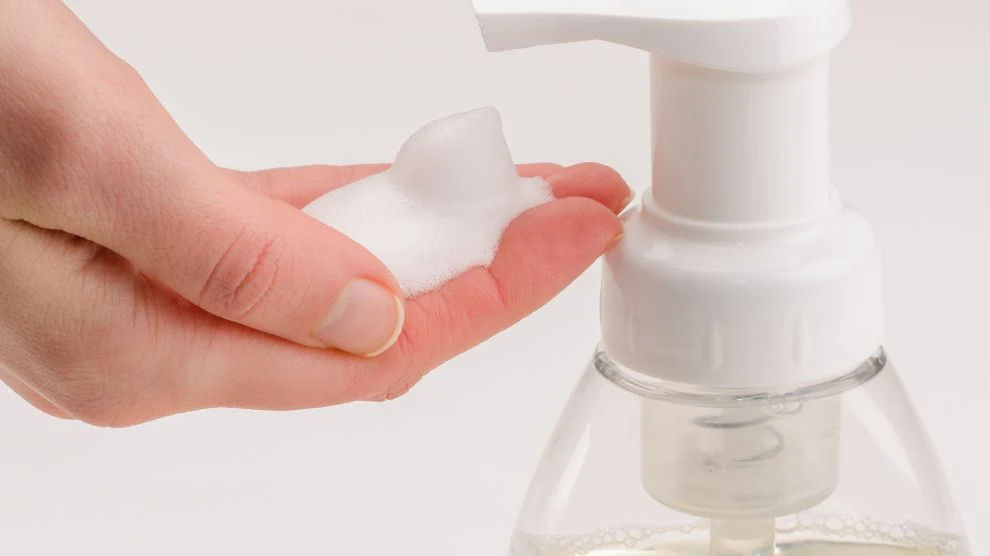
HEC in hand soap
Hydroxyethyl Cellulose (HEC) improves foam stability in hand soap by increasing viscosity, stabilizing foam structure, and enhancing texture, delivering a richer and longer-lasting washing experience… Continue reading

HEC for liquid detergent
Hydroxyethyl Cellulose (HEC) is widely used in liquid detergents due to its excellent thickening performance, surfactant compatibility, and stable rheology, improving product stability and user experience… Continue reading

Choosing the Right Cellulose Ether for Detergent Manufacturing
This guide provides a complete framework for selecting cellulose ethers in detergent manufacturing: comparing HEC vs. CMC performance, selection factors, and combination strategies, with SIDLEYCHEM customized product solutions… Continue reading

Oilfield Grade CMC Application
This article details the multifunctional applications of oilfield grade CMC in drilling, cementing, and fracturing fluids, including fluid loss reduction, viscosity enhancement, proppant transport, and guar gum replacement, with LVT/HVT and ultra-high viscosity specifications… Continue reading

PAC Drilling Fluid Application
This article details oilfield grade PAC applications in drilling fluid solids control, performance regulation, and system stabilization, with PAC-LV/HV specifications… Continue reading
