
PCE synthesis procedure
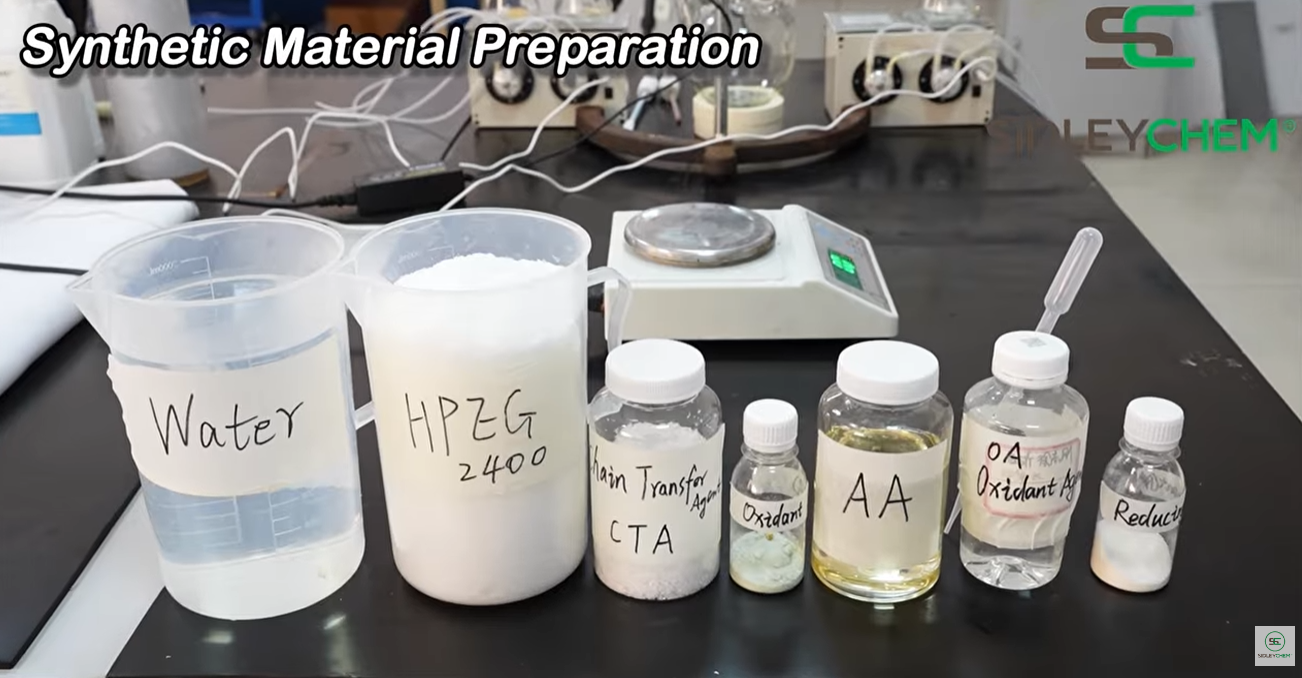
Polycarboxylic Superplasticizer (PCE) is widely used as a high-performance water reducer in concrete admixtures. The following article presents a practical laboratory-scale synthesis procedure, reflecting real experimental steps and commonly used raw materials such as Water, HPEG2400, Chain Transfer Agents, Oxidant, AA, OA (Oxidant Agent), and Reducing Agent. This technical overview is suitable for construction chemical manufacturers and suppliers seeking a clear and reliable synthesis workflow.
1. Raw Materials Used in the Synthesis
The laboratory synthesis of PCE involves the following materials:
-
Water
-
HPEG2400 (polyether macromonomer)
-
Chain Transfer Agents
-
Oxidant
-
AA (Acrylic Acid)
-
OA (Oxidant Agent)
-
Reducing Agent
These materials are weighed according to the required formulation before the reaction begins.
2. Preparation of Solutions A, B, and C
-
Before polymerization, three solutions are prepared separately:
-
Solution A: AA + Water
-
Solution B: OA + Water
-
Solution C: Reducing Agent + Water
Each solution is stirred until fully dissolved, ensuring accurate concentration for controlled polymerization.
-
3. Equipment Setup
The reaction kettle and all auxiliary equipment are prepared in advance. Stirring, temperature control, dosing pumps, and protective systems are checked to ensure stable operation throughout the process.
4. Feeding Sequence and Polymerization Procedure
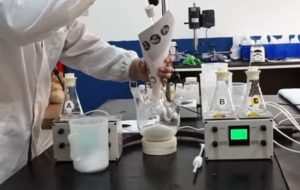 After solutions A, B, and C are fully prepared, the following feeding sequence is used:
-
Add HPEG2400, Water, Chain Transfer Agents, and Oxidant into the reactor.
-
Set the dropwise-addition time for A, B, and C according to the required reaction profile.
-
Add the small-volume materials (white measuring cups).
-
Wait 10 minutes, then begin dropwise addition of Solution A.
-
After 5 minutes, start simultaneous dropwise addition of Solutions B and C.
-
The whole reaction lasts 50–70 minutes.
-
During feeding, monitor temperature and color changes, and record key observations.
When all raw materials have been added, the polymerization process is complete.
5. Completion of PCE Mother Liquor
 After the reaction finishes, the mixture is stirred until uniform. At this stage, the PCE mother liquor is successfully synthesized and can be filtered or adjusted depending on downstream application requirements.




Concrete & Beton Tech+

Sticky Concrete with Normal Slump: Causes & Solutions
Concrete can have normal slump but still feel sticky and difficult to pump. Learn how fines, PCE, VMA, aggregate grading, and rheology affect pumpability… Continue reading
PCE Cement Compatibility: Why Performance Changes
PCE performance can change after switching cement. Learn why water reduction, slump retention, and setting behavior change and how to identify the cause… Continue reading
Why Does Concrete Strength Vary Between Batches?
Learn why concrete strength varies between batches and how to improve consistency through proper water control, raw materials, admixture dosing, mixing, and curing… Continue reading
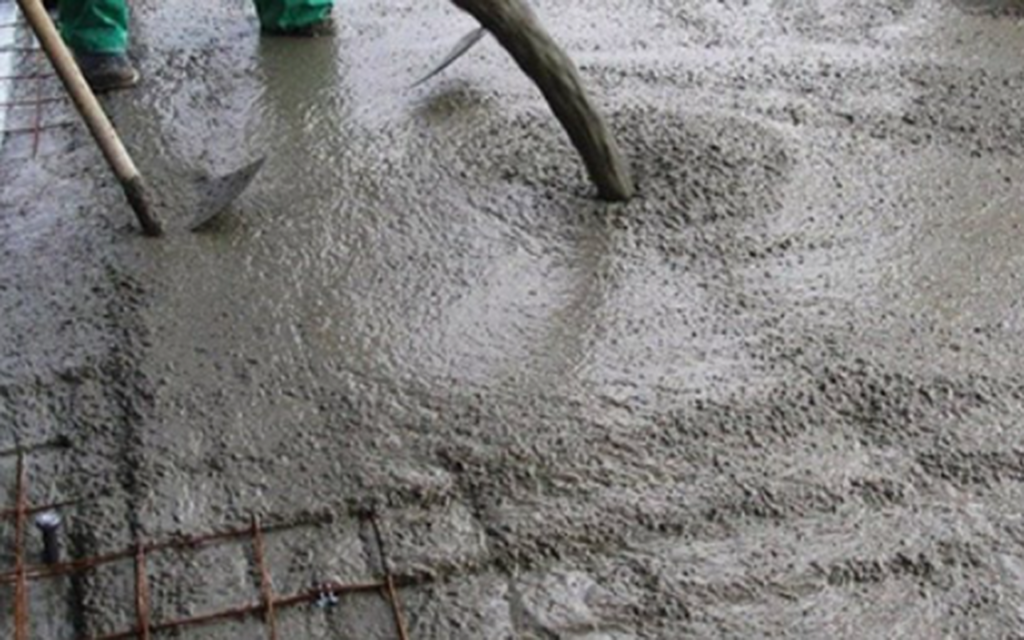
The Role of Expanding Agents in Compensating Shrinkage of Mass Concrete Foundations
Cracking after mass concrete foundation pouring? Thermal shrinkage, drying shrinkage, and autogenous shrinkage combined are the culprits. … Continue reading
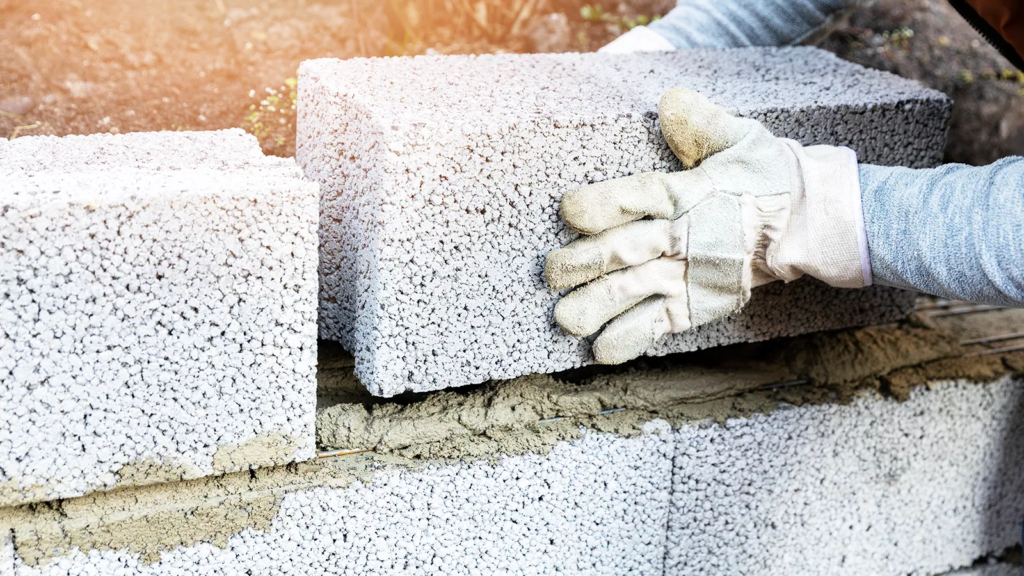
Lightweight Aggregate Concrete Lacking Viscosity?
Lightweight aggregate concrete segregation, aggregate floating, pump blockages? The root cause is insufficient viscosity. This article details four practical methods — viscosity modifier dosage (0.02%–0.03%), aggregate pre-wetting, mix optimization, and specialized admixtures — to solve workability problems once and for all… Continue reading
How Does Air-Entraining Agent Affect Concrete Strength?
Each 1% air content reduces concrete strength by 4%–6%. How to balance? This short article gives three practical methods: measure air content, lower w/c, and choose a stable-foam AEA. Direct and actionable… Continue reading
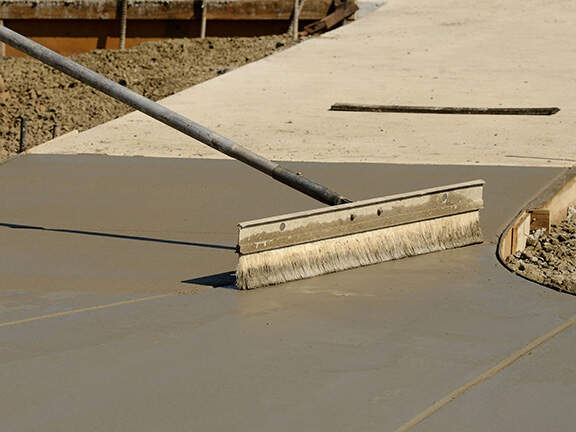
The Three Critical Windows for Concrete Curing
Same mix design, with and without proper curing – 28‑day strength can differ by a whole grade. This article explains hydration mechanisms, three critical curing windows, and practical steps to prevent strength loss and cracking… Continue reading
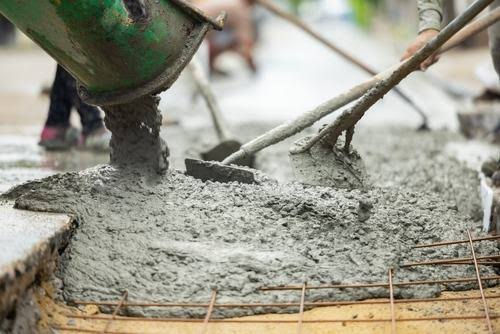
Which Admixtures Improve Concrete Durability?
Discover which concrete admixtures improve durability, including Polycarboxylate Superplasticizers, Air-Entraining Agents, Corrosion Inhibitors, Waterproofing Admixtures, and Concrete Fibers. Learn how to enhance strength, reduce permeability, and extend service life… Continue reading
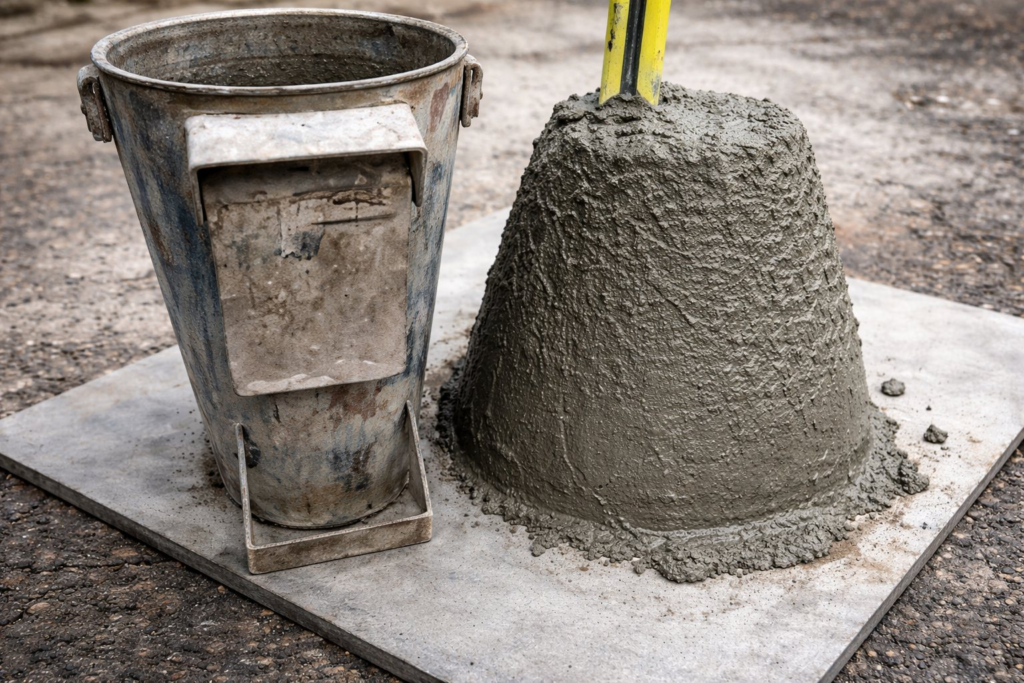
How to Maintain Slump Retention During Long-Distance Transportation
Learn how to maintain concrete slump retention during long-distance transportation by optimizing mix design, selecting the right admixtures, and improving production practices… Continue reading
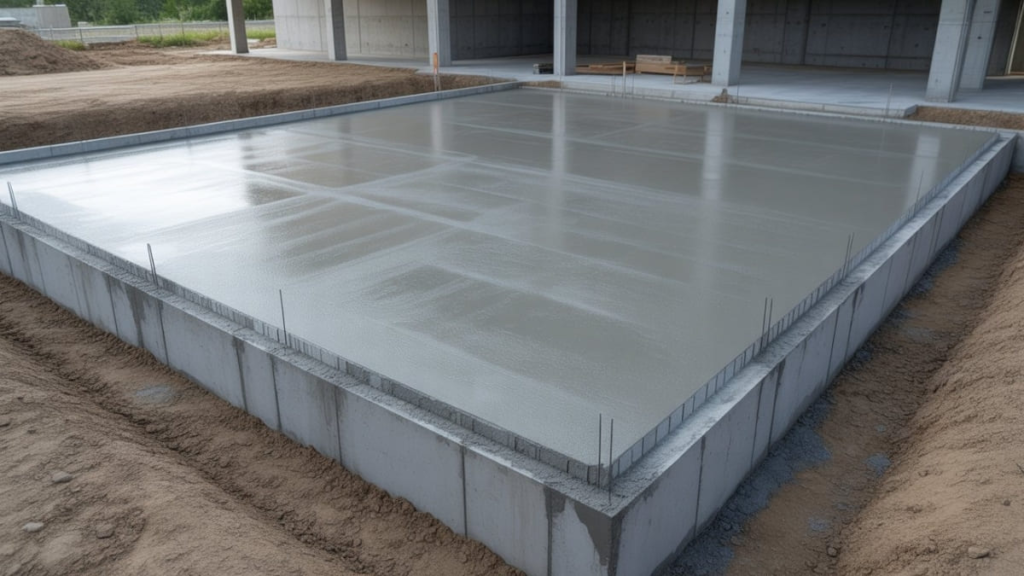
Why Does Concrete Bleeding Occur?
Learn why concrete bleeding occurs, what causes excessive bleeding, and how to reduce it using proper mix design, Polycarboxylate Superplasticizers (PCE), and Viscosity Modifying Agents (VMA)… Continue reading
