Coating Grde Cellulose Ethers

01 Overview

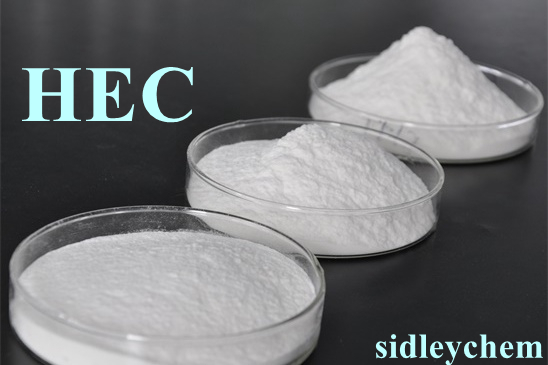
HEC (Hydroxyethyl Cellulose) is a non-ionic, water-soluble cellulose ether widely used as a rheology modifier in water-based coatings. It is derived from natural cellulose and provides viscosity control, stabilization, and improved application performance.

02 Hydroxyethyl Cellulose

HEC is a non-ionic, water-soluble cellulose ether derived from natural cellulose by introducing hydroxyethyl groups. It is one of the most widely used rheology modifiers in water-based systems, especially in coatings and construction chemicals.

Key Characteristics

  • Non-ionic polymer → excellent compatibility with most raw materials
  • Highly water-soluble → forms clear, stable solutions
  • Strong thickening ability → effective at low dosage
  • Good stability against pH changes and electrolytes
  • Provides smooth rheology and good flow behavior

Main Functions in Coatings

  • Thickening: increases viscosity and controls application properties
  • Rheology control: improves leveling and anti-sagging performance
  • Stabilization: prevents pigment and filler sedimentation
  • Improved workability: enhances brushing, rolling, and spraying feel
  • Water retention: helps uniform film formation during drying
03 Questions & Answers

  1. 1
    What is the main function of HEC in coatings?

    HEC mainly works as:

    • Thickener – increases viscosity of the paint system
    • Rheology modifier – improves flow and leveling behavior
    • Stabilizer – prevents pigment and filler sedimentation
    • Application aid – improves brushing, rolling, and spraying performance
  2. 2
    Why is HEC popular in water-based paints?

    Because it provides a good balance of:

    • Easy dispersion in water
    • Stable viscosity development
    • Smooth surface finish
    • Good compatibility with latex and pigments
    • Cost-effectiveness
  3. 3
    How does HEC compare with synthetic thickeners?

    Compared to synthetic rheology modifiers:

    • HEC is more natural and cost-effective
    • Provides smoother flow and good compatibility
    • Synthetic thickeners may offer stronger shear-thinning or anti-sagging
  4. 4
    What are common problems when using HEC?

    Possible issues include:

    • Poor dispersion if not properly added
    • Fish-eyes or lumps during mixing
    • Over-thickening at high dosage
    • Reduced leveling if overdosed

    Proper dispersion technique is critical.

  5. 5
    How should HEC be added in coatings?

    Best practice:

    • Pre-disperse in water under agitation
    • Avoid direct dumping into high-viscosity systems
    • Allow full hydration time for viscosity development

04 Product Videos