
Why Does Exterior Wall Coating Show White Streaks After Rain?
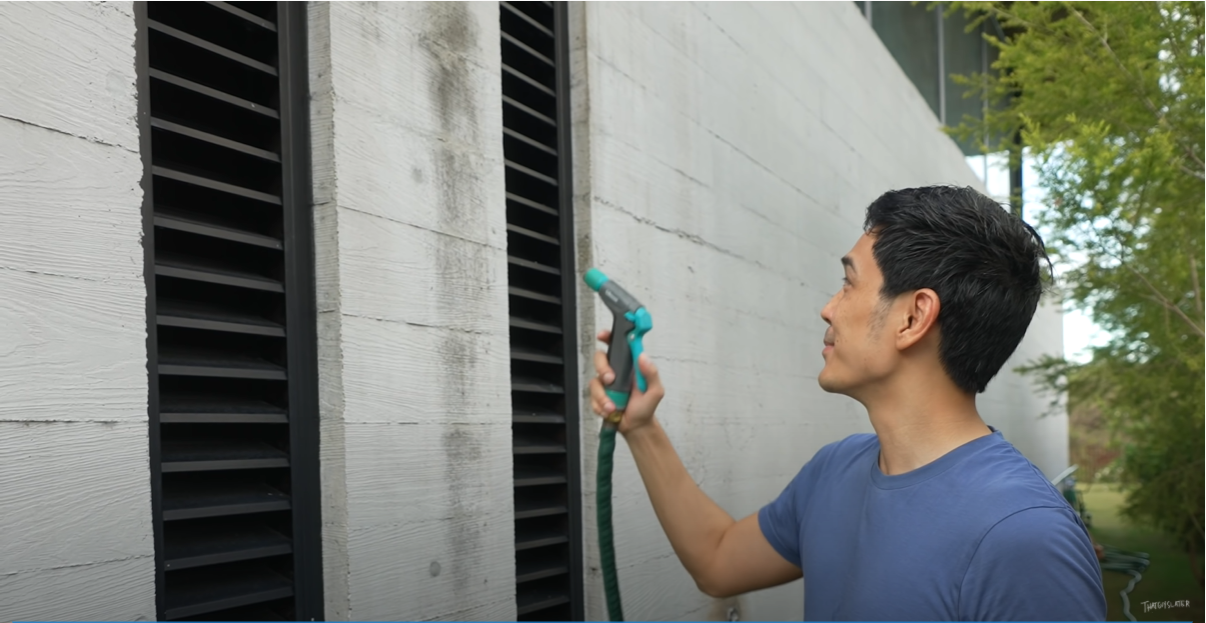
A freshly applied exterior wall coating, and after one rain, white vertical streaks appear all over the wall — this is one of the most common coating defects in the industry. The industry calls it “rain marks,” and internationally it‘s known as “snail trails”. It’s especially noticeable on dark-colored coatings and severely compromises the building‘s appearance.
How Do Rain Marks Actually Form?
Rain marks are essentially water-soluble components being washed out of the coating by rainwater. Water-based coatings contain large amounts of surfactants — from emulsions, wetting agents, dispersants, defoamers, thickeners, and color pastes. Most of these components are hydrophilic.
When it rains, water dissolves the hydrophilic components in the film and carries them down the wall. The areas where water flows leave behind shiny or white trails — like giving the wall an “uneven clear coat”.
What Are the Main Types of Rain Marks?
-
Leaching rain marks (shiny spots) — Water-soluble substances in the film are leached out by rain and accumulate on the surface, leaving shiny streaks. Occurs shortly after application (one week to one month) when light rain hits.
-
Water-whitening rain marks — Color becomes lighter or white after rain washing, creating streaky color differences.
-
Efflorescence rain marks (calcium spots) — Rainwater penetrates the substrate, bringing alkaline substances from cement and lime to the surface, forming white crystals. This is the “efflorescence” phenomenon.
-
Dirt rain marks — After prolonged pollutant adsorption, rain washing creates uneven light and dark streaks.
How to Solve Rain Marks Through Formulation?
-
Choose the right emulsion — Emulsion is the core factor. Soap-free emulsion performs best, silicone-acrylic is second, styrene-acrylic third, pure acrylic worst, elastomeric relatively poor. Among similar emulsions, fewer emulsifiers mean better water resistance and rain mark resistance.
-
Choose the right wetting agent and dispersant — Stronger water sensitivity leads to easier rain marks. Choose low water-sensitivity wetting agents with dosage below 0.4%; hydrophobically modified dispersants perform best, followed by ammonium salt types; sodium salt types are worst. Hydrophobic acrylic ammonium salt dispersants are recommended for improved water resistance and rain mark resistance.
-
Control color pastes — Iron oxide inorganic color pastes have less impact, organic color pastes have greater impact, carbon black is the worst — keep dosage within 2%; other organic color pastes below 4%.
-
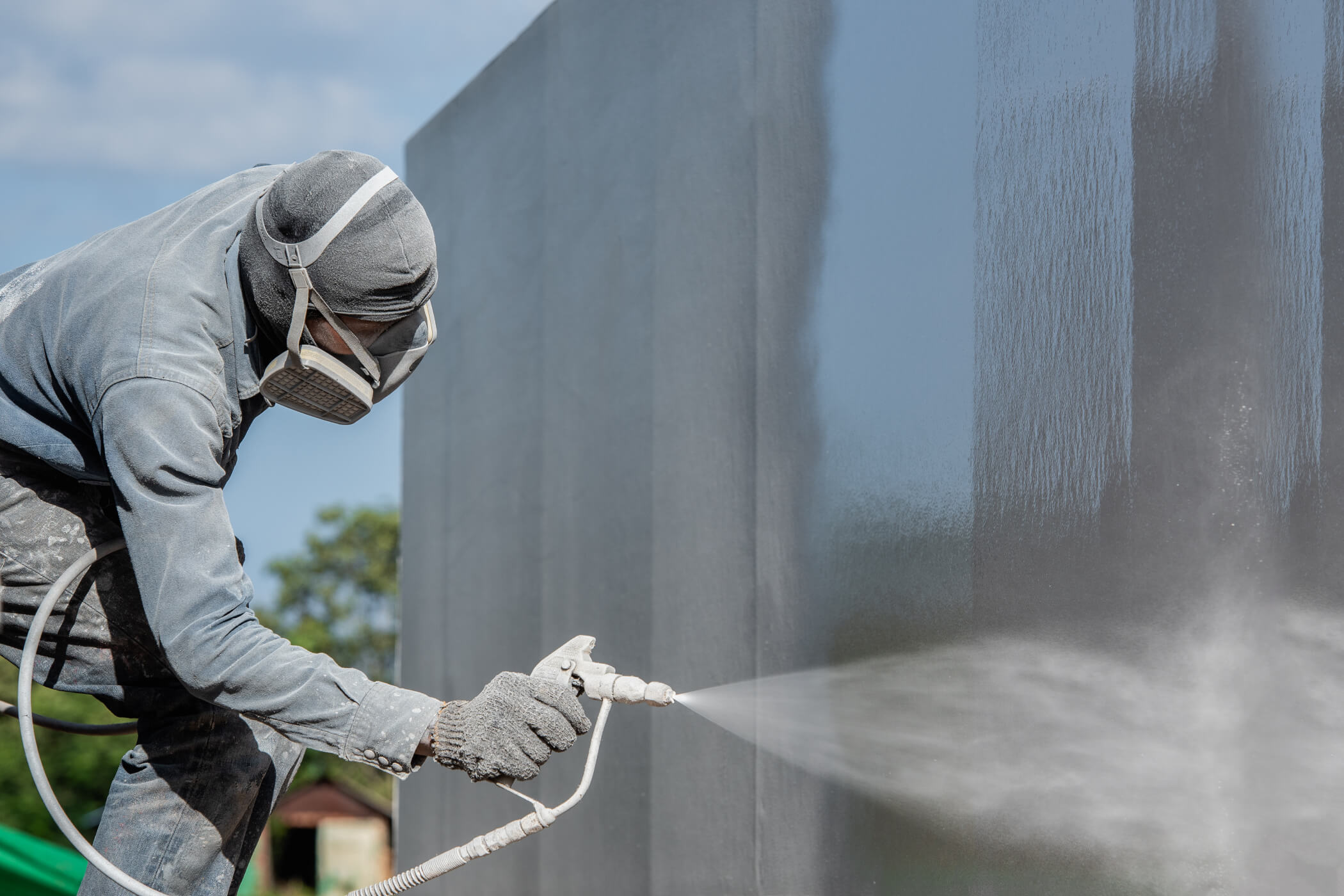
Apply clear topcoat — A clear topcoat with excellent water resistance can essentially prevent rain marks. If the clear coat is not fully cured before rain, water penetrates the putty and substrate; when weather clears, moisture brings alkaline substances to the surface.
What to Watch in Construction?
-
Ensure sufficient drying time before rain exposure
-
Avoid construction right before or after rain
-
Ensure substrate moisture content is below 8%
-
Control substrate pH below 10; pH 8 is ideal
-
Perform proper waterproofing and fully cure the substrate
-
Use high-quality alkali-resistant sealing primer
Summary
White streaks on exterior wall coatings after rain ultimately come down to water-soluble components being washed out by rainwater. Remember:
-
Choose soap-free or silicone-acrylic emulsions — fewer emulsifiers mean better water resistance
-
Use hydrophobic wetting agents and dispersants — stronger water sensitivity means worse rain marks
-
Prefer inorganic color pastes — control carbon black and organic paste dosages
-
Don‘t skip topcoat and primer — alkali-resistant primer plus waterproof topcoat for double protection
Coatings Tech+
Why Does Orange Peel Occur in Coatings?
Learn why orange peel occurs in coatings and how to prevent it. Discover how viscosity, atomization, surface tension, drying conditions, and coating additives affect leveling and surface appearance… Continue reading
Coating Storage Separation — The Role of Thickeners in Anti-Settling
Coating storage separation is the most common quality headache for manufacturers. Water separation, emulsion separation, and hard settling have different causes and solutions. … Continue reading
Why Does Coating Lose Adhesion?
Learn the common causes of coating adhesion failure and discover practical solutions to improve coating adhesion through proper surface preparation, formulation optimization, and coating additives… Continue reading
How to Improve Storage Stability of Water-Based Coatings?
Learn how to improve the storage stability of water-based coatings by optimizing formulation design, rheology modifiers, dispersants, preservatives, and production processes. Discover practical solutions to reduce sedimentation, viscosity changes, and phase separation… Continue reading
Wetting agent for water based coatings
Learn how wetting agents improve coating performance by enhancing substrate wetting, pigment dispersion, and film leveling. Discover their role in water-based coating formulations and how proper selection helps reduce coating defects… Continue reading
Water-based coatings foam control
Foam formation is a common issue in water-based coatings. This article explains the causes of foam and how to control it using defoamers, formulation design, and production optimization to improve coating quality and stability… Continue reading
