
Tile adhesive is a specialised bonding material formulated with cement as its base, incorporating high-molecular polymers (such as polypropylene fibres or Redispersible Dispersible Polymer Powder), fillers (such as quartz sand), and additives (such as cellulose ethers or starch ethers). It is designed for the installation of ceramic tiles, stone, or mosaic.
Through chemical and physical interactions, tile adhesive forms a high-strength bonding layer. It is suitable for both wall and floor tiling applications, particularly for low-water-absorption tiles such as porcelain tiles and polished tiles.
TILE ADHESIVE
01What is tile adhesive?
02Standard and Formula
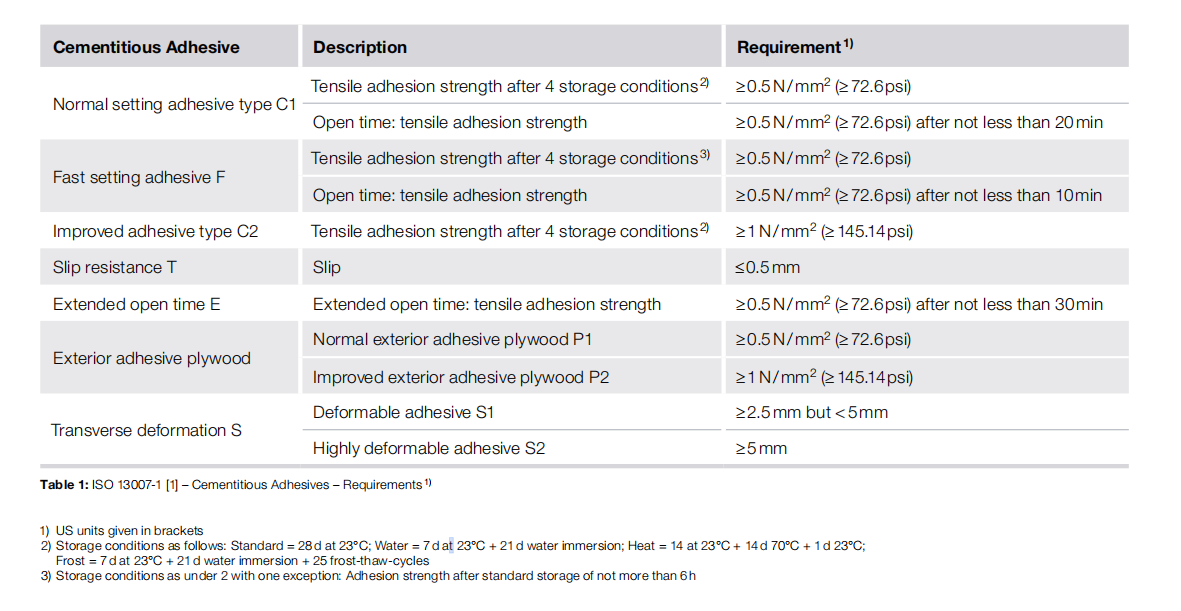
International standards for tile adhesives primarily include European Standard EN12004 and American Standard ANSI A118.1–4. These standards systematically test and classify tile adhesives according to their bonding strength, water resistance, freeze-thaw resistance, and workability.
Based on the EN standards the global standard ISO 13007 was implemented in 2005. The basic requirements were adopted from the European norms EN 12004 and EN 12002 . The long term goal of the International Standards Organization is the establishment of homogenized terminology and technical requirements which are adhered to by adhesive manufacturers around the world.
This standard imposes stringent requirements on the physical properties, chemical stability, and environmental adaptability of tile adhesives, such as:
- Bond strength must remain stable after immersion in water
- Heat resistance must maintain strength without degradation after 168 hours at 70°C
03Additives
SIDLEY’s additives deliver exceptional performance in tile adhesive applications. For tile adhesive: Cellulose ethers provide outstanding water retention performance and extended open time; offers excellent flexibility and strength alongside water repellency; Starch ethers deliver superior thickening and Sag resistance. We assist clients in resolving diverse tile adhesive challenges and provide tailored solutions.
Drymortar Tech+
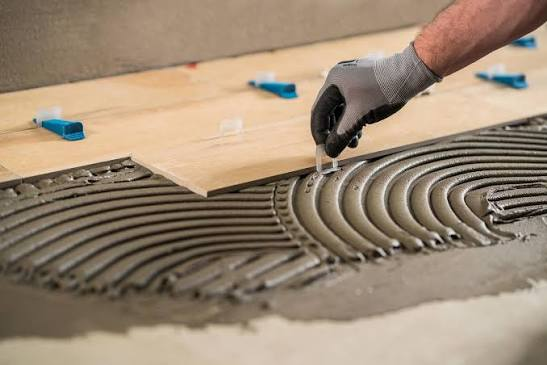
Tile Adhesive Slipping After Adding HPMC: Causes & Fixes
Tile adhesive can still slip even after increasing HPMC. Learn how HPMC grade, water demand, starch ether, thixotropy, and formulation balance affect slip resistance… Continue reading
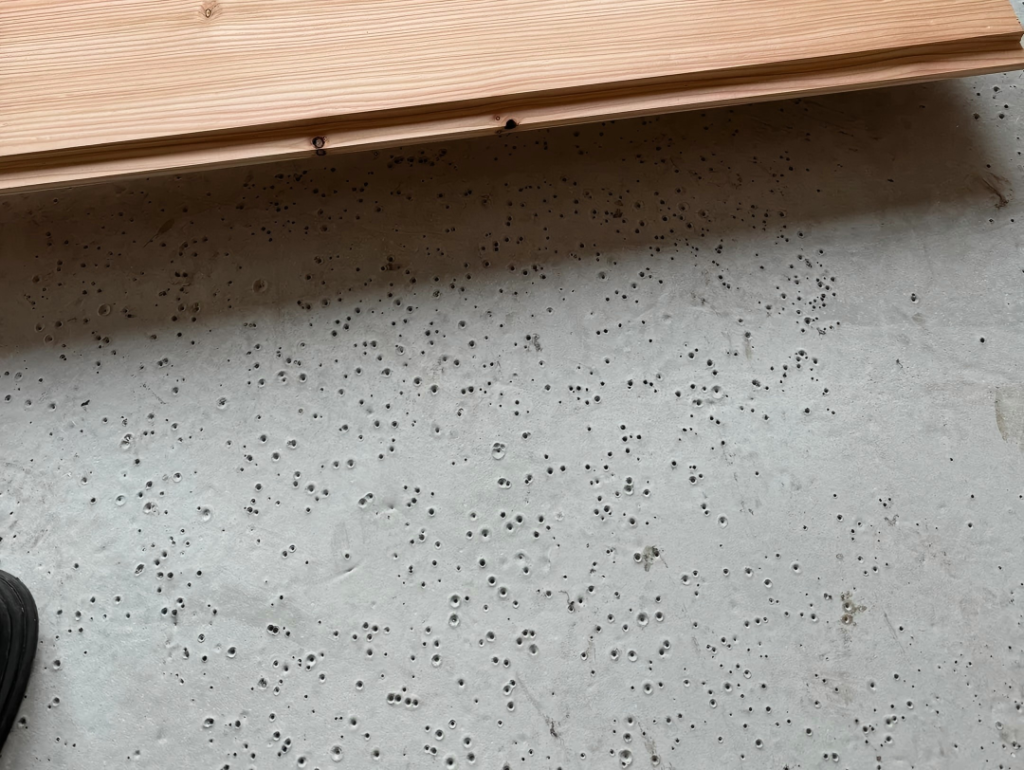
Pinholes in Self-Leveling Mortar: Defoamer, Mixing, or Substrate?
Pinholes in self-leveling mortar are not always caused by insufficient defoamer. This guide explains how to distinguish formulation foam, mixing-induced air, substrate outgassing, and insufficient healing time through a simple three-surface comparison test and practical corrective actions… Continue reading
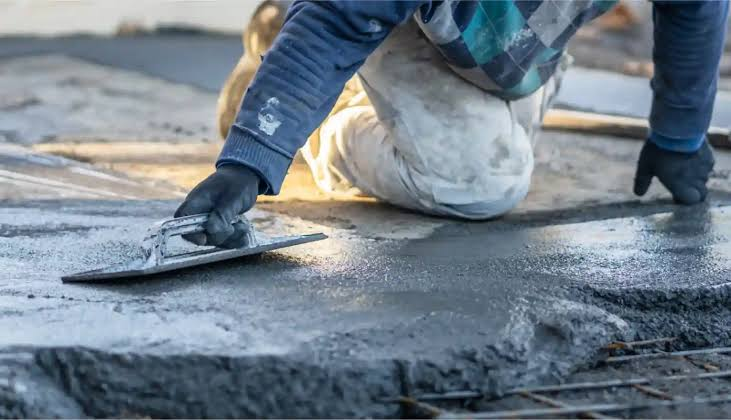
Why Does Dry Mortar Have Poor Water Retention?
Learn why dry mortar has poor water retention and how HPMC and MHEC can improve water retention, workability, and cement hydration in dry-mix mortar… Continue reading
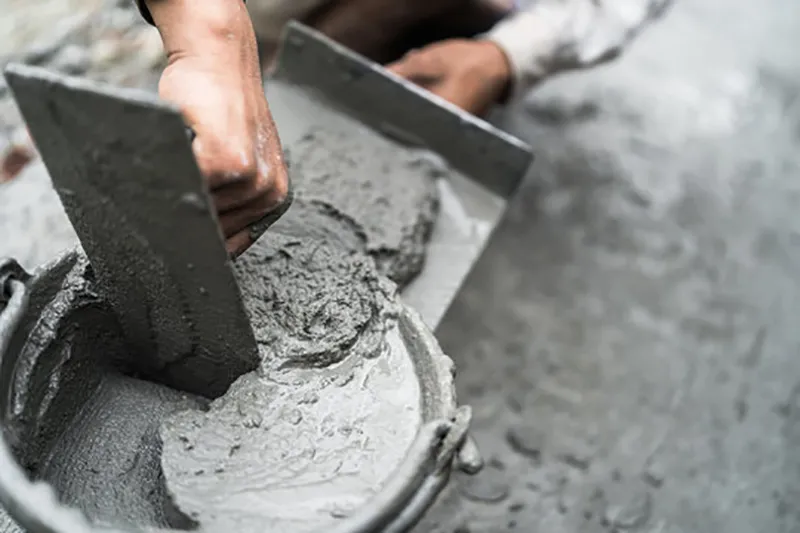
Dry-Mix Mortar Summer Formulation Adjustment
Why does the same formulation fail in summer? The key is cellulose ether. High temperatures cause ordinary HPMC water retention to drop sharply — increase dosage by 0.1%-0.2%, switch to high gel temperature grades, and combine with retarders. This article gives three practical adjustment directions to tackle summer construction challenges… Continue reading
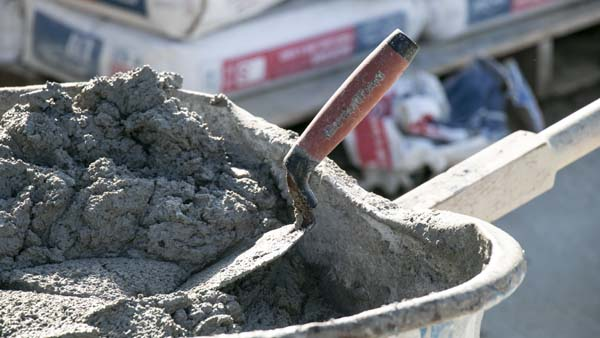
Mortar Setting Too Fast in Summer Heat?
Mortar drying out in half an hour on summer job sites? High-temperature accelerated hydration is the culprit. This article breaks down the features and selection of sodium gluconate, citric acid, tartaric acid, and boric acid retarders, with dosage adjustment and blending strategies to tackle summer construction challenges… Continue reading
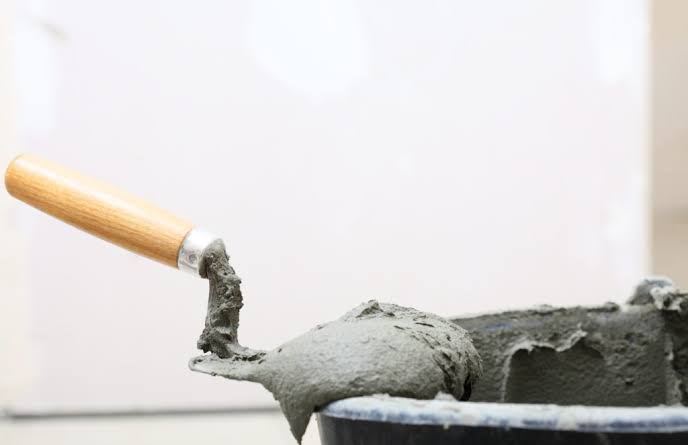
Why Does Dry Mix Mortar Cake During Storage?
Discover why dry mix mortar cakes during storage and transportation. Learn how moisture, packaging, raw materials, and formulation affect storage stability, and explore practical solutions to maintain product quality… Continue reading
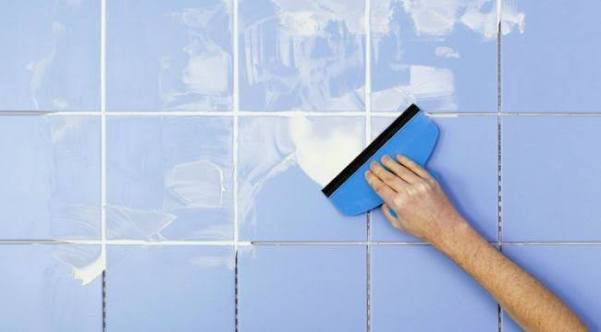
Why Does Tile Grout Change Color After Curing?
Discover the most common causes of tile grout color inconsistency after curing and learn practical solutions through proper formulation, pigment selection, moisture control, and construction practices… Continue reading
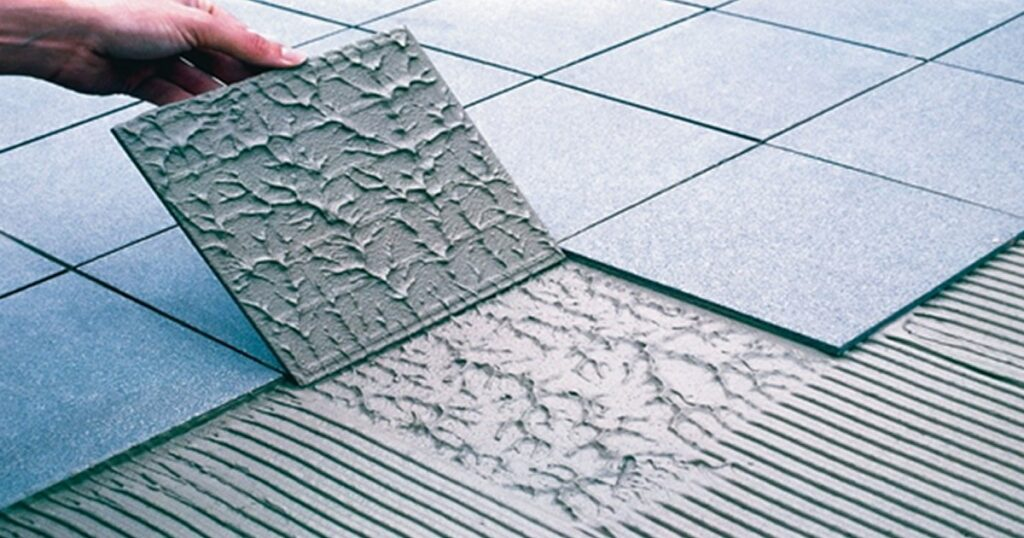
Tile adhesive bond strength
Learn the most common reasons why tile adhesive loses bond strength and discover practical solutions through proper formulation, additive selection, substrate preparation, and construction practices… Continue reading
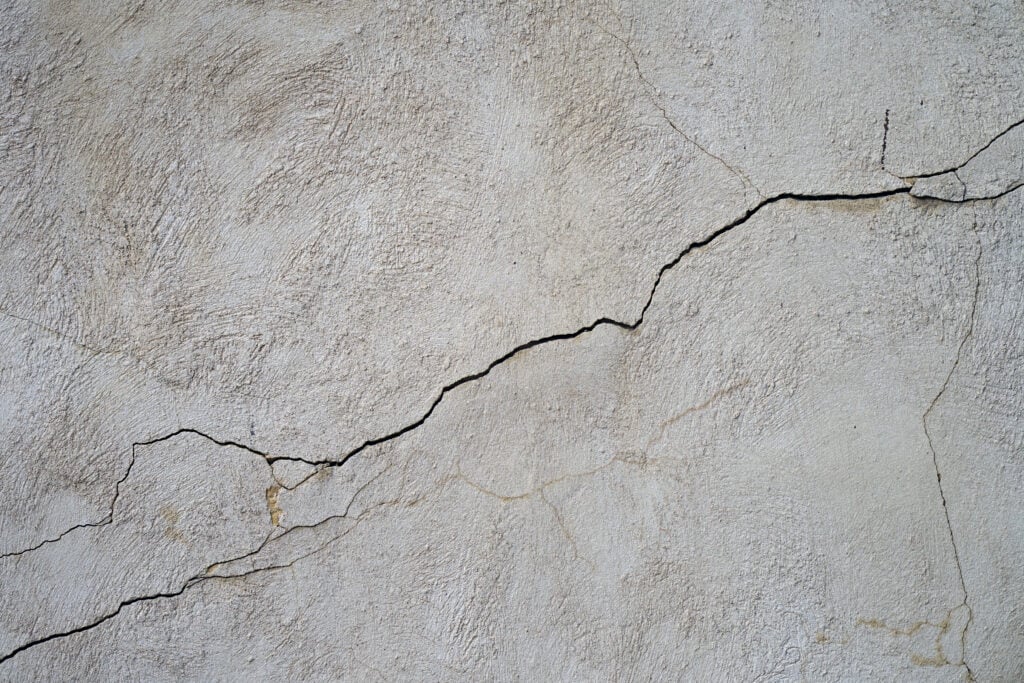
Gypsum Mortar Shrinkage: Causes and How to Prevent Cracks
Understand the main causes of gypsum mortar shrinkage and learn how to prevent cracks using HPMC, gypsum retarder, and proper formulation and construction practices… Continue reading
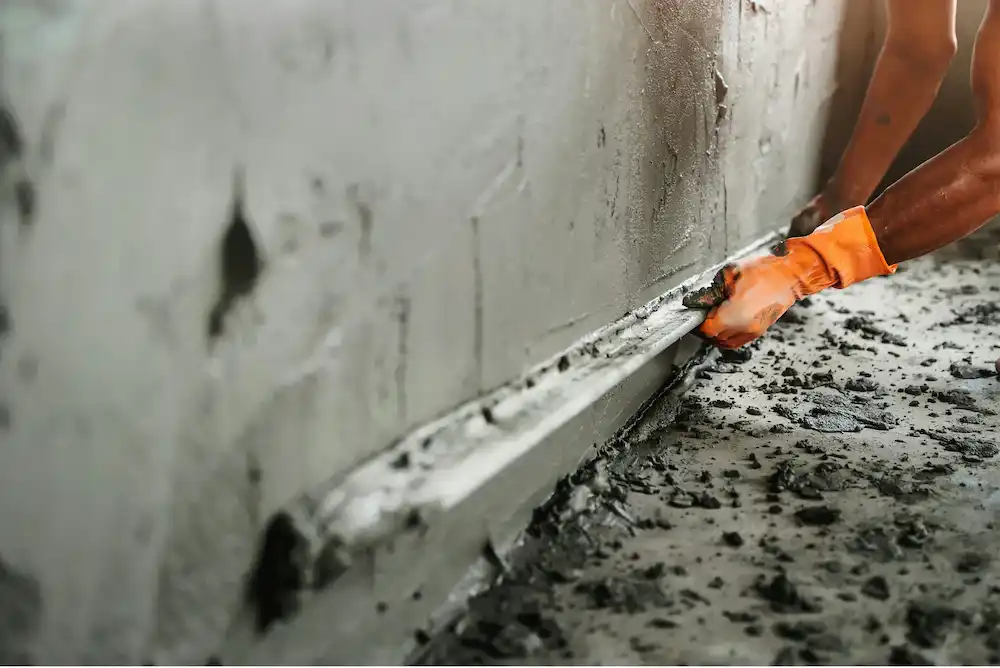
gypsum mortar water retention
Learn practical ways to enhance the water retention of gypsum mortar using HPMC, starch ether, and proper mixing techniques to improve workability and reduce cracks… Continue reading