Wetting agent for water based coatings
In water-based coating formulations, achieving a smooth, uniform, and defect-free film depends on more than just pigments and binders. One of the most important additive groups is the wetting agent.
Wetting agents help coatings spread evenly across substrates, improve pigment dispersion, and reduce surface defects. Without proper wetting, coatings may suffer from poor adhesion, cratering, floating pigments, or uneven appearance.
This article explains how wetting agents work, why they are essential in modern coating formulations, and what factors should be considered when selecting them.
What Is a Wetting Agent?
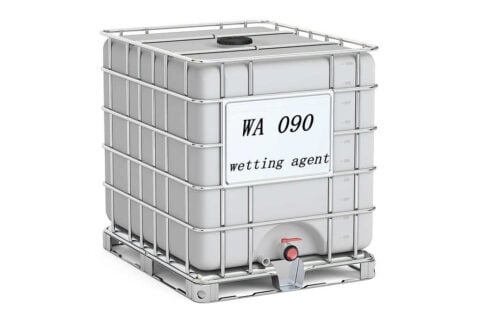
A wetting agent is a surface-active additive that reduces the surface tension of a coating system. Lower surface tension allows the liquid coating to spread more easily across a substrate and penetrate pigment surfaces more effectively.
In water-based coatings, wetting agents improve the interaction between the liquid phase and solid materials, making the formulation more stable and easier to apply.
Why Wetting Agents Are Important in Coatings
Without sufficient wetting, coatings may experience several common problems.
Poor substrate wetting can reduce coating adhesion and create uneven film thickness. Pigments and fillers may not disperse completely, resulting in floating, flocculation, or color inconsistency. During application, inadequate wetting may also lead to defects such as craters, pinholes, and poor leveling.
By improving wetting efficiency, formulators can achieve smoother application and more consistent coating performance.
How Wetting Agents Improve Coating Performance
One of the primary functions of a wetting agent is to improve substrate wetting. Whether the coating is applied to metal, concrete, wood, or plastic, the liquid coating must spread uniformly across the surface before film formation begins.
Wetting agents also promote pigment dispersion by helping liquid penetrate pigment agglomerates more effectively. Better dispersion improves color development, gloss, and long-term storage stability.
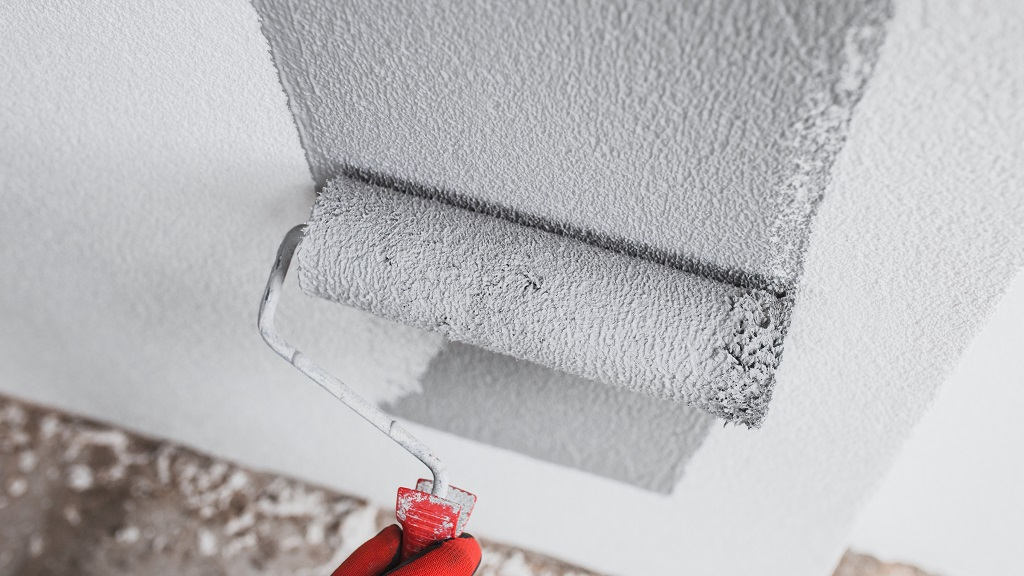
In addition, proper wetting contributes to better leveling by reducing surface tension differences within the coating film. This minimizes brush marks, roller marks, and other surface defects.
Factors That Affect Wetting Performance
The effectiveness of a wetting agent depends on several formulation factors.
The type of resin system influences compatibility with different wetting agents. Pigment characteristics, particle size, and filler content also affect wetting efficiency.
Other additives, including dispersants, thickeners, and defoamers, may interact with wetting agents, making formulation balance essential.
Application methods such as spraying, brushing, or roller coating can also influence wetting requirements.
Choosing the Right Wetting Agent
 Selecting an appropriate wetting agent requires balancing performance and compatibility.
An effective wetting agent should reduce surface tension efficiently while maintaining formulation stability. It should improve substrate wetting without causing excessive foam or reducing water resistance.
Compatibility with dispersants, rheology modifiers, and other coating additives should also be carefully evaluated during formulation development.
Conclusion
Wetting agents play a vital role in modern water-based coating formulations. By improving substrate wetting, pigment dispersion, and film leveling, they help coatings achieve better appearance, stronger adhesion, and more consistent performance.
Choosing the right wetting agent and optimizing its dosage can significantly enhance coating quality while reducing application defects.