Water-based coatings foam control
Foam formation during the production of water-based coatings is a common issue, especially during high-speed dispersion, grinding, and pumping processes.
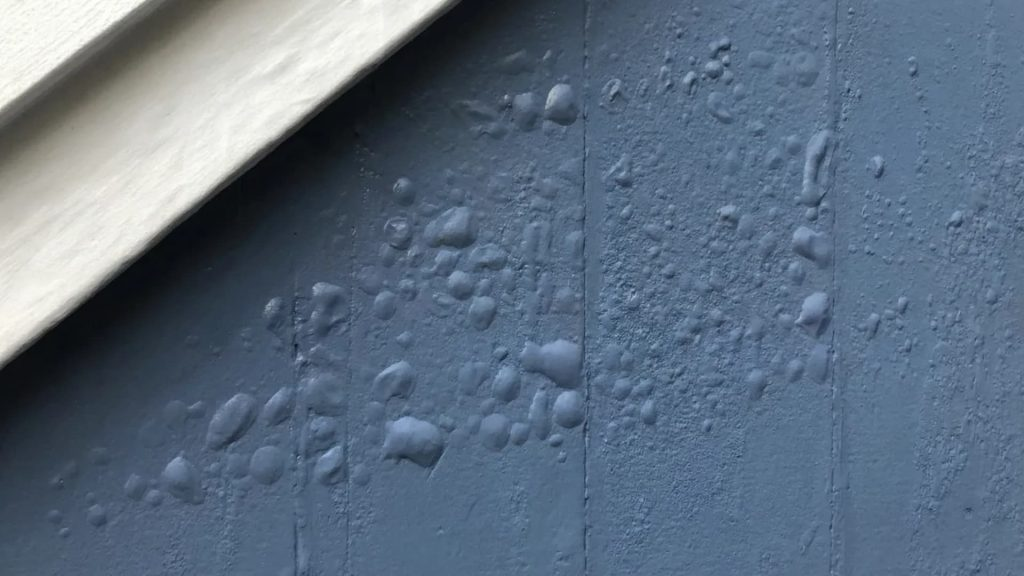
Excess foam can lead to pinholes, poor leveling, surface defects, and reduced coating performance.
This article analyzes the causes of foam formation and explains how to control it through formulation design and defoamer selection.
1.Why Foam Forms in Water-Based Coatings
Foam is mainly generated by air incorporation during manufacturing processes such as mixing and dispersion. High shear mixing introduces large amounts of air into the system. If the air cannot escape in time, stable foam is formed.
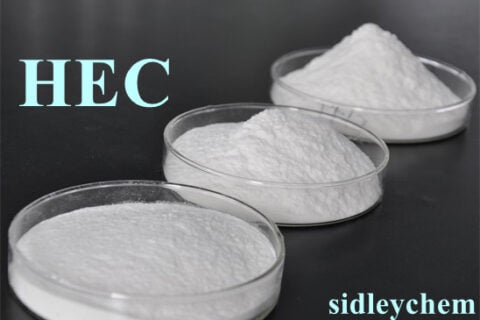
Surfactants such as dispersants and wetting agents reduce surface tension, making bubbles more stable and harder to break. Hydroxyethyl Cellulose (HEC) increases viscosity and slows bubble movement, trapping air within the system.
2.Impact of Foam on Coating Performance
Foam leads to defects such as pinholes, uneven film formation, poor leveling, reduced gloss, and application issues such as craters and fisheyes.
3.Mechanism of Defoamers in Coating Systems
Defoamers work by destabilizing foam films and promoting bubble rupture.
They reduce foam film elasticity, accelerate bubble coalescence, and disrupt surfactant stability at the air-liquid interface.
4.Key Factors Affecting Foam Stability
Foam stability is influenced by formulation composition, rheology system, and production conditions.
Excess dispersants, wetting agents, and thickeners significantly increase foam stability.
Higher viscosity slows bubble escape and increases foam retention.
Pigments and fillers with high surface activity may also stabilize foam structures.
Mixing speed, temperature, and addition sequence all affect foam formation behavior.
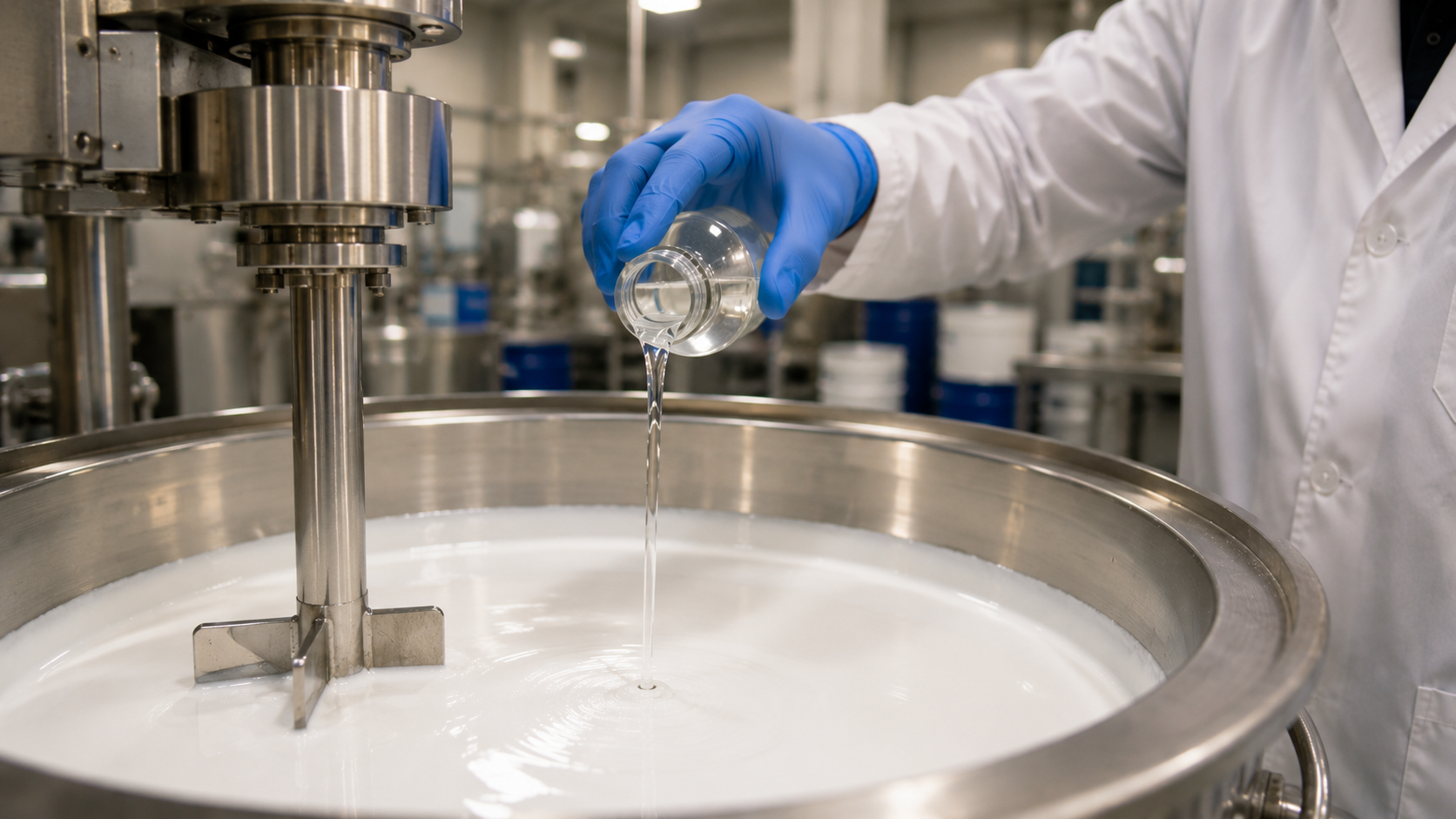
5.Foam Control in Water-Based Coatings
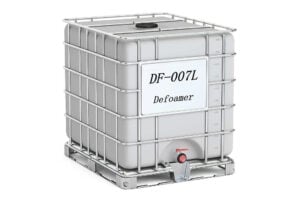 Proper defoamer selection is essential for effective foam control, as different systems require different types of defoamers.
Formulation optimization should limit excessive surfactant usage to avoid foam stabilization.
Rheology control is also important, as excessive thickener usage can trap air in the system.
Production process optimization, including reduced shear and vacuum deaeration, significantly improves foam removal efficiency.
Conclusion
Foam formation in water-based coatings is a complex issue influenced by formulation, rheology, and processing conditions.
Through proper defoamer selection and system optimization, foam problems can be effectively controlled, improving coating quality and production stability.