
hand sanitizer formulation
How to Choose the Right Hand Sanitizer?
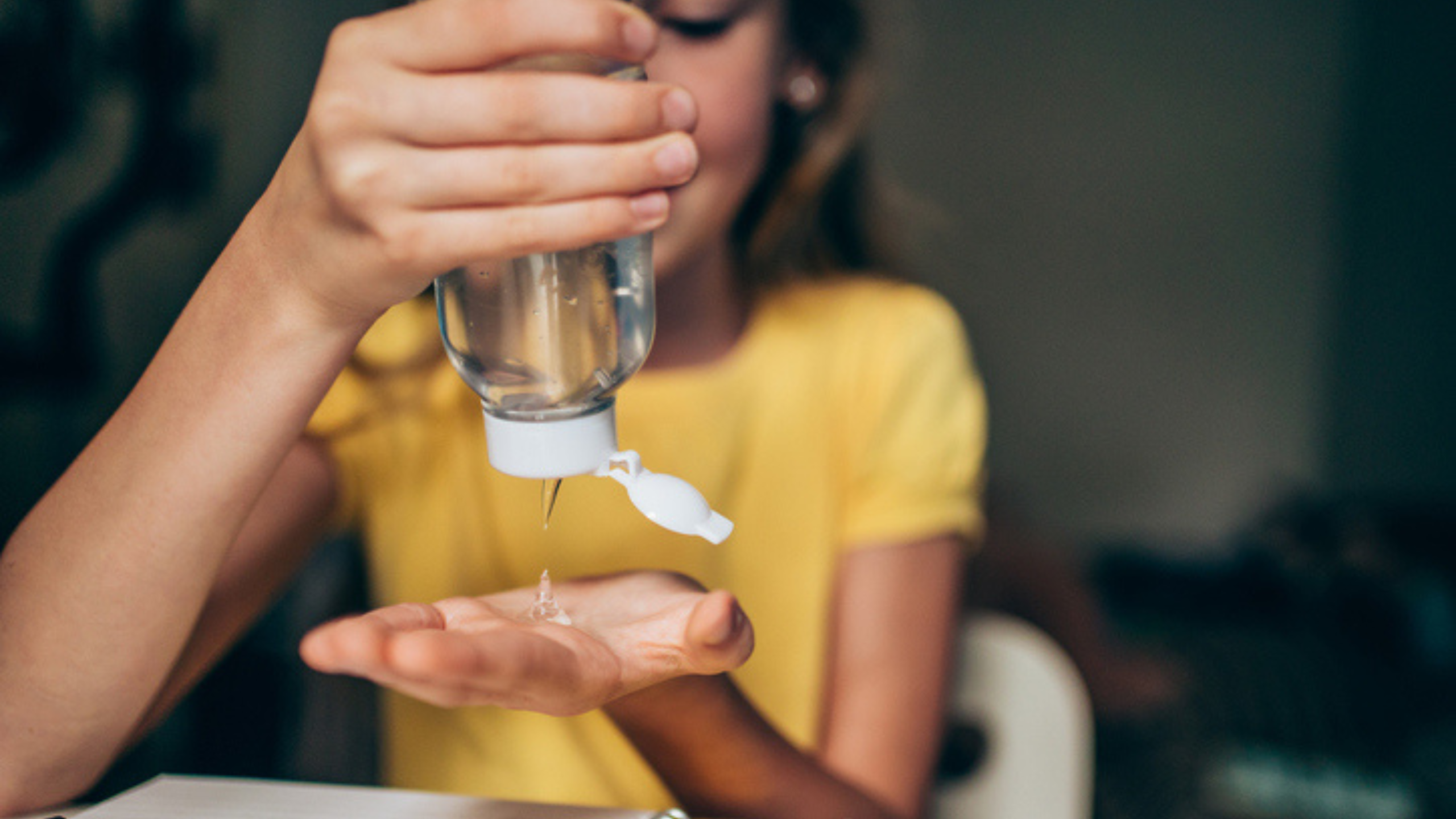
Hand sanitizers can be broadly categorized into three types: Regular, Antibacterial/Specialty, and Waterless (Hand Rub). Understanding their differences is key to selecting the right product for your needs.
-
Regular Hand Soap/Liquid: This is the common product found in supermarkets, functioning primarily as a cleaner similar to liquid soap for daily handwashing to remove dirt and grime.
-
Antibacterial/Specialty Hand Wash: Designed for more demanding environments like hospitals, supermarkets, and high-traffic public areas. In addition to surfactants, they contain antimicrobial agents. According to standards, products labeled “antibacterial” must achieve a >90% bactericidal rate, while “bacteriostatic” products require a >50% inhibition rate.
-
Waterless Hand Sanitizer (Hand Rub): A convenient option containing alcohol (ethanol/isopropanol) and skin-conditioning agents. It requires no water; simply apply and rub hands together for 1-3 minutes. Ideal for travel or outdoor use, offering effective disinfection when alcohol content is around 60-80%.
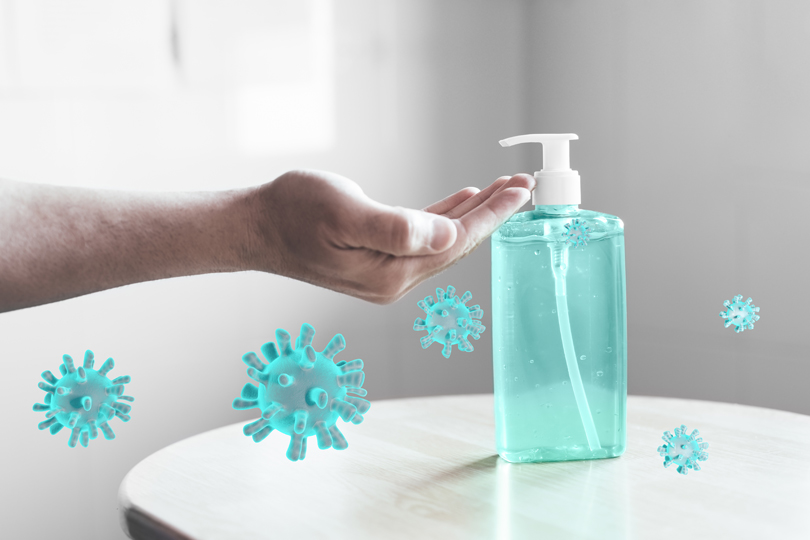
2. What’s Inside a Hand Sanitizer Formula?
Hand sanitizer formulations are engineered blends of components serving specific functions. Here’s a breakdown of common ingredients:
2.1 Core Components of Regular Hand Soap:
-
Surfactants: For cleansing and foaming. Typically, an anionic surfactant like Sodium Laureth Sulfate (AES) or Sodium Lauryl Sulfate (SLS/K12) serves as the primary cleaner, often combined with a milder amphoteric surfactant like Cocamidopropyl Betaine (CAB) or a non-ionic like Cocamide DEA (6501) to reduce skin irritation.
-
Skin Conditioners & Humectants: Ingredients like Glycerin, Propylene Glycol, or Sorbitol (typically 1-3%) are added to counteract dryness, retain moisture, and leave a protective film on the skin.
-
Thickeners/Rheology Modifiers:
 Used to achieve the desired viscosity and product feel. Hydroxypropyl Methylcellulose (HPMC), such as our product D906, is an excellent choice for effective thickening and high clarity, enhancing user experience.
 -
Preservatives: Such as Sodium Benzoate, Parabens, or Isothiazolinones (e.g., Kathon CG), are essential to prevent microbial growth and ensure shelf-life stability.
-
2.2 Functional Formulation Variants:
-
Antibacterial Hand Wash: Incorporates Benzalkonium Chloride, Chloroxylenol (PCMX), etc., adhering strictly to local regulatory limits for antimicrobial agents.
-
Skin-Care Focused Hand Wash: Enriched with natural oils (Olive Oil, Jojoba Oil) or botanical extracts (Paeonol, Flavonoids) for anti-inflammatory and soothing properties, suitable for sensitive skin.
-
Eco-Friendly/Biodegradable Formulations: Utilize readily biodegradable surfactants like Alkyl Polyglucosides (APG) to minimize environmental impact.
-
Waterless Hand Sanitizer Formulations:
-
Alcohol-Based: Rely on Ethanol or Isopropanol (optimal efficacy at ~75% v/v) as the main antimicrobial, combined with humectants like glycerin to prevent dryness.
-
Alcohol-Free: May use alternative actives like Quaternary Ammonium Compounds (e.g., Benzalkonium Chloride/Bromide), Chlorhexidine, Hydrogen Peroxide, or Hypochlorous Acid. Some variants feature plant extracts (Aloe Vera, Calendula), though their antimicrobial efficacy is generally lower than chemical actives.
-
-
Cellulose Ether Tech+

PAC-LV vs PAC-HV for Drilling Fluids: How to Choose
PAC-LV and PAC-HV both control fluid loss, but they affect drilling fluid viscosity differently. Learn which grade better fits your water-based drilling fluid… Continue reading
Why Microcrystalline Cellulose Is Widely Used in Tablet Manufacturing?
Learn why Microcrystalline Cellulose (MCC) is widely used in tablet manufacturing and how its compressibility and binding properties support direct compression… Continue reading

How Does Cellulose Ether Improve Makeup Longevity?
Makeup not lasting long enough? Cellulose ether is a natural-derived film-forming solution. How to choose between EC, HEC, and HPMC? This article breaks down their applications in lip gloss, foundation, and setting spray… Continue reading

How CMC Makes Ice Cream Creamier with Fewer Ice Crystals?
This article explains four key roles of Sodium Carboxymethyl Cellulose (CMC) in ice cream: preventing ice crystal growth, increasing viscosity, improving mouthfeel, and preventing fat separation, with SIDLEYCHEM food grade CMC solutions… Continue reading

How Polyanionic Cellulose (PAC) Improves Water-Based Drilling Fluids
Learn how Polyanionic Cellulose (PAC) improves water-based drilling fluids by controlling fluid loss, enhancing borehole stability, and optimizing drilling performance in oil and gas operations… Continue reading

Sodium Carboxymethyl Cellulose in Toothpaste
Discover why Sodium Carboxymethyl Cellulose (CMC) is widely used in toothpaste. Learn how CMC improves consistency, stability, spreadability, and overall oral care product performance… Continue reading
HEC in hand soap
Hydroxyethyl Cellulose (HEC) improves foam stability in hand soap by increasing viscosity, stabilizing foam structure, and enhancing texture, delivering a richer and longer-lasting washing experience… Continue reading
HEC for liquid detergent
Hydroxyethyl Cellulose (HEC) is widely used in liquid detergents due to its excellent thickening performance, surfactant compatibility, and stable rheology, improving product stability and user experience… Continue reading
Choosing the Right Cellulose Ether for Detergent Manufacturing
This guide provides a complete framework for selecting cellulose ethers in detergent manufacturing: comparing HEC vs. CMC performance, selection factors, and combination strategies, with SIDLEYCHEM customized product solutions… Continue reading

Oilfield Grade CMC Application
This article details the multifunctional applications of oilfield grade CMC in drilling, cementing, and fracturing fluids, including fluid loss reduction, viscosity enhancement, proppant transport, and guar gum replacement, with LVT/HVT and ultra-high viscosity specifications… Continue reading
