
How to assess HPMC quality?
In practical applications, the following four simple and effective methods can be used to quickly judge the basic quality of Hydroxypropyl Methylcellulose.
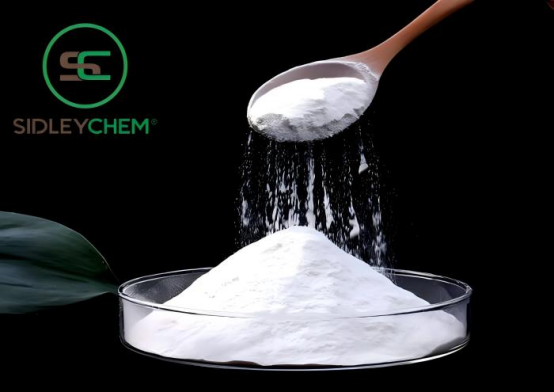
1.Observe Appearance and Color
High-quality Hydroxypropyl Methylcellulose typically exhibits a natural, off-white color with uniform consistency. This reflects the purity of the raw materials and the stability of the production process. It is important to note that some products might use whitening agents to enhance visual appeal, which can adversely affect performance. It is recommended to focus on color uniformity rather than solely pursuing whiteness.
2. Check Powder Fineness
The fineness of the powder directly affects the dissolution rate of Hydroxypropyl Methylcellulose. Generally, products with higher fineness (e.g., 100 mesh compared to 80 mesh) dissolve faster and are less likely to form undissolved “fish eyes.” A preliminary assessment can be made by feel, while a more accurate method involves testing with a standard sieve.
3. Test Solution Transparency
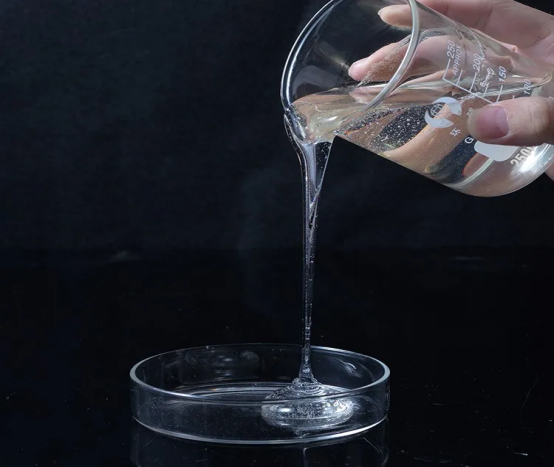
Dissolving Hydroxypropyl Methylcellulose and observing the transparency of the solution is an effective way to determine product purity. Higher transparency indicates lower insoluble content and signifies better quality. This characteristic is closely tied to the manufacturing process.
4. Compare Product Bulk Density
Bulk density is an important indicator for evaluating Hydroxypropyl Methylcellulose performance. A higher bulk density often suggests a higher hydroxypropoxyl content, which is directly related to the product’s water retention capability. A simple method for preliminary assessment is comparing the weight of equal sample volumes.
Cellulose Ether Tech+

Why Microcrystalline Cellulose Is Widely Used in Tablet Manufacturing?
Learn why Microcrystalline Cellulose (MCC) is widely used in tablet manufacturing and how its compressibility and binding properties support direct compression… Continue reading

How Does Cellulose Ether Improve Makeup Longevity?
Makeup not lasting long enough? Cellulose ether is a natural-derived film-forming solution. How to choose between EC, HEC, and HPMC? This article breaks down their applications in lip gloss, foundation, and setting spray… Continue reading

How CMC Makes Ice Cream Creamier with Fewer Ice Crystals?
This article explains four key roles of Sodium Carboxymethyl Cellulose (CMC) in ice cream: preventing ice crystal growth, increasing viscosity, improving mouthfeel, and preventing fat separation, with SIDLEYCHEM food grade CMC solutions… Continue reading

How Polyanionic Cellulose (PAC) Improves Water-Based Drilling Fluids
Learn how Polyanionic Cellulose (PAC) improves water-based drilling fluids by controlling fluid loss, enhancing borehole stability, and optimizing drilling performance in oil and gas operations… Continue reading

Sodium Carboxymethyl Cellulose in Toothpaste
Discover why Sodium Carboxymethyl Cellulose (CMC) is widely used in toothpaste. Learn how CMC improves consistency, stability, spreadability, and overall oral care product performance… Continue reading
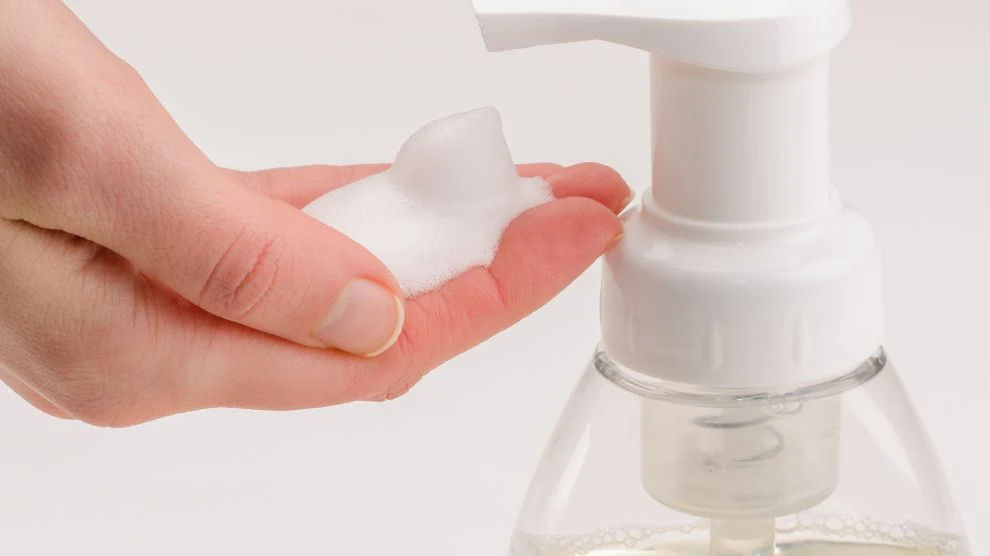
HEC in hand soap
Hydroxyethyl Cellulose (HEC) improves foam stability in hand soap by increasing viscosity, stabilizing foam structure, and enhancing texture, delivering a richer and longer-lasting washing experience… Continue reading

HEC for liquid detergent
Hydroxyethyl Cellulose (HEC) is widely used in liquid detergents due to its excellent thickening performance, surfactant compatibility, and stable rheology, improving product stability and user experience… Continue reading

Choosing the Right Cellulose Ether for Detergent Manufacturing
This guide provides a complete framework for selecting cellulose ethers in detergent manufacturing: comparing HEC vs. CMC performance, selection factors, and combination strategies, with SIDLEYCHEM customized product solutions… Continue reading

Oilfield Grade CMC Application
This article details the multifunctional applications of oilfield grade CMC in drilling, cementing, and fracturing fluids, including fluid loss reduction, viscosity enhancement, proppant transport, and guar gum replacement, with LVT/HVT and ultra-high viscosity specifications… Continue reading

PAC Drilling Fluid Application
This article details oilfield grade PAC applications in drilling fluid solids control, performance regulation, and system stabilization, with PAC-LV/HV specifications… Continue reading
