
Nanoscale Enhancer Tile Adhesive
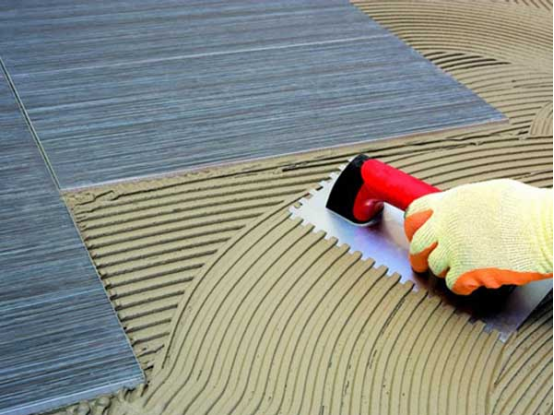
Nanoscale Enhancer HS-93 is a novel additive specifically designed to improve the performance of cement-based materials. Utilizing unique nanotechnology, this product effectively optimizes the microstructure and mechanical properties of tile adhesives.
I. Mechanism of Action
-
Pore-Filling Effect: Nano-scale particles can thoroughly fill the microscopic pores between cement particles, significantly enhancing the material’s density.
-
Hydration Promotion Function: Acts as nucleation sites to promote the cement hydration reaction, accelerating early strength development.
-
Rheological Property Improvement: Optimizes the rheological characteristics of the paste, reducing water demand while ensuring workability.
II. Performance Validation
Comparative tests confirm:
Samples without HS-93:
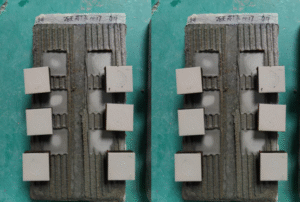
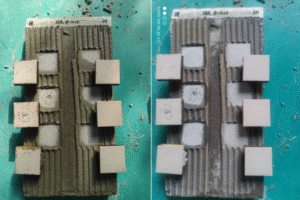
Lower water-resistant tensile bond strength.
Samples with HS-93:
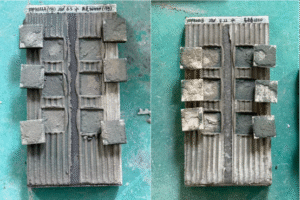
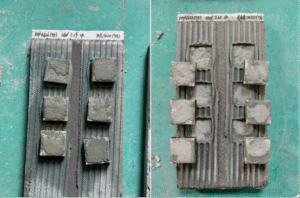
After adding the nanoscale enhancer, the water-resistant tensile bond strength of the tile adhesive significantly increased, and the failure mode was notably more cohesive. This effect remains significant even when the dosage of redispersible polymer powder is as low as 0.5%.
III. Usage Recommendations
It is recommended to add an appropriate amount of HS-93 to the tile adhesive formulation; the specific dosage can be adjusted based on actual requirements. During use, ensure the nano-particles are fully dispersed to achieve optimal results.
This product provides an effective technical solution for enhancing the performance of tile adhesives, making it particularly suitable for application scenarios demanding high water resistance.




Drymix Mortar Tech+
Why Does Dry Mortar Have Poor Water Retention?
Learn why dry mortar has poor water retention and how HPMC and MHEC can improve water retention, workability, and cement hydration in dry-mix mortar… Continue reading
Dry-Mix Mortar Summer Formulation Adjustment
Why does the same formulation fail in summer? The key is cellulose ether. High temperatures cause ordinary HPMC water retention to drop sharply — increase dosage by 0.1%-0.2%, switch to high gel temperature grades, and combine with retarders. This article gives three practical adjustment directions to tackle summer construction challenges… Continue reading
Mortar Setting Too Fast in Summer Heat?
Mortar drying out in half an hour on summer job sites? High-temperature accelerated hydration is the culprit. This article breaks down the features and selection of sodium gluconate, citric acid, tartaric acid, and boric acid retarders, with dosage adjustment and blending strategies to tackle summer construction challenges… Continue reading
Why Does Dry Mix Mortar Cake During Storage?
Discover why dry mix mortar cakes during storage and transportation. Learn how moisture, packaging, raw materials, and formulation affect storage stability, and explore practical solutions to maintain product quality… Continue reading
Why Does Tile Grout Change Color After Curing?
Discover the most common causes of tile grout color inconsistency after curing and learn practical solutions through proper formulation, pigment selection, moisture control, and construction practices… Continue reading
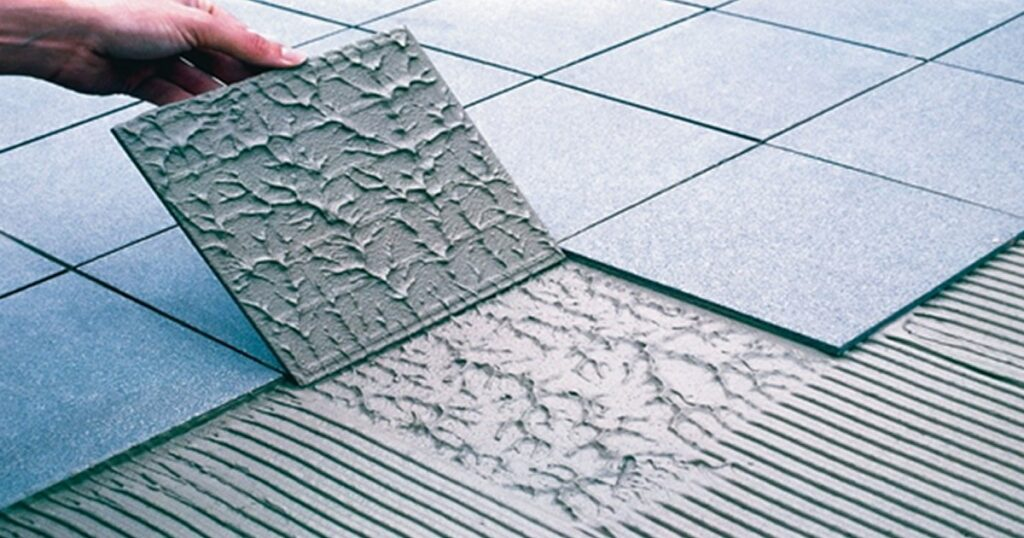
Tile adhesive bond strength
Learn the most common reasons why tile adhesive loses bond strength and discover practical solutions through proper formulation, additive selection, substrate preparation, and construction practices… Continue reading
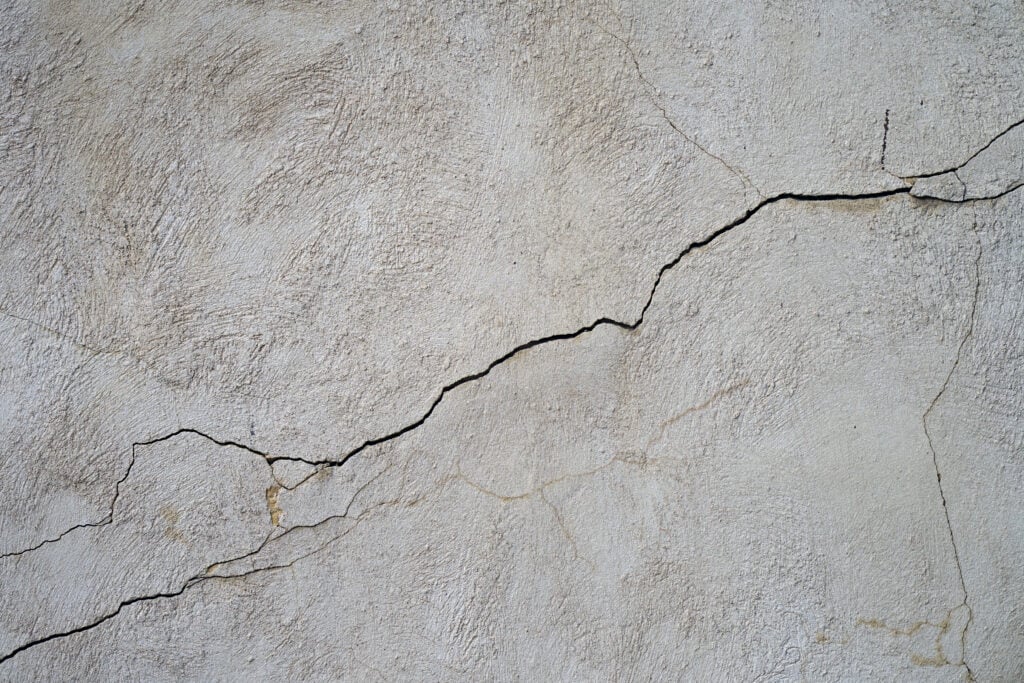
Gypsum Mortar Shrinkage: Causes and How to Prevent Cracks
Understand the main causes of gypsum mortar shrinkage and learn how to prevent cracks using HPMC, gypsum retarder, and proper formulation and construction practices… Continue reading
gypsum mortar water retention
Learn practical ways to enhance the water retention of gypsum mortar using HPMC, starch ether, and proper mixing techniques to improve workability and reduce cracks… Continue reading
Extend gypsum setting time
Learn why gypsum mortar loses workability too quickly and discover practical solutions using gypsum retarders, HPMC, and formulation optimization to extend working time without compromising strength… Continue reading
Tile Adhesive Crack Resistance Solutions
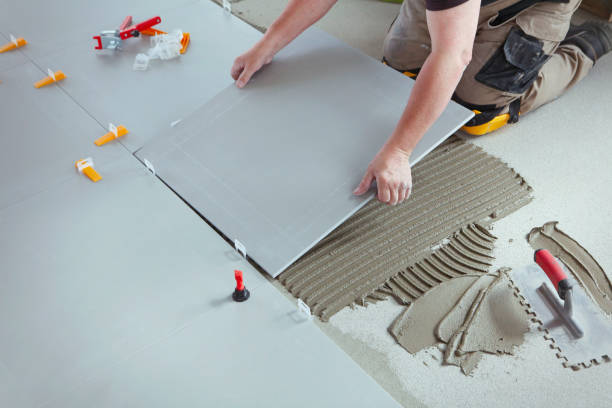
This article analyzes 5 main causes of tile adhesive cracking: insufficient flexibility, poor water retention, excessive shrinkage, poor substrate preparation, and incorrect additive selection, with solutions including HPMC, RDP, and other crack-resistant additives… Continue reading
