
Tile Adhesive Crack Resistance Solutions
Tile adhesive cracking is one of the most common problems in tile installation projects. Cracks affect both appearance and long-term durability, especially in large-format tile applications and exterior wall systems. In many cases, cracking is caused by improper mortar formulation or poor construction conditions rather than the tiles themselves. Understanding the main causes is essential for improving installation quality and reducing repair costs.
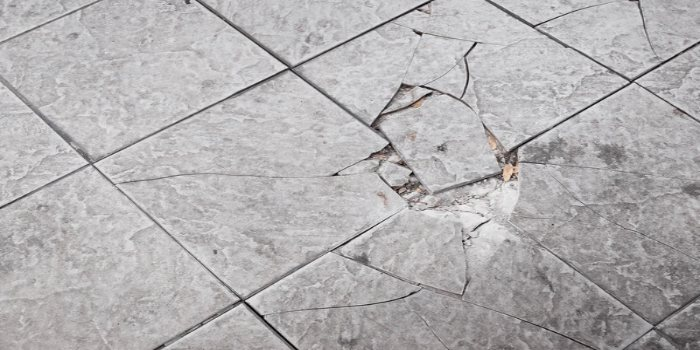
1. Insufficient Flexibility
Lack of flexibility is a major reason for tile adhesive cracking. During service life, tiles and substrates expand and contract due to temperature changes, moisture, and structural movement. If the adhesive layer cannot absorb this stress, cracks may appear. This problem is especially common in:
-
Exterior wall systems
-
Large-format tile installation
-
Heated flooring systems
-
Lightweight wall panels
2. Poor Water Retention
If tile adhesive loses water too quickly, cement hydration becomes incomplete, leading to:
-
Weak bonding strength
-
Surface shrinkage
-
Early cracking
-
Reduced durability
3. Excessive Shrinkage
Improper mortar formulations may cause excessive drying shrinkage. When mortar shrinks too much during curing, internal stress develops and cracks may form. Common causes include:
-
Incorrect cement-to-sand ratio
-
Low polymer content
-
Poor aggregate grading
-
Excessive water addition
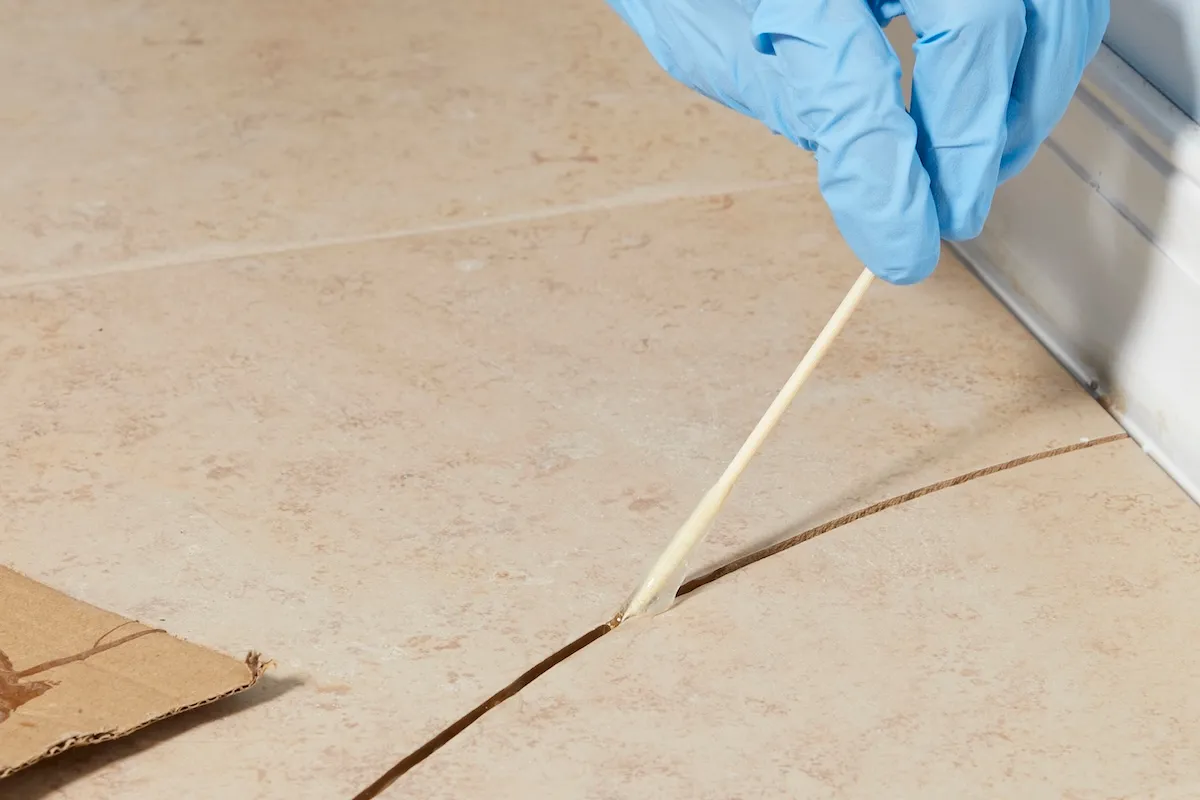
4. Poor Substrate Preparation
Even high-quality tile adhesive can fail if the substrate is not properly prepared. Dust, loose particles, oil contamination, or uneven surfaces weaken adhesion and create stress concentration areas. Before installation, the substrate should be:
-
Clean
-
Dry
-
Stable
-
Flat
-
Free of contaminants
5. Incorrect Additive Selection
Different applications require different additive combinations. For example:
-
Wall tile adhesive requires better anti-sagging performance
-
Large-format tiles require higher flexibility
-
Exterior applications require better durability
-
Porcelain tiles require stronger adhesion
Recommended Additives for Crack Resistance
Modern tile adhesive formulations typically include:
-
HPMC / MHEC – Improves water retention, workability, and open time (SIDLEYCHEM full range)
-
Redispersible Polymer Powder (RDP) – Improves flexibility, adhesion, and crack resistance (SIDLEYCHEM RDP 6033T/7033T/7033)
-
Starch Ether – Improves anti-slip performance and rheology control (SIDLEYCHEM SE 801, SE 301)
-
Polypropylene Fiber – Helps reduce shrinkage stress and micro-cracking
Conclusion
Tile adhesive cracking is usually caused by a combination of poor flexibility, insufficient water retention, excessive shrinkage, and improper construction practices. By optimizing formulations and selecting suitable additives such as HPMC, MHEC, and RDP, manufacturers can significantly improve crack resistance and installation reliability. As modern construction standards continue to increase, high-performance tile adhesive systems will become even more important. SIDLEYCHEM is committed to providing one-stop additive solutions to help customers produce high-quality, highly stable tile adhesives.




Drymix mortar Tech+
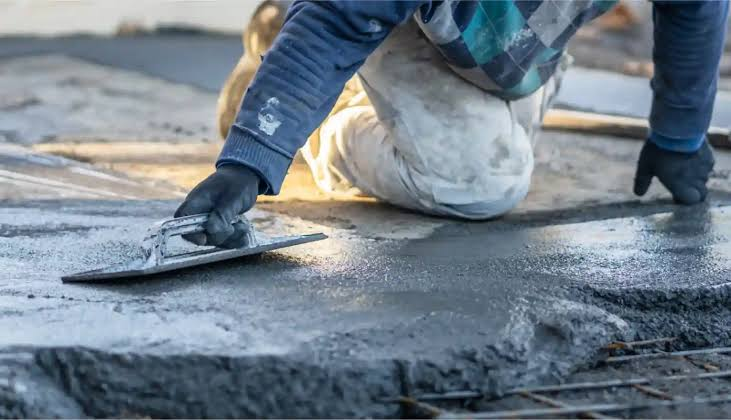
Why Does Dry Mortar Have Poor Water Retention?
Learn why dry mortar has poor water retention and how HPMC and MHEC can improve water retention, workability, and cement hydration in dry-mix mortar… Continue reading
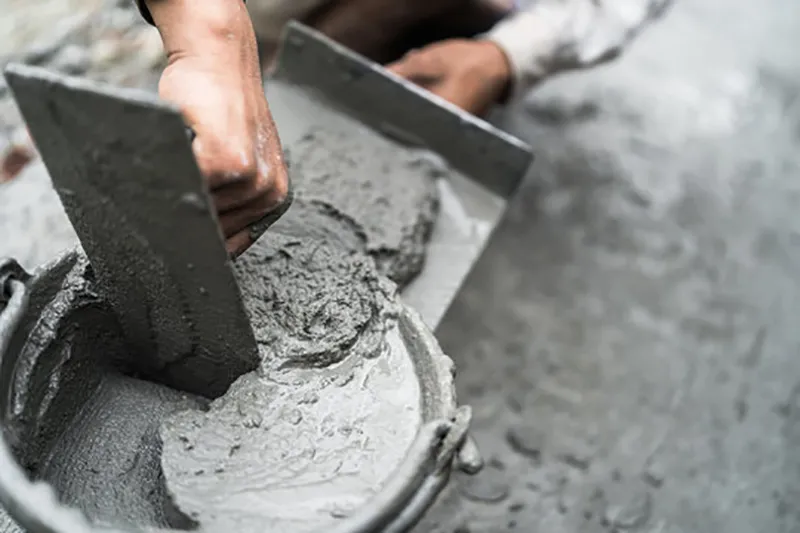
Dry-Mix Mortar Summer Formulation Adjustment
Why does the same formulation fail in summer? The key is cellulose ether. High temperatures cause ordinary HPMC water retention to drop sharply — increase dosage by 0.1%-0.2%, switch to high gel temperature grades, and combine with retarders. This article gives three practical adjustment directions to tackle summer construction challenges… Continue reading
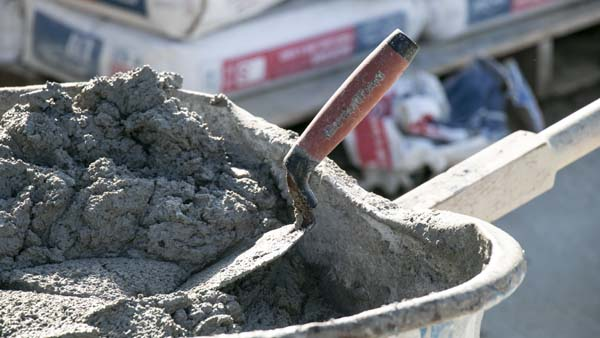
Mortar Setting Too Fast in Summer Heat?
Mortar drying out in half an hour on summer job sites? High-temperature accelerated hydration is the culprit. This article breaks down the features and selection of sodium gluconate, citric acid, tartaric acid, and boric acid retarders, with dosage adjustment and blending strategies to tackle summer construction challenges… Continue reading
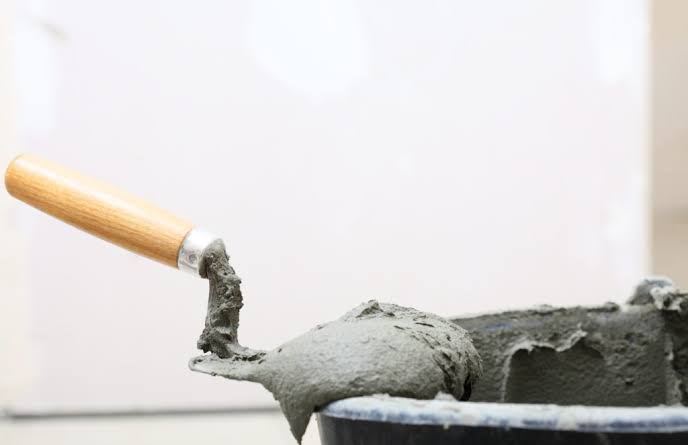
Why Does Dry Mix Mortar Cake During Storage?
Discover why dry mix mortar cakes during storage and transportation. Learn how moisture, packaging, raw materials, and formulation affect storage stability, and explore practical solutions to maintain product quality… Continue reading
Why Does Tile Grout Change Color After Curing?
Discover the most common causes of tile grout color inconsistency after curing and learn practical solutions through proper formulation, pigment selection, moisture control, and construction practices… Continue reading
Tile adhesive bond strength
Learn the most common reasons why tile adhesive loses bond strength and discover practical solutions through proper formulation, additive selection, substrate preparation, and construction practices… Continue reading
Gypsum Mortar Shrinkage: Causes and How to Prevent Cracks
Understand the main causes of gypsum mortar shrinkage and learn how to prevent cracks using HPMC, gypsum retarder, and proper formulation and construction practices… Continue reading
gypsum mortar water retention
Learn practical ways to enhance the water retention of gypsum mortar using HPMC, starch ether, and proper mixing techniques to improve workability and reduce cracks… Continue reading
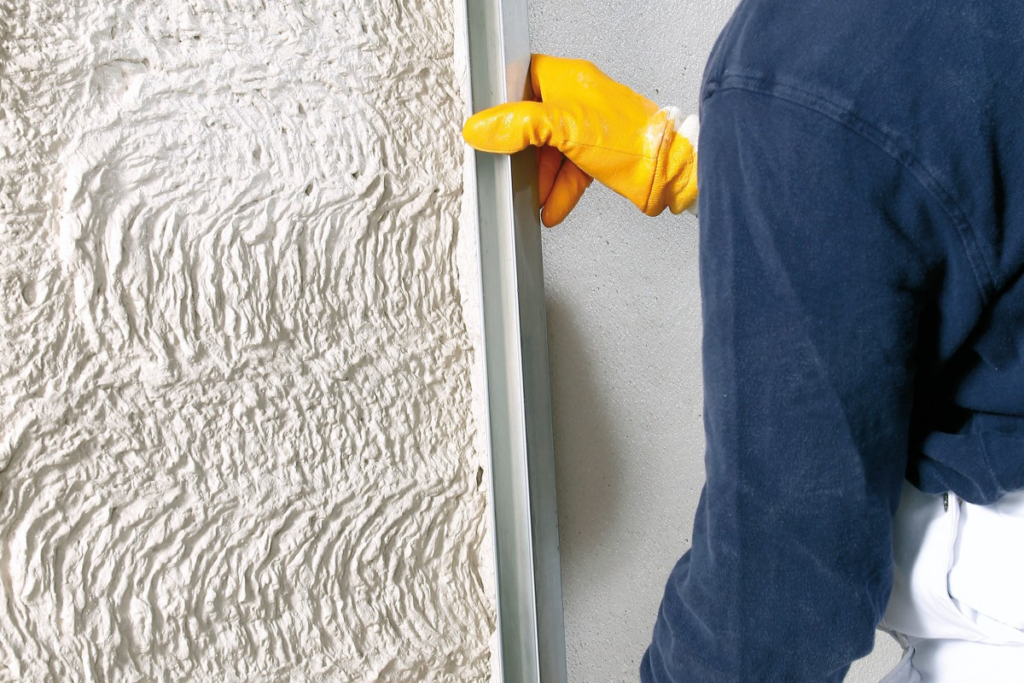
Extend gypsum setting time
Learn why gypsum mortar loses workability too quickly and discover practical solutions using gypsum retarders, HPMC, and formulation optimization to extend working time without compromising strength… Continue reading
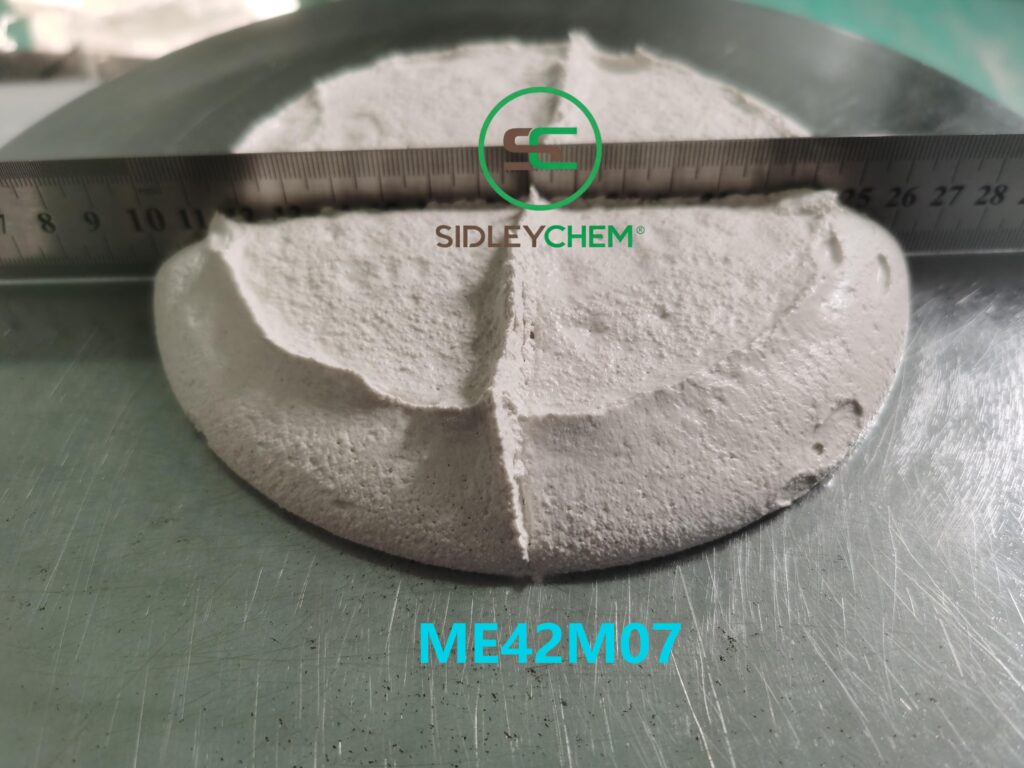
Lightweight Gypsum Plaster Cellulose Ether
This article compares the performance of * 60010 and Sidley ME 42M07 cellulose ethers in lightweight gypsum plaster, including consistency, setting time, strength, and bond performance, providing data reference for dry-mix mortar formulation selection… Continue reading
