
Why Does Concrete Air Content Drop After Pumping?
Concrete leaves the mixer with the correct air content.
But after it passes through the pump, the measured air content is lower.
Does this mean the air-entraining agent is not working?
Not necessarily.
Pumping changes the pressure and movement experienced by fresh concrete. The stability of the air bubbles, concrete mixture, pipeline configuration, and testing procedure can all influence the final result.
1. Pumping Can Change the Air-Void System
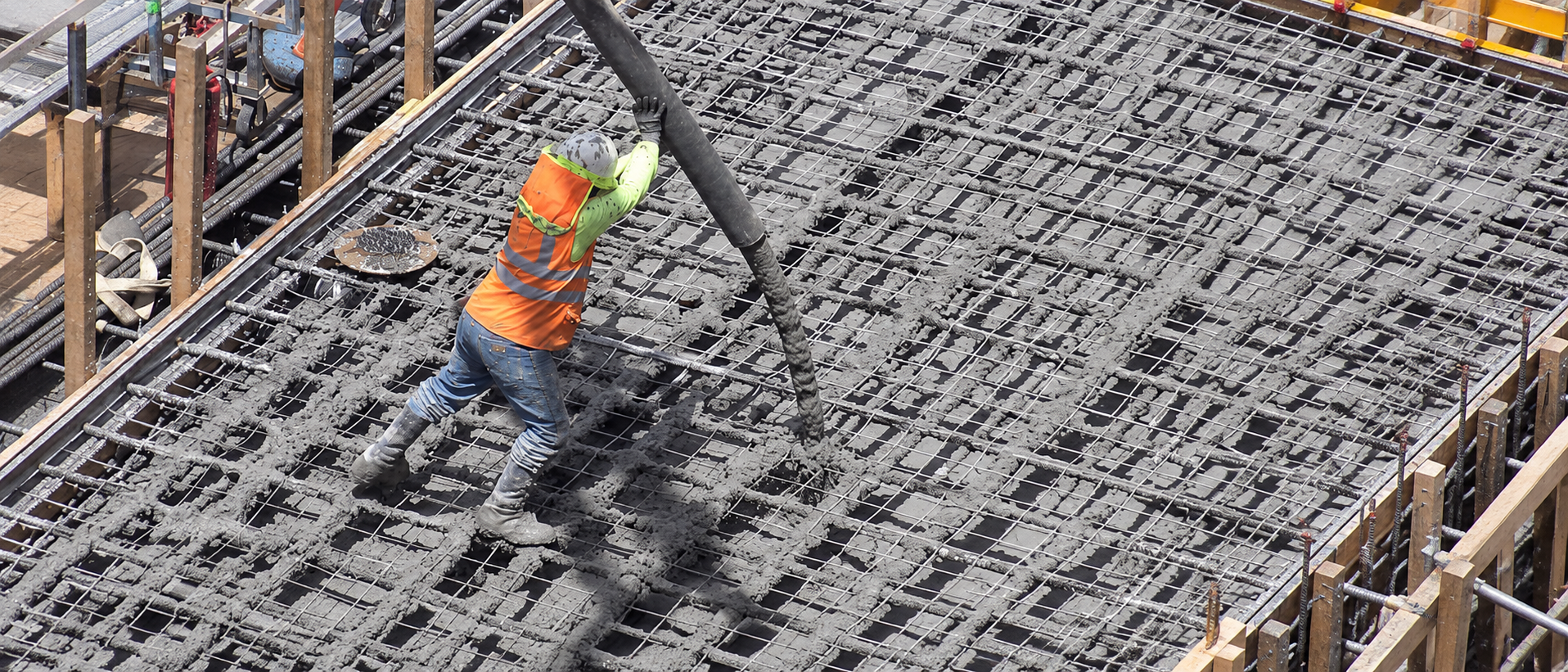
In air-entrained concrete, millions of small air bubbles are intentionally introduced to improve freeze-thaw durability and workability.
During pumping, the concrete experiences pressure, shear, changes in velocity, and sudden pressure release at discharge.
These conditions can change the measured air content.
ACI notes that some air loss during pumping air-entrained concrete can occur, particularly depending on pump pressure, pipeline configuration, and concrete properties.
A small change does not automatically mean the entire air-void system has failed. However, a large or inconsistent drop should be investigated.
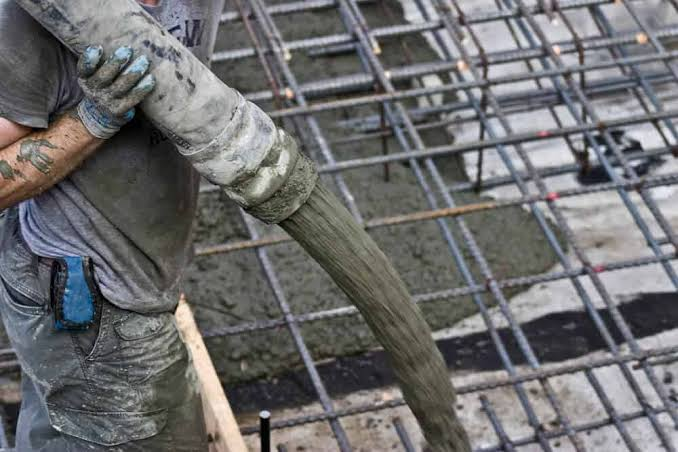
2. Check the Stability of the Air-Entraining Agent
Different air-entraining agents can produce air bubbles with different stability. An AEA should not only create enough air during mixing—it should also maintain a stable bubble system through:
- transportation;
- agitation;
- pumping;
- placement;
- vibration.
SidleyChem’s air-entraining agent for concrete range includes different chemistries designed to create stable air-void systems and improve concrete workability and durability.
3. Check the Complete Mix Design
Air stability is also affected by the other materials in the concrete.
Important factors include:
- cement type and content;
- PCE dosage;
- supplementary cementitious materials;
- fine aggregate content;
- temperature;
- slump;
- mixing time.
A change in cement, sand, or polycarboxylate superplasticizer may change air content even when the AEA dosage remains unchanged.
For this reason, investigate any raw-material changes before assuming the AEA itself is defective.
4. Pump Pressure and Pipeline Layout Matter
Not all pumping conditions are the same. Air loss may become more noticeable when:
- pumping pressure is high;
- the pipeline has long vertical sections;
- concrete experiences significant free fall;
- discharge conditions change suddenly;
- the mix is highly flowable.
ACI recommends controlling pumping pressure and avoiding excessive free fall where possible when placing air-entrained concrete. If one pump produces stable results while another produces significant air loss, equipment and pipeline layout should be included in the investigation.
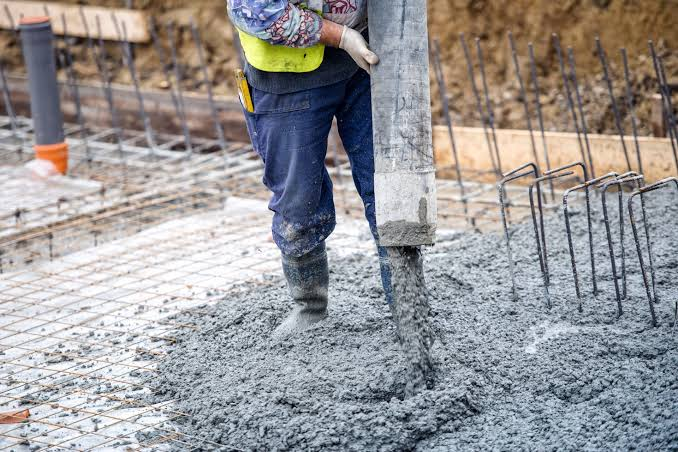
5. Make Sure the Testing Point Is Consistent
Another common problem is comparing two results that were not measured under the same conditions.
For example:
- Sample A is taken directly from the truck.
- Sample B is taken after pumping.
- Different operators perform the tests.
- The samples are tested at different times.
ASTM specifically notes that the stage at which fresh concrete is sampled—including before or after pumping—can influence measured air content testing results.
Therefore, record the sampling location and test procedure every time.
Conclusion
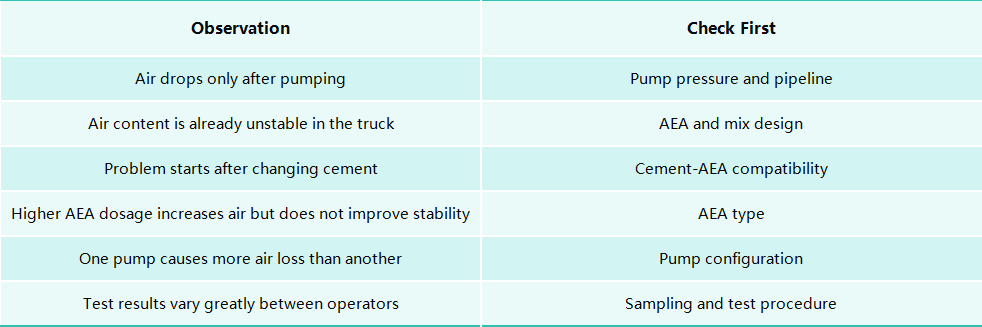
A drop in concrete air content after pumping does not automatically mean that more air-entraining agent is required.
The real cause may involve:
- air-bubble stability;
- pump pressure;
- pipeline configuration;
- cement or PCE compatibility;
- concrete temperature;
- sampling and testing conditions.
The best approach is to compare air content before and after pumping under controlled conditions and identify exactly where the change occurs.
For air-entrained concrete, the goal is not simply high initial air content—it is a stable air-void system that survives transportation, pumping, and placement.




Concrete & Beton Tech+
Low Demolding Strength in Precast Concrete: Causes & Fixes
Precast concrete demolding strength too low? Learn how curing, temperature, cement, water ratio, and admixtures affect early strength… Continue reading
Sticky Concrete with Normal Slump: Causes & Solutions
Concrete can have normal slump but still feel sticky and difficult to pump. Learn how fines, PCE, VMA, aggregate grading, and rheology affect pumpability… Continue reading
PCE Cement Compatibility: Why Performance Changes
PCE performance can change after switching cement. Learn why water reduction, slump retention, and setting behavior change and how to identify the cause… Continue reading
Why Does Concrete Strength Vary Between Batches?
Learn why concrete strength varies between batches and how to improve consistency through proper water control, raw materials, admixture dosing, mixing, and curing… Continue reading
The Role of Expanding Agents in Compensating Shrinkage of Mass Concrete Foundations
Cracking after mass concrete foundation pouring? Thermal shrinkage, drying shrinkage, and autogenous shrinkage combined are the culprits. … Continue reading

Lightweight Aggregate Concrete Lacking Viscosity?
Lightweight aggregate concrete segregation, aggregate floating, pump blockages? The root cause is insufficient viscosity. This article details four practical methods — viscosity modifier dosage (0.02%–0.03%), aggregate pre-wetting, mix optimization, and specialized admixtures — to solve workability problems once and for all… Continue reading
How Does Air-Entraining Agent Affect Concrete Strength?
Each 1% air content reduces concrete strength by 4%–6%. How to balance? This short article gives three practical methods: measure air content, lower w/c, and choose a stable-foam AEA. Direct and actionable… Continue reading
The Three Critical Windows for Concrete Curing
Same mix design, with and without proper curing – 28‑day strength can differ by a whole grade. This article explains hydration mechanisms, three critical curing windows, and practical steps to prevent strength loss and cracking… Continue reading
Which Admixtures Improve Concrete Durability?
Discover which concrete admixtures improve durability, including Polycarboxylate Superplasticizers, Air-Entraining Agents, Corrosion Inhibitors, Waterproofing Admixtures, and Concrete Fibers. Learn how to enhance strength, reduce permeability, and extend service life… Continue reading
How to Maintain Slump Retention During Long-Distance Transportation
Learn how to maintain concrete slump retention during long-distance transportation by optimizing mix design, selecting the right admixtures, and improving production practices… Continue reading
