
Air Entraining Agent Function
Air-entraining agents are an important category of concrete admixtures. By introducing uniform, fine, closed bubbles into concrete, they optimize performance across workability, durability, and volume stability. This article systematically explains six key benefits of air-entraining agents and critical usage details.
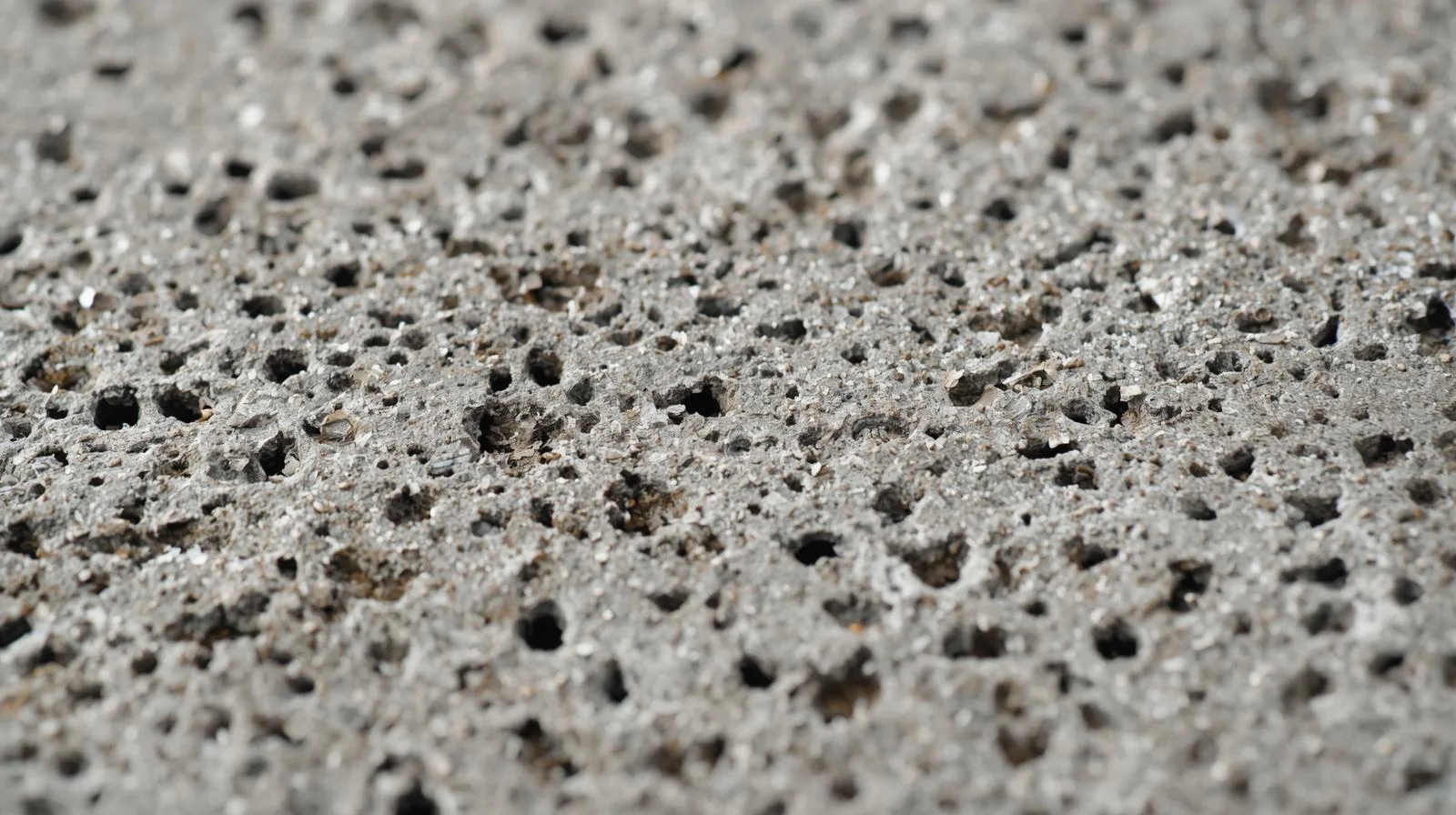
1. Improving Workability: Better Mixing, Pouring, and Pumping
-
Bubbles Act as “Lubricants”: Fill voids between aggregates, reduce particle friction, lower water demand (5%-10% water reduction at same workability), prevent segregation and bleeding.
-
Enhanced Plasticity and Pumpability: Moderate viscosity allows easy filling of rebar gaps and formwork corners, ideal for thin-walled components and densely reinforced structures, reducing vibration difficulty and preventing honeycombing.
-
Slump Stability: Reduces workability loss during transport and waiting, maintaining good performance even under high temperatures and long-distance pumping, lowering construction risks.
2. Enhancing Durability: Protection Against Harsh Environments
-
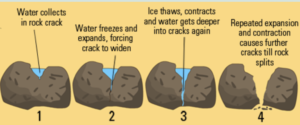
Freeze-Thaw Resistance (Core Function): Bubbles provide buffer space for freeze expansion. When water freezes and expands (approx. 9% volume increase), closed bubbles absorb expansion stress, preventing cracking and spalling. Freeze-thaw cycles can increase from 50 to over 200 cycles.
-
Waterproofing and Impermeability: Uniformly distributed bubbles create a “maze-like” barrier, extending penetration paths for water and harmful ions (e.g., chlorides), protecting rebar from corrosion. Ideal for underground and hydraulic structures.
-
Sulfate Attack Resistance: Reduces sulfate solution intrusion, preventing formation of expansive products (e.g., ettringite) that cause cracking. Suitable for coastal and saline-alkali environments.
-
Improved Carbonation Resistance: Slows CO₂ penetration, delaying cement paste carbonation and extending structural service life.
3. Optimizing Volume Stability: Reducing Shrinkage Cracking
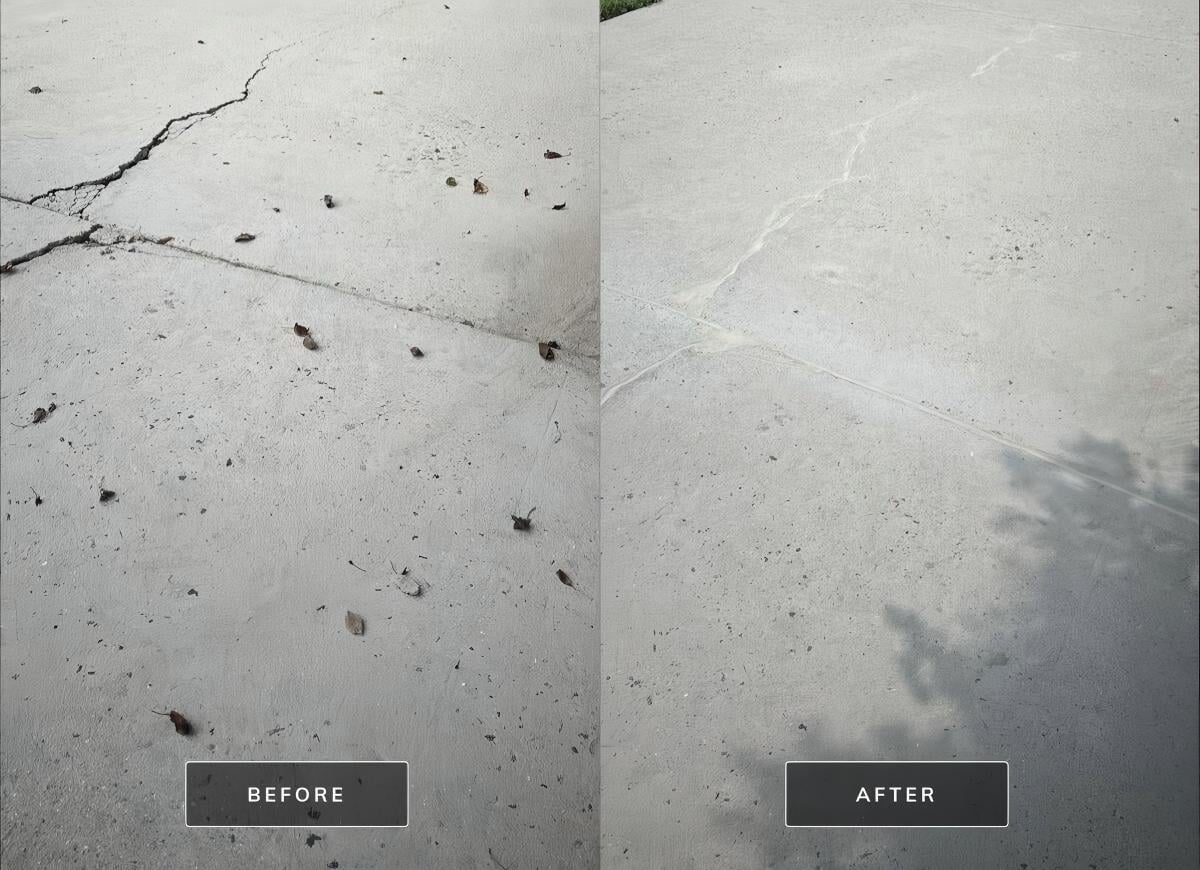
1.Counteracting Shrinkage Stress: Bubbles offset drying and plastic shrinkage stresses during hardening, reducing early-age cracking risk. Ideal for mass concrete and large-area pours.
2.Mitigating Thermal Stress: The insulating effect of bubbles reduces temperature differences between concrete interior and surface, minimizing thermal cracking and improving structural integrity.
4. Strength Adaptability: Minor Strength Trade-Off for Core Benefits
-
Strength Compensation: Each 1% increase in air content reduces compressive strength by approximately 3%-5%. This loss can be offset by water reduction or increased binder content. Air-entrained concrete can be designed for C15 to C50 strength grades.
-
Long-Term Strength Advantage: After freeze-thaw cycles, conventional concrete may lose over 30% strength, while air-entrained concrete maintains over 80% strength retention, providing greater long-term stability.
5. Adaptability for Special Materials and Scenarios
1.Improves Workability with Lightweight Aggregates and Poor Gradation: Bubbles compensate for workability loss caused by water absorption of lightweight aggregates and fill voids in poorly graded aggregates, preventing dry, difficult-to-mix concrete.
2.Reduces Surface Defects: Minimizes bleeding-induced dusting and surface softness, improving surface hardness and finish, reducing post-construction repair costs.
6. Key Usage Details (Avoiding Negative Effects)
1.Improves Workability with Lightweight Aggregates and Poor Gradation: Bubbles compensate for workability loss caused by water absorption of lightweight aggregates and fill voids in poorly graded aggregates, preventing dry, difficult-to-mix concrete.
2.Reduces Surface Defects: Minimizes bleeding-induced dusting and surface softness, improving surface hardness and finish, reducing post-construction repair costs.
7. SIDLEYCHEM Air-Entraining Agent Product Range
SIDLEYCHEM offers both liquid and powder air-entraining agents for various applications:
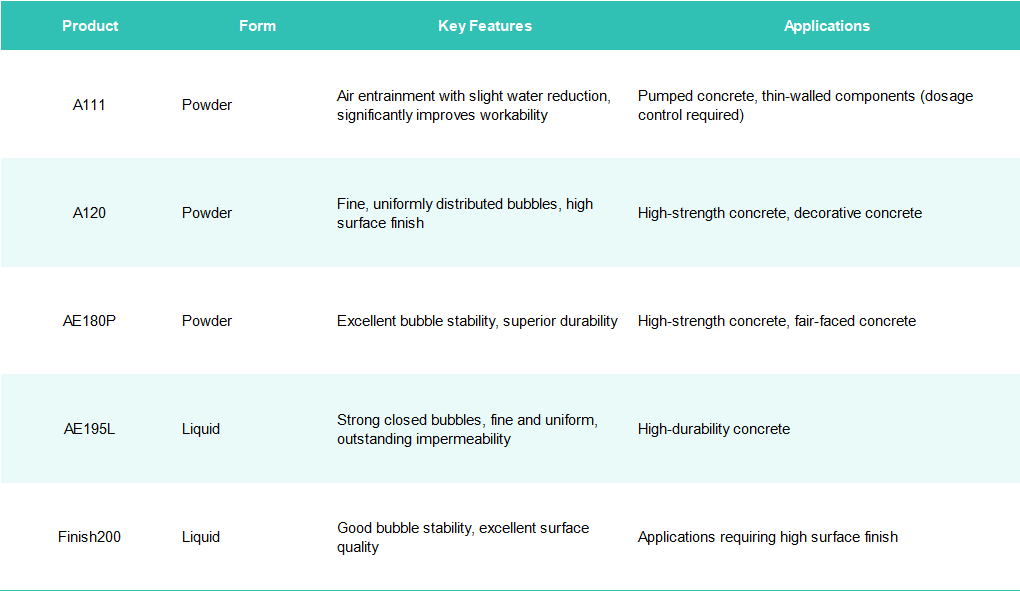
With SIDLEYCHEM air-entraining agents, precise air content control enables production of high-quality concrete meeting demanding durability and workability requirements for various projects.
Related Products




Related Video
Concrete & Beton Tech+
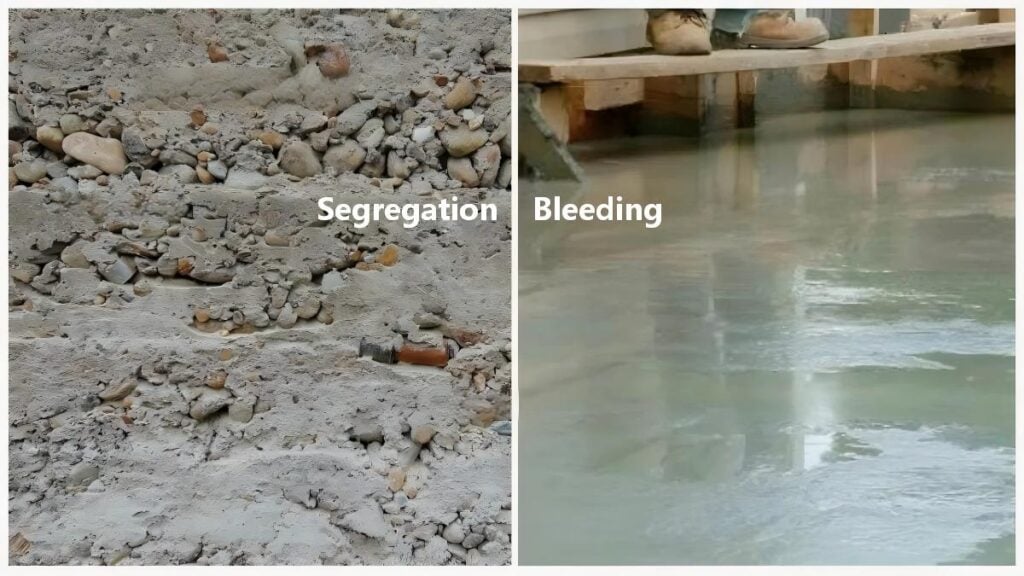
Segregation vs Bleeding Concrete
This article explains the difference between concrete segregation and bleeding—definition, appearance, causes, and performance effects—and introduces SIDLEYCHEM’s stabilizing rheology modifier series (VMA, LV1, 5R/7R/9R) for targeted solutions… Continue reading
Water Reducer Working Principle
This article analyzes the synergistic relationship between water and water reducers in concrete, explaining the working principle, two typical applications (water reduction vs. plasticizing), and mix design control points… Continue reading
Plastic Expansive Agent for Duct Grouting
This article details the core definition, chemical composition, gentle gas-forming expansion mechanism, and main applications of plastic expansive agents for duct grouting. It also provides key application parameters for SIDLEYCHEM’s product PEA50P, offering professional reference for ensuring prestressed grouting compactness… Continue reading
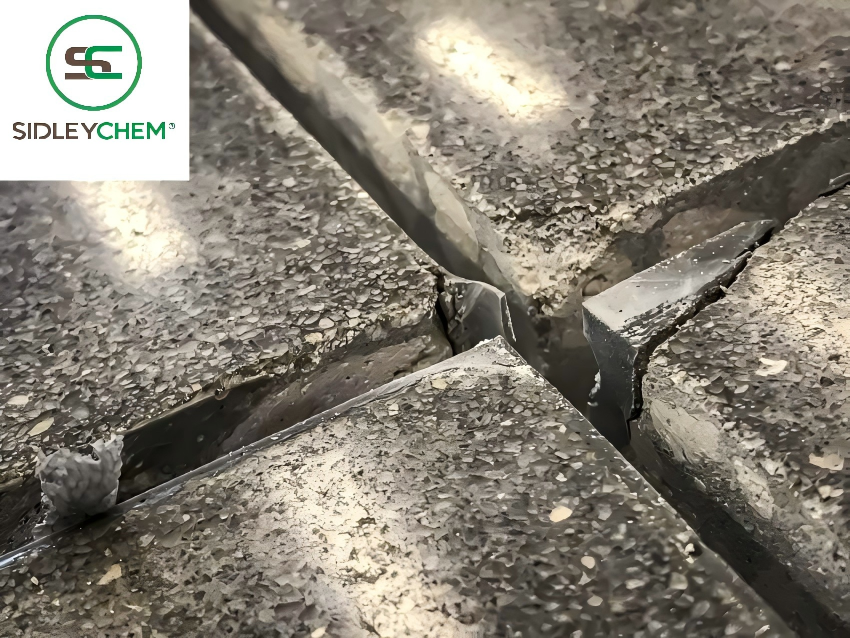
Choosing concrete expanding agents
How to select a concrete expanding agent? This guide compares 4 main types, their mechanisms & applications, provides dosage advice, and introduces SidleyChem’s high-efficiency SIDLEY EAMP masterbatch solution… Continue reading
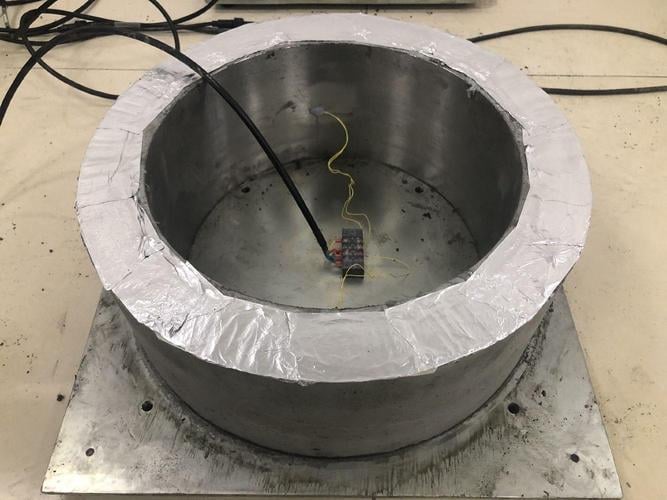
Expanding Agent vs Shrinkage Reducing Admixture
This article details the key differences between concrete expanding agents and shrinkage reducing admixtures (SRA) in mechanism, crack control efficacy, dosage, and applications, providing a clear guide for engineers to select the right solution based on shrinkage type and project needs… Continue reading

Microbead applications
Explore the engineering applications of SidleyChem’s Microbead material: enhancing performance in UHPC and self-compacting concrete, and expanding into industries like polymers and refractories. Get application data & selection guides for different systems (e.g., D50=10μm/18μm) to drive material innovation… Continue reading
Microbead spherical powder
This article details the three mechanisms of SidleyChem’s new Microbead (ultramicro-spherical powder): physical water reduction, micro-aggregate filling, and slow-release pozzolanic activity. Learn how its unique morphology enhances concrete workability, density, and durability for innovative high-performance material design… Continue reading
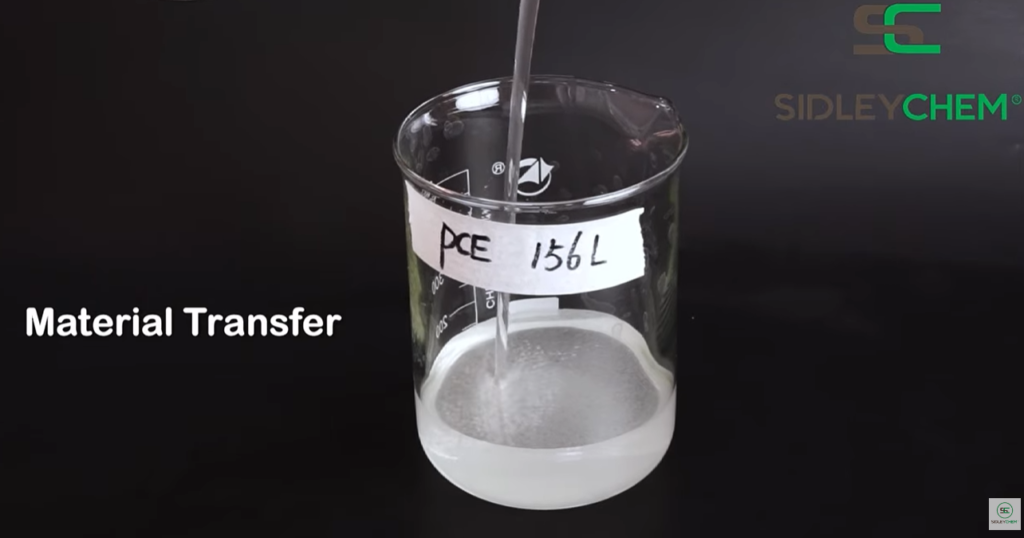
PCE synthesis procedure
This article presents a practical laboratory procedure for synthesizing PCE, including raw materials, A/B/C solution preparation, feeding sequence, reaction timing, and mother liquor completion… Continue reading
concrete mineral admixtures
Discover how high-performance inorganic mineral admixtures like Sidley Fume45 enhance concrete workability and durability. Learn about their advantages in improving fluidity, strength, and resistance to environmental factors… Continue reading
water reduction rate measurement
How to measure the water reduction rate of concrete water reducers? This guide explains the differences between paste, mortar, and concrete testing methods and how to interpret the results… Continue reading
