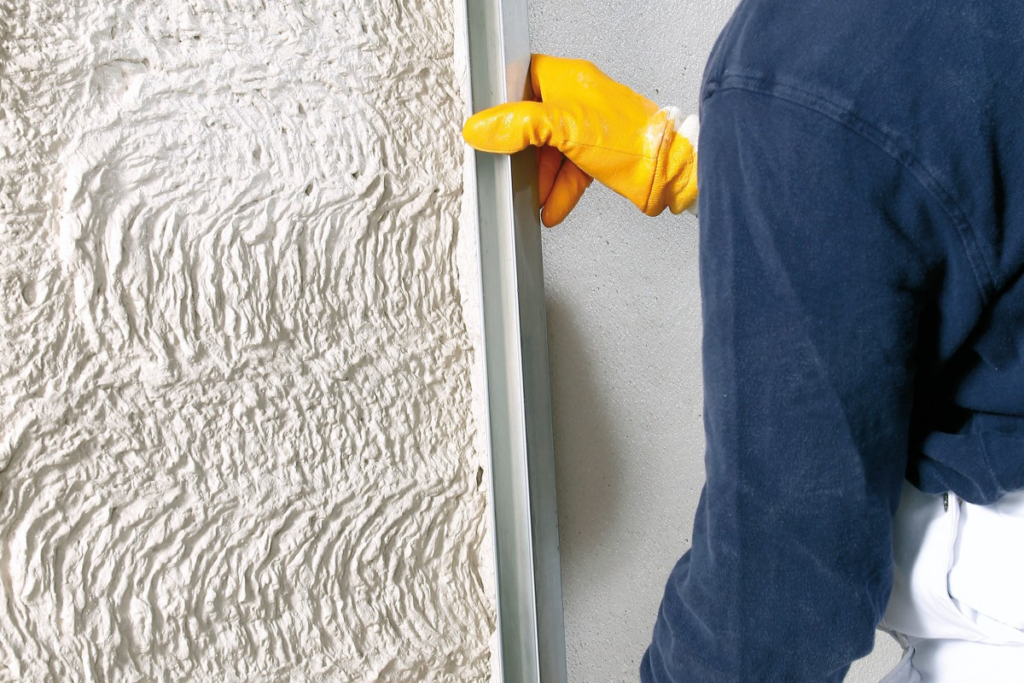
Repair Mortar

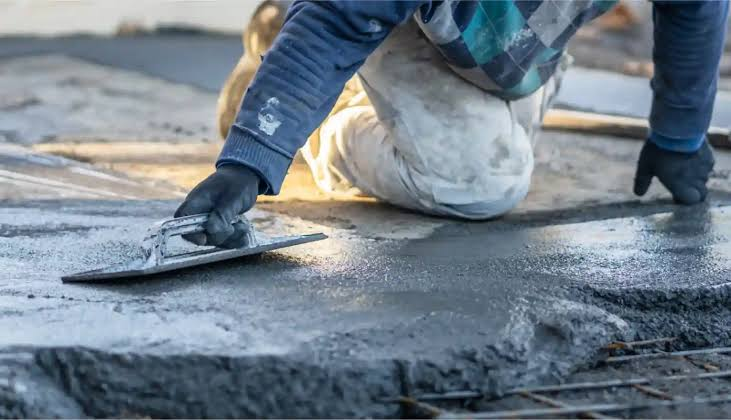
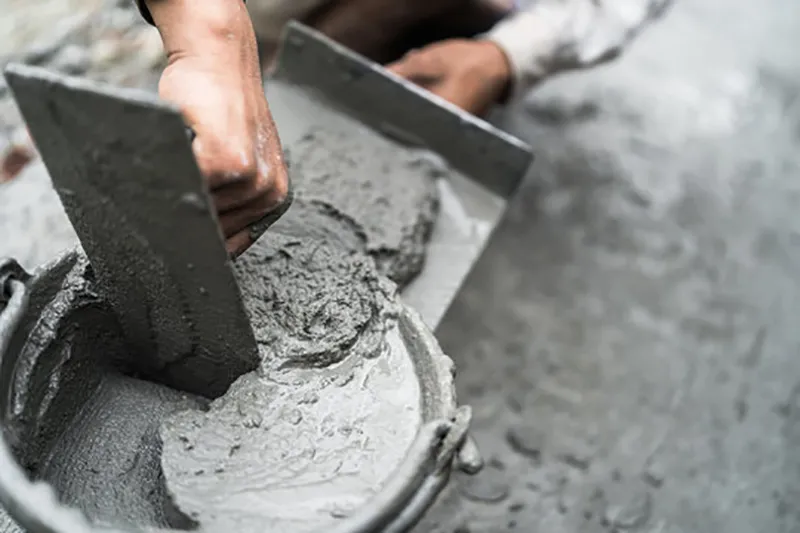
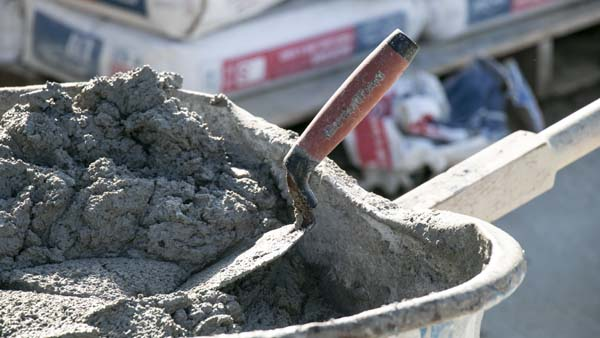
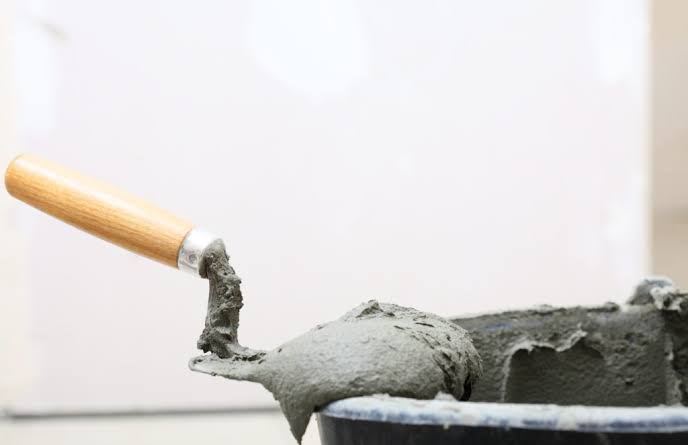
Repair mortar primarily consists of cement, mineral admixtures, aggregates, fillers, and additives.

Follow standards:EN 1504-3

01What is Repair mortar?

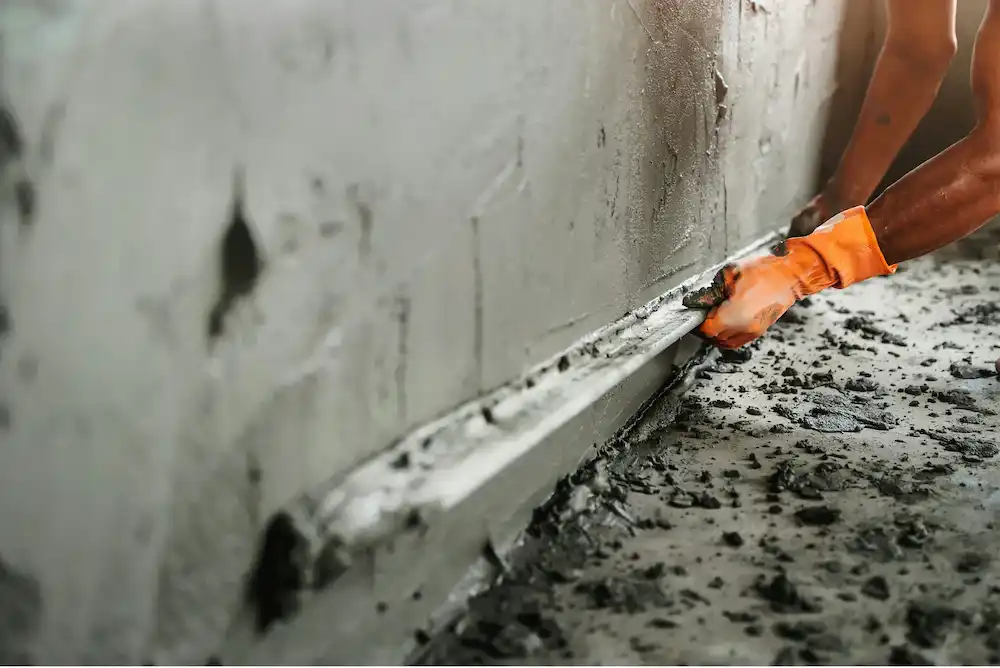
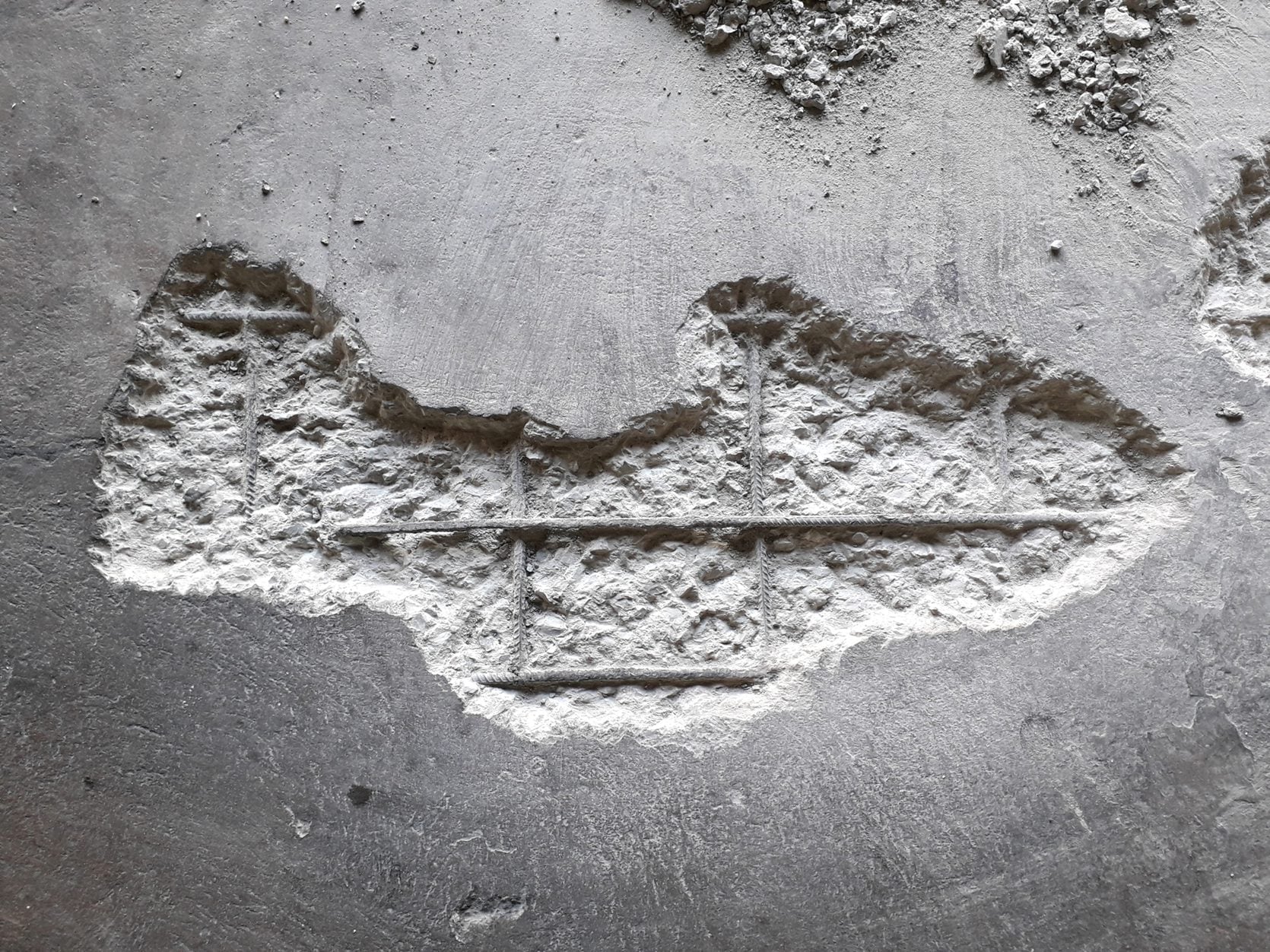
Repair mortar primarily consists of cement, mineral admixtures, aggregates, fillers, and additives. This cement-based mortar is used for repairing structures and buildings. Its key technical indicators include compressive strength, bond strength, interfacial flexural strength, abrasion resistance, and drying shrinkage. For specialized applications, additional properties such as corrosion resistance, permeability, chloride ion content, water absorption, and setting time must also be considered. flexural strength, bond strength, interfacial flexural strength, abrasion resistance, and dry shrinkage rate. For specialized applications, additional properties like erosion resistance, water resistance, chloride ion content, water absorption, and setting time must also be considered.

Reinforcement mortar primarily consists of cement, fine aggregate, admixtures, and additives. It is a high-strength cementitious mortar used for strengthening concrete structures.
03Additives

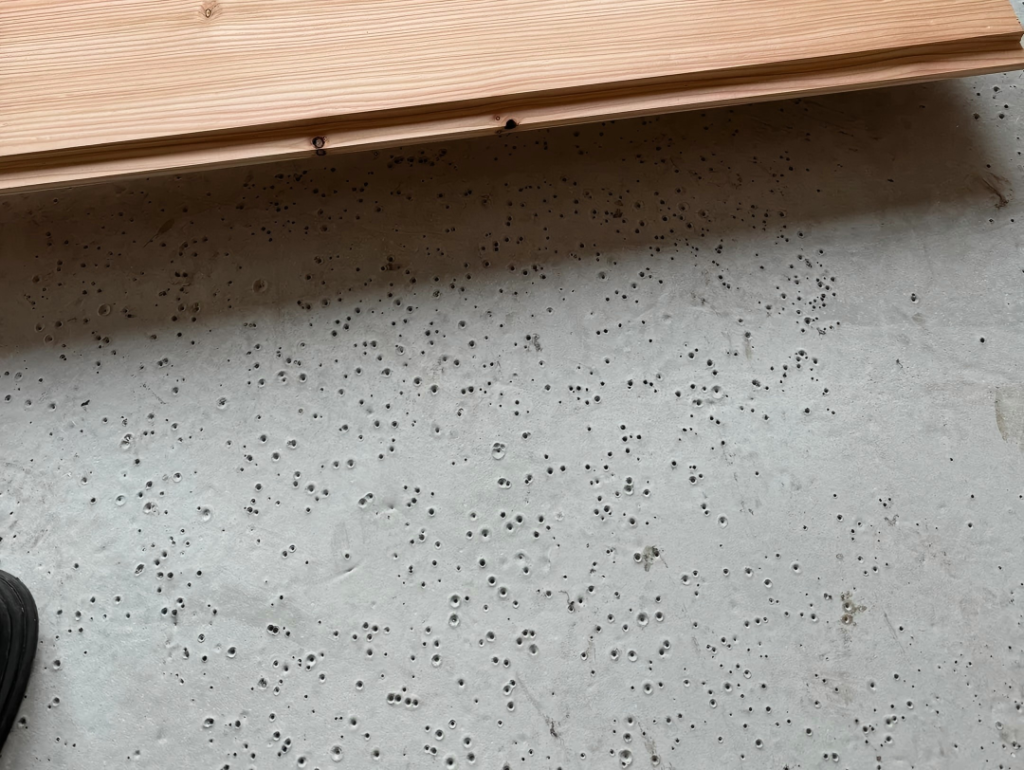
Additives significantly enhance mortar adhesion, prevent cracking, improve workability, control coagulation, and increase early strength. By combining polymers (such as polymer emulsions) with chemical admixtures (like water-reducing agents and early strength agents), repair mortars become more durable and easier to apply. This adaptability to diverse substrates and environmental conditions makes them essential for modern high-performance repair materials.

Download Product Catalog
Melamine superplasticizer
Suspension Stabilizer

Drymortar Tech+

Why Does Dry Mix Mortar Cake During Storage?

Discover why dry mix mortar cakes during storage and transportation. Learn how moisture, packaging, raw materials, and formulation affect storage stability, and explore practical solutions to maintain product quality… Continue reading

Why Does Tile Grout Change Color After Curing?

Discover the most common causes of tile grout color inconsistency after curing and learn practical solutions through proper formulation, pigment selection, moisture control, and construction practices… Continue reading

Tile adhesive bond strength

Learn the most common reasons why tile adhesive loses bond strength and discover practical solutions through proper formulation, additive selection, substrate preparation, and construction practices… Continue reading

Gypsum Mortar Shrinkage: Causes and How to Prevent Cracks

Understand the main causes of gypsum mortar shrinkage and learn how to prevent cracks using HPMC, gypsum retarder, and proper formulation and construction practices… Continue reading

gypsum mortar water retention

Learn practical ways to enhance the water retention of gypsum mortar using HPMC, starch ether, and proper mixing techniques to improve workability and reduce cracks… Continue reading

Extend gypsum setting time

Learn why gypsum mortar loses workability too quickly and discover practical solutions using gypsum retarders, HPMC, and formulation optimization to extend working time without compromising strength… Continue reading

Tile Adhesive Crack Resistance Solutions

This article analyzes 5 main causes of tile adhesive cracking: insufficient flexibility, poor water retention, excessive shrinkage, poor substrate preparation, and incorrect additive selection, with solutions including HPMC, RDP, and other crack-resistant additives… Continue reading

Lightweight Gypsum Plaster Cellulose Ether

This article compares the performance of * 60010 and Sidley ME 42M07 cellulose ethers in lightweight gypsum plaster, including consistency, setting time, strength, and bond performance, providing data reference for dry-mix mortar formulation selection… Continue reading

Tile Adhesive Formulation

This article presents a C0 grade tile adhesive formulation trial comparing high, medium, and low viscosity cellulose ethers on open time and tensile bond strength, providing data reference for formulation optimization and cellulose ether selection… Continue reading

Tile adhesive open time

This article tests cellulose ethers (MP 17N01, ME 14N02, etc.) with varying viscosities and dosages to verify their effect on the open time of C1 tile adhesive, providing experimental data and conclusions… Continue reading