
Why Does Cement-Based Wall Putty Become Powdery After Drying?
A cement-based wall putty may feel smooth during application but become weak and dusty after drying.
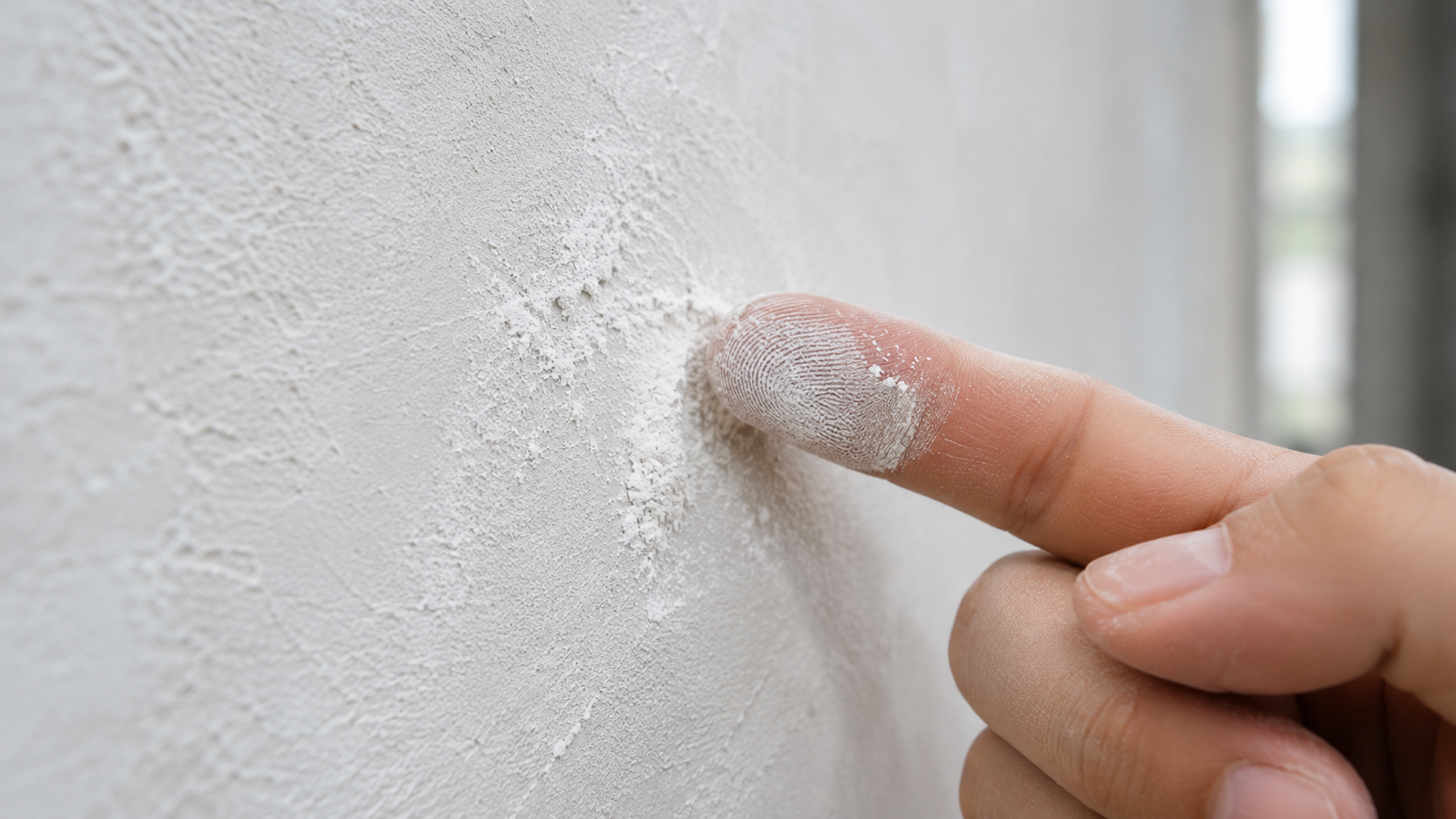
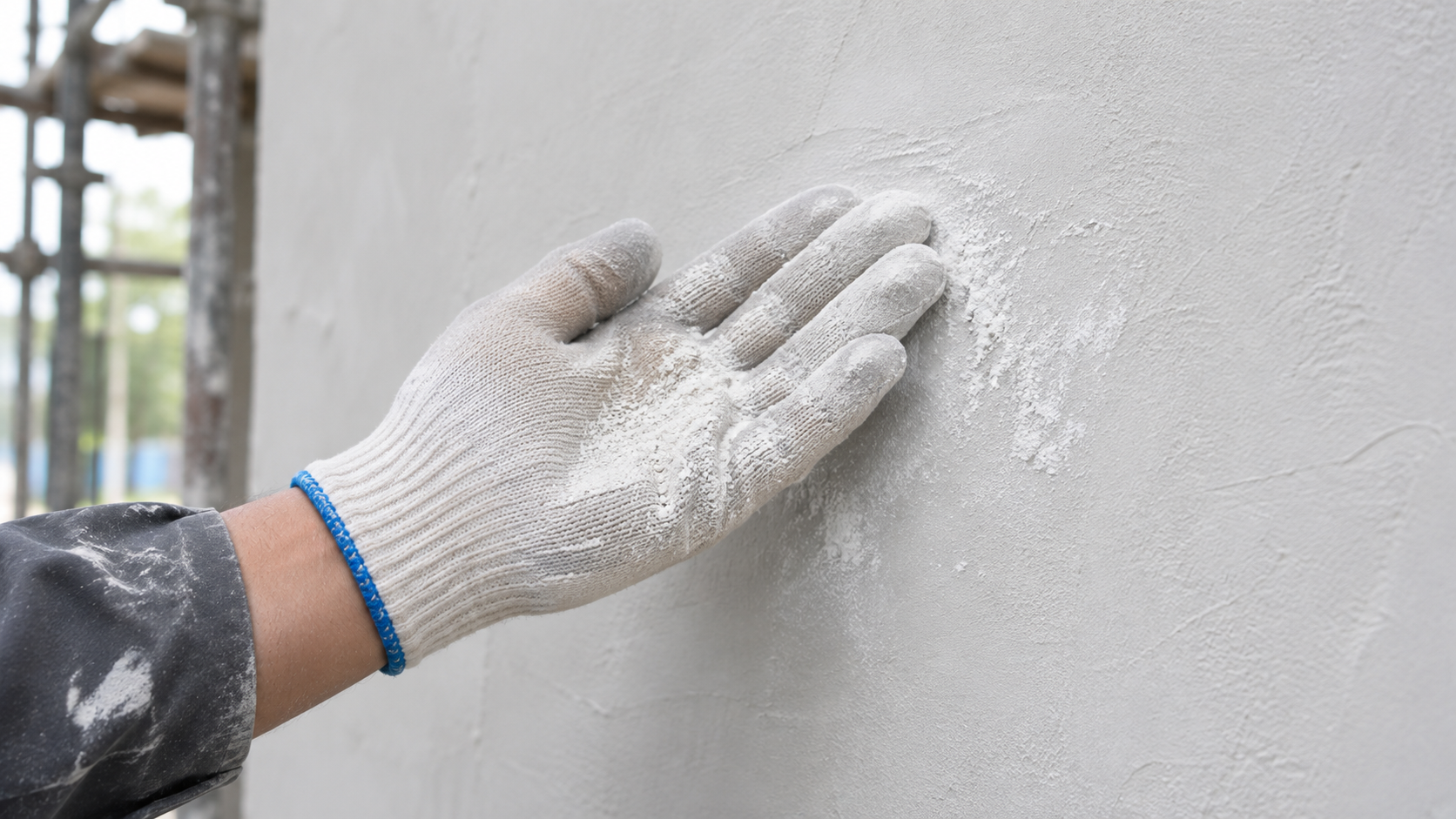
When the surface is rubbed by hand, fine powder comes off easily. In more serious cases, sanding produces excessive dust and the following paint layer may have poor adhesion.
This problem is usually called wall putty powdering.
The first reaction is often to add more HPMC or RDP. But the real cause may come from water loss, insufficient binder, excessive filler, or poor curing.
1. Check Water Retention
Cement needs enough water to continue hydration.
If the substrate absorbs water too quickly, or the environment is hot and dry, the putty may lose moisture before sufficient strength develops.
This can leave a weak, powdery surface.
HPMC/MHEC is important in cement-based wall putty because it improves water retention and helps maintain workable consistency. SidleyChem’s construction-grade cellulose ether range includes dedicated grades for skim coat and wall putty applications.
When troubleshooting, check:
- substrate absorption;
- application temperature;
- drying speed;
- cellulose ether dosage;
- water retention.
Do not judge HPMC only by viscosity.
2. Check the Binder-to-Filler Balance
A putty containing too much filler and too little effective binder may look fine when wet but become weak after drying. Typical signs include:
- powder comes off under light rubbing;
- the surface scratches easily;
- sanding removes too much material;
- paint adhesion becomes poor.
If the binder level is too low, increasing cellulose ether alone will not solve the problem. Check the cement, filler, and polymer content together.
3. RDP Can Improve Surface Cohesion
Redispersible polymer powder can improve adhesion, cohesion, flexibility, and durability in polymer-modified dry-mix materials.
SidleyChem’s RDP range includes grades specifically recommended for skim coat and wall putty applications.
If the putty has enough cement but still shows weak cohesion, RDP type and dosage should be reviewed. However, more RDP is not automatically better. The correct dosage should provide enough surface integrity without making the putty too hard to sand or unnecessarily increasing formulation cost.
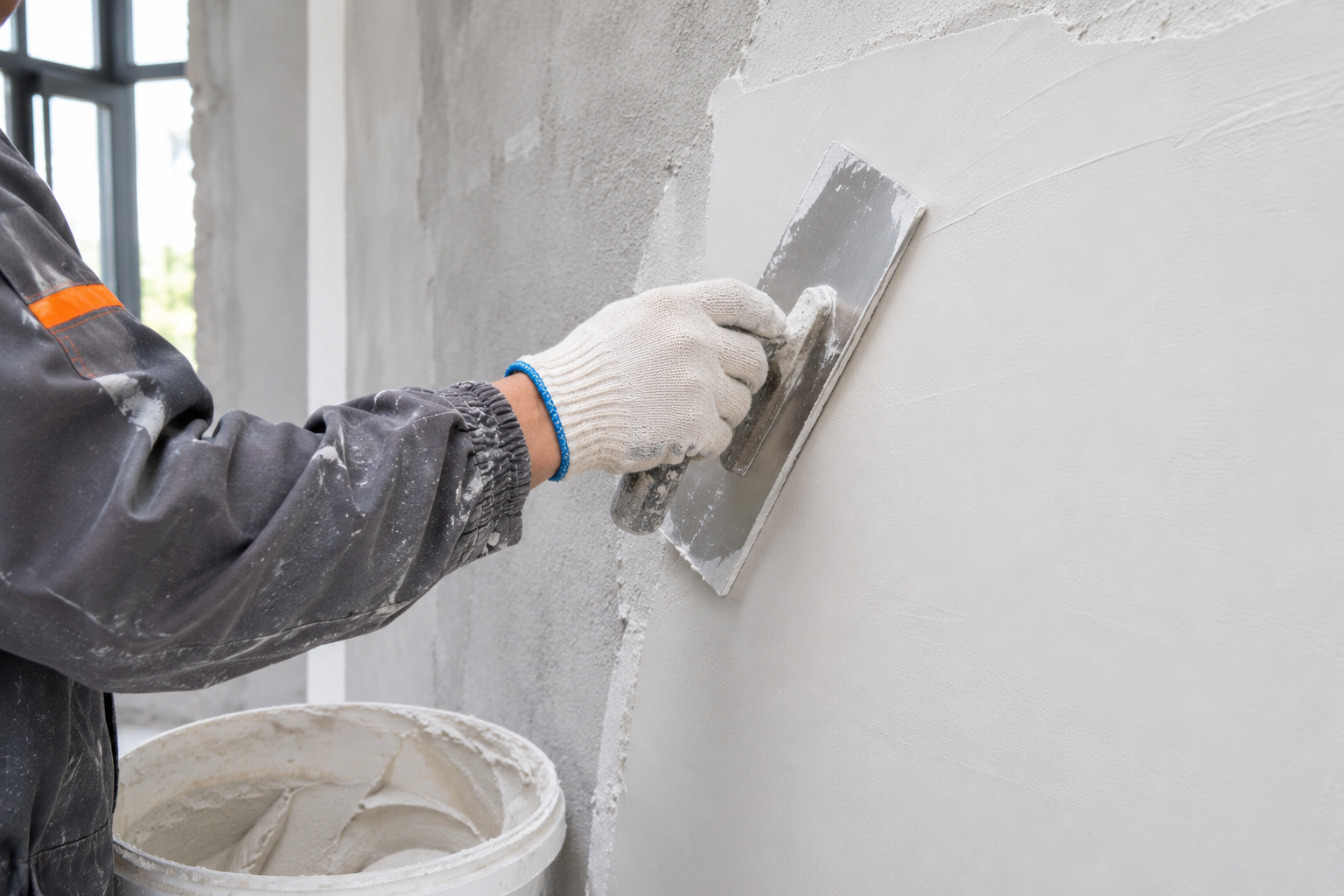
4. Too Much Mixing Water Can Also Reduce Strength
Extra water makes wall putty easier to spread, but after drying it leaves behind additional pores.
This may reduce surface strength.
When comparing formulations, keep the water dosage consistent.
A simple comparison can be:
| Sample | Variable |
|---|---|
| A | Current formulation |
| B | Adjusted HPMC/MHEC |
| C | Adjusted RDP |
| D | Reduced water demand |
Then compare application feel, drying speed, sanding, and surface powdering.
5. Check the Substrate and Drying Conditions
Sometimes the formulation is acceptable but the application environment causes the problem.
Pay attention to:
- highly absorbent walls;
- dusty substrates;
- high temperature;
- strong airflow;
- very thin application layers;
- rapid drying after application.
Conclusion
Wall putty powdering after drying is not always caused by insufficient HPMC or RDP.
The real cause may involve:
- poor water retention;
- insufficient binder;
- excessive filler;
- too much mixing water;
- unsuitable RDP dosage;
- rapid drying;
- highly absorbent substrates.
The best approach is to identify whether the weakness comes from surface water loss, low internal cohesion, or application conditions before changing the additive package.
For cement-based wall putty, the target is a surface that is smooth and easy to sand, but still strong enough to resist excessive powdering.





Drymix Mortar Tech+
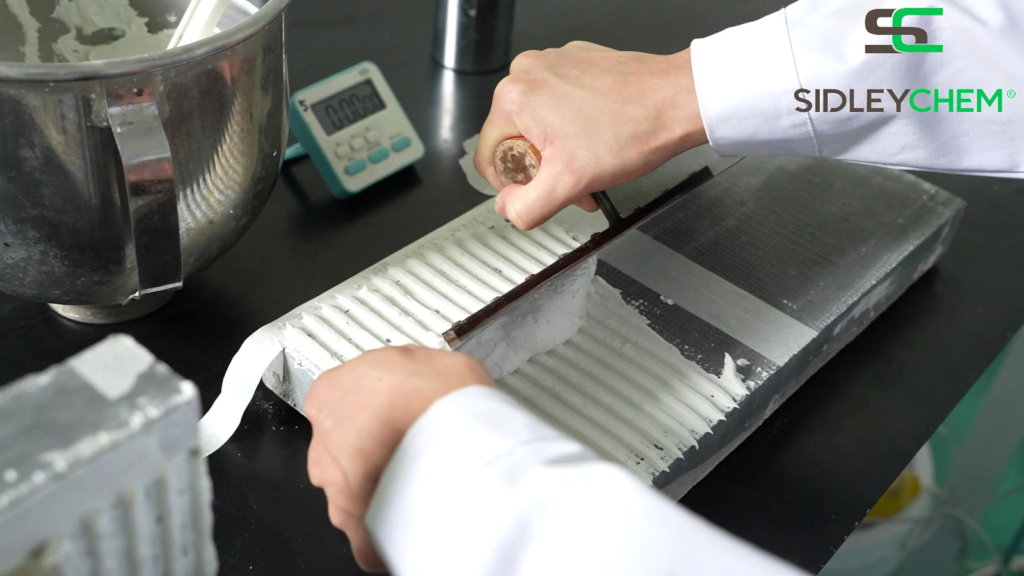
How does C2TES1 maintain an excellent open time even with a high dosage of polymer additives?
See SidleyChem’s ME H14N30 lab comparison for C2TES2-targeted tile adhesives, featuring troweling, vertical placement and tile-back mortar transfer… Continue reading
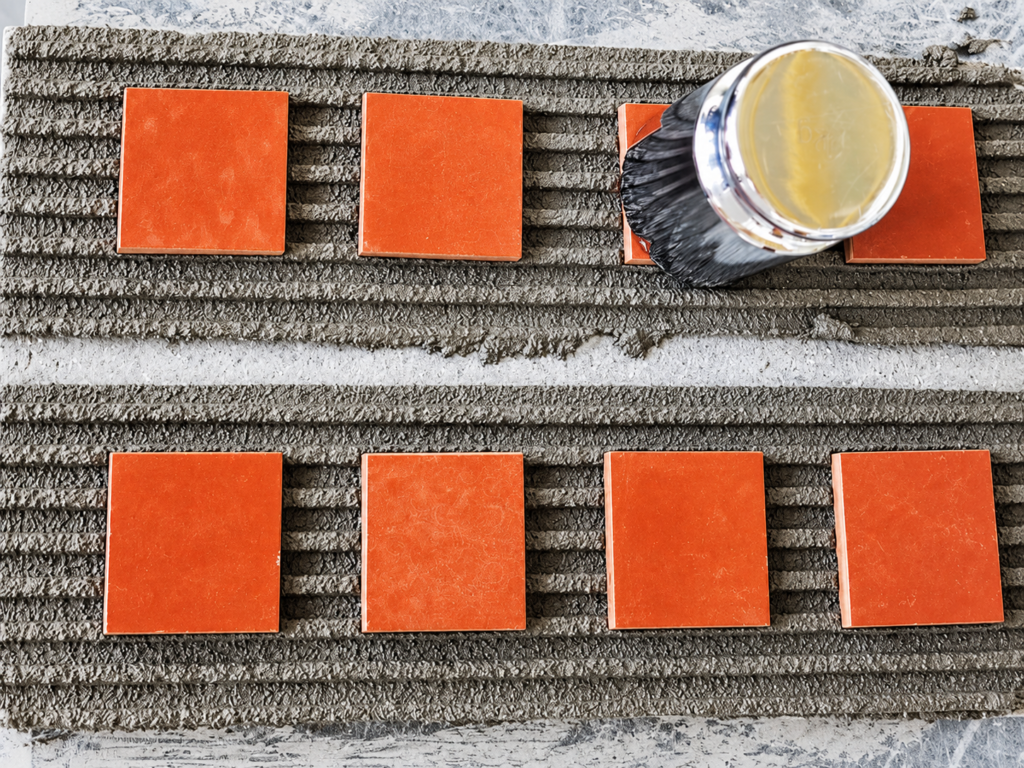
Why Does Tile Adhesive Lose Bond Strength After Water Immersion?
Tile adhesive loses bond strength after water immersion? Learn how RDP, water ratio, curing, and polymer balance affect wet adhesion… Continue reading
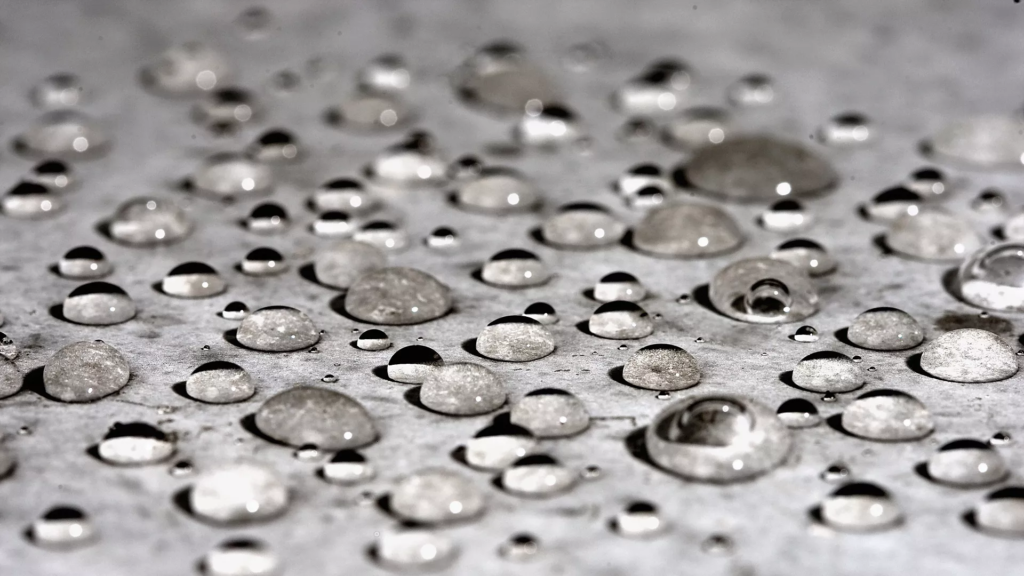
Waterproof Mortar Still Absorbs Water: Causes & Fixes
Waterproof mortar still absorbs water? Learn how hydrophobic powder, porosity, water ratio, and curing affect water resistance… Continue reading
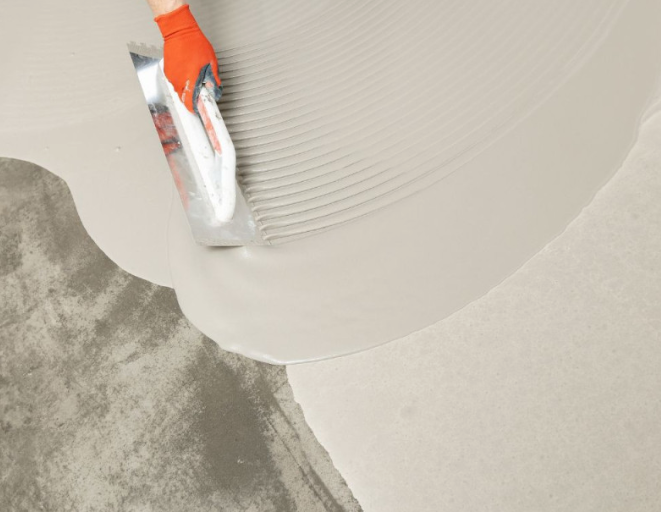
Self-Leveling Mortar Flow Loss: Causes & Solutions
Self-leveling mortar may have good initial flow but lose workability within minutes. Learn how PCE, cellulose ether, setting time, and temperature affect flow retention… Continue reading
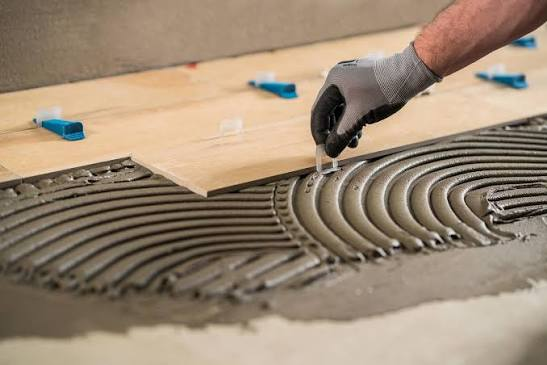
Tile Adhesive Slipping After Adding HPMC: Causes & Fixes
Tile adhesive can still slip even after increasing HPMC. Learn how HPMC grade, water demand, starch ether, thixotropy, and formulation balance affect slip resistance… Continue reading
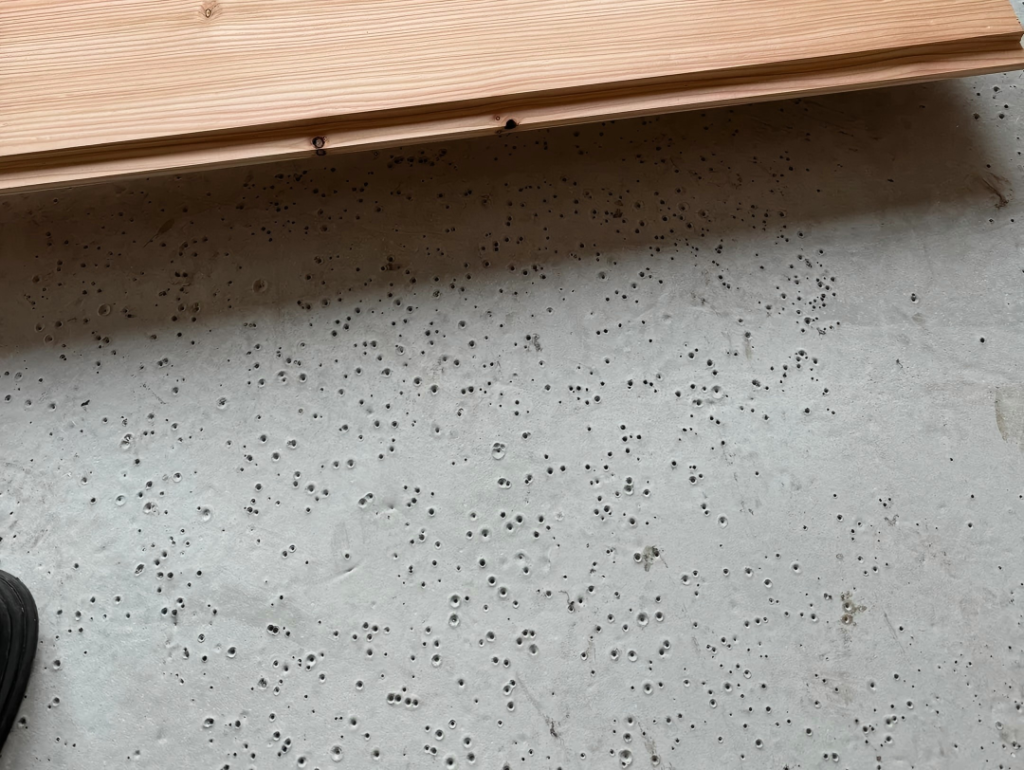
Pinholes in Self-Leveling Mortar: Defoamer, Mixing, or Substrate?
Pinholes in self-leveling mortar are not always caused by insufficient defoamer. This guide explains how to distinguish formulation foam, mixing-induced air, substrate outgassing, and insufficient healing time through a simple three-surface comparison test and practical corrective actions… Continue reading
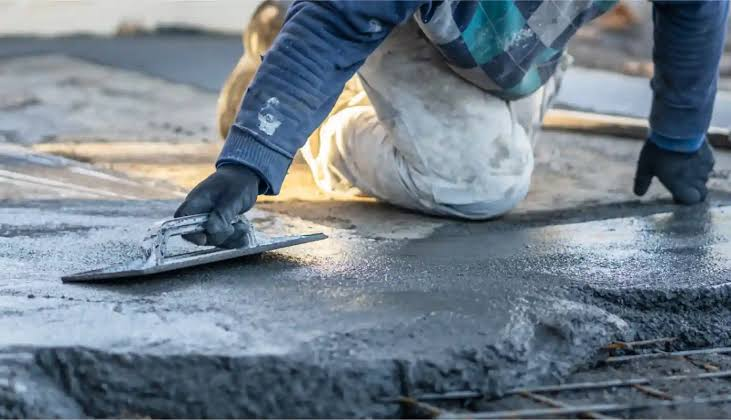
Why Does Dry Mortar Have Poor Water Retention?
Learn why dry mortar has poor water retention and how HPMC and MHEC can improve water retention, workability, and cement hydration in dry-mix mortar… Continue reading
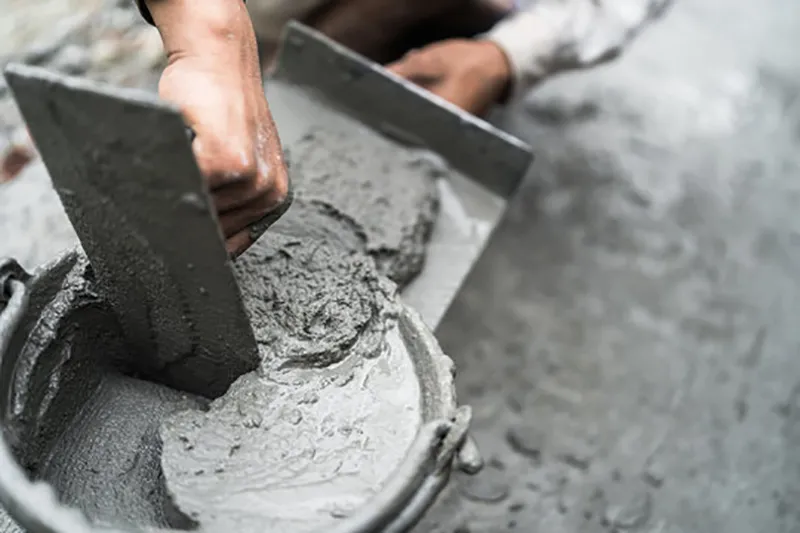
Dry-Mix Mortar Summer Formulation Adjustment
Why does the same formulation fail in summer? The key is cellulose ether. High temperatures cause ordinary HPMC water retention to drop sharply — increase dosage by 0.1%-0.2%, switch to high gel temperature grades, and combine with retarders. This article gives three practical adjustment directions to tackle summer construction challenges… Continue reading
Mortar Setting Too Fast in Summer Heat?
Mortar drying out in half an hour on summer job sites? High-temperature accelerated hydration is the culprit. This article breaks down the features and selection of sodium gluconate, citric acid, tartaric acid, and boric acid retarders, with dosage adjustment and blending strategies to tackle summer construction challenges… Continue reading
Why Does Dry Mix Mortar Cake During Storage?
Discover why dry mix mortar cakes during storage and transportation. Learn how moisture, packaging, raw materials, and formulation affect storage stability, and explore practical solutions to maintain product quality… Continue reading
