
Improve mortar workability
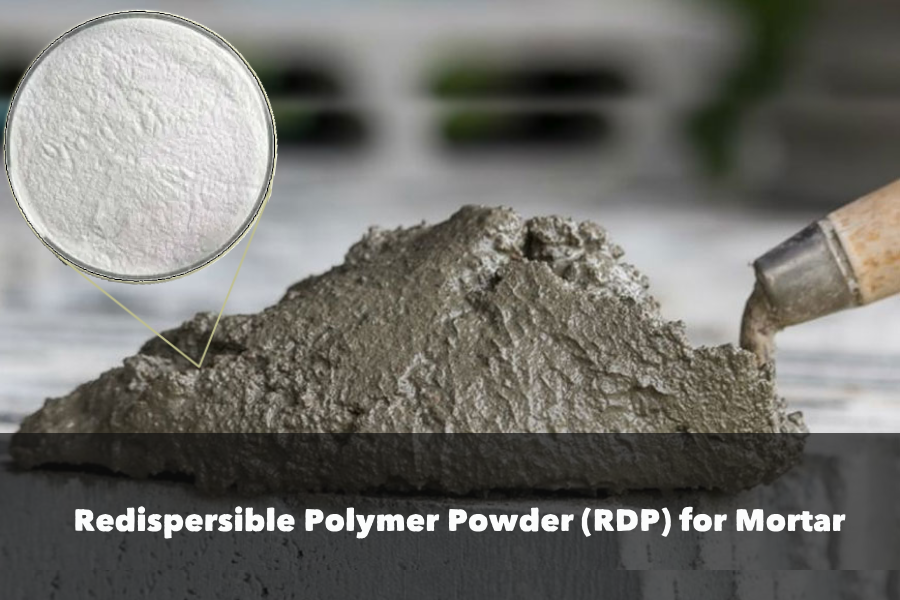
In construction, traditional mortars often face issues such as short open time, difficult application, and insufficient adhesion. Redispersible Polymer Powder (RPP), as a functional polymer additive, can effectively address these pain points. This article analyzes its mechanism of action and practical application effects.
I. What is Redispersible Polymer Powder?
Redispersible Polymer Powder is a high-molecular-weight polymer powder produced via spray drying. It can redisperse in water to form an emulsion, retaining its adhesive properties, making it suitable for use in dry-mix mortars. Its addition results in “polymer-modified mortar” with significantly enhanced performance.
II. Common Problems with Traditional Mortar
Conventional mortar is typically made by mixing cement, gypsum, or lime with fine sand or stone chips and a small amount of additives. Such mortars often encounter the following problems during production and application:
1.Short open time
2.Difficult application: sticky, hard to trowel and spread
3.Loose state, prone to spillage, poor stickiness
4.Prone to sagging
5.Susceptible to cracking, hollowing, and detachment
III. Mechanism of Action and Performance Enhancement
After adding Redispersible Polymer Powder to the mortar, it redisperses in the hydration system and forms a continuous polymer film. This film structure interweaves with cement hydration products, forming an organic-inorganic composite three-dimensional network, fundamentally improving various properties of the mortar:
1.Extended Open Time: The polymer film formation slows down water evaporation and loss.
2.Improved Workability: Enhances plasticity and smoothness for easier application.
3.Excellent Adhesion: Improves stickiness to various substrates.
4.Anti-Sagging: Increases thixotropy, suitable for vertical application.

5.Enhanced Adhesion Strength: (to organic materials like EPS insulation boards).
6.Improved Cohesive Strength: (e.g., waterproof strength in tile adhesive, tensile strength in insulation rendering mortar).
7.Increased Flexibility: (e.g., in rendering mortar for external insulation systems).
IV. SidleyChem Product System: Professional Solutions for Different Scenarios
By rationally selecting Redispersible Polymer Powder, mortar construction challenges can be systematically solved. SidleyChem provides a full range of Redispersible Polymer Powder products to meet various engineering needs. Our portfolio includes Series 6 (rigid), Series 7 (semi-flexible/semi-rigid), Series 8 (flexible), and Series 9 (specialty) products for selection. We provide comprehensive products and technical support to help improve project quality.




Drymix mortar Tech+
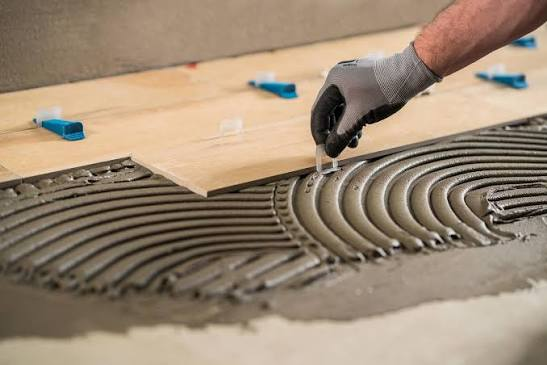
Tile Adhesive Slipping After Adding HPMC: Causes & Fixes
Tile adhesive can still slip even after increasing HPMC. Learn how HPMC grade, water demand, starch ether, thixotropy, and formulation balance affect slip resistance… Continue reading
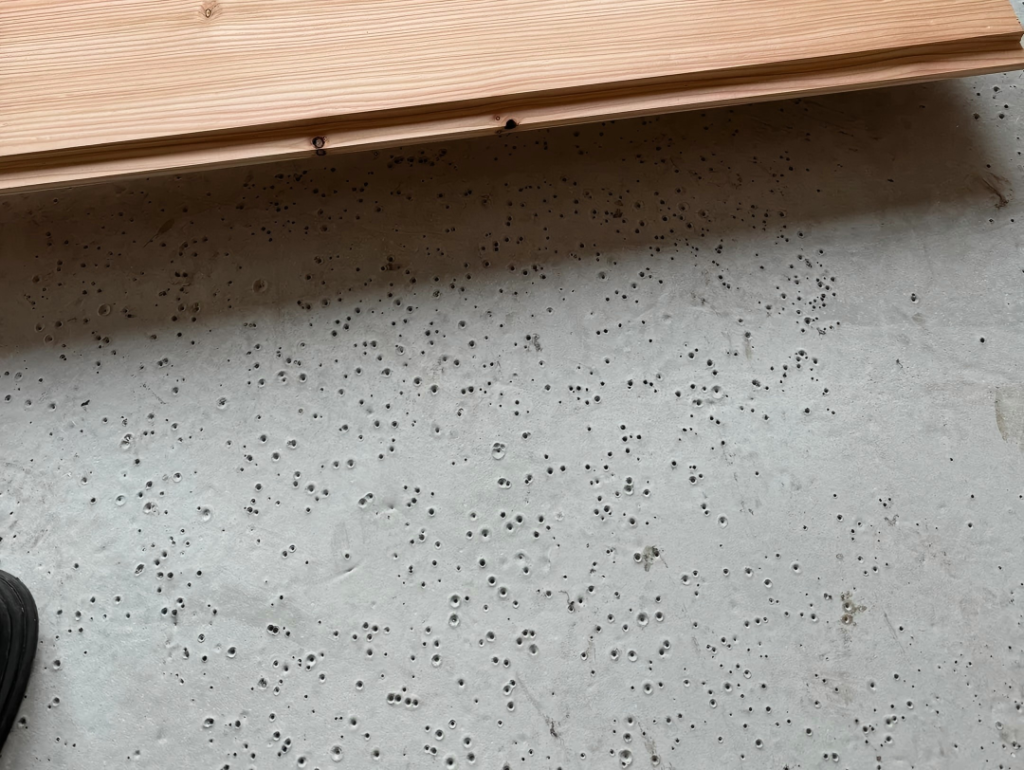
Pinholes in Self-Leveling Mortar: Defoamer, Mixing, or Substrate?
Pinholes in self-leveling mortar are not always caused by insufficient defoamer. This guide explains how to distinguish formulation foam, mixing-induced air, substrate outgassing, and insufficient healing time through a simple three-surface comparison test and practical corrective actions… Continue reading
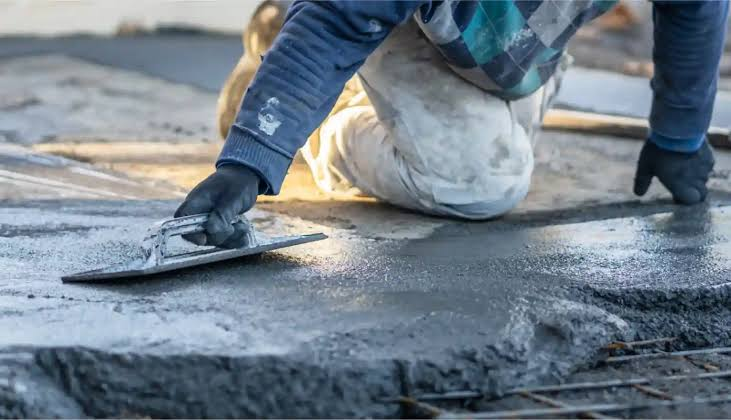
Why Does Dry Mortar Have Poor Water Retention?
Learn why dry mortar has poor water retention and how HPMC and MHEC can improve water retention, workability, and cement hydration in dry-mix mortar… Continue reading
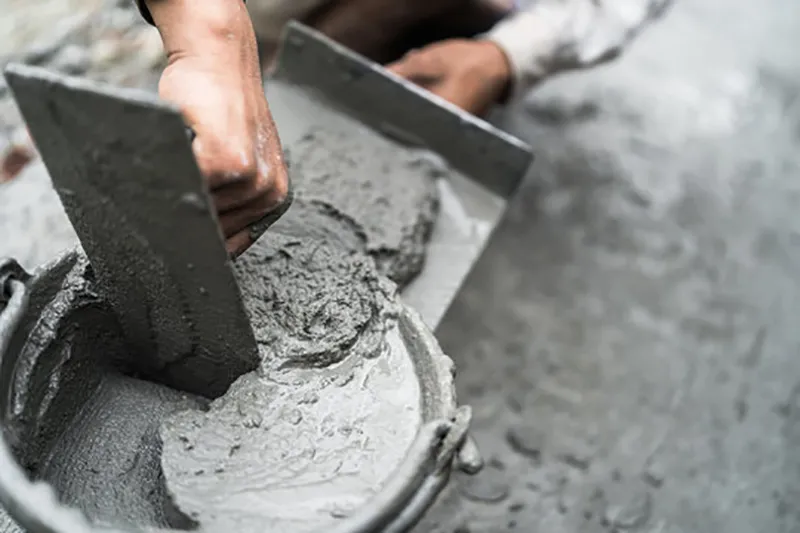
Dry-Mix Mortar Summer Formulation Adjustment
Why does the same formulation fail in summer? The key is cellulose ether. High temperatures cause ordinary HPMC water retention to drop sharply — increase dosage by 0.1%-0.2%, switch to high gel temperature grades, and combine with retarders. This article gives three practical adjustment directions to tackle summer construction challenges… Continue reading
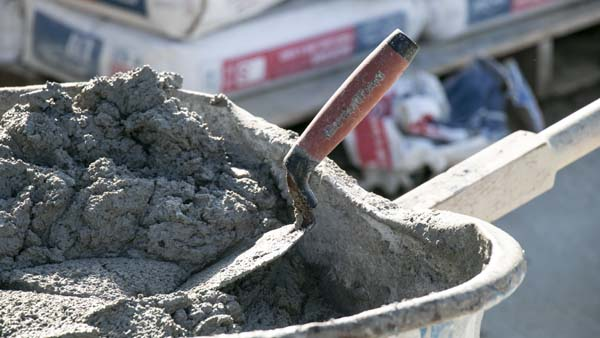
Mortar Setting Too Fast in Summer Heat?
Mortar drying out in half an hour on summer job sites? High-temperature accelerated hydration is the culprit. This article breaks down the features and selection of sodium gluconate, citric acid, tartaric acid, and boric acid retarders, with dosage adjustment and blending strategies to tackle summer construction challenges… Continue reading
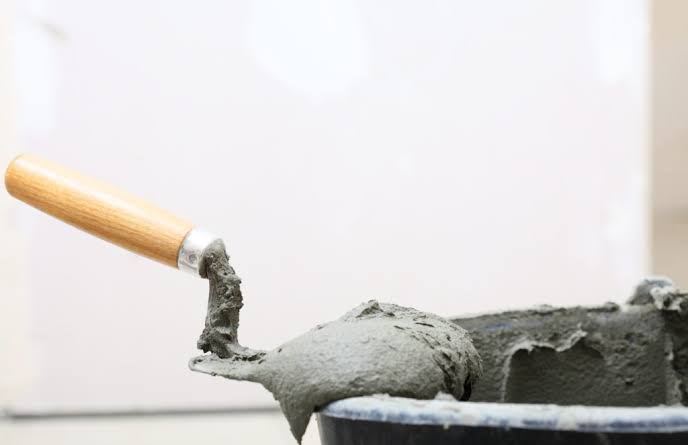
Why Does Dry Mix Mortar Cake During Storage?
Discover why dry mix mortar cakes during storage and transportation. Learn how moisture, packaging, raw materials, and formulation affect storage stability, and explore practical solutions to maintain product quality… Continue reading

Why Does Tile Grout Change Color After Curing?
Discover the most common causes of tile grout color inconsistency after curing and learn practical solutions through proper formulation, pigment selection, moisture control, and construction practices… Continue reading
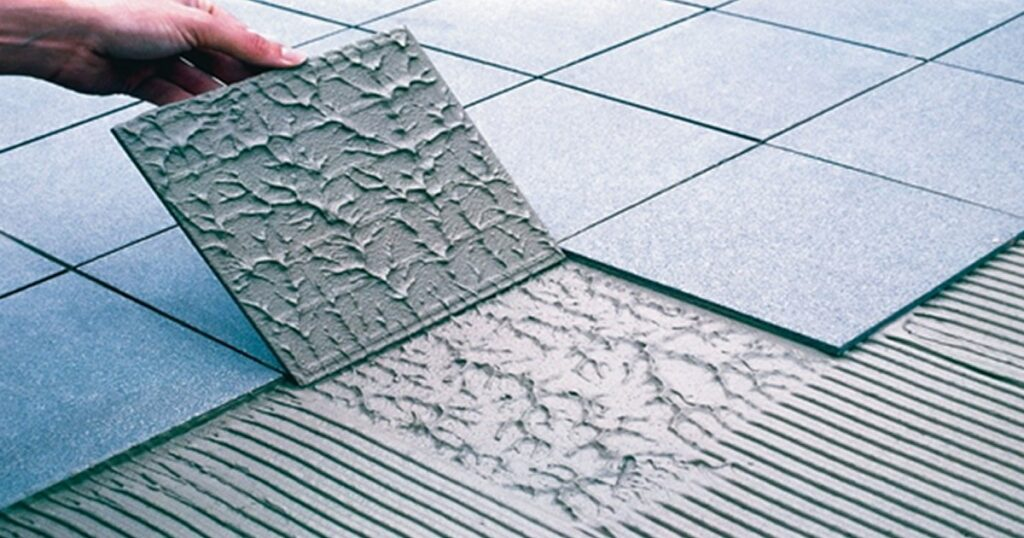
Tile adhesive bond strength
Learn the most common reasons why tile adhesive loses bond strength and discover practical solutions through proper formulation, additive selection, substrate preparation, and construction practices… Continue reading
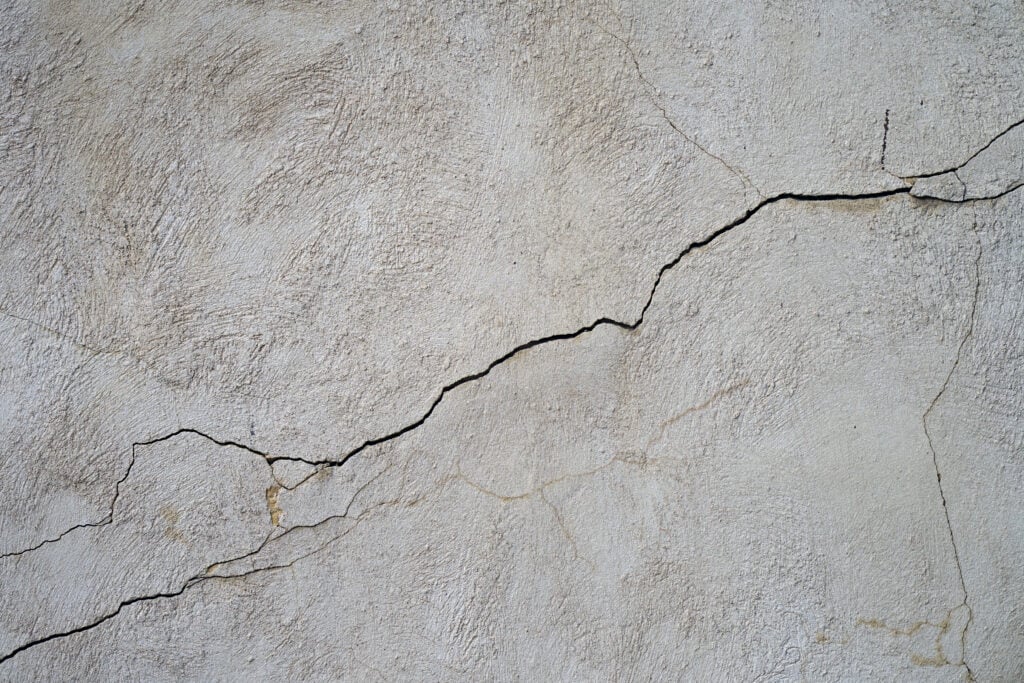
Gypsum Mortar Shrinkage: Causes and How to Prevent Cracks
Understand the main causes of gypsum mortar shrinkage and learn how to prevent cracks using HPMC, gypsum retarder, and proper formulation and construction practices… Continue reading
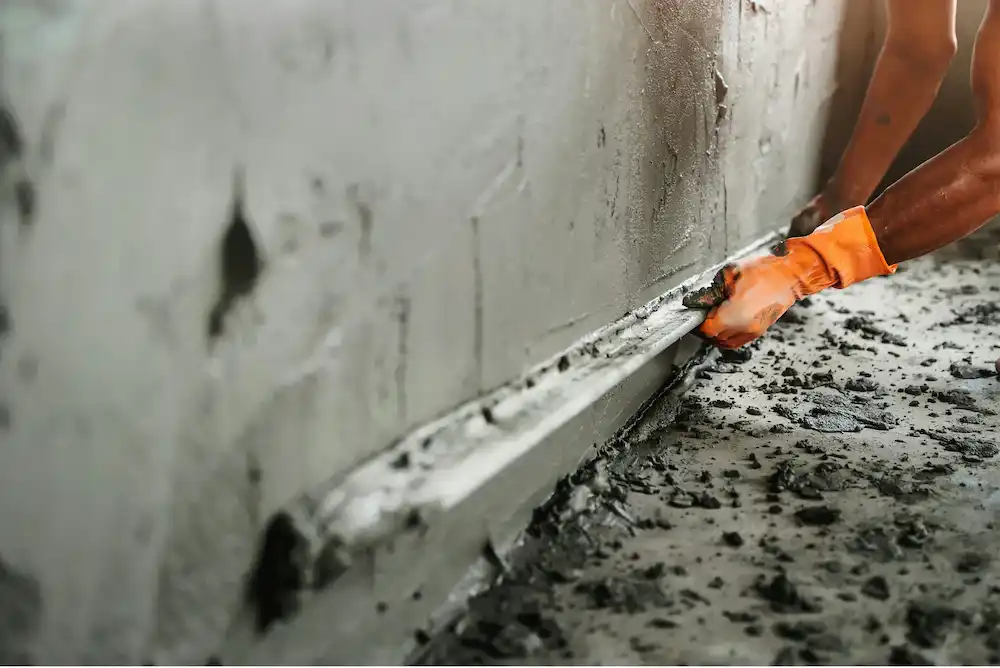
gypsum mortar water retention
Learn practical ways to enhance the water retention of gypsum mortar using HPMC, starch ether, and proper mixing techniques to improve workability and reduce cracks… Continue reading
