
sand clay influence tile adhesive
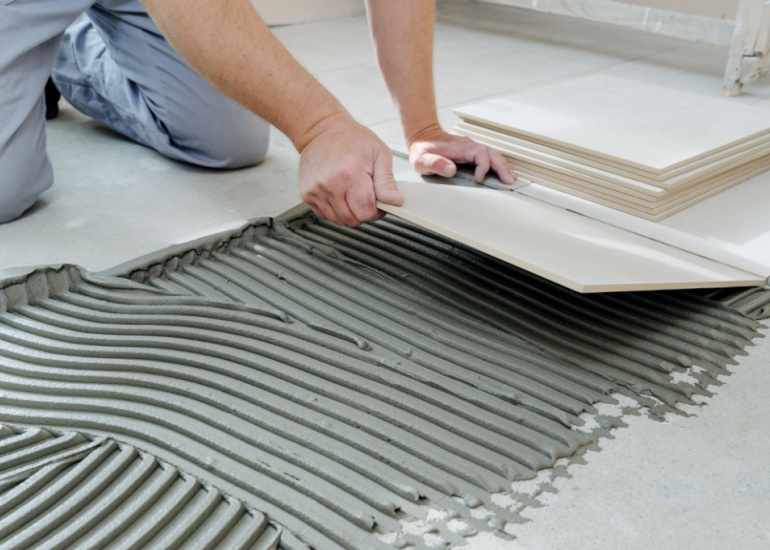
With the advancement of the times, dry powder construction products have gained widespread popularity. These products offer quick and convenient use—simply add water, mix, and apply. Dry powder tile adhesives stand as the most representative product in this category.
Professional manufacturing plants commonly use sand as aggregate when producing tile adhesives. Construction dry powders impose specific requirements on the moisture content and clay content of the sand used. This article briefly discusses the impact of clay-containing sand (20% clay content) on tile adhesive performance.
1. Impact on Tile Adhesive Wetting Properties
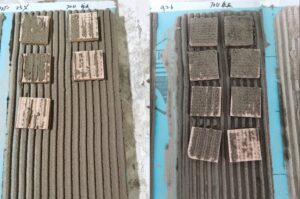
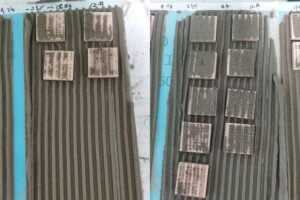
As shown below, the difference is significant: tile adhesive with clay-containing sand exhibits wetting times around 5 minutes, while adhesive without clay-containing sand takes approximately 25 minutes.
2. Impact on Open Time of Tile Adhesive
2.1.1 As shown below: Cured under laboratory conditions for 14 days
2.1.2
| silt | Sand | |||||
| Serial Number
|
Test Number
|
10min/MPa | 20min/MPa | 10min/MPa | 20min/MPa | Note
|
| 1 | A | 0.69 | 0.04 | 1.86 | 1.6 | |
| 2 | B | 1.14 | 0.84 | 1.29 | 0.64 | |
| 3 | C | 0.90 | 0.32 | 1.77 | 0.79 | |
| 4 | D | 1.07 | 1.01 | 0.72 | 0.5 | |
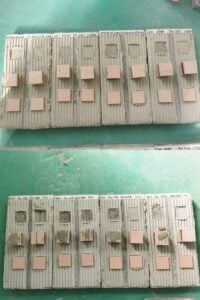
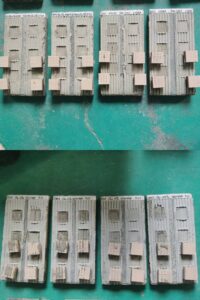
2.2 As shown below: Cured under laboratory conditions for 28 days
2.2.2
| silt | Sand | |||||
| Serial Number
|
Test Number
|
10min/MPa | 20min/MPa | 10min/MPa | 20min/MPa | Note
|
| 1 | A | 0.4 | 0.14 | 1.46 | 1.36 | |
| 2 | B | 1.41 | 0.57 | 1.82 | 1.49 | |
| 3 | C | 0.78 | 0.29 | 0.90 | 0.90 | |
| 4 | D | 1.23 | 0.43 | 1.01 | 0.88 | |
The figures and table data reveal that the open time for tile adhesive with clay-sand is 10 minutes, while that for tile adhesive without clay-sand exceeds 20 minutes.
3.summary
-Significantly Reduced Wetting Performance
The inclusion of sand significantly shortens the wetting time of the adhesive from 25 minutes to 5 minutes, severely impacting the material’s spreadability and initial adhesion on tile surfaces.
-Substantially Reduced Open Time
Experimental data indicates that the open time for the sand-containing system decreases from over 20 minutes to approximately 10 minutes, severely limiting construction flexibility.Bond strength is markedly reduced.




Drymix mortar Tech+
Tile Adhesive Slipping After Adding HPMC: Causes & Fixes
Tile adhesive can still slip even after increasing HPMC. Learn how HPMC grade, water demand, starch ether, thixotropy, and formulation balance affect slip resistance… Continue reading
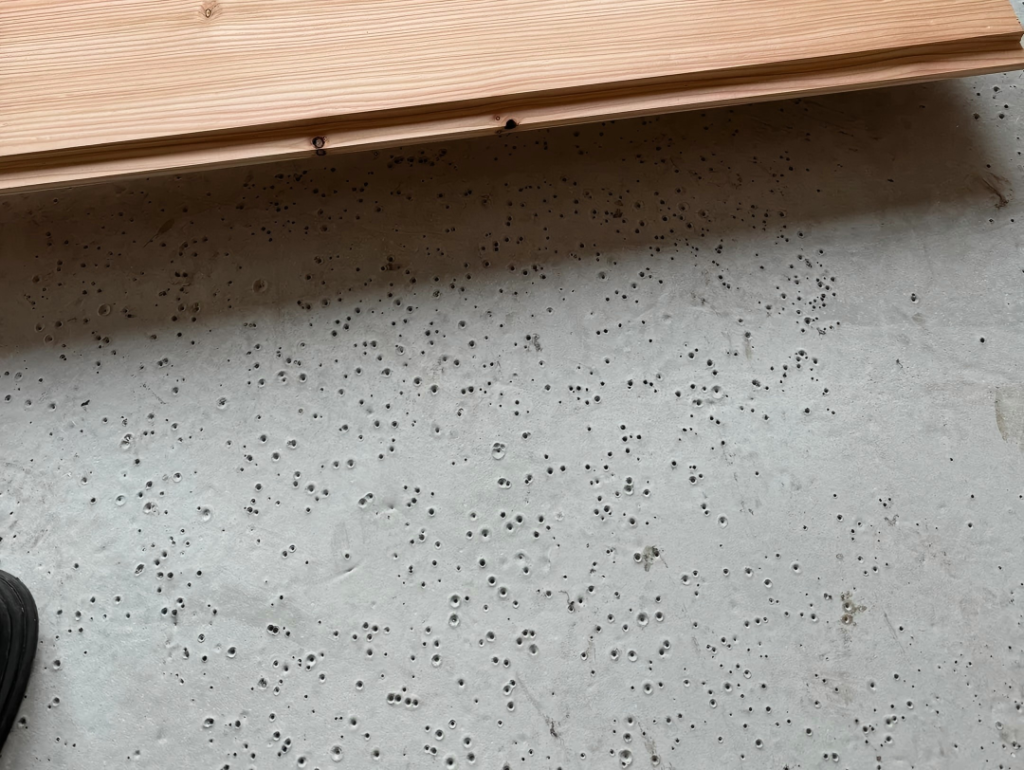
Pinholes in Self-Leveling Mortar: Defoamer, Mixing, or Substrate?
Pinholes in self-leveling mortar are not always caused by insufficient defoamer. This guide explains how to distinguish formulation foam, mixing-induced air, substrate outgassing, and insufficient healing time through a simple three-surface comparison test and practical corrective actions… Continue reading
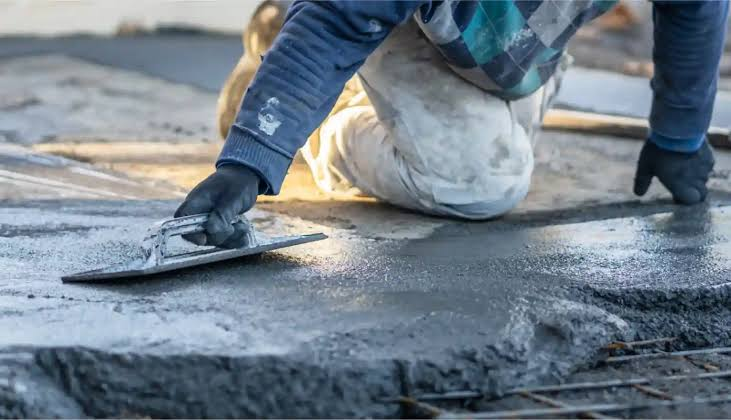
Why Does Dry Mortar Have Poor Water Retention?
Learn why dry mortar has poor water retention and how HPMC and MHEC can improve water retention, workability, and cement hydration in dry-mix mortar… Continue reading
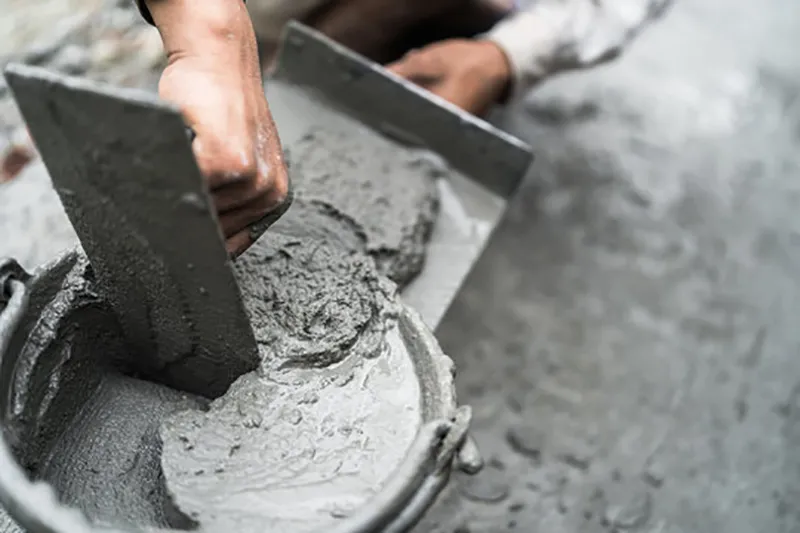
Dry-Mix Mortar Summer Formulation Adjustment
Why does the same formulation fail in summer? The key is cellulose ether. High temperatures cause ordinary HPMC water retention to drop sharply — increase dosage by 0.1%-0.2%, switch to high gel temperature grades, and combine with retarders. This article gives three practical adjustment directions to tackle summer construction challenges… Continue reading
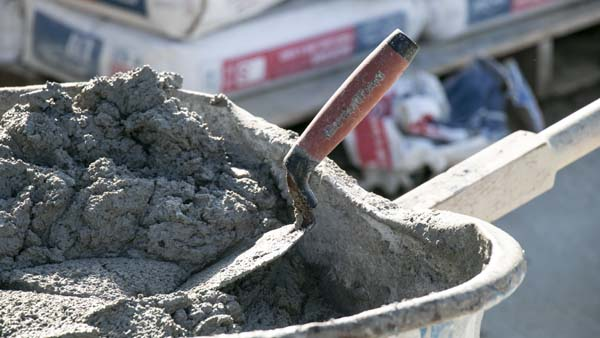
Mortar Setting Too Fast in Summer Heat?
Mortar drying out in half an hour on summer job sites? High-temperature accelerated hydration is the culprit. This article breaks down the features and selection of sodium gluconate, citric acid, tartaric acid, and boric acid retarders, with dosage adjustment and blending strategies to tackle summer construction challenges… Continue reading
Why Does Dry Mix Mortar Cake During Storage?
Discover why dry mix mortar cakes during storage and transportation. Learn how moisture, packaging, raw materials, and formulation affect storage stability, and explore practical solutions to maintain product quality… Continue reading
Why Does Tile Grout Change Color After Curing?
Discover the most common causes of tile grout color inconsistency after curing and learn practical solutions through proper formulation, pigment selection, moisture control, and construction practices… Continue reading
Tile adhesive bond strength
Learn the most common reasons why tile adhesive loses bond strength and discover practical solutions through proper formulation, additive selection, substrate preparation, and construction practices… Continue reading
Gypsum Mortar Shrinkage: Causes and How to Prevent Cracks
Understand the main causes of gypsum mortar shrinkage and learn how to prevent cracks using HPMC, gypsum retarder, and proper formulation and construction practices… Continue reading
gypsum mortar water retention
Learn practical ways to enhance the water retention of gypsum mortar using HPMC, starch ether, and proper mixing techniques to improve workability and reduce cracks… Continue reading
