
Production Process Flow for Modified Starch
Modified starch is a type of starch derivative obtained by altering the structure and properties of natural starch through physical, chemical, or biological processing. It finds extensive applications in food, papermaking, textiles, pharmaceuticals, and other industries. The production process varies depending on the modification method and product application. Below is a detailed introduction to the main processes and key steps for common modified starches:
I. Pretreatment Stage
- Raw Material Screening: Select high-quality starch (e.g., corn starch, cassava starch, potato starch) and remove impurities (e.g., fibers, proteins, sand, stones) to ensure material purity.
- Washing and Dehydration: Rinse the starch with clean water to remove surface residues and soluble substances. Dehydrate via centrifugation or filtration to reduce moisture content to an appropriate range (typically 30%–40%).
- Drying (if required): If the raw starch has a high moisture content, drying processes (such as air-flow drying or drum drying) are applied to reduce moisture to 10%–15%, facilitating subsequent processing.
II. Common Modification Methods and Process Flows
(I) Chemically Modified Starch — Taking Carboxymethyl Starch (CMS) as an Example
1. Etherification Process
- Ingredient Mixing: Starch is blended with sodium hydroxide solution (catalyst) and chloroacetic acid (etherifying agent) in specific proportions to form the reaction system. Typically, the molar ratio of starch to chloroacetic acid is 1:0.1–0.5, with sodium hydroxide used at 1.2–1.5 times the amount of chloroacetic acid.
- Etherification Reaction:
-
- Reaction Conditions: Under stirring, heat the mixture to 50–80°C and react for 2–4 hours. Control pH (typically maintained at 8–12) and temperature during the reaction to prevent side reactions.
- Principle: Chloroacetic acid undergoes a nucleophilic substitution reaction with the hydroxyl group in the starch molecule, forming sodium carboxymethyl starch.
- Neutralization and Washing: After the reaction, excess base is neutralized with hydrochloric acid or sulfuric acid to reduce the pH to 6–7. The product is then washed with ethanol or water to remove residual salts and unreacted reagents.
- Drying and Milling: The washed product is dried (e.g., spray drying, fluidized bed drying) to reduce moisture content below 10%. It is then milled and sieved to obtain the final carboxymethyl starch product.
(II) Physically Modified Starch — Using Pre-gelatinized Starch as an Example
1. Thermal Processing
- Slurry Preparation: Mix starch with water at a specific ratio (typically 30–40% starch content) to form a starch slurry.
- Gelatinization:
-
- Method: Heat the starch slurry (via drum drying or extrusion cooking) to cause starch granules to absorb water, swell, and gelatinize, forming a uniform paste.
- Key Parameters: Drum drying temperature is generally 150–200°C, while extrusion cooking operates at 120–180°C under 0.5–2 MPa pressure.
- Drying and Milling: Rapidly dry the gelatinized starch (e.g., drum surface drying, spray drying) to solidify it into flakes or powder. Subsequently, mill and sieve the material to obtain pregelatinized starch.
(III) Biologically Modified Starch — Using Enzymatically Modified Starch as an Example
1. Enzymatic Modification Process
- Preparation of Starch Suspension: Mix starch with water to form a 20–30% starch suspension. Adjust pH to 5–7 and add an appropriate amount of calcium salt (e.g., calcium chloride) to stabilize enzyme activity.
- Enzymatic Reaction:
-
- Enzyme Addition: Add α-amylase or saccharifying enzymes. Enzyme dosage depends on starch type and enzyme activity (typically 0.1%–0.5%).
- Reaction Conditions: Stir and react at 50–70°C for several hours to hydrolyze starch molecules into small dextrin molecules or oligosaccharides.
- Enzyme Inactivation and Neutralization: After reaction completion, heat to 80–90°C to inactivate enzymes, then adjust pH to neutrality using an alkaline solution.
- Filtration and Drying: Remove insoluble impurities via filtration. Concentrate and dry the filtrate (e.g., by spray drying) to obtain the enzyme-hydrolyzed starch product.
(IV) Composite Modified Starch — Taking Oxidatively Crosslinked Starch as an Example
1. Composite Processing Technology
- Oxidation Reaction: Starch reacts with sodium hypochlorite (oxidizing agent) under alkaline conditions (pH 8–10). The temperature is controlled at 20–40°C, with a reaction time of 1–3 hours, oxidizing the hydroxyl groups in starch molecules to form carboxyl or aldehyde groups.
- Crosslinking Reaction: Add crosslinking agents (e.g., sodium tripolyphosphate, epichlorohydrin) to the oxidized starch. Under alkaline conditions (pH 10–12), heat to 50–80°C and react for 2–4 hours to form crosslinks between starch molecules.
- Post-treatment: After reaction completion, neutralize, wash, dry, and grind to obtain oxidized cross-linked starch.
III. Post-treatment Stage
- Purification: Remove byproducts, residual reagents, and impurities from modified starch via filtration, centrifugation, washing, etc., to enhance product purity.
- Drying: Select an appropriate drying method (e.g., spray drying, fluidized bed drying, drum drying) based on product requirements. Control drying temperature and time to prevent changes in starch properties, ensuring the product moisture content meets specified standards (typically 8%–12%).
- Grinding and Screening: Grind the dried modified starch to the desired particle size and remove coarse particles and fine powder through screening to ensure uniform particle size.
- Packaging: Package the finished product according to specifications, typically using moisture-proof packaging materials (e.g., plastic bags, paper bags) to prevent starch from absorbing moisture and deteriorating.
IV. Key Process Control Points
- Reaction Condition Control: Parameters such as temperature, pH value, reaction time, and reagent dosage directly influence the substitution degree, crosslinking degree, and viscosity of modified starch. These must be strictly monitored. For example, the molar ratio of reagents in chemical modification determines substitution degree, while temperature affects reaction rate and product uniformity.
- Raw Starch Properties: Starches from different sources (e.g., corn, cassava, potato) exhibit varying particle structures and physicochemical characteristics, which impact modification efficiency and product performance. Select appropriate raw materials based on intended application.
- Post-processing precision: Thoroughness of washing affects product purity, while excessively high drying temperatures may cause starch degradation or discoloration. Process parameters must be optimized according to product requirements.
V. Applications and Process Adjustments
- Food Industry: Modified starch must be non-toxic and safe. Processes require strict control of reagent residues (e.g., using food-grade reagents in chemical modification and ensuring thorough post-processing washing). For example, starch used for thickening requires controlled viscosity stability, while starch for baking must exhibit excellent aging resistance.
- Industrial Applications: Sectors like papermaking and textiles demand higher viscosity, film-forming properties, and acid/alkali resistance from modified starch. These requirements can be met by adjusting crosslinking degree or substitution degree. Process parameters such as reagent dosage or reaction temperature may be appropriately increased.
Through the above processes, modified starches with specific functionalities can be produced to meet diverse requirements. Their properties—such as thickening capacity, film-forming ability, aging resistance, and acid/alkali tolerance—significantly outperform those of natural starch, thereby expanding the application scope of starch.

SidleyChem to Showcase Comprehensive Concrete Solutions at Concrete Show South East Asia 2026 in Jakarta
SidleyChem will exhibit at Concrete Show South East Asia 2026 in Jakarta (September 9-12, Booth 2029), showcasing concrete admixtures, superplasticizers, shrinkage reducers, and cellulose ethers for the Southeast Asian market. Visit us to explore tailored solutions… Continue reading
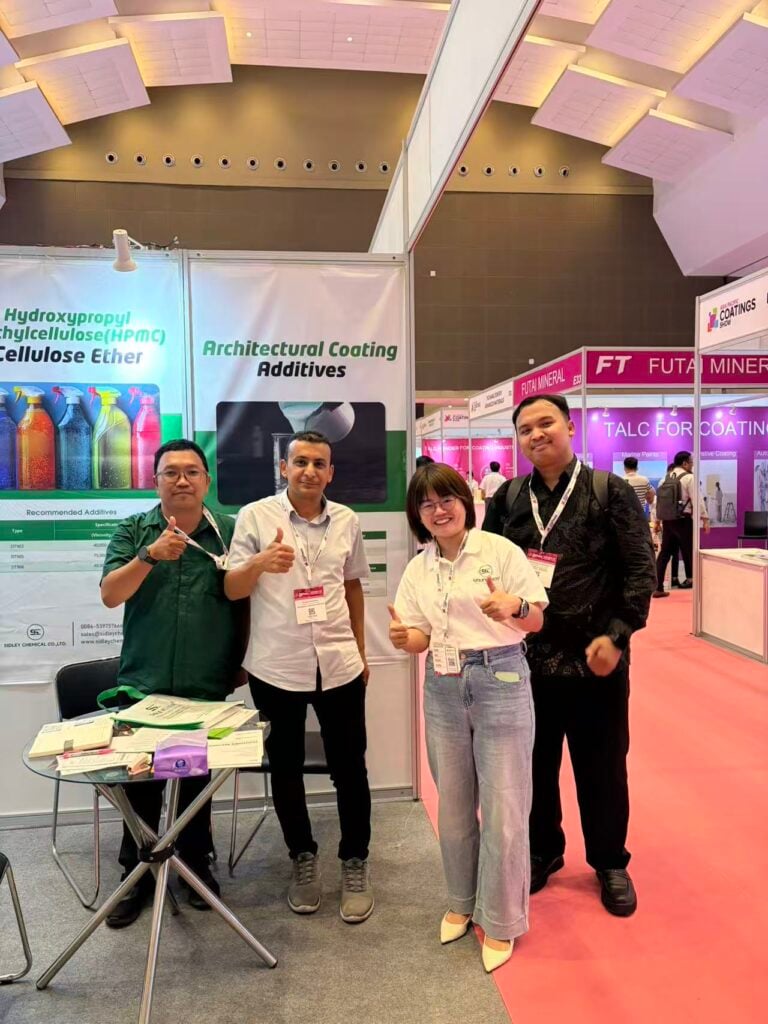
SidleyChem Connects with Coatings Industry Professionals at Asia Pacific Coatings Show 2026
SidleyChem successfully participated in Asia Pacific Coatings Show 2026 in Jakarta, showcasing coating additives, cellulose ethers, and functional solutions… Continue reading
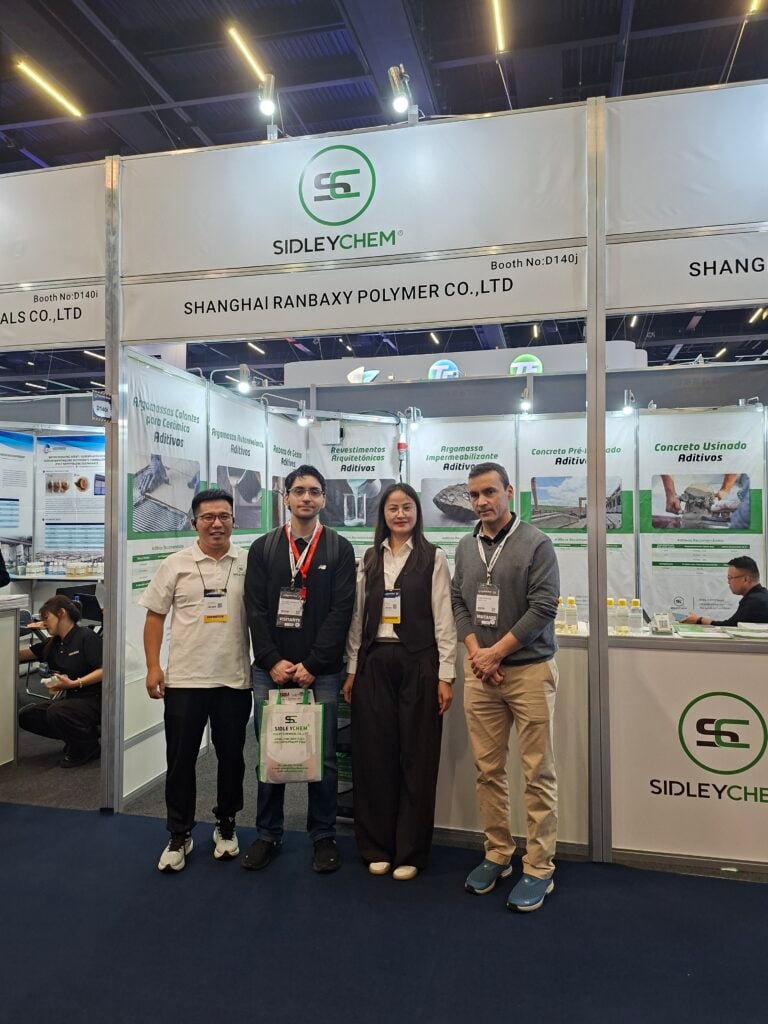
SidleyChem Connects with Industry Professionals at Concrete Show South America 2026 in São Paulo
SidleyChem successfully participated in Concrete Show South America 2026 in São Paulo, presenting concrete admixtures, dry-mix mortar additives and technical solutions… Continue reading
