
gypsum mortar water retention
Gypsum mortar is favored in interior construction due to its smooth finish and rapid setting. However, low water retention can lead to premature stiffening, poor workability, and increased cracking risk. Improving water retention is essential for both large-scale and detailed projects.
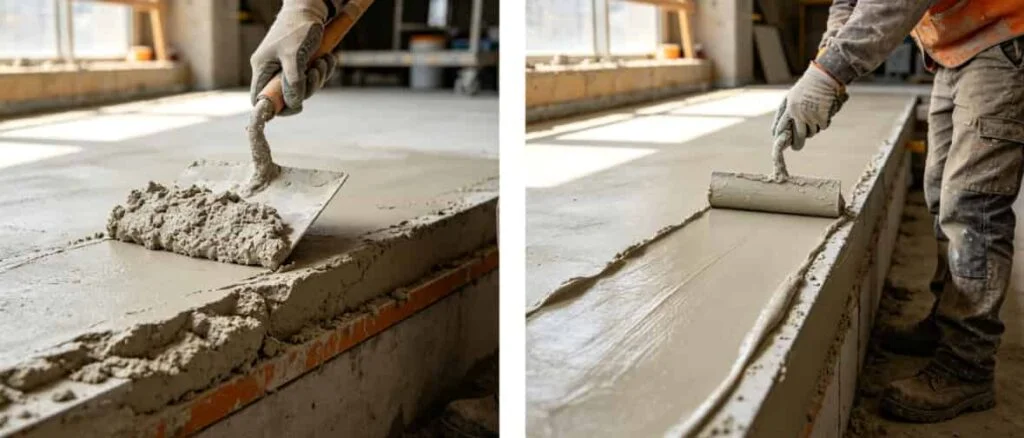
Why Water Retention Matters
Water retention affects:
- Workable time for plastering
- Troweling ease and surface smoothness
- Adhesion to the substrate
- Prevention of early cracks
Insufficient water retention is often caused by rapid evaporation, high absorption by the substrate, or inadequate additives.
Key Methods to Enhance Water Retention
1. Add HPMC (Hydroxypropyl Methylcellulose)
HPMC helps retain moisture, maintains plasticity, and prevents early stiffening. It also improves troweling performance and reduces shrinkage cracks.
2. Use Starch Ether
Starch ether complements HPMC by improving consistency, reducing sagging, and helping the mortar stay workable on vertical surfaces.
3. Optimize Water-to-Plaster Ratio
Adding too much water can weaken mortar strength, while too little reduces workability. Maintain a balanced water ratio to maximize hydration and water retention.
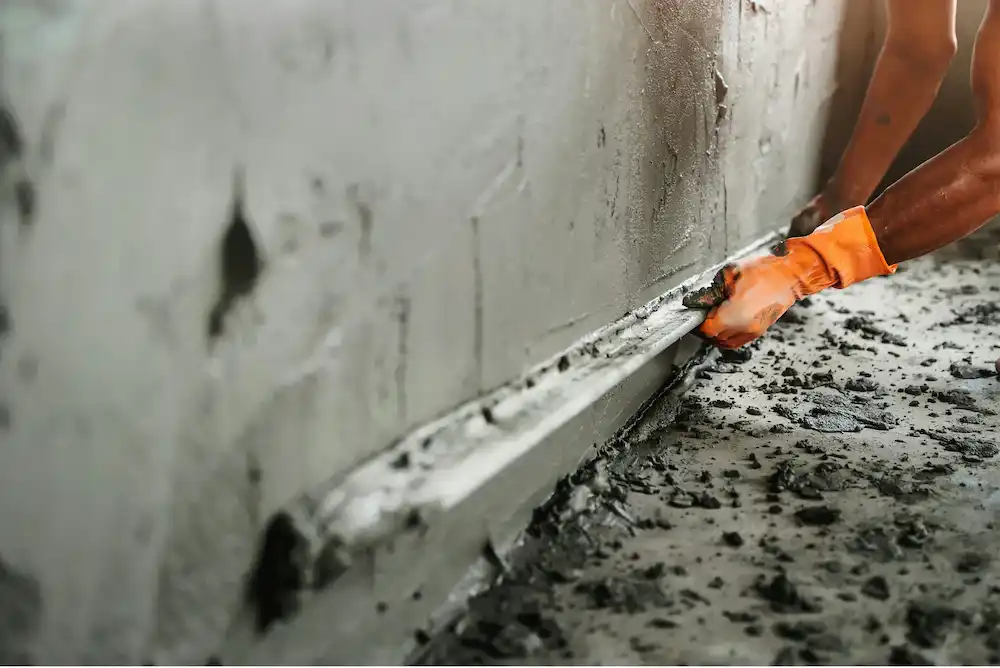
4. Prepare Substrate Properly
Highly absorbent substrates can draw water from fresh mortar. Pre-wetting or priming the surface prevents rapid moisture loss and ensures uniform curing.
5. Consider Environmental Factors
Avoid direct sunlight, high wind, and extremely dry conditions. Moderate humidity and protection help maintain mortar moisture for longer periods.
Summary
Enhancing gypsum mortar water retention requires a combination of proper additives, balanced water content, and attention to substrate and environmental conditions. Using HPMC, starch ether, and good construction practices improves workability, extends working time, and reduces cracking, leading to smoother and more durable wall finishes.




Drymix Mortar Tech+
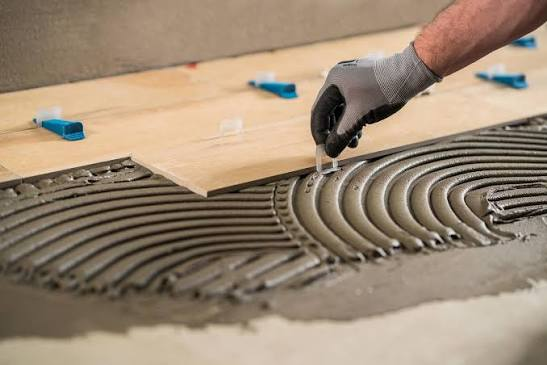
Tile Adhesive Slipping After Adding HPMC: Causes & Fixes
Tile adhesive can still slip even after increasing HPMC. Learn how HPMC grade, water demand, starch ether, thixotropy, and formulation balance affect slip resistance… Continue reading
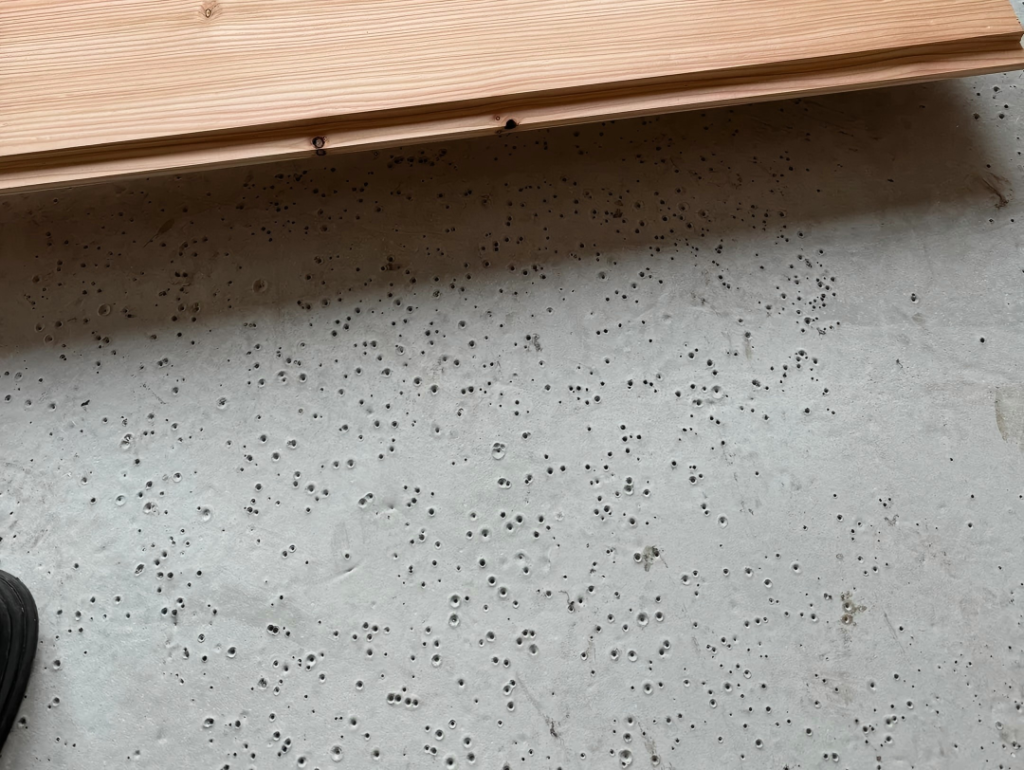
Pinholes in Self-Leveling Mortar: Defoamer, Mixing, or Substrate?
Pinholes in self-leveling mortar are not always caused by insufficient defoamer. This guide explains how to distinguish formulation foam, mixing-induced air, substrate outgassing, and insufficient healing time through a simple three-surface comparison test and practical corrective actions… Continue reading
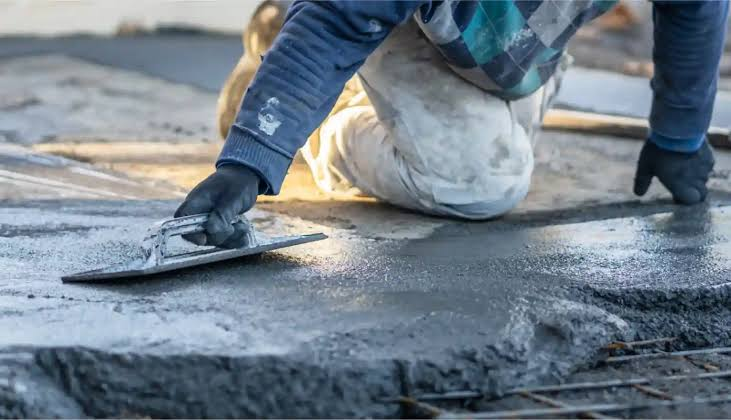
Why Does Dry Mortar Have Poor Water Retention?
Learn why dry mortar has poor water retention and how HPMC and MHEC can improve water retention, workability, and cement hydration in dry-mix mortar… Continue reading
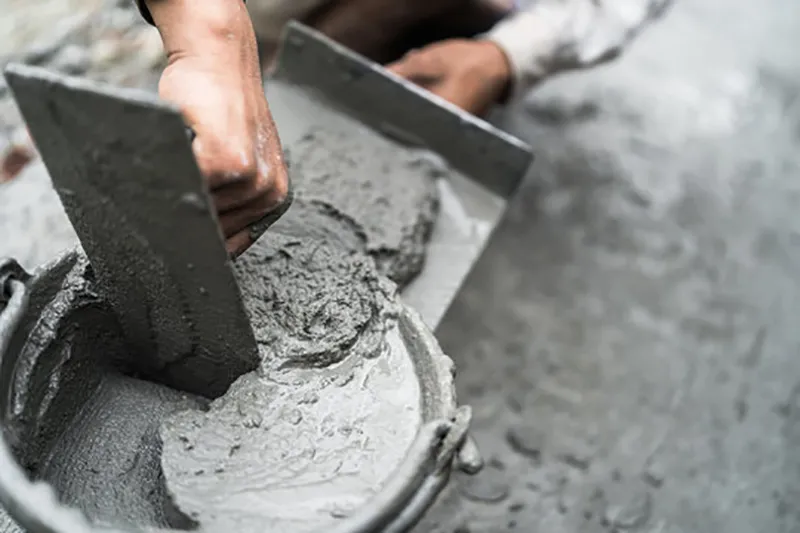
Dry-Mix Mortar Summer Formulation Adjustment
Why does the same formulation fail in summer? The key is cellulose ether. High temperatures cause ordinary HPMC water retention to drop sharply — increase dosage by 0.1%-0.2%, switch to high gel temperature grades, and combine with retarders. This article gives three practical adjustment directions to tackle summer construction challenges… Continue reading
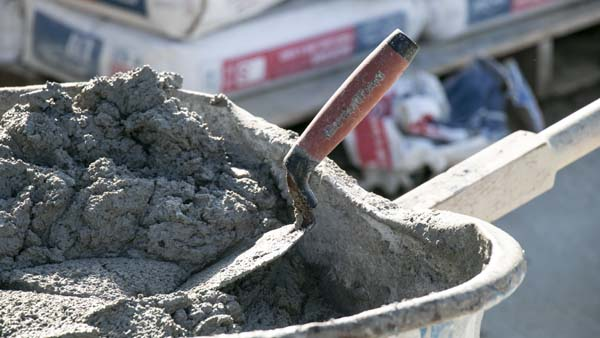
Mortar Setting Too Fast in Summer Heat?
Mortar drying out in half an hour on summer job sites? High-temperature accelerated hydration is the culprit. This article breaks down the features and selection of sodium gluconate, citric acid, tartaric acid, and boric acid retarders, with dosage adjustment and blending strategies to tackle summer construction challenges… Continue reading
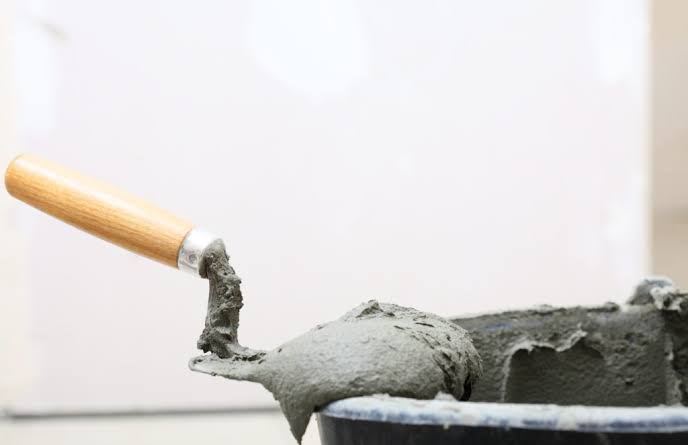
Why Does Dry Mix Mortar Cake During Storage?
Discover why dry mix mortar cakes during storage and transportation. Learn how moisture, packaging, raw materials, and formulation affect storage stability, and explore practical solutions to maintain product quality… Continue reading

Why Does Tile Grout Change Color After Curing?
Discover the most common causes of tile grout color inconsistency after curing and learn practical solutions through proper formulation, pigment selection, moisture control, and construction practices… Continue reading
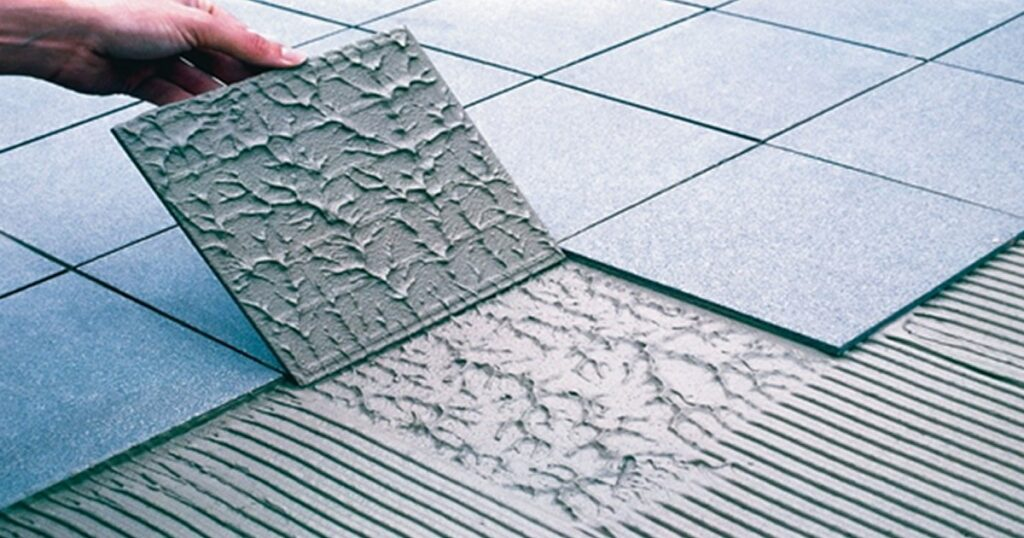
Tile adhesive bond strength
Learn the most common reasons why tile adhesive loses bond strength and discover practical solutions through proper formulation, additive selection, substrate preparation, and construction practices… Continue reading
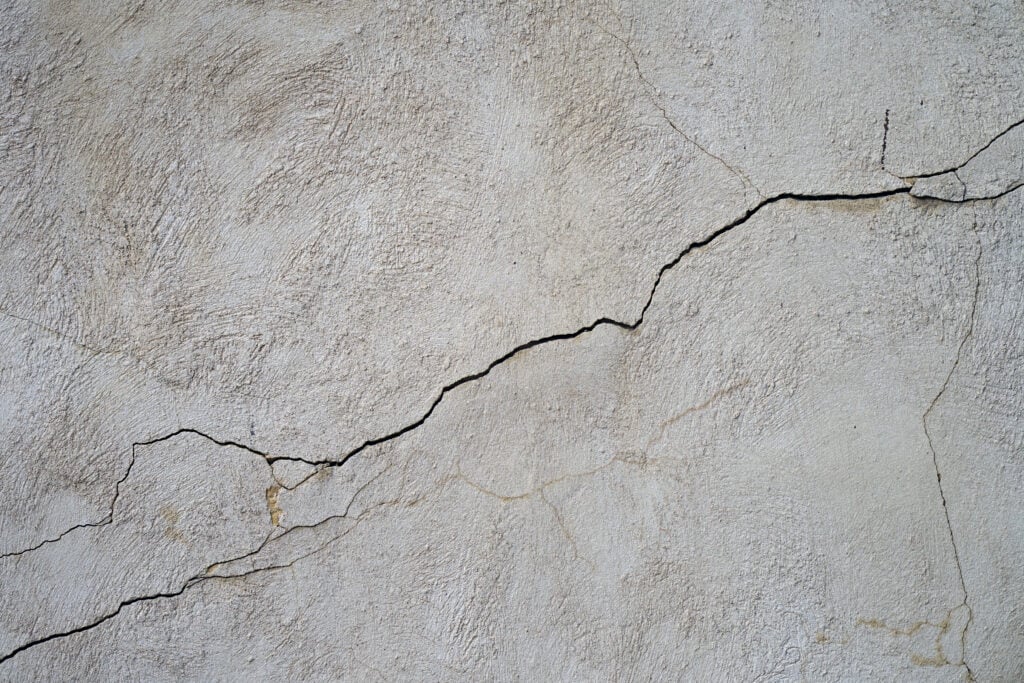
Gypsum Mortar Shrinkage: Causes and How to Prevent Cracks
Understand the main causes of gypsum mortar shrinkage and learn how to prevent cracks using HPMC, gypsum retarder, and proper formulation and construction practices… Continue reading
Extend gypsum setting time
Learn why gypsum mortar loses workability too quickly and discover practical solutions using gypsum retarders, HPMC, and formulation optimization to extend working time without compromising strength… Continue reading
