
Why Does Orange Peel Occur in Coatings?
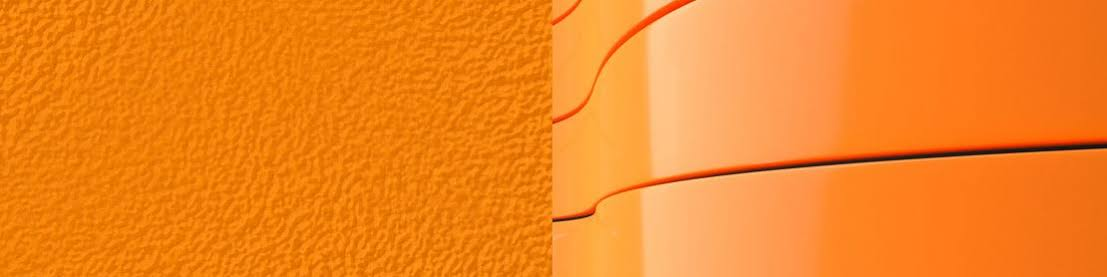
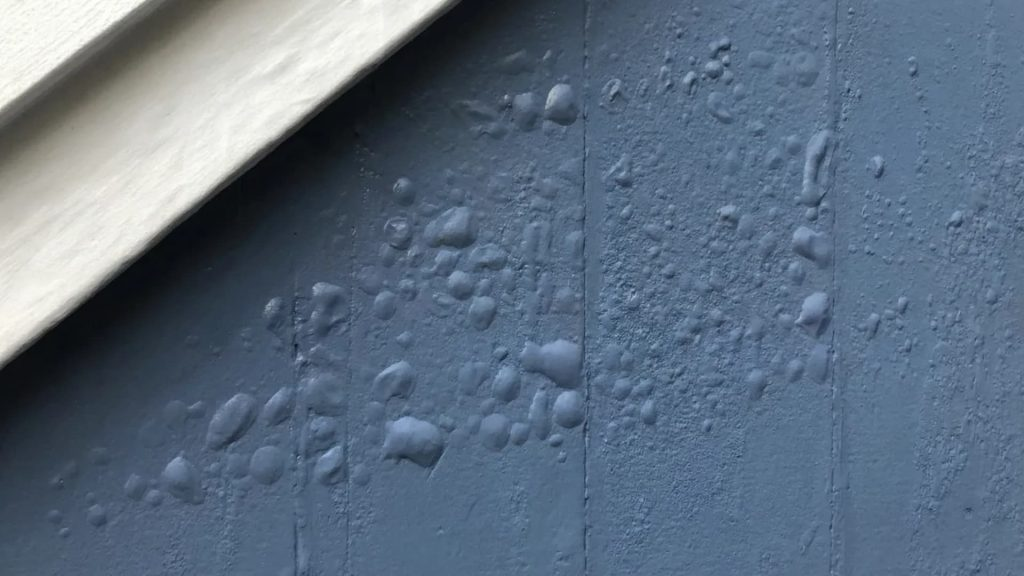
Orange peel is a common surface defect in coatings that makes a cured coating film look uneven, rough, or similar to the surface of an orange. Although the coating may have adequate adhesion and durability, poor surface appearance can significantly reduce its overall quality.
Orange peel can occur in spray coatings, industrial coatings, automotive coatings, furniture coatings, and other coating systems. The problem is usually related to coating viscosity, surface tension, atomization, drying conditions, and application parameters.
Understanding the causes of orange peel is important for improving coating leveling and achieving a smooth, uniform surface finish.
What Is Orange Peel in Coatings?
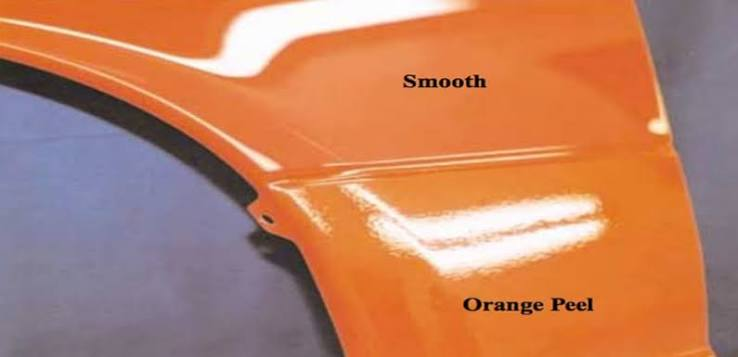
Orange peel refers to an uneven coating surface with a fine, textured appearance. Instead of forming a smooth film, the coating develops small waves or irregularities during application and drying.
The defect is particularly noticeable on glossy coatings because light reflects unevenly from the textured surface. Even when the coating provides sufficient protection, excessive orange peel can negatively affect appearance and perceived product quality.
Common Causes of Orange Peel
High Coating Viscosity
Coating viscosity has a significant influence on leveling. When viscosity is too high, the coating cannot flow sufficiently after application. Surface irregularities created during spraying or brushing may remain after the film dries.
An improperly balanced rheology system can therefore contribute to poor leveling and orange peel.
Poor Atomization During Spray Application
For spray-applied coatings, atomization plays an important role in surface appearance. If the coating is not atomized into sufficiently fine droplets, larger droplets may remain on the substrate and produce an uneven surface.
Incorrect spray pressure, nozzle selection, spray distance, or application speed can all affect atomization quality.
Fast Solvent or Water Evaporation
If the liquid phase evaporates too quickly, the coating may lose its ability to flow and level before the film has formed completely.
Temperature, air movement, humidity, and formulation composition can all influence evaporation and drying behavior.
Surface Tension Imbalance
Differences in surface tension can interfere with the uniform spreading of a coating. If the coating does not wet the substrate properly, localized differences in flow may remain during film formation.
Wetting agents can help improve substrate wetting and promote more uniform spreading.
Improper Drying Conditions
Uneven or excessively rapid drying can cause the coating surface to solidify before the underlying material has finished leveling.
Application temperature, substrate temperature, airflow, and humidity should therefore be considered when troubleshooting orange peel.
The Role of Coating Additives in Surface Leveling
Coating additives can have a significant effect on orange peel and other surface defects.
Rheology modifiers control viscosity and flow behavior, helping formulators balance application properties and leveling performance.
Wetting agents improve the interaction between the coating and substrate, promoting more uniform spreading.
Defoamers help eliminate entrapped air that may create surface irregularities during application and drying.
Dispersants maintain stable pigment distribution and reduce the risk of particle agglomeration that can negatively affect coating smoothness.
The key is not simply to increase the dosage of one additive, but to establish a balanced formulation in which different additives work together without creating new compatibility or surface problems.
How to Prevent Orange Peel in Coatings
The first step is to optimize coating viscosity and rheology. The coating should have sufficient flow and leveling ability while still maintaining the viscosity required for storage stability and application.
For spray coatings, atomization parameters should be adjusted according to the coating formulation and equipment. Spray pressure, nozzle size, spray distance, and application speed should be evaluated together rather than individually.
Improving substrate wetting can also help reduce surface irregularities. Properly selected wetting agents reduce surface tension and allow the coating to spread more uniformly.
The drying process should also be controlled. Avoiding excessively high temperatures and uncontrolled airflow can give the coating sufficient time to level before the film becomes too viscous.
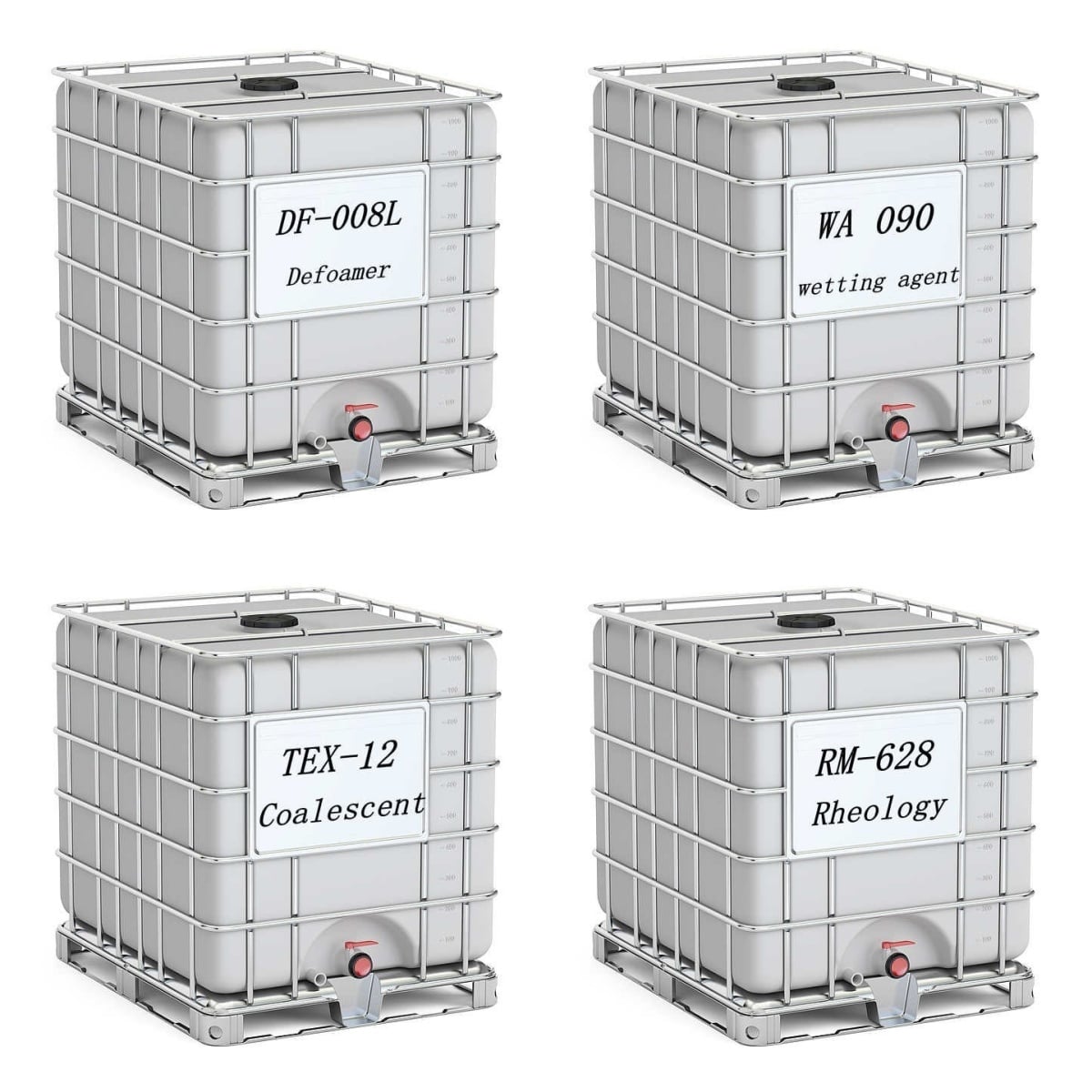
In addition, defoamers may be necessary when entrapped air contributes to surface defects. A balanced combination of rheology modifiers, wetting agents, defoamers, and other formulation additives can improve overall surface appearance.
Conclusion
Orange peel is a common coating defect caused by a combination of formulation, application, and drying conditions. High viscosity, poor atomization, rapid evaporation, inadequate wetting, and improper drying can all contribute to an uneven coating surface.
By optimizing coating rheology, improving substrate wetting, adjusting application parameters, and selecting compatible coating additives, manufacturers can significantly improve leveling and reduce orange peel.
A systematic approach to formulation and process optimization is essential for achieving a smooth, uniform, and high-quality coating finish.
Coatings Tech+
Paint Sagging Despite Normal Viscosity: Causes & Fixes
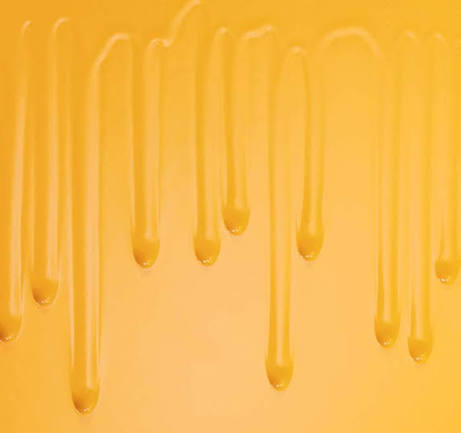
Paint can still sag even when viscosity meets QC specifications. Learn how rheology, film thickness, temperature, and thickener selection affect sag resistance… Continue reading
Why Does Exterior Wall Coating Show White Streaks After Rain?
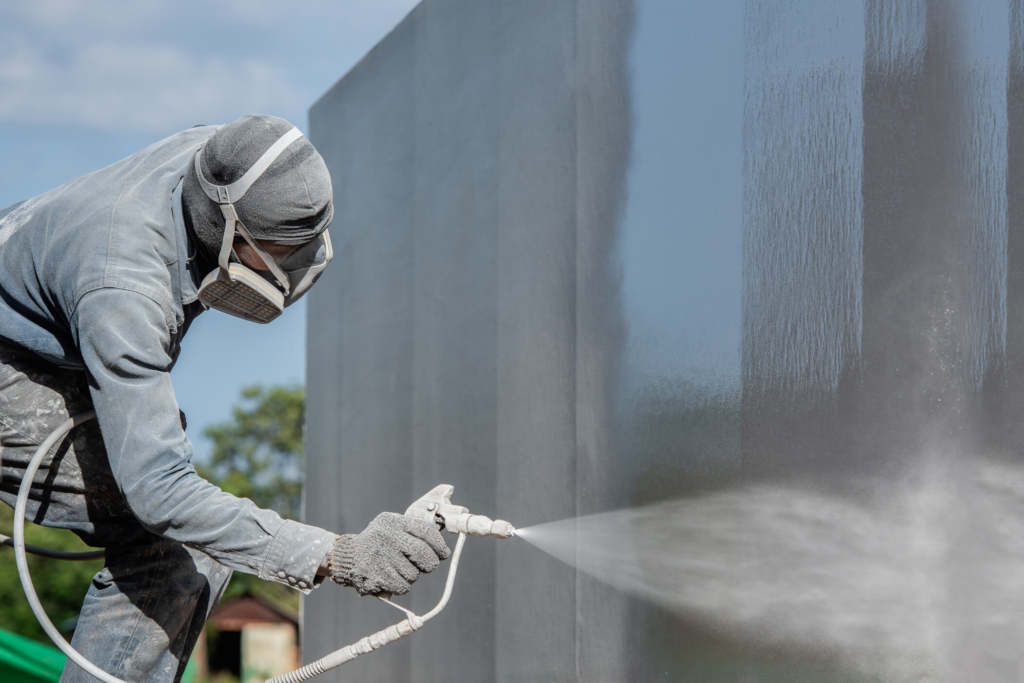
White streaks on exterior wall coating after rain? Rainwater washes out hydrophilic components from the film. This article explains four types of rain marks and provides solutions from emulsion selection, wetting/dispersant control, color paste choice, and topcoat application… Continue reading
Coating Storage Separation — The Role of Thickeners in Anti-Settling
Coating storage separation is the most common quality headache for manufacturers. Water separation, emulsion separation, and hard settling have different causes and solutions. … Continue reading
Why Does Coating Lose Adhesion?
Learn the common causes of coating adhesion failure and discover practical solutions to improve coating adhesion through proper surface preparation, formulation optimization, and coating additives… Continue reading
How to Improve Storage Stability of Water-Based Coatings?
Learn how to improve the storage stability of water-based coatings by optimizing formulation design, rheology modifiers, dispersants, preservatives, and production processes. Discover practical solutions to reduce sedimentation, viscosity changes, and phase separation… Continue reading
Wetting agent for water based coatings
Learn how wetting agents improve coating performance by enhancing substrate wetting, pigment dispersion, and film leveling. Discover their role in water-based coating formulations and how proper selection helps reduce coating defects… Continue reading
Water-based coatings foam control
Foam formation is a common issue in water-based coatings. This article explains the causes of foam and how to control it using defoamers, formulation design, and production optimization to improve coating quality and stability… Continue reading
