
gypsum mortar workability
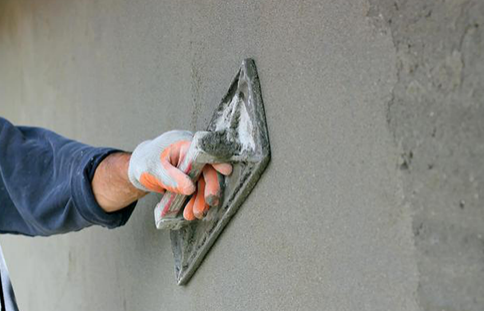
Gypsum-based lightweight plastering mortar is a dry-mix mortar primarily composed of β-hemihydrate gypsum as the cementitious binder, supplemented with lightweight aggregates, functional fillers, and chemical additives. While offering advantages such as lightweight properties, fire resistance, and humidity regulation, this material system also presents common challenges during actual application, including high viscosity, significant scraping resistance, and difficulty in finishing.
Systematically improving its workability hinges on precisely controlling the mortar’s rheological behavior through specialized chemical additives.
I. Rheological Roots of Core Challenges
The poor workability of gypsum-based mortar fundamentally stems from its suboptimal rheological properties: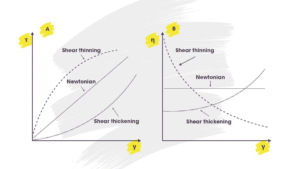
High yield stress: Results in excessive resistance during initial application, manifesting as a “heavy” feel.
Rapid thixotropic recovery: The window for mortar to thin after mixing is too brief, hindering spreading and finishing operations.
High interparticle friction: Direct contact between gypsum and other powder particles without lubrication causes construction stickiness.

II. Solution: Rheology-Modifying Additive Technology
To address these issues, polymer additives with specialized molecular designs (e.g., SidleyChem‘s MP-22M01) represent a proven effective technical approach. Their mechanism of action primarily manifests in the following aspects:
Steric Hindrance and Lubrication Effects
Additive molecules adsorb onto gypsum particle surfaces, forming an effective polymeric layer. This creates steric hindrance that prevents particle agglomeration while providing superior interparticle lubrication, significantly reducing internal friction during application.
Moisture Regulation
Optimized additives enhance the system’s water retention and moisture distribution, ensuring thorough and uniform gypsum hydration. This prevents quality issues like surface powdering and cracking, thereby extending the mortar’s effective working time.
III. Conclusion
The introduction of specialized rheology-modifying additives fundamentally reshapes the workability of gypsum-based lightweight plastering mortar. This technical approach not only resolves the challenges of high viscosity and difficult application but also enhances mortar stability and ease of use, providing reliable technical support for ensuring construction quality and improving operational efficiency.




Drymix mortar Tech+
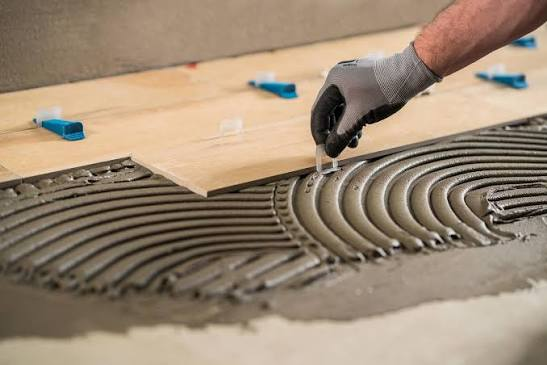
Tile Adhesive Slipping After Adding HPMC: Causes & Fixes
Tile adhesive can still slip even after increasing HPMC. Learn how HPMC grade, water demand, starch ether, thixotropy, and formulation balance affect slip resistance… Continue reading
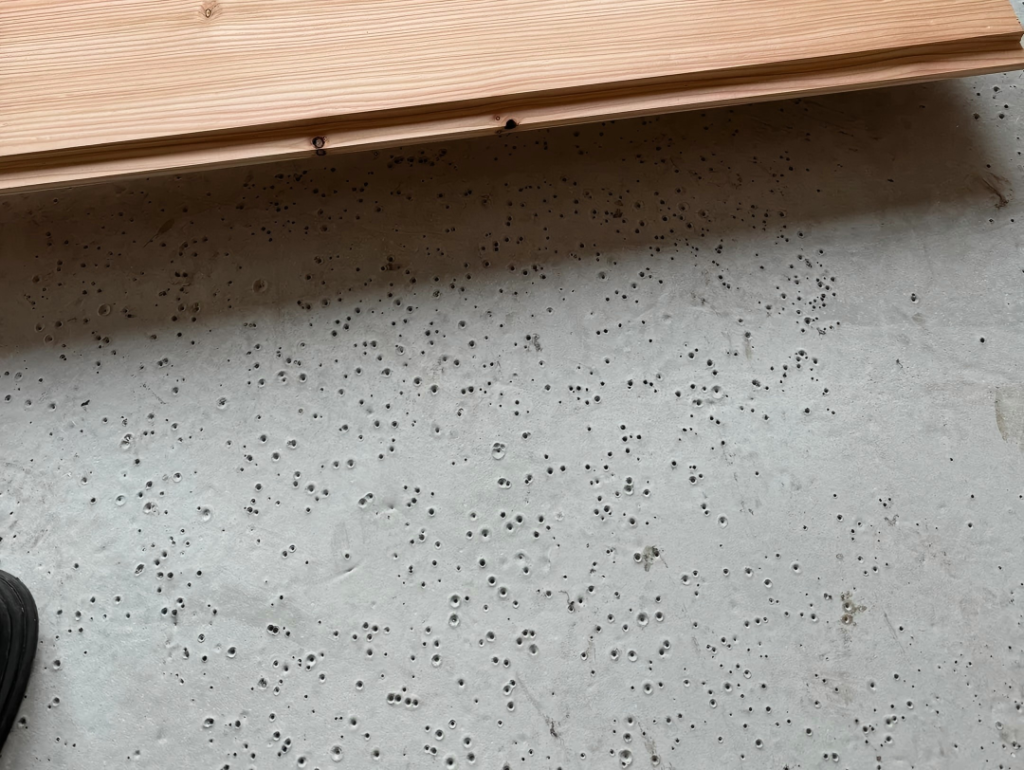
Pinholes in Self-Leveling Mortar: Defoamer, Mixing, or Substrate?
Pinholes in self-leveling mortar are not always caused by insufficient defoamer. This guide explains how to distinguish formulation foam, mixing-induced air, substrate outgassing, and insufficient healing time through a simple three-surface comparison test and practical corrective actions… Continue reading
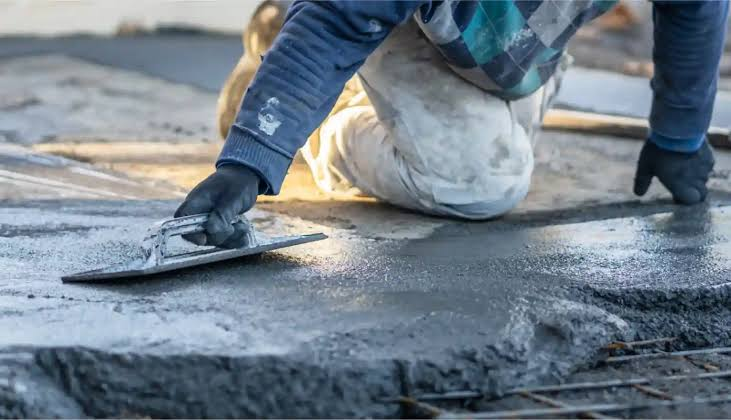
Why Does Dry Mortar Have Poor Water Retention?
Learn why dry mortar has poor water retention and how HPMC and MHEC can improve water retention, workability, and cement hydration in dry-mix mortar… Continue reading
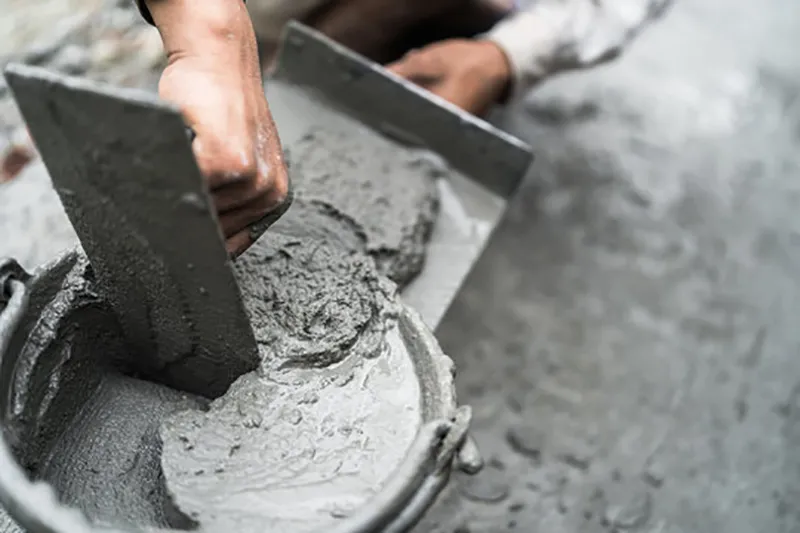
Dry-Mix Mortar Summer Formulation Adjustment
Why does the same formulation fail in summer? The key is cellulose ether. High temperatures cause ordinary HPMC water retention to drop sharply — increase dosage by 0.1%-0.2%, switch to high gel temperature grades, and combine with retarders. This article gives three practical adjustment directions to tackle summer construction challenges… Continue reading
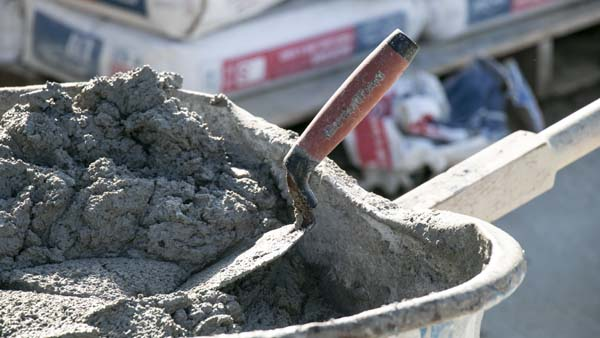
Mortar Setting Too Fast in Summer Heat?
Mortar drying out in half an hour on summer job sites? High-temperature accelerated hydration is the culprit. This article breaks down the features and selection of sodium gluconate, citric acid, tartaric acid, and boric acid retarders, with dosage adjustment and blending strategies to tackle summer construction challenges… Continue reading
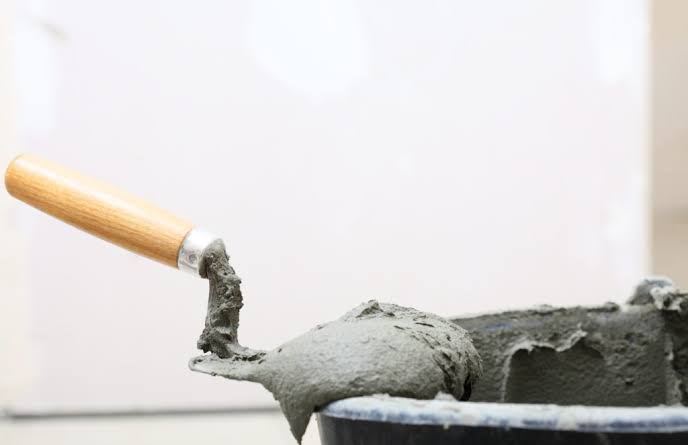
Why Does Dry Mix Mortar Cake During Storage?
Discover why dry mix mortar cakes during storage and transportation. Learn how moisture, packaging, raw materials, and formulation affect storage stability, and explore practical solutions to maintain product quality… Continue reading

Why Does Tile Grout Change Color After Curing?
Discover the most common causes of tile grout color inconsistency after curing and learn practical solutions through proper formulation, pigment selection, moisture control, and construction practices… Continue reading
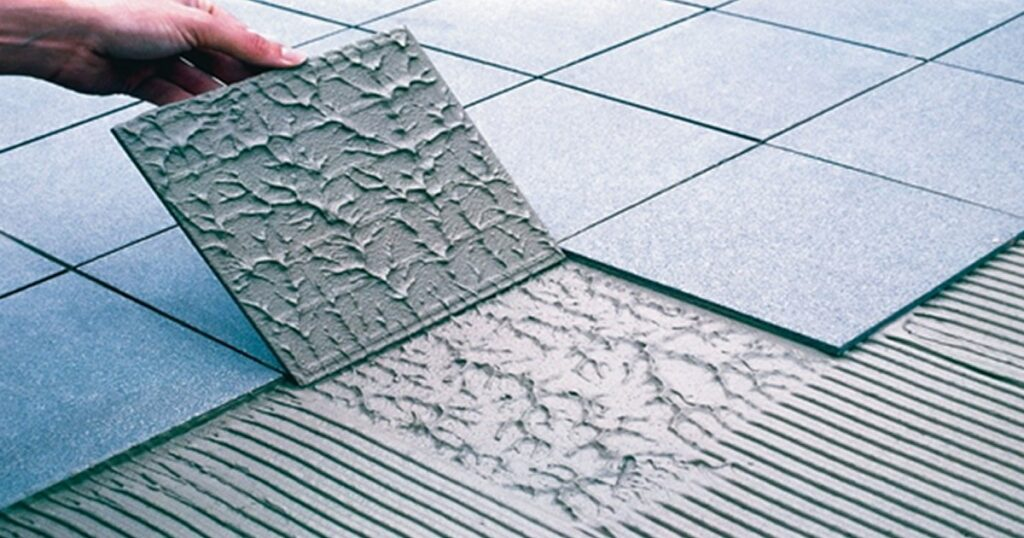
Tile adhesive bond strength
Learn the most common reasons why tile adhesive loses bond strength and discover practical solutions through proper formulation, additive selection, substrate preparation, and construction practices… Continue reading
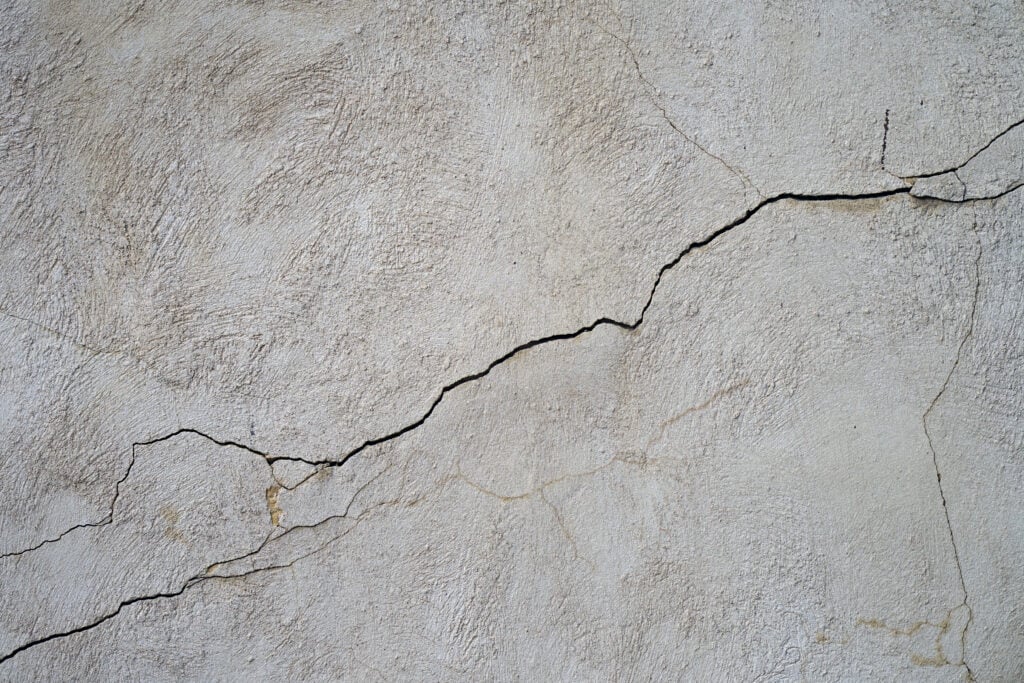
Gypsum Mortar Shrinkage: Causes and How to Prevent Cracks
Understand the main causes of gypsum mortar shrinkage and learn how to prevent cracks using HPMC, gypsum retarder, and proper formulation and construction practices… Continue reading
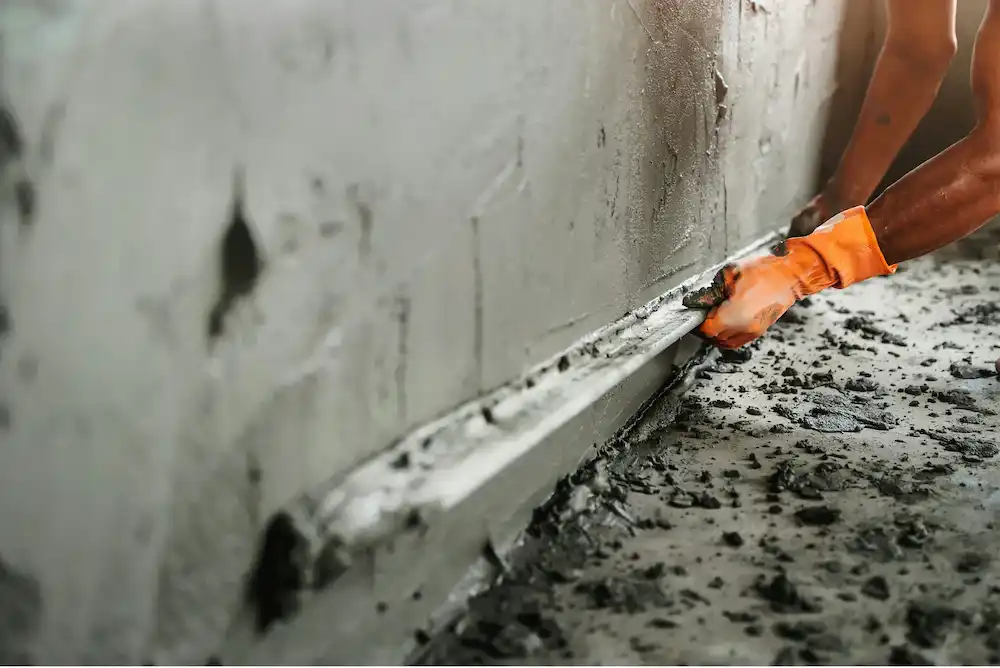
gypsum mortar water retention
Learn practical ways to enhance the water retention of gypsum mortar using HPMC, starch ether, and proper mixing techniques to improve workability and reduce cracks… Continue reading
