Repair Mortar

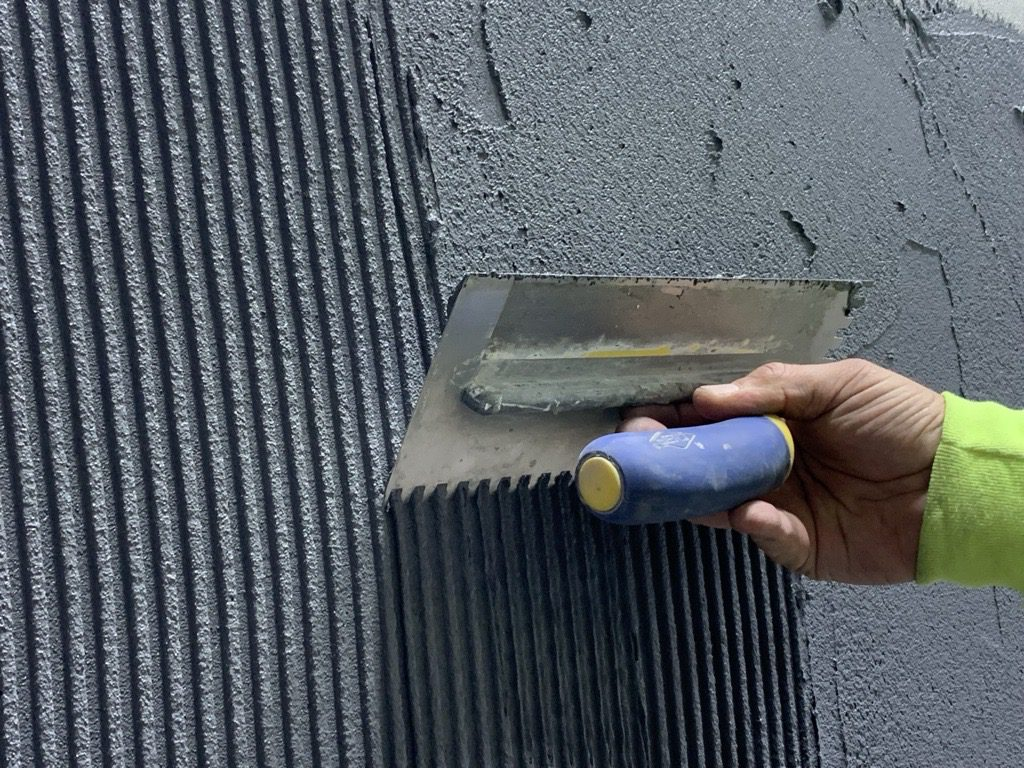
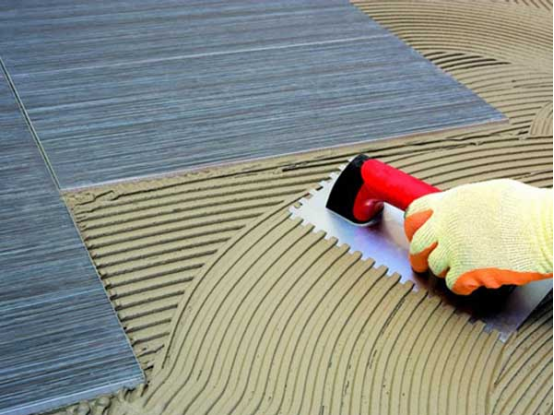
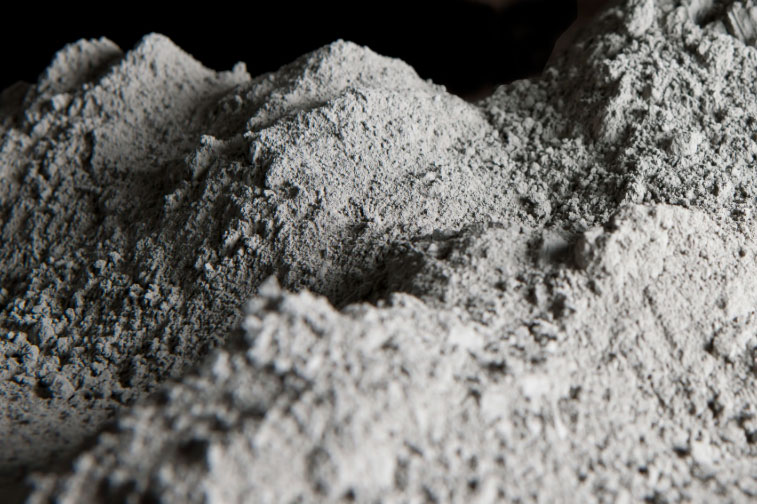
Repair mortar primarily consists of cement, mineral admixtures, aggregates, fillers, and additives.

Follow standards:EN 1504-3

01What is Repair mortar?

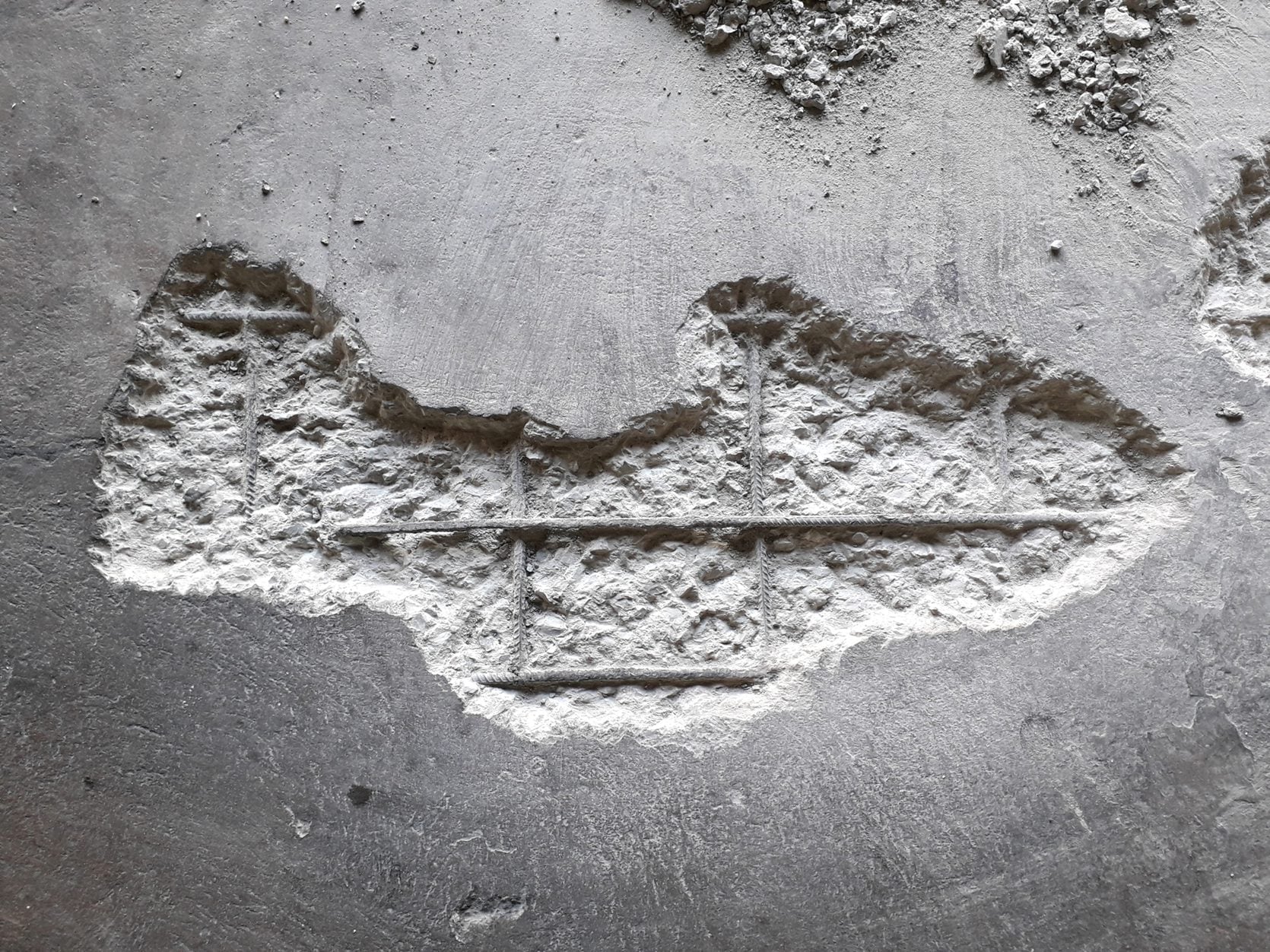
Repair mortar primarily consists of cement, mineral admixtures, aggregates, fillers, and additives. This cement-based mortar is used for repairing structures and buildings. Its key technical indicators include compressive strength, bond strength, interfacial flexural strength, abrasion resistance, and drying shrinkage. For specialized applications, additional properties such as corrosion resistance, permeability, chloride ion content, water absorption, and setting time must also be considered. flexural strength, bond strength, interfacial flexural strength, abrasion resistance, and dry shrinkage rate. For specialized applications, additional properties like erosion resistance, water resistance, chloride ion content, water absorption, and setting time must also be considered.

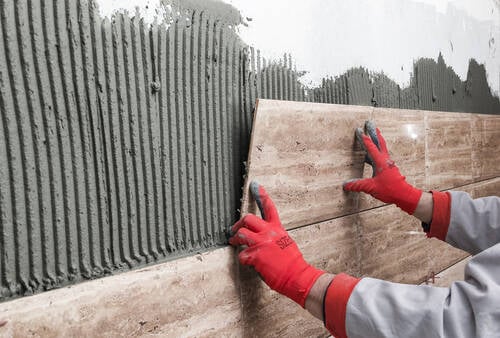
Reinforcement mortar primarily consists of cement, fine aggregate, admixtures, and additives. It is a high-strength cementitious mortar used for strengthening concrete structures.
03Additives

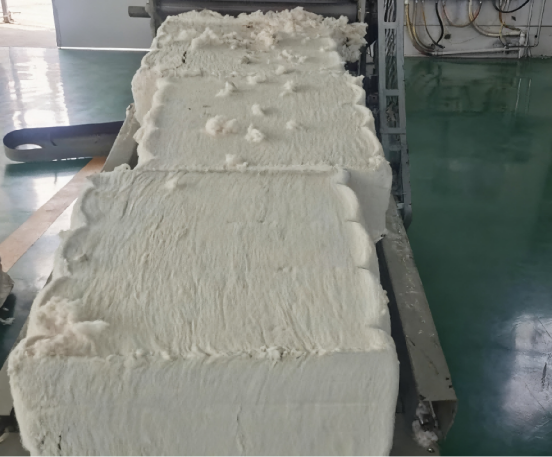
Additives significantly enhance mortar adhesion, prevent cracking, improve workability, control coagulation, and increase early strength. By combining polymers (such as polymer emulsions) with chemical admixtures (like water-reducing agents and early strength agents), repair mortars become more durable and easier to apply. This adaptability to diverse substrates and environmental conditions makes them essential for modern high-performance repair materials.

Download Product Catalog
Melamine superplasticizer
Suspension Stabilizer

04About SIDLEYchem

SidleyChem is a chemical company integrating production, R&D, and sales. The company specializes in the production and development of additives for dry-mix mortar and concrete.

Contact Us

Drymortar Tech+

Silicone hydrophobic powder weathering test

This article presents a 4-month outdoor weathering test on mortar containing silicone hydrophobic powder (e.g., WS80/WS90) and RDP. Results show surface effect variation but lasting internal hydrophobicity, with SidleyChem’s recommended product portfolio… Continue reading

ETIRS adhesive powder additives

This article analyzes the formulation technology of bonding powder for EPS Insulation Rendering Systems (ETIRS), detailing the functions of components like cellulose ether, RDP, PVA, and fibers. It presents targeted high-performance additive solutions from SidleyChem (e.g., HEMC, RDP, PEO) to help develop stable and reliable insulation mortar products… Continue reading

ETICS base coat mortar formulation

How to formulate high-durability ETICS base coat mortar? This article analyzes the core functions of Cellulose Ether, RDP, Hydrophobic Agents, and Fibers, and provides targeted SidleyChem product solutions (e.g., RDP 86353, WS 80). Get the complete guide to high-performance reinforcing mortar formulation… Continue reading

ETICS adhesive mortar additives

his article details the key performance requirements for adhesive mortar in ETICS. Explore SidleyChem’s high-performance solutions including Cellulose Ethers (HEMC/HPMC), Redispersible Polymer Powder (RDP), and Hydrophobic Agents to formulate strong, durable adhesive mortar… Continue reading

Nanoscale Enhancer Tile Adhesive

How to break through the water-resistant strength bottleneck of tile adhesive? SidleyChem’s Nanoscale Enhancer HS-93 significantly boosts performance via pore-filling and hydration promotion, delivering exceptional results even with low polymer powder dosage… Continue reading

Starch Ether in Portland Cement

Experimental analysis of starch ether’s thickening performance in Portland cement systems. Compare test data of various starch ether products and discover our specialized SE series for different applications… Continue reading

Starch ether gypsum thickening

How does starch ether thicken building gypsum? This analysis with test data compares products from different origins and showcases optimized starch ethers for tile adhesive, cement putty, and gypsum applications… Continue reading

sand clay influence tile adhesive

How does high clay content in sand damage tile adhesive? This article reveals its severe negative impact on wetting time, open time, and final bond strength, with experimental data… Continue reading

Improve mortar workability

Struggling with poor mortar workability? Learn how Redispersible Polymer Powder (RPP) extends open time, enhances adhesion, and prevents sagging to solve common construction challenges… Continue reading

gypsum mortar workability

This article analyzes the rheological roots of these challenges and reveals how specialized rheology-modifying additives provide effective solutions through steric hindrance and lubrication mechanisms… Continue reading