
Tile adhesive bond strength
Tile adhesive is expected to provide a strong and durable bond between tiles and the substrate. However, in practical construction, poor bond strength remains one of the most common reasons for tile installation failure. Loose tiles, hollow sounds, and even complete detachment are often related to insufficient adhesion.
Understanding why bond strength decreases is the first step toward improving tile adhesive performance and reducing costly repairs.
What Causes Poor Bond Strength?
Bond strength is influenced by more than just cement content. It is the result of formulation design, substrate conditions, construction methods, and environmental factors working together.
One of the most common problems is poor water retention. If the mortar loses water too quickly, the cement cannot hydrate completely, resulting in a weak bonding layer. This is particularly common on highly absorbent substrates or in hot and windy environments.
Another important factor is the lack of polymer modification. Modern tile adhesives rely on redispersible polymer powder (RDP) to improve flexibility and adhesion. Without sufficient polymer, the adhesive becomes brittle and cannot accommodate slight movement between the tile and the substrate.
Incorrect water addition can also reduce bonding performance. Excessive water lowers the mechanical strength of the hardened adhesive, while insufficient water makes the mortar difficult to spread and prevents full contact with the tile.
In addition, poor substrate preparation is often overlooked. Dust, oil, loose particles, or uneven surfaces can all prevent proper bonding, regardless of how good the adhesive formulation is.
How to Improve Bond Strength?
Improving bond strength requires both a well-designed formulation and correct construction practices.
High-quality HPMC plays an important role by improving water retention and workability. Better water retention allows cement hydration to continue for a longer period, leading to stronger adhesion and a more stable mortar structure.
Redispersible Polymer Powder further enhances bonding by forming flexible polymer films inside the hardened mortar. This improves adhesion to ceramic tiles, concrete, cement boards, and other common building materials while also increasing flexibility and impact resistance.
Other additives, such as calcium formate, may be used to accelerate early strength development, while polypropylene fibers can help reduce shrinkage cracking and improve the durability of the bonding layer.
Construction Practices Matter
Even the best formulation cannot compensate for poor installation techniques.
Before applying tile adhesive, the substrate should be clean, solid, and free of dust or grease. Highly absorbent surfaces should be properly treated to prevent rapid water loss.
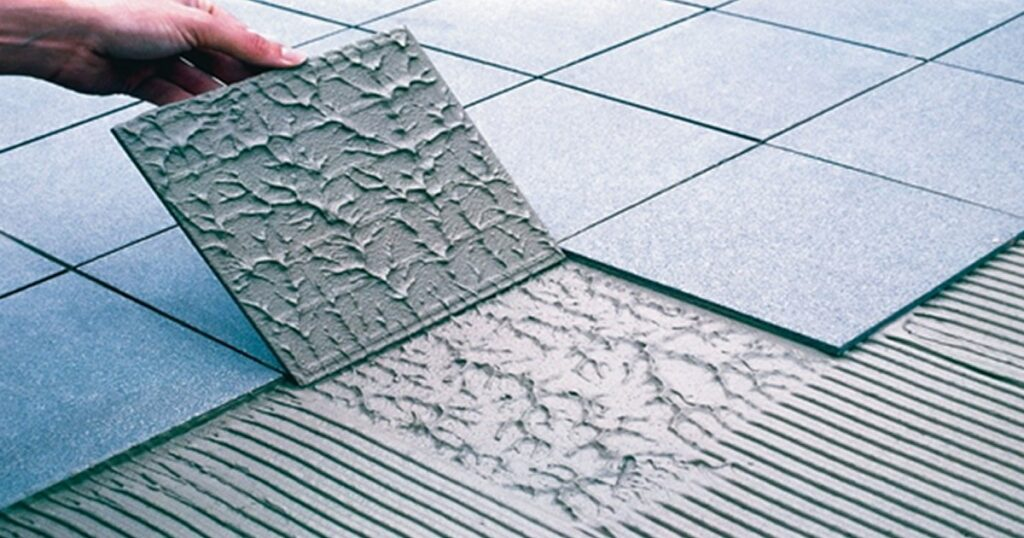
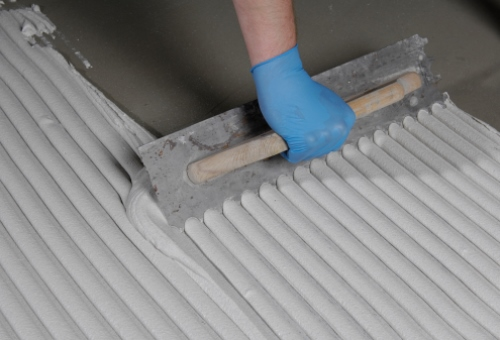
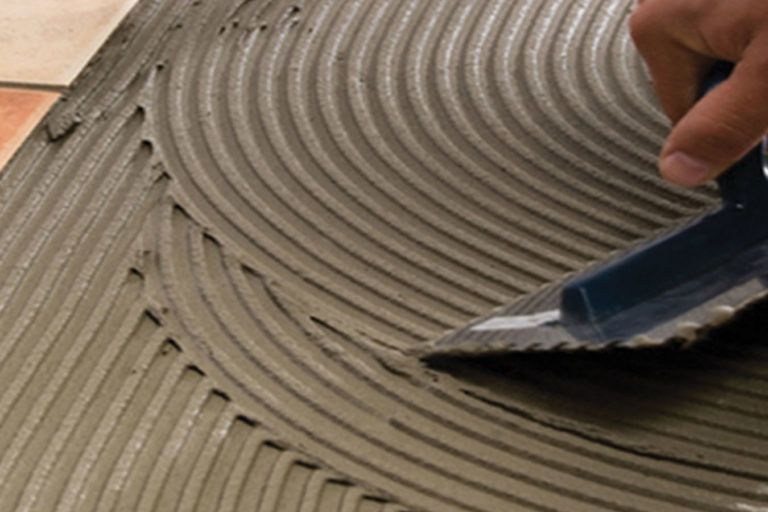
The adhesive should be mixed according to the manufacturer’s recommended water ratio and allowed to rest briefly before use. During installation, sufficient adhesive coverage should be achieved by using the correct notched trowel and pressing the tile firmly into the mortar.
Finally, installers should respect the open time of the adhesive. Applying tiles after the adhesive surface has begun to skin over will significantly reduce bond strength.
Conclusion
Poor bond strength is rarely caused by a single factor. In most cases, it results from a combination of formulation issues and improper construction practices.
By selecting high-quality additives such as HPMC and Redispersible Polymer Powder, optimizing the mortar formulation, and following correct installation procedures, manufacturers and contractors can significantly improve tile adhesion, reduce failure rates, and ensure long-lasting tile installations.




Drymix Mortar Tech+
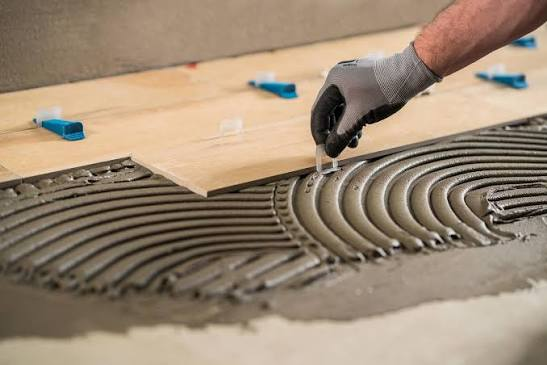
Tile Adhesive Slipping After Adding HPMC: Causes & Fixes
Tile adhesive can still slip even after increasing HPMC. Learn how HPMC grade, water demand, starch ether, thixotropy, and formulation balance affect slip resistance… Continue reading
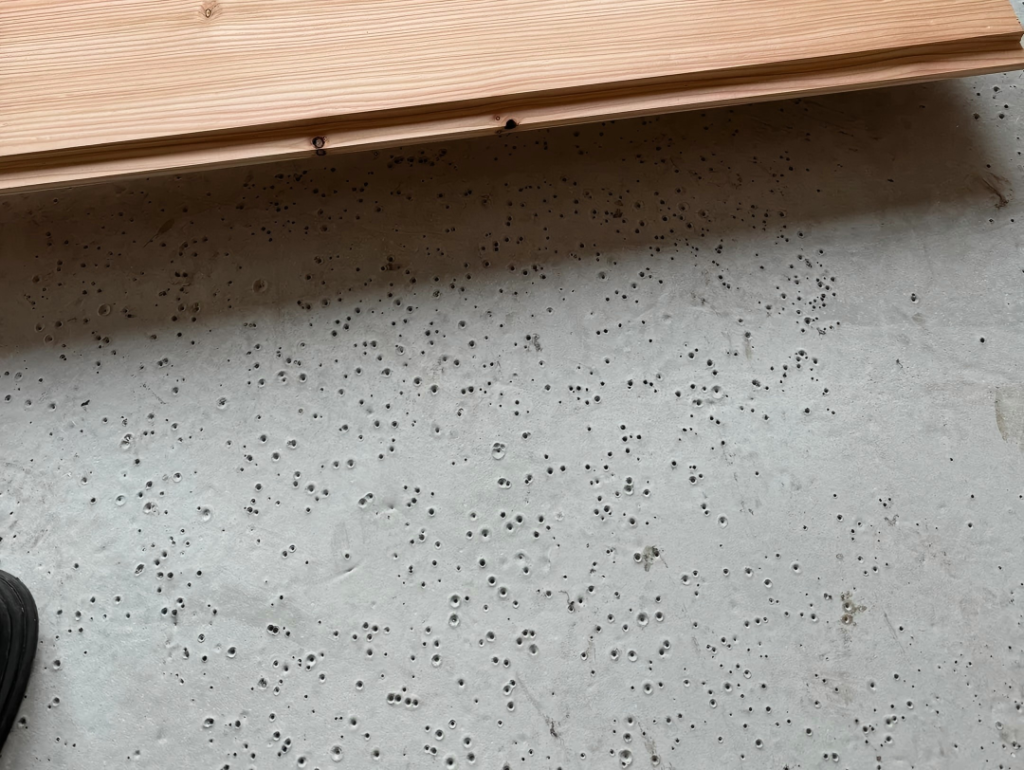
Pinholes in Self-Leveling Mortar: Defoamer, Mixing, or Substrate?
Pinholes in self-leveling mortar are not always caused by insufficient defoamer. This guide explains how to distinguish formulation foam, mixing-induced air, substrate outgassing, and insufficient healing time through a simple three-surface comparison test and practical corrective actions… Continue reading
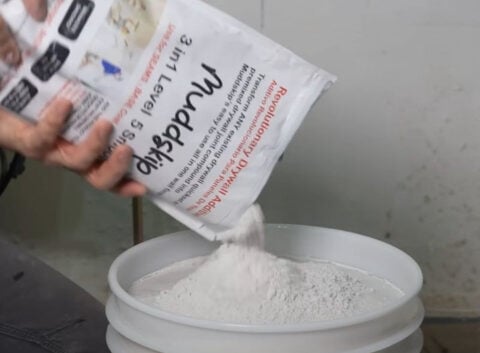
Why Does Dry Mortar Have Poor Water Retention?
Learn why dry mortar has poor water retention and how HPMC and MHEC can improve water retention, workability, and cement hydration in dry-mix mortar… Continue reading
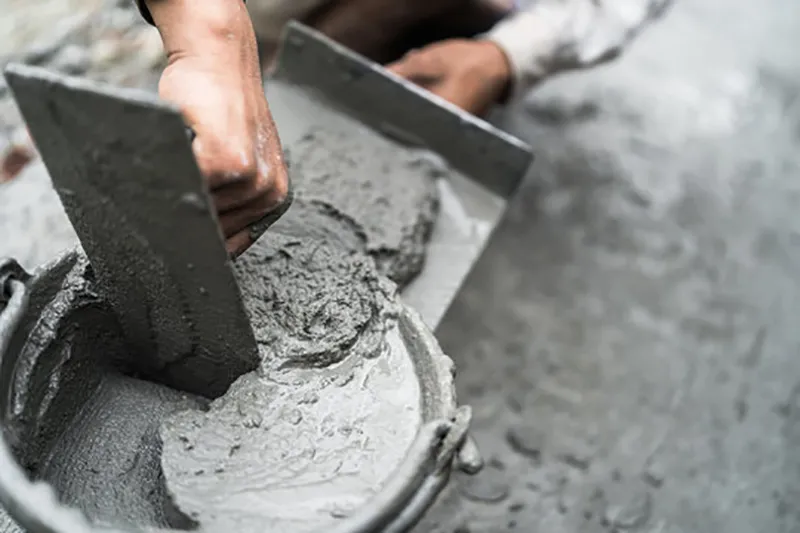
Dry-Mix Mortar Summer Formulation Adjustment
Why does the same formulation fail in summer? The key is cellulose ether. High temperatures cause ordinary HPMC water retention to drop sharply — increase dosage by 0.1%-0.2%, switch to high gel temperature grades, and combine with retarders. This article gives three practical adjustment directions to tackle summer construction challenges… Continue reading
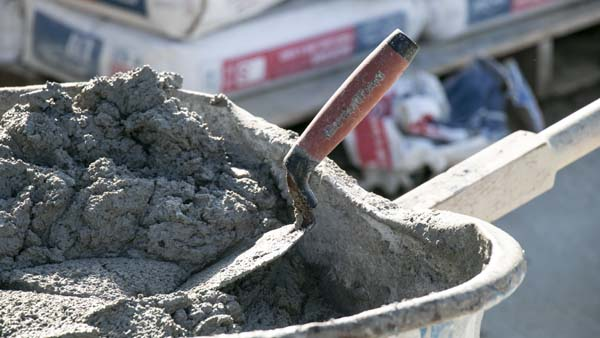
Mortar Setting Too Fast in Summer Heat?
Mortar drying out in half an hour on summer job sites? High-temperature accelerated hydration is the culprit. This article breaks down the features and selection of sodium gluconate, citric acid, tartaric acid, and boric acid retarders, with dosage adjustment and blending strategies to tackle summer construction challenges… Continue reading
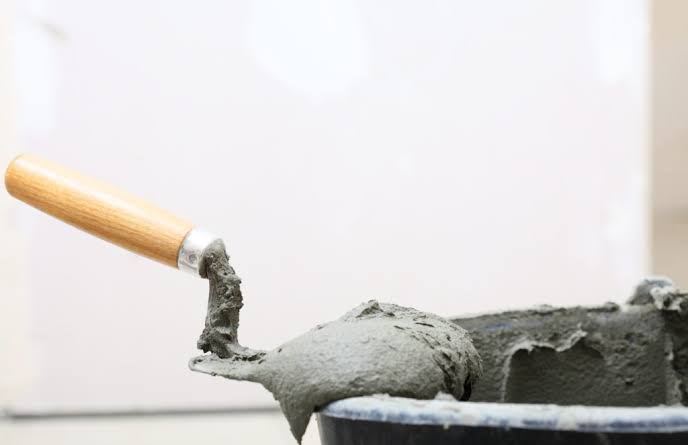
Why Does Dry Mix Mortar Cake During Storage?
Discover why dry mix mortar cakes during storage and transportation. Learn how moisture, packaging, raw materials, and formulation affect storage stability, and explore practical solutions to maintain product quality… Continue reading
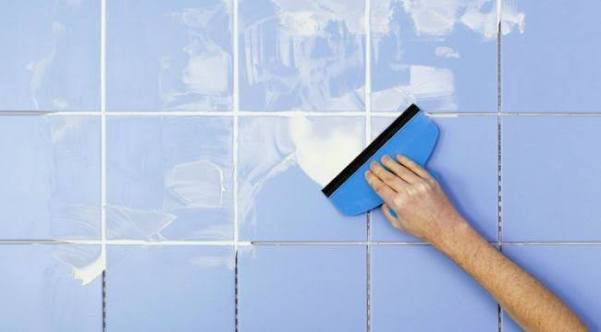
Why Does Tile Grout Change Color After Curing?
Discover the most common causes of tile grout color inconsistency after curing and learn practical solutions through proper formulation, pigment selection, moisture control, and construction practices… Continue reading
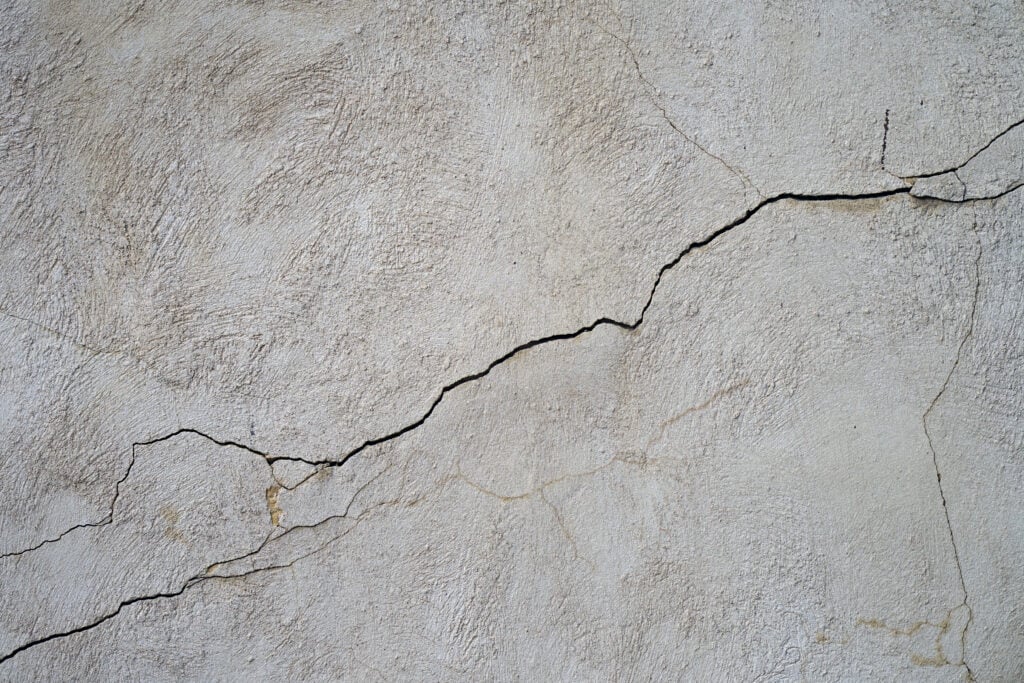
Gypsum Mortar Shrinkage: Causes and How to Prevent Cracks
Understand the main causes of gypsum mortar shrinkage and learn how to prevent cracks using HPMC, gypsum retarder, and proper formulation and construction practices… Continue reading
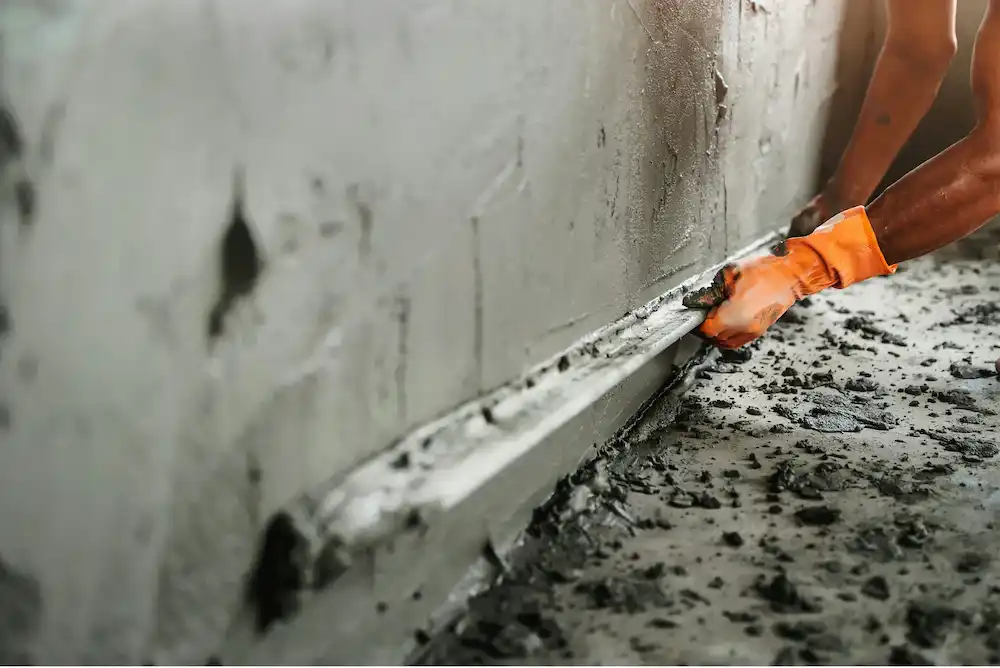
gypsum mortar water retention
Learn practical ways to enhance the water retention of gypsum mortar using HPMC, starch ether, and proper mixing techniques to improve workability and reduce cracks… Continue reading
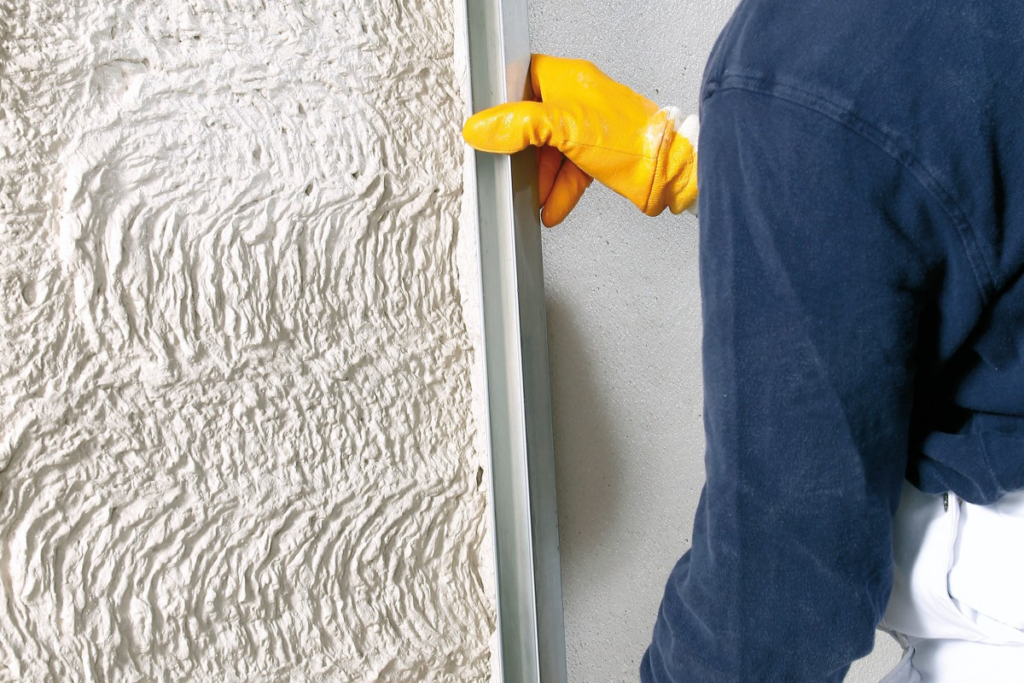
Extend gypsum setting time
Learn why gypsum mortar loses workability too quickly and discover practical solutions using gypsum retarders, HPMC, and formulation optimization to extend working time without compromising strength… Continue reading
