
Dry-mix mortar shrinkage reducing admixture
Shrinkage Reducing Admixtures (SRA), as key performance-enhancing additives, precisely control internal moisture migration and interfacial forces within mortar. They effectively inhibit shrinkage deformation, making them a core material for elevating the performance of dry-mix mortars.
I. Mechanism of Action and Product Advantages
1. Mechanism of Action
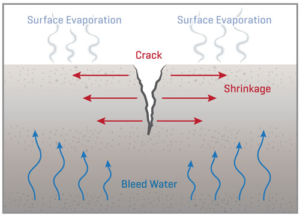 SRA primarily function by lowering the surface tension of the capillary pore solution, thereby reducing the stress induced by water loss and shrinkage. They also increase the viscosity of pore water, strengthen the adsorption of water molecules, and inhibit contraction.
Furthermore, they optimize cement hydration, reducing shrinkage caused by incomplete hydration. Some products can also slow down moisture evaporation, ensuring more complete hydration.
2. Product Advantages
-
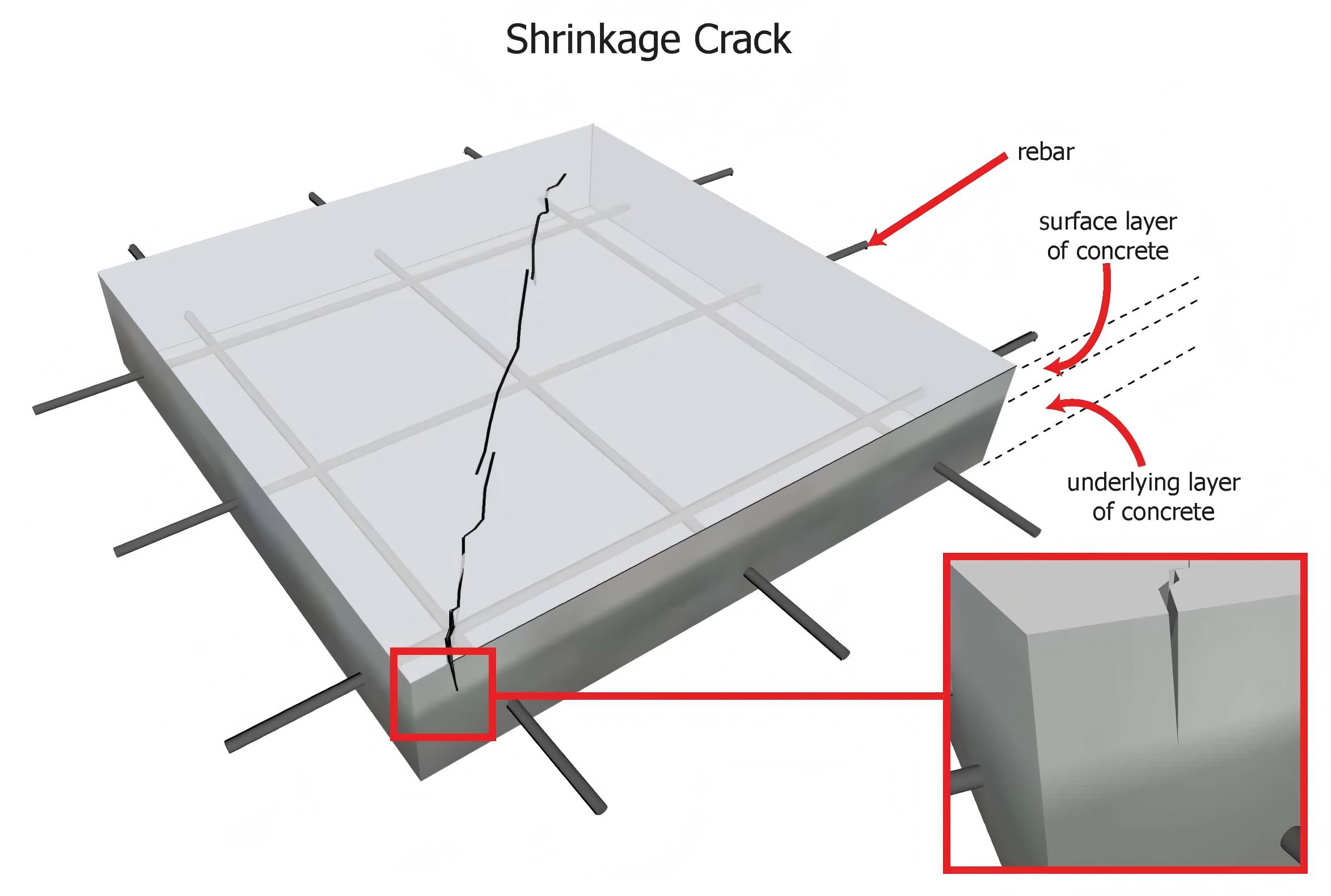
Significantly reduce drying shrinkage and autogenous shrinkage, minimizing risks of cracking, hollowing, and leakage to enhance durability.
-
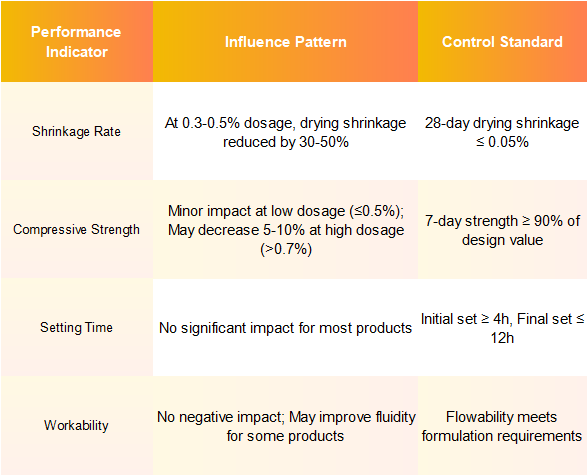
Do not adversely affect, or only mildly affect, initial setting time and early strength, ensuring construction safety and structural integrity.
-
Powder form facilitates easy blending with dry-mix components, making them ideal for industrialized precise batching and mass production.
II. Applicable Scenarios
SRA are applicable across both ordinary and specialty dry-mix mortars, proving indispensable in engineering scenarios with stringent shrinkage control requirements. Specific applications include:
-
Floor leveling/screed mortars
-
Repair and reinforcement mortars
-
Specialty functional mortars
-
Ordinary building mortars (e.g., masonry, plastering)

III. Key Technical Application Points
Product Selection & Form Compatibility
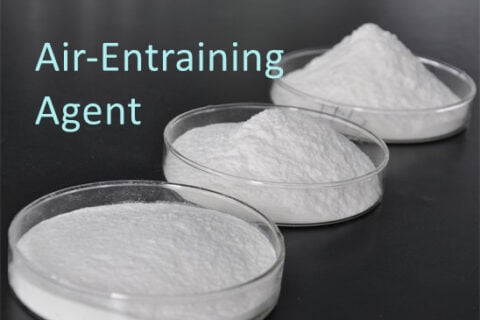
The pre-mixed nature of dry-mix mortars necessitates additives with excellent dry-powder compatibility and dispersion stability. Therefore, powdered SRAs are the preferred choice. These typically use inorganic materials as carriers, with active components being organic alcohols or polyol ether derivatives. They offer advantages such as low VOC, ease of uniform mixing with dry components, and superior stability during storage and transportation. While liquid SRAs are effective, they require specialized liquid dosing systems and can compromise the storage stability of dry-mix products, limiting their use to special custom formulations.
2.Reasonable control of dosage

3.Mixing & Application Process Optimization
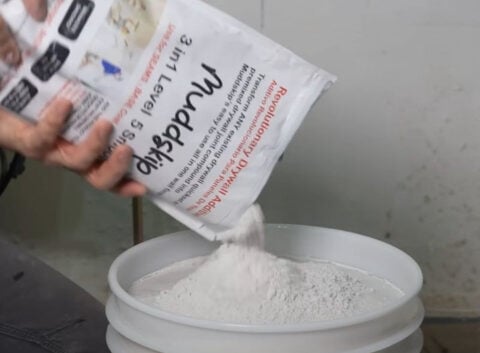
Powdered SRA must be thoroughly mixed with cementitious materials and fine aggregates during the dry-mix production phase. Standard mixing equipment is recommended to ensure uniform dispersion and prevent localized high or low concentrations that could affect performance consistency.
During application, strictly control the mixing water content, adhering to the “little and often” principle to avoid excess water exacerbating later-stage shrinkage. The ambient temperature should ideally be maintained between 10°C and 30°C. Avoid application under conditions of high-temperature exposure or freeze-thaw cycles. Post-application, follow standard curing procedures to ensure complete mortar hydration.
IV.Performance Impact & Production Control Metrics
V. Common Issues & Solutions

VI. Recommended Products & Reference Formulations
1. Recommended Product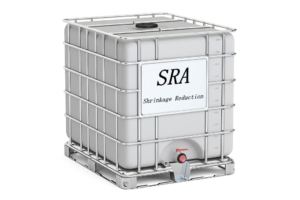
-
Sidleychem SR-100P (Organic Alcohol-based Powder): Recommended dosage 0.4-0.7%. Suitable for self-leveling compounds and floor screeds.
2. Typical Reference Formulation
-
Self-Leveling Compound (Dry mix per 100 kg):
-
Ordinary Portland Cement: 45 kg
-
Quartz Sand: 50 kg
-
Fly Ash: 3 kg
-
Cellulose Ether: 0.3 kg
-
Redispersible Polymer Powder (RDP): 1.5 kg
-
Shrinkage Reducing Admixture (SRA): 0.4 kg
-
Superplasticizer: 0.2 kg
-




Drymix mortar Tech+
Why Does Dry Mortar Have Poor Water Retention?
Learn why dry mortar has poor water retention and how HPMC and MHEC can improve water retention, workability, and cement hydration in dry-mix mortar… Continue reading
Dry-Mix Mortar Summer Formulation Adjustment
Why does the same formulation fail in summer? The key is cellulose ether. High temperatures cause ordinary HPMC water retention to drop sharply — increase dosage by 0.1%-0.2%, switch to high gel temperature grades, and combine with retarders. This article gives three practical adjustment directions to tackle summer construction challenges… Continue reading
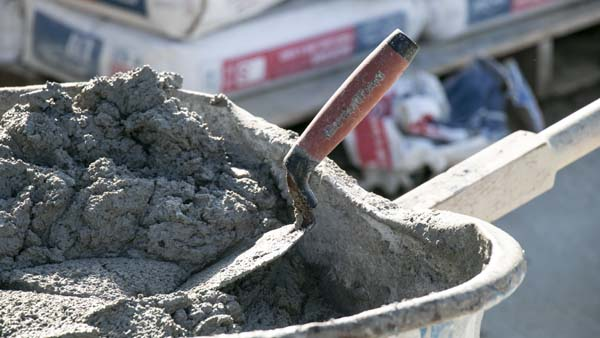
Mortar Setting Too Fast in Summer Heat?
Mortar drying out in half an hour on summer job sites? High-temperature accelerated hydration is the culprit. This article breaks down the features and selection of sodium gluconate, citric acid, tartaric acid, and boric acid retarders, with dosage adjustment and blending strategies to tackle summer construction challenges… Continue reading
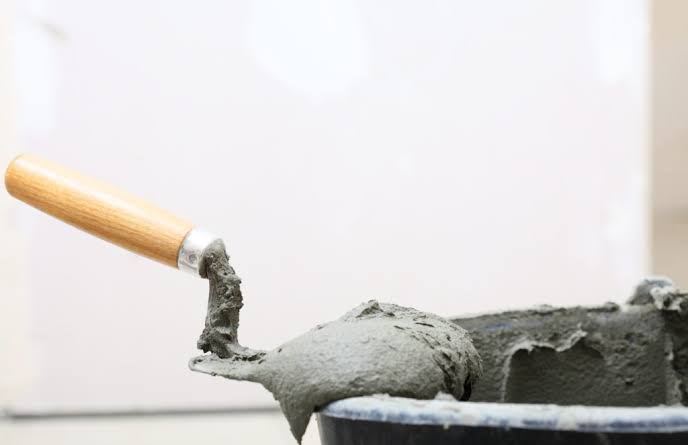
Why Does Dry Mix Mortar Cake During Storage?
Discover why dry mix mortar cakes during storage and transportation. Learn how moisture, packaging, raw materials, and formulation affect storage stability, and explore practical solutions to maintain product quality… Continue reading
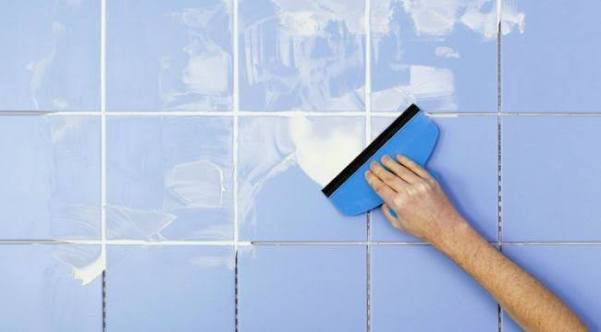
Why Does Tile Grout Change Color After Curing?
Discover the most common causes of tile grout color inconsistency after curing and learn practical solutions through proper formulation, pigment selection, moisture control, and construction practices… Continue reading
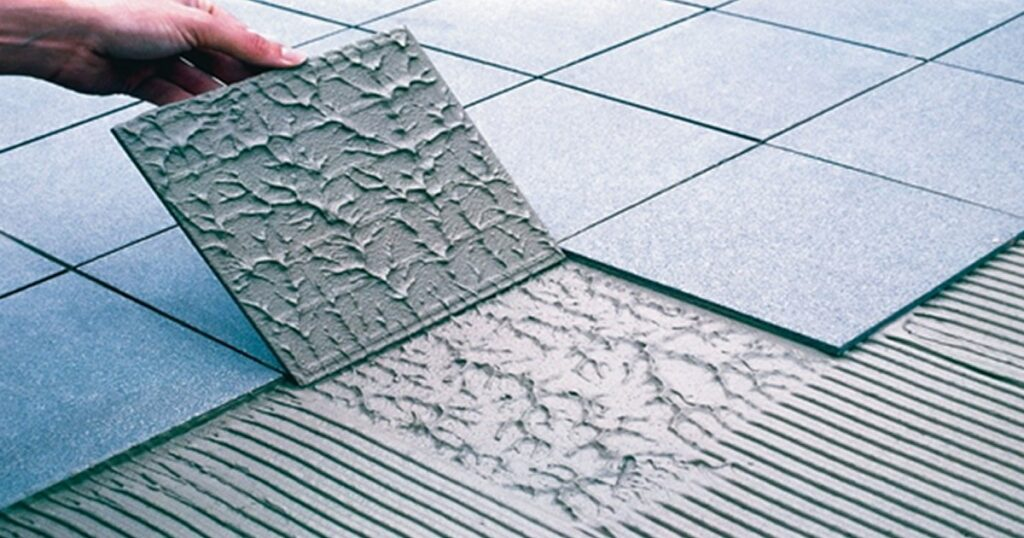
Tile adhesive bond strength
Learn the most common reasons why tile adhesive loses bond strength and discover practical solutions through proper formulation, additive selection, substrate preparation, and construction practices… Continue reading
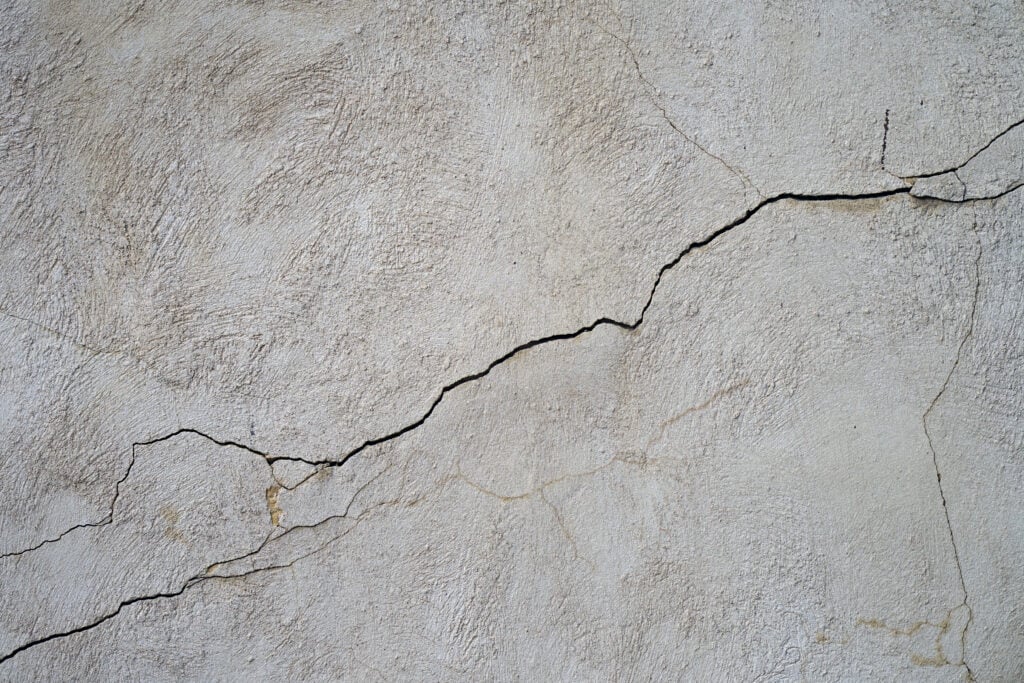
Gypsum Mortar Shrinkage: Causes and How to Prevent Cracks
Understand the main causes of gypsum mortar shrinkage and learn how to prevent cracks using HPMC, gypsum retarder, and proper formulation and construction practices… Continue reading
gypsum mortar water retention
Learn practical ways to enhance the water retention of gypsum mortar using HPMC, starch ether, and proper mixing techniques to improve workability and reduce cracks… Continue reading
Extend gypsum setting time
Learn why gypsum mortar loses workability too quickly and discover practical solutions using gypsum retarders, HPMC, and formulation optimization to extend working time without compromising strength… Continue reading
Tile Adhesive Crack Resistance Solutions
This article analyzes 5 main causes of tile adhesive cracking: insufficient flexibility, poor water retention, excessive shrinkage, poor substrate preparation, and incorrect additive selection, with solutions including HPMC, RDP, and other crack-resistant additives… Continue reading
