
Cosmetic Raw Materials Classification
This guide provides a systematic overview of common cosmetic raw materials categorized by their primary functions. From foundational oils and functional additives to active ingredients, plant extracts, and pH adjusters, understanding these categories helps clarify the roles different components play in product texture, stability, efficacy, and skin feel.
1. Basic Oils
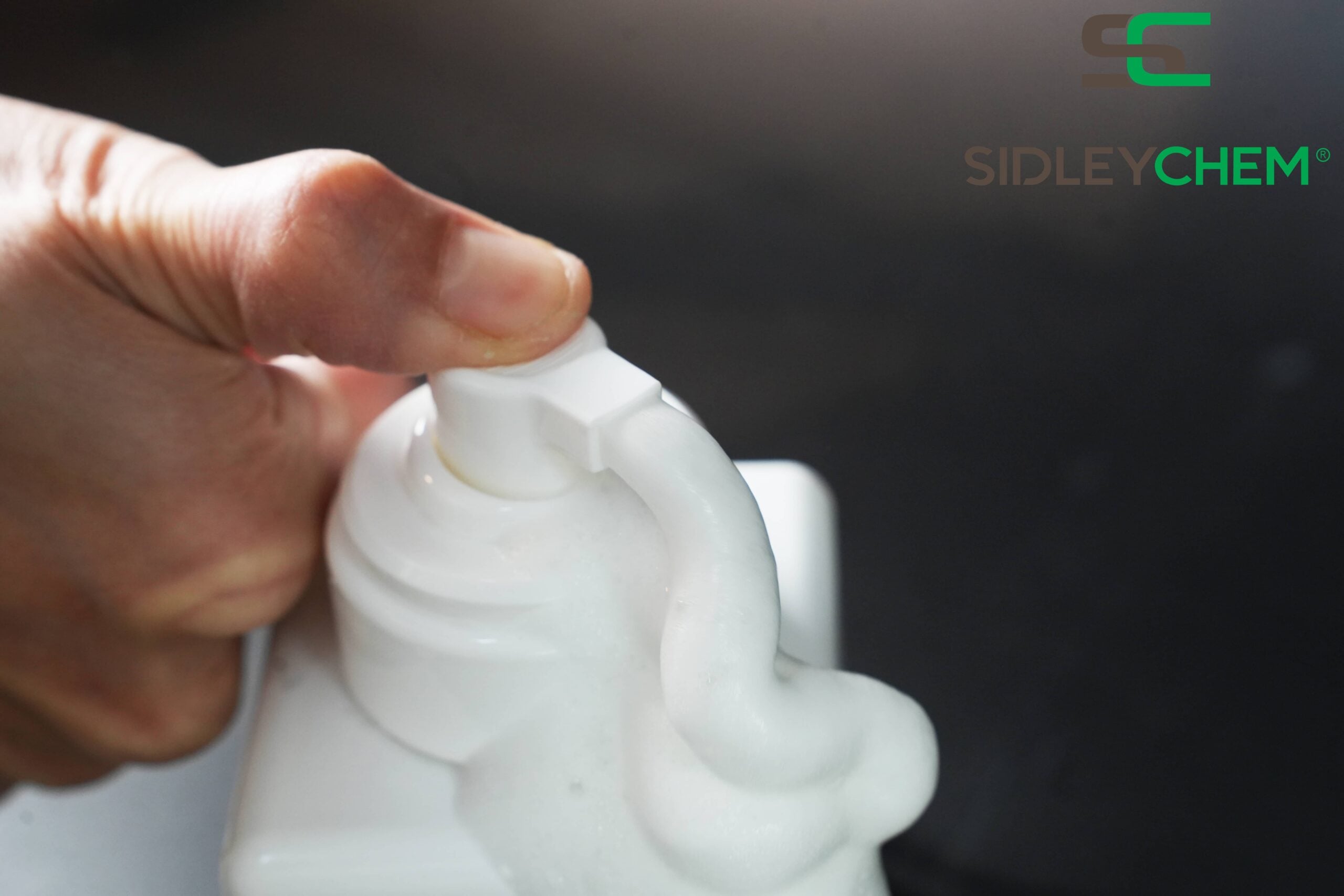
- Oils: Most common raw material, providing lubrication and moisturization for skin and hair.
-
Silicone Oil: Common oil-based ingredient providing absorbency and moisturizing effects.
-
Oleyl Alcohol: Refined oil used as stabilizer in emulsifiers.
2. Functional Additives
-
Pasting Agents: Mild surfactants used for conditioning, anti-dandruff, and increasing product consistency.
-
Emulsifiers: Key additives enabling oil and water mixing, enhancing stability.
-
Surfactants: Compounds forming films at oil-water interfaces for degreasing and cleansing.
-
Binders: Increase product consistency, mostly water-soluble.
-
Powder Additives: Provide consistency, gloss, or improve absorbency.
3. Active Ingredients
-
Antioxidants: Combat free radical damage to skin.
-
Whitening Agents: Inhibit melanin formation, lighten spots, brighten complexion.
-
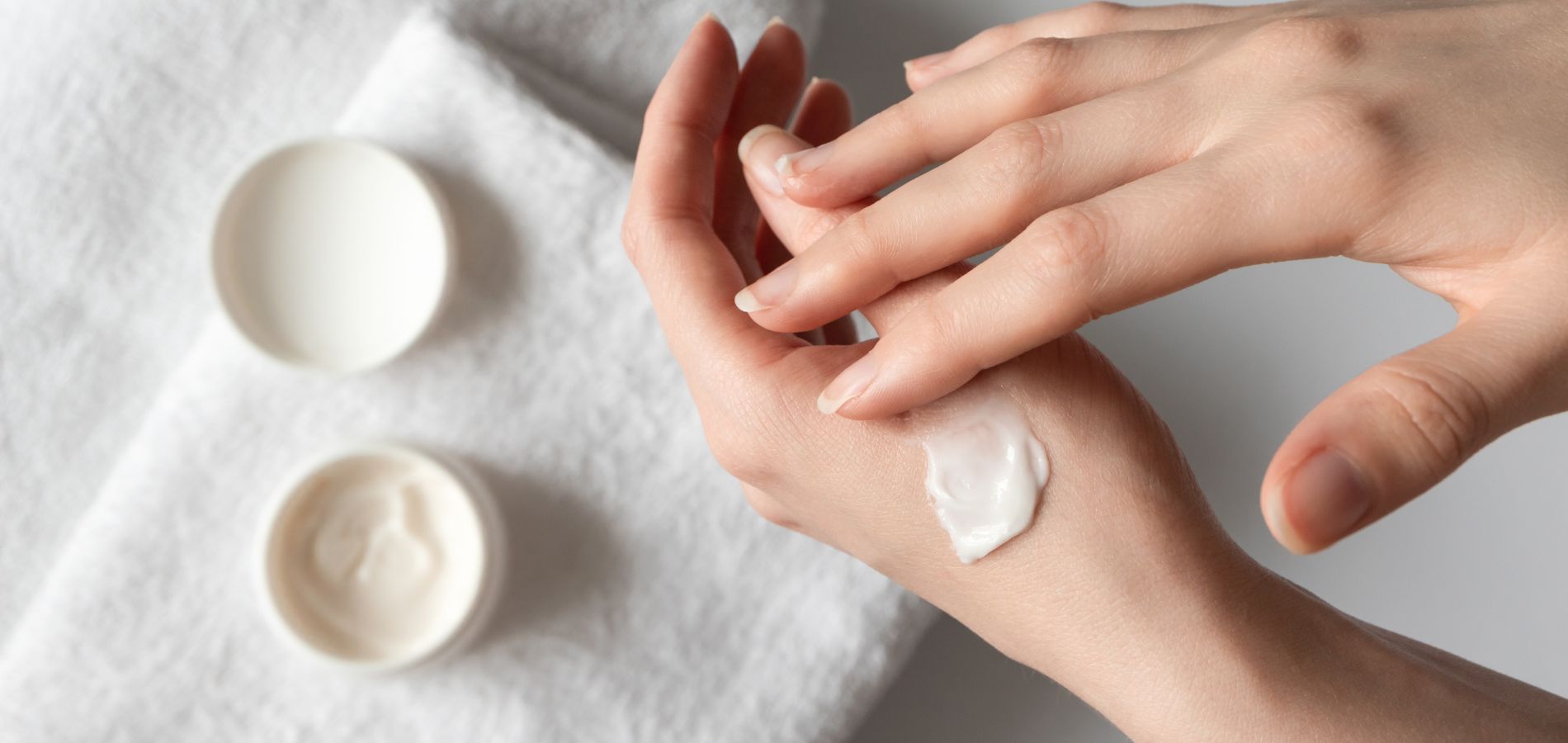
Moisturizers: Absorb and lock in moisture.
-
Nourishing Ingredients: Lubricate skin, prevent dryness or over-degreasing.
-
Low Molecular Weight Ingredients: Easily absorbed, common in serums.
-
Sunscreen Agents: SPF-containing ingredients protecting against UV damage.
4. Actives and Adsorbents
-
Activated Carbon: Adsorbs impurities, detoxifies; used in cleansing and deep-cleansing products.
-
Dolomite: Good adsorption properties, used in cleansing products.
5. pH Adjustment and Anti-Irritants
-
Acidifiers: Create acidic environment, aid antibacterial protection, maintain natural pH.
-
Anti-allergy Ingredients: Help reduce allergic reactions.
-
Anti-acne Ingredients: Reduce acne count and promote metabolism.
6. Plant Extracts and Care Ingredients
-
Herbal Ingredients: Common in natural cosmetics, providing various botanical benefits.
-
Calcium: Soothing and catalytic effects, used in soothing formulations.
-
Chamomile Oil: Calms and soothes inflammatory discomfort.
-
Hyaluronic Acid: Moisturizes, reduces fine lines.
-
Mint: Soothes and anti-inflammatory, used for sensitive skin and acne.
-
Raisin Extract: Antioxidant and anti-inflammatory properties, improves skin elasticity and radiance.
-
Grapefruit: Helps reduce inflammation.
-
Cucumber: Hydrates and soothes, used in cleansing and moisturizing products.
-
Salicylic Acid: Deeply exfoliates dead skin, unclogs pores, helps control acne.
Cellulose Ether Tech+

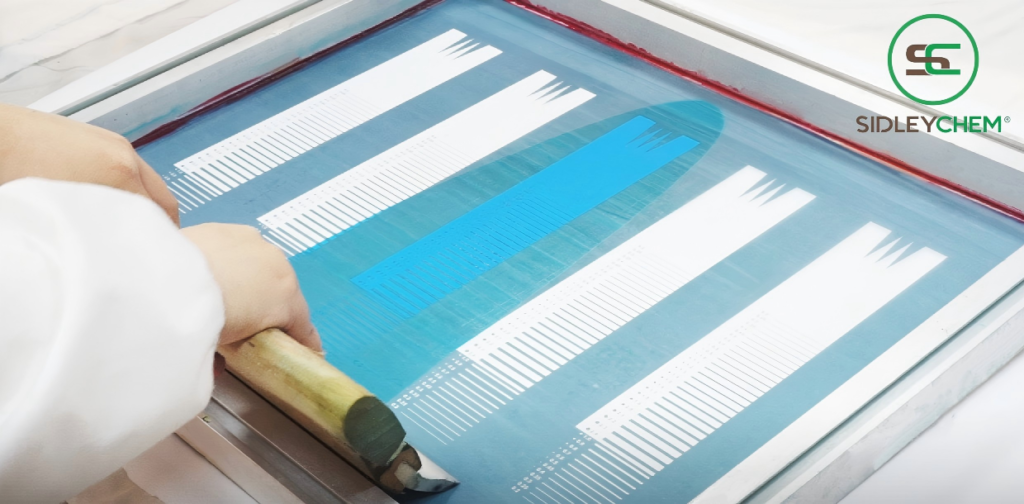
CMC Paper Applications
This article details the customized applications of Sodium Carboxymethyl Cellulose (CMC) in printing paper, packaging board, tissue, and specialty paper, covering key parameters like viscosity selection and pH compatibility, with paper grade CMC specifications… Continue reading
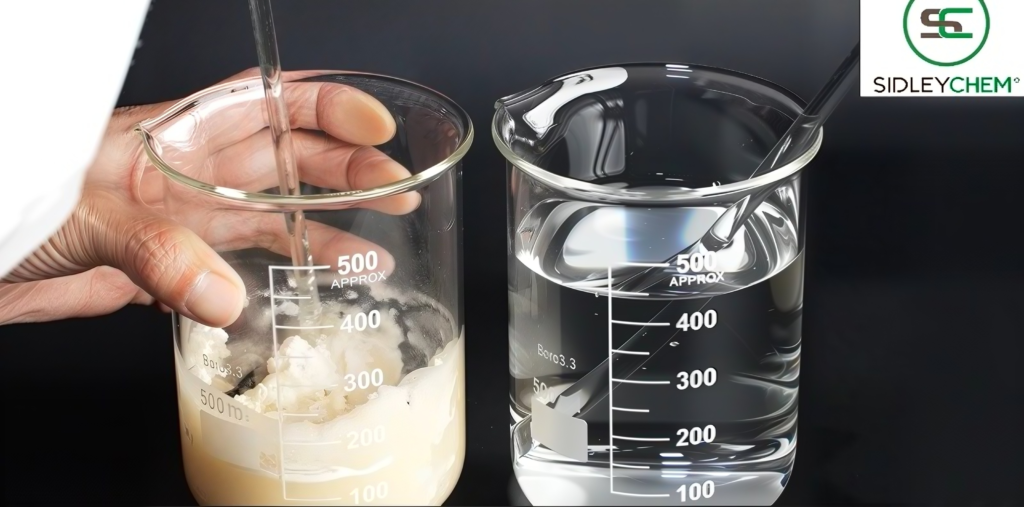
Application Guide for Textile Grade CMC
This article details the application advantages of textile grade Sodium Carboxymethyl Cellulose (CMC) in printing pastes, yarn sizing, and dyeing auxiliaries, including rheology, water retention, stability, and eco-friendliness, with technical specifications reference… Continue reading
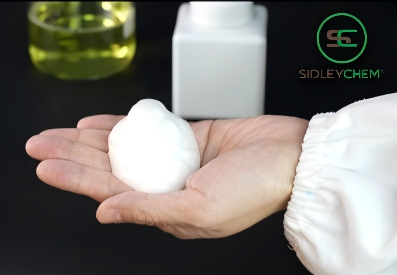
Personal Care Formulation Process
This article lists key process points for thickeners in personal care formulations, including dissolution, pH control, salt tolerance, and selection, and introduces relevant cellulose ether products from … Continue reading
Surfactants in daily chemicals
This article analyzes the definition and amphiphilic nature of surfactants, details their roles in four major daily chemical scenarios (cleaning, skincare, oral care, cosmetics), and summarizes three core advantages. It concludes by relating to SIDLEYCHEM’s expertise and products in relevant areas such as cellulose ethers and redispersible polymer powder… Continue reading
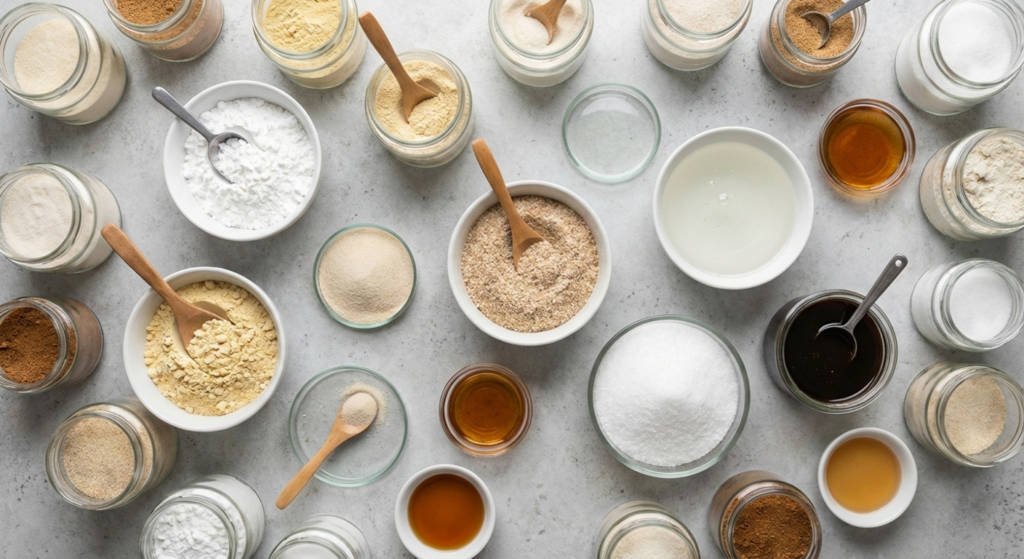
Sodium CarboxyMethylCellulose(CMC) Applications
This article details the properties of food-grade CMC and its key applications in foods like soy milk, ice cream, noodles, and pastries, covering its thickening, stabilizing, and moisture-retaining functions with practical dosage recommendations for food formulators… Continue reading

Architectural coating system
This article details the three core functions of architectural coatings and standard coating system structures (primer, mid-coat, topcoat), analyzing the role of each layer to provide a clear technical framework for selection, formulation, and application… Continue reading

hand sanitizer formulation
A practical guide on hand sanitizer types and formulation basics. Learn about core ingredients like surfactants, HPMC thickeners, and antibacterial agents for developing effective regular, antibacterial, or waterless hand sanitizers… Continue reading
Detergent formulation ingredients
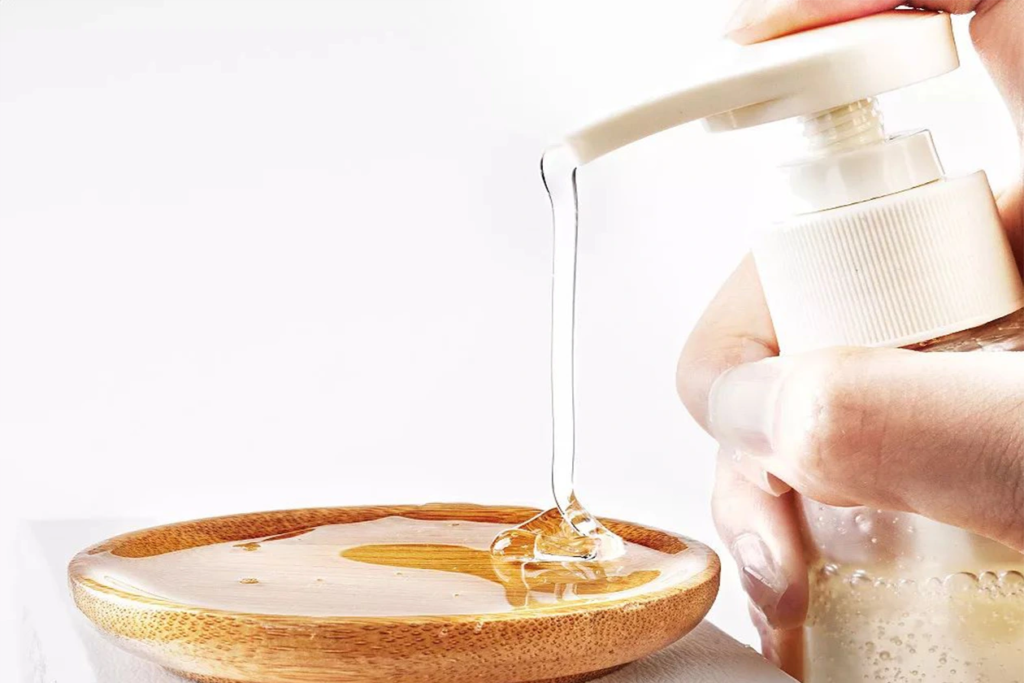
How to select raw materials for FMCG product development? This article details the functions of ten key ingredients like sulfonic acid, AES, AEO-9, and HPMC, offering crucial advice on compliance, safety, and formulation to streamline your product development… Continue reading

Fundamentals and Technical Analysis of Coatings
This article explains the three core functions of paint and provides an in-depth comparison of Vinyl Acrylic, Styrene Acrylic, and Pure Acrylic latex paints. Understanding these fundamentals helps you make informed decisions for superior coating formulations… Continue reading
Check if Your Detergent & Cleaning Products Are Qualified
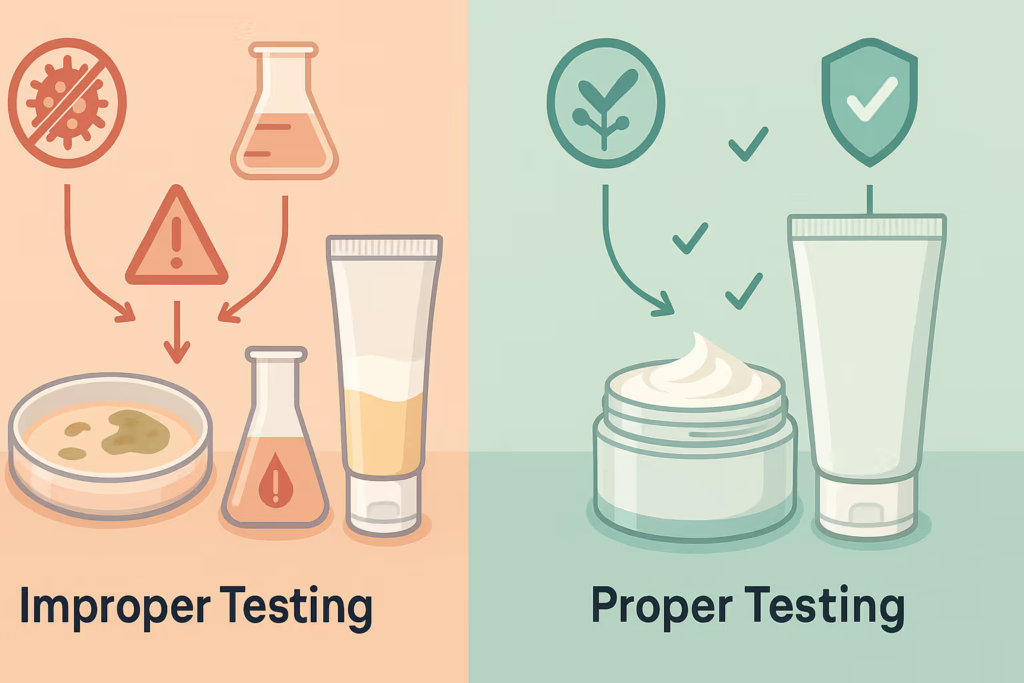
Unsure if your cleaner is up to standard? This guide offers 4 simple methods: check active matter content, inspect appearance, assess viscosity, and smell for odor to quickly evaluate the quality of laundry detergents and cleaning products… Continue reading
