
Fundamentals and Technical Analysis of Coatings
Coatings are materials applied to object surfaces through specific processes, forming a continuous solid film after drying and curing. They serve three core functions: decoration, protection, and special functionalities.
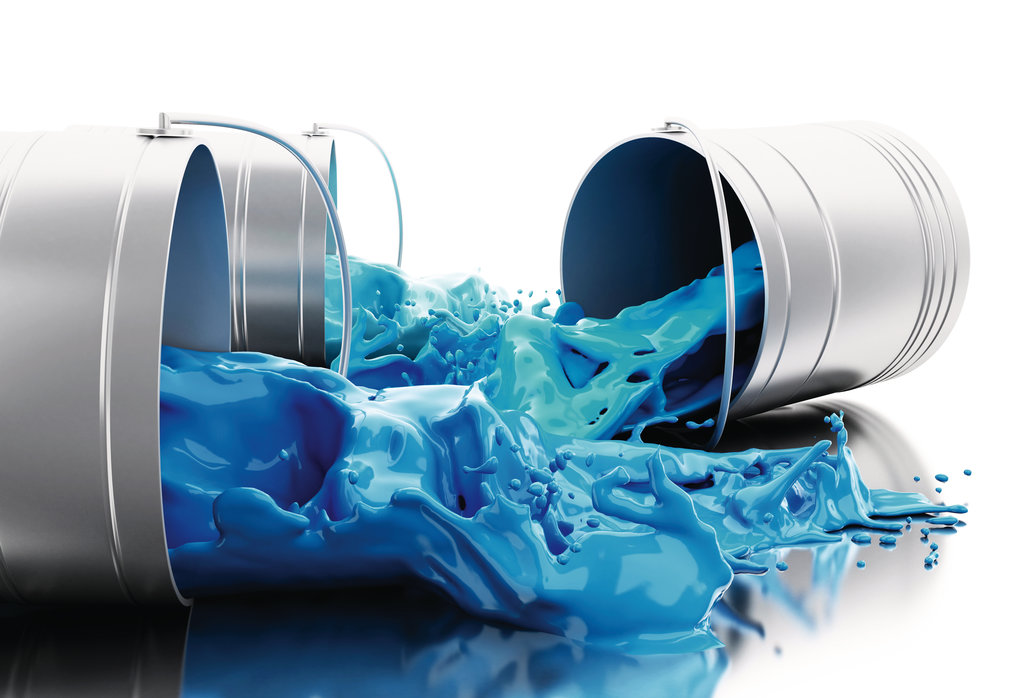
Core Functions & Supporting Performance
To fulfill these functions, coatings must possess a range of key performance properties:
-
For Decoration: Focus is on film appearance (color, gloss), hiding power (ability to obscure the substrate), and fineness (dispersion of pigments, affecting surface smoothness).
-
For Protection: Critical properties include adhesion (strength of bond to the substrate), drying time (touch dry, through dry), and weatherability (resistance to outdoor environmental factors).
-
For Reliable Use: Storage stability is fundamental to ensuring product quality.
Acrylic Coatings: A Typical Example
Acrylic coatings, a broad category based primarily on acrylic resins, demonstrate how performance hinges on the specific resin type used:
-
Vinyl Acrylic (VA) Latex Paint: Lower cost with good film formation at low temperatures, but offers average water, alkali, and weather resistance. Commonly used for standard interior walls.
-
Styrene Acrylic (SA) Latex Paint: Offers balanced overall performance with good water, alkali, and weather resistance. A mainstream choice for both interior and exterior walls.
-
Pure Acrylic (PA) Latex Paint: Delivers superior performance, featuring excellent weatherability, gloss/color retention, scrub resistance, and stain resistance. Ideal for high-end exterior applications and demanding environments.

How to Choose a Good Latex Paint?
A high-quality latex paint should excel in key areas such as hiding power, scrub resistance, application properties, and storage stability. The optimal choice balances these core performance attributes with good cost-effectiveness.
Understanding these coating fundamentals enables more informed product selection based on specific substrate, environmental conditions, and performance requirements.
Cellulose Ether Tech+

CMC Paper Applications
This article details the customized applications of Sodium Carboxymethyl Cellulose (CMC) in printing paper, packaging board, tissue, and specialty paper, covering key parameters like viscosity selection and pH compatibility, with paper grade CMC specifications… Continue reading
Application Guide for Textile Grade CMC
This article details the application advantages of textile grade Sodium Carboxymethyl Cellulose (CMC) in printing pastes, yarn sizing, and dyeing auxiliaries, including rheology, water retention, stability, and eco-friendliness, with technical specifications reference… Continue reading
Cosmetic Raw Materials Classification
This article systematically categorizes 30 common cosmetic raw materials, covering oils, surfactants, active ingredients, and plant extracts, providing basic reference for formulation development and ingredient selection… Continue reading
Personal Care Formulation Process
This article lists key process points for thickeners in personal care formulations, including dissolution, pH control, salt tolerance, and selection, and introduces relevant cellulose ether products from … Continue reading
Surfactants in daily chemicals
This article analyzes the definition and amphiphilic nature of surfactants, details their roles in four major daily chemical scenarios (cleaning, skincare, oral care, cosmetics), and summarizes three core advantages. It concludes by relating to SIDLEYCHEM’s expertise and products in relevant areas such as cellulose ethers and redispersible polymer powder… Continue reading

Sodium CarboxyMethylCellulose(CMC) Applications
This article details the properties of food-grade CMC and its key applications in foods like soy milk, ice cream, noodles, and pastries, covering its thickening, stabilizing, and moisture-retaining functions with practical dosage recommendations for food formulators… Continue reading

Architectural coating system
This article details the three core functions of architectural coatings and standard coating system structures (primer, mid-coat, topcoat), analyzing the role of each layer to provide a clear technical framework for selection, formulation, and application… Continue reading

hand sanitizer formulation
A practical guide on hand sanitizer types and formulation basics. Learn about core ingredients like surfactants, HPMC thickeners, and antibacterial agents for developing effective regular, antibacterial, or waterless hand sanitizers… Continue reading

Detergent formulation ingredients
How to select raw materials for FMCG product development? This article details the functions of ten key ingredients like sulfonic acid, AES, AEO-9, and HPMC, offering crucial advice on compliance, safety, and formulation to streamline your product development… Continue reading
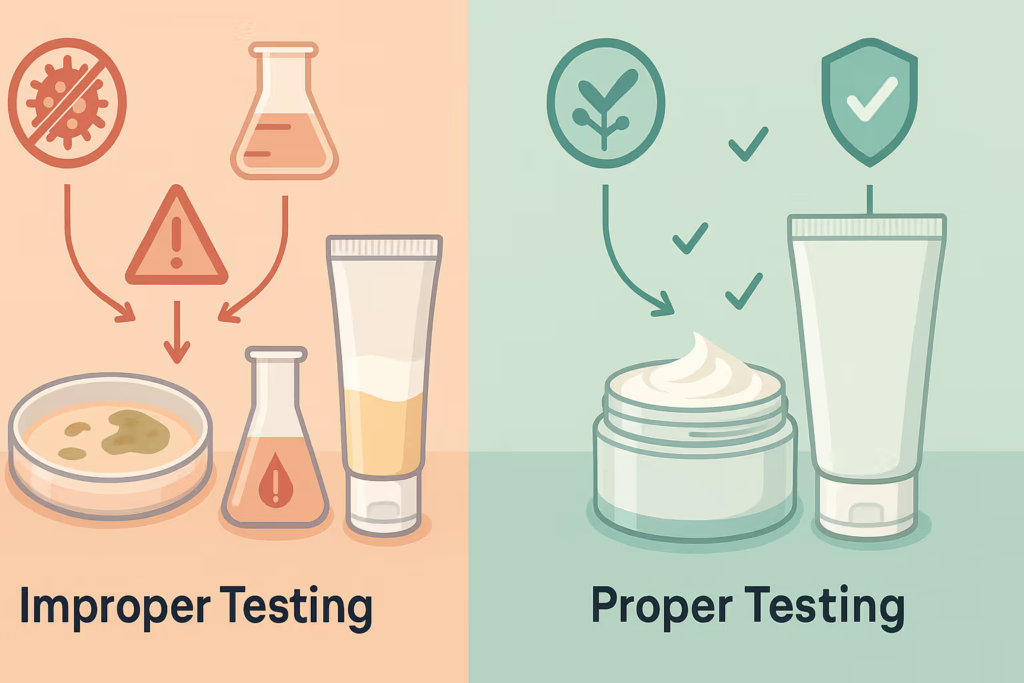
Check if Your Detergent & Cleaning Products Are Qualified
Unsure if your cleaner is up to standard? This guide offers 4 simple methods: check active matter content, inspect appearance, assess viscosity, and smell for odor to quickly evaluate the quality of laundry detergents and cleaning products… Continue reading
