
Carboxymethyl Starch
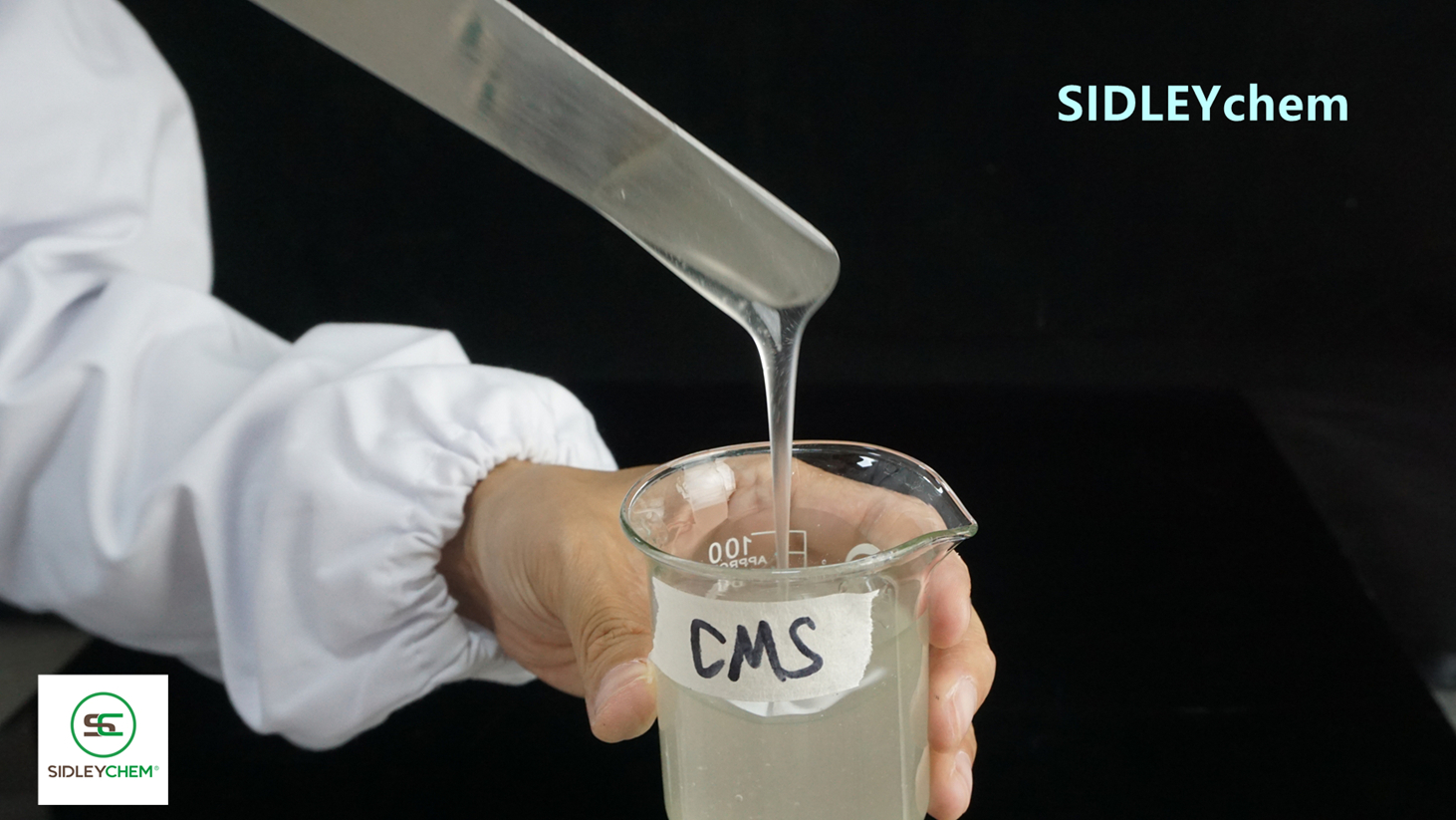
Carboxymethyl starch is a type of modified starch, also known as carboxymethyl starch-Na. Used in printing and dyeing, carboxymethyl starch serves as a carrier paste for dyes and printing auxiliaries(Carboxymethyl Starch Printing thickener), offering excellent compatibility and stability. Dyeing pastes formulated with carboxymethyl starch also exhibit excellent permeability. This is particularly advantageous for deep-penetrating fabric printing, enabling rapid pattern reproduction according to the stencil design while significantly enhancing print vibrancy. Additionally, carboxymethyl starch dissolves readily in cold water, ensuring convenient handling.
The printing performance of carboxymethyl starch primarily depends on its purity and degree of substitution (etherification). Low etherification or uneven etherification results in poor acid, alkali, and salt resistance, as well as low water solubility. During preparation of the printing paste, unreacted primary hydroxyl groups react with reactive dyes, causing deposits on the fabric surface that result in a stiff handfeel. Insoluble suspended particles in the paste may also lead to printing defects. Increasing the etherification degree of carboxymethyl starch to above 1.0 significantly enhances the chemical stability of the paste, improving its flow and penetration properties, thereby enhancing printing performance.
Carboxymethyl starch(CMS) exhibits a low paste yield, representing a typical high-solid-content, low-viscosity paste with an original paste concentration generally around 8%, leading to paste wastage. As a classic non-Newtonian fluid, carboxymethyl starch possesses significant structural viscosity and a highly viscous appearance, with a PVI value of approximately 0.4. However, this viscosity stems not from intermolecular forces but from the difficulty of molecular chain clusters migrating in water.
Carboxymethyl starch lacks the viscoelasticity of sodium alginate, resulting in poor water retention where water molecules between molecular chains remain largely free. The most significant characteristic of printing with this paste is severe bleeding. Attempting to prevent bleeding by increasing paste concentration leads to excessive paste residue on the fabric, compromising hand feel and causing mottling.
Methods to improve carboxymethyl starch printing performance:
(1) Use products with high viscosity, high substitution degree, and high purity(Carboxymethyl Starch Printing thickener)
(2) Blend carboxymethyl starch with other binders for printing. Using sodium alginate blended with carboxymethyl starch for cotton fabric printing yields favorable results. Compared to pure carboxymethyl starch, the blended mixture exhibits improved water retention and drag properties. It also achieves higher color yield post-printing while reducing binder costs.
Cellulose Ether Tech+

Why Microcrystalline Cellulose Is Widely Used in Tablet Manufacturing?
Learn why Microcrystalline Cellulose (MCC) is widely used in tablet manufacturing and how its compressibility and binding properties support direct compression… Continue reading

How Does Cellulose Ether Improve Makeup Longevity?
Makeup not lasting long enough? Cellulose ether is a natural-derived film-forming solution. How to choose between EC, HEC, and HPMC? This article breaks down their applications in lip gloss, foundation, and setting spray… Continue reading

How CMC Makes Ice Cream Creamier with Fewer Ice Crystals?
This article explains four key roles of Sodium Carboxymethyl Cellulose (CMC) in ice cream: preventing ice crystal growth, increasing viscosity, improving mouthfeel, and preventing fat separation, with SIDLEYCHEM food grade CMC solutions… Continue reading

How Polyanionic Cellulose (PAC) Improves Water-Based Drilling Fluids
Learn how Polyanionic Cellulose (PAC) improves water-based drilling fluids by controlling fluid loss, enhancing borehole stability, and optimizing drilling performance in oil and gas operations… Continue reading

Sodium Carboxymethyl Cellulose in Toothpaste
Discover why Sodium Carboxymethyl Cellulose (CMC) is widely used in toothpaste. Learn how CMC improves consistency, stability, spreadability, and overall oral care product performance… Continue reading
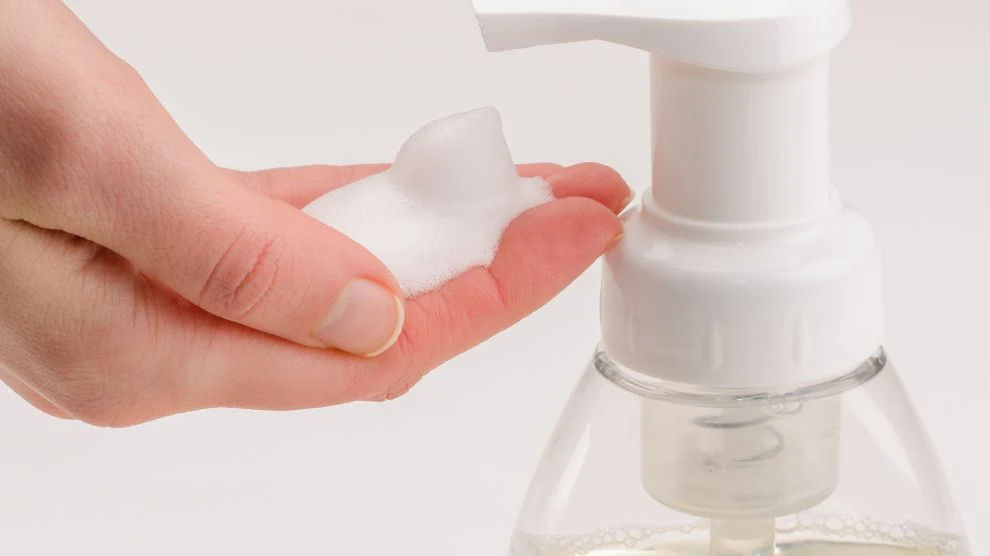
HEC in hand soap
Hydroxyethyl Cellulose (HEC) improves foam stability in hand soap by increasing viscosity, stabilizing foam structure, and enhancing texture, delivering a richer and longer-lasting washing experience… Continue reading

HEC for liquid detergent
Hydroxyethyl Cellulose (HEC) is widely used in liquid detergents due to its excellent thickening performance, surfactant compatibility, and stable rheology, improving product stability and user experience… Continue reading

Choosing the Right Cellulose Ether for Detergent Manufacturing
This guide provides a complete framework for selecting cellulose ethers in detergent manufacturing: comparing HEC vs. CMC performance, selection factors, and combination strategies, with SIDLEYCHEM customized product solutions… Continue reading

Oilfield Grade CMC Application
This article details the multifunctional applications of oilfield grade CMC in drilling, cementing, and fracturing fluids, including fluid loss reduction, viscosity enhancement, proppant transport, and guar gum replacement, with LVT/HVT and ultra-high viscosity specifications… Continue reading

PAC Drilling Fluid Application
This article details oilfield grade PAC applications in drilling fluid solids control, performance regulation, and system stabilization, with PAC-LV/HV specifications… Continue reading
