
Application Guide for Textile Grade CMC
Sodium Carboxymethyl Cellulose (CMC) is an important functional auxiliary in the textile printing and dyeing industry. With its excellent thickening, water retention, and chemical stability properties, CMC plays an irreplaceable role in printing pastes, yarn sizing, and dyeing processes. This article systematically reviews CMC’s three major application scenarios and technical advantages in the textile industry.
1. CMC as Printing Thickener
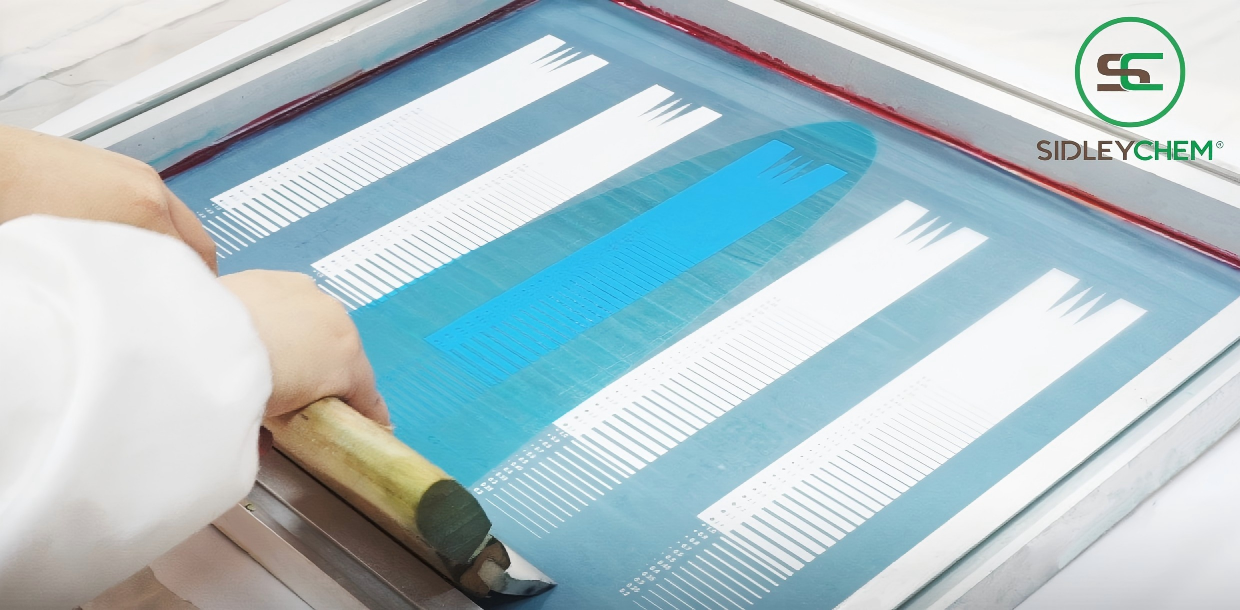
As a thickener and carrier for printing pastes, CMC effectively adjusts paste viscosity, ensuring clear printing patterns without bleeding.
Key Advantages
-
Good Rheology, High Pattern Precision: High viscosity at rest prevents paste bleeding, enabling fine printing lines without halos.
-
Strong Water Retention: The carboxymethyl groups on CMC molecular chains are highly hydrophilic, forming a water-retaining film on fabric surfaces, effectively preventing paste skinning and screen clogging due to water evaporation.
-
High Stability: Stable molecular structure resistant to alkali, salt, and electrolytes, with minimal reaction with dyes.
2. CMC as Sizing Agent
Forms a smooth, tough film on yarn surfaces, improving yarn abrasion resistance and smoothness, reducing breakage and friction during weaving.
Key Advantages
-
Good Compatibility: Can be blended with alginate and other sizing agents in any proportion, reducing overall sizing cost. Blended sizing shows better stability, improved yarn sizing uniformity, and higher weaving efficiency.
- Eco-Friendly and Easy to Handle: CMC is biodegradable; production wastewater can be treated through conventional biochemical processes. No toxic or harmful substances are released, meeting green production standards for the textile industry.

3. CMC as Dyeing Auxiliary
Leveling Agent
During dyeing, CMC can serve as an auxiliary leveling agent. Its hydrophilic long-chain molecules preferentially form hydrogen bonds with hydroxyl groups on cellulose fibers (cotton, linen, viscose), creating a “protective film” on fiber surfaces. This film delays dye absorption, achieving uniform dyeing throughout the fabric.
Deepening Agent
CMC reduces residual floating color on dyed fabric surfaces, helping dyes adhere more uniformly and firmly to fibers, providing a certain deepening effect.
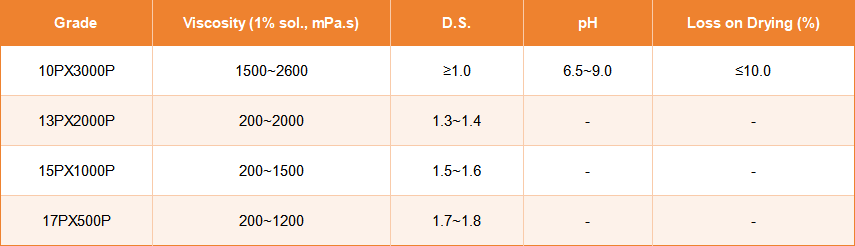
4. Technical Specifications for Textile Grade CMC
5. Conclusion
Sodium Carboxymethyl Cellulose has become an indispensable key auxiliary in modern textile printing and dyeing technology. As textile functionalization, digital printing, and industry greening continue to develop, higher and more specialized requirements are placed on CMC performance. Future development and application of modified CMC products, such as salt-resistant grades, will further unlock its potential in high-end textile applications, driving the industry toward greater sustainability and higher quality.
Cellulose Ether Tech+

CMC Paper Applications
This article details the customized applications of Sodium Carboxymethyl Cellulose (CMC) in printing paper, packaging board, tissue, and specialty paper, covering key parameters like viscosity selection and pH compatibility, with paper grade CMC specifications… Continue reading

Cosmetic Raw Materials Classification
This article systematically categorizes 30 common cosmetic raw materials, covering oils, surfactants, active ingredients, and plant extracts, providing basic reference for formulation development and ingredient selection… Continue reading
Personal Care Formulation Process
This article lists key process points for thickeners in personal care formulations, including dissolution, pH control, salt tolerance, and selection, and introduces relevant cellulose ether products from … Continue reading
Surfactants in daily chemicals
This article analyzes the definition and amphiphilic nature of surfactants, details their roles in four major daily chemical scenarios (cleaning, skincare, oral care, cosmetics), and summarizes three core advantages. It concludes by relating to SIDLEYCHEM’s expertise and products in relevant areas such as cellulose ethers and redispersible polymer powder… Continue reading

Sodium CarboxyMethylCellulose(CMC) Applications
This article details the properties of food-grade CMC and its key applications in foods like soy milk, ice cream, noodles, and pastries, covering its thickening, stabilizing, and moisture-retaining functions with practical dosage recommendations for food formulators… Continue reading

Architectural coating system
This article details the three core functions of architectural coatings and standard coating system structures (primer, mid-coat, topcoat), analyzing the role of each layer to provide a clear technical framework for selection, formulation, and application… Continue reading

hand sanitizer formulation
A practical guide on hand sanitizer types and formulation basics. Learn about core ingredients like surfactants, HPMC thickeners, and antibacterial agents for developing effective regular, antibacterial, or waterless hand sanitizers… Continue reading

Detergent formulation ingredients
How to select raw materials for FMCG product development? This article details the functions of ten key ingredients like sulfonic acid, AES, AEO-9, and HPMC, offering crucial advice on compliance, safety, and formulation to streamline your product development… Continue reading

Fundamentals and Technical Analysis of Coatings
This article explains the three core functions of paint and provides an in-depth comparison of Vinyl Acrylic, Styrene Acrylic, and Pure Acrylic latex paints. Understanding these fundamentals helps you make informed decisions for superior coating formulations… Continue reading

Check if Your Detergent & Cleaning Products Are Qualified
Unsure if your cleaner is up to standard? This guide offers 4 simple methods: check active matter content, inspect appearance, assess viscosity, and smell for odor to quickly evaluate the quality of laundry detergents and cleaning products… Continue reading
