
gypsum mortar workability
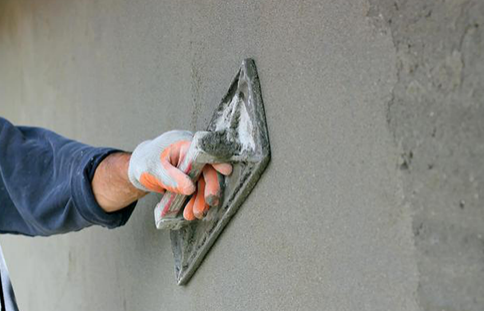
Gypsum-based lightweight plastering mortar is a dry-mix mortar primarily composed of β-hemihydrate gypsum as the cementitious binder, supplemented with lightweight aggregates, functional fillers, and chemical additives. While offering advantages such as lightweight properties, fire resistance, and humidity regulation, this material system also presents common challenges during actual application, including high viscosity, significant scraping resistance, and difficulty in finishing.
Systematically improving its workability hinges on precisely controlling the mortar’s rheological behavior through specialized chemical additives.
I. Rheological Roots of Core Challenges
The poor workability of gypsum-based mortar fundamentally stems from its suboptimal rheological properties: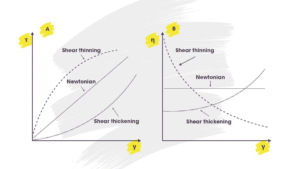
High yield stress: Results in excessive resistance during initial application, manifesting as a “heavy” feel.
Rapid thixotropic recovery: The window for mortar to thin after mixing is too brief, hindering spreading and finishing operations.
High interparticle friction: Direct contact between gypsum and other powder particles without lubrication causes construction stickiness.

II. Solution: Rheology-Modifying Additive Technology
To address these issues, polymer additives with specialized molecular designs (e.g., SidleyChem‘s MP-22M01) represent a proven effective technical approach. Their mechanism of action primarily manifests in the following aspects:
Steric Hindrance and Lubrication Effects
Additive molecules adsorb onto gypsum particle surfaces, forming an effective polymeric layer. This creates steric hindrance that prevents particle agglomeration while providing superior interparticle lubrication, significantly reducing internal friction during application.
Moisture Regulation
Optimized additives enhance the system’s water retention and moisture distribution, ensuring thorough and uniform gypsum hydration. This prevents quality issues like surface powdering and cracking, thereby extending the mortar’s effective working time.
III. Conclusion
The introduction of specialized rheology-modifying additives fundamentally reshapes the workability of gypsum-based lightweight plastering mortar. This technical approach not only resolves the challenges of high viscosity and difficult application but also enhances mortar stability and ease of use, providing reliable technical support for ensuring construction quality and improving operational efficiency.




Drymix mortar Tech+
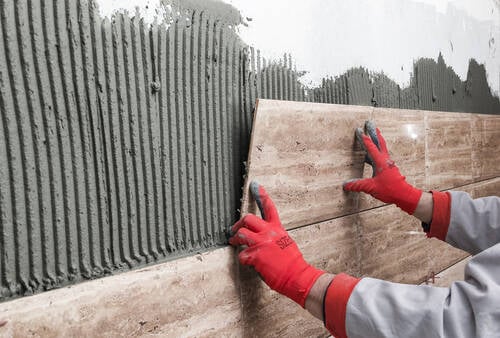
Tile Adhesive Formulation
This article presents a C0 grade tile adhesive formulation trial comparing high, medium, and low viscosity cellulose ethers on open time and tensile bond strength, providing data reference for formulation optimization and cellulose ether selection… Continue reading
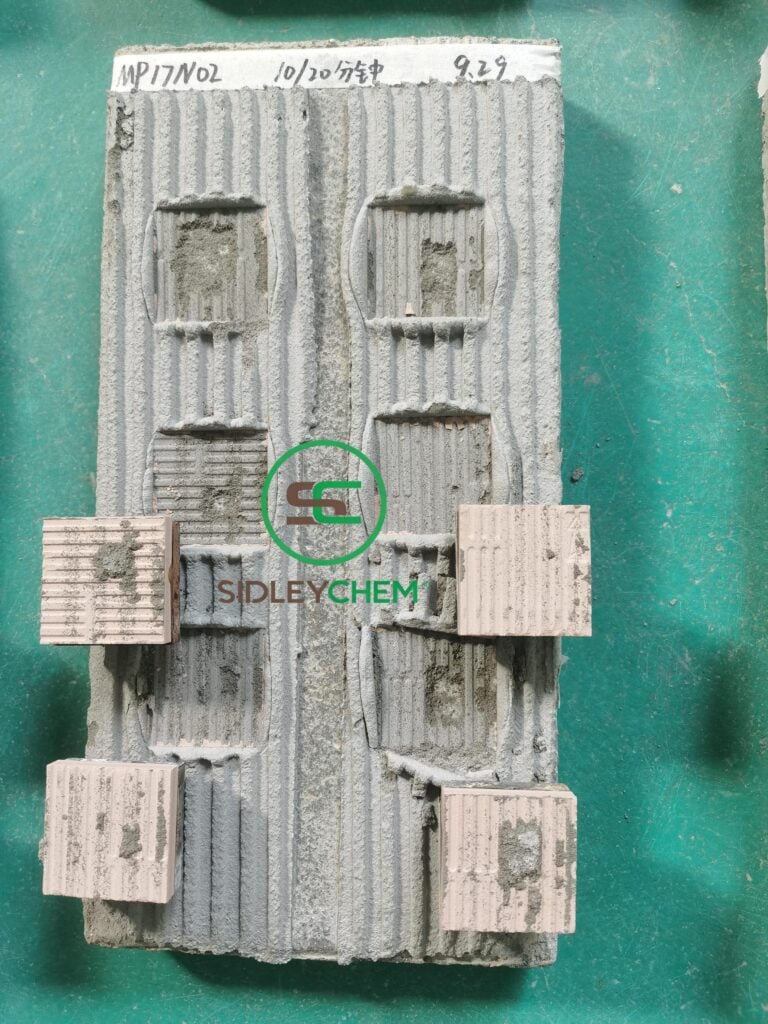
Tile adhesive open time
This article tests cellulose ethers (MP 17N01, ME 14N02, etc.) with varying viscosities and dosages to verify their effect on the open time of C1 tile adhesive, providing experimental data and conclusions… Continue reading
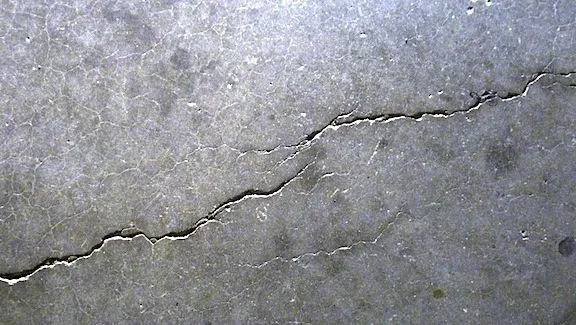
Dry-mix mortar shrinkage reducing admixture
This article details how Shrinkage Reducing Admixtures (SRAs) inhibit shrinkage and cracking in dry-mix mortars, covering mechanisms, advantages, powdered product selection, application guidelines, a self-leveling compound reference formula, and recommends SidleyChem’s high-performance SR-… Continue reading
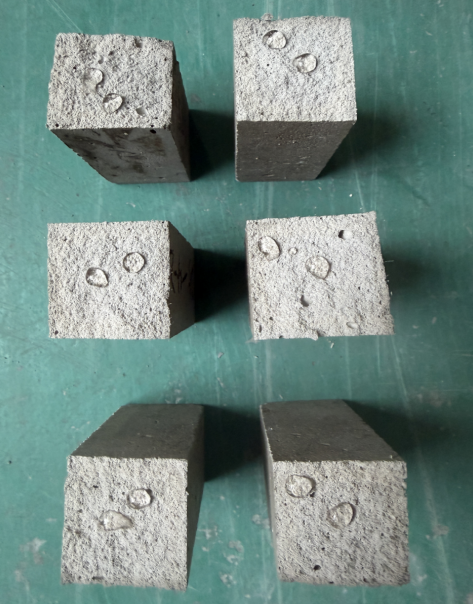
Silicone hydrophobic powder weathering test
This article presents a 4-month outdoor weathering test on mortar containing silicone hydrophobic powder (e.g., WS80/WS90) and RDP. Results show surface effect variation but lasting internal hydrophobicity, with SidleyChem’s recommended product portfolio… Continue reading
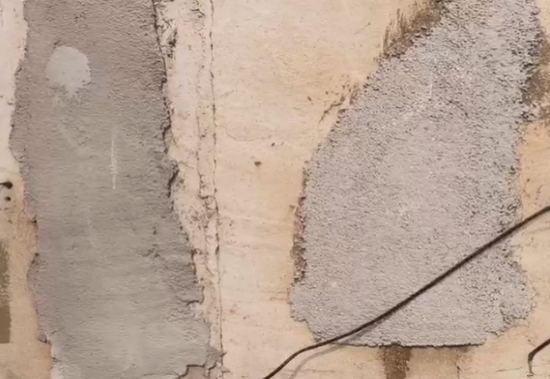
ETIRS adhesive powder additives
This article analyzes the formulation technology of bonding powder for EPS Insulation Rendering Systems (ETIRS), detailing the functions of components like cellulose ether, RDP, PVA, and fibers. It presents targeted high-performance additive solutions from SidleyChem (e.g., HEMC, RDP, PEO) to help develop stable and reliable insulation mortar products… Continue reading

ETICS base coat mortar formulation
How to formulate high-durability ETICS base coat mortar? This article analyzes the core functions of Cellulose Ether, RDP, Hydrophobic Agents, and Fibers, and provides targeted SidleyChem product solutions (e.g., RDP 86353, WS 80). Get the complete guide to high-performance reinforcing mortar formulation… Continue reading
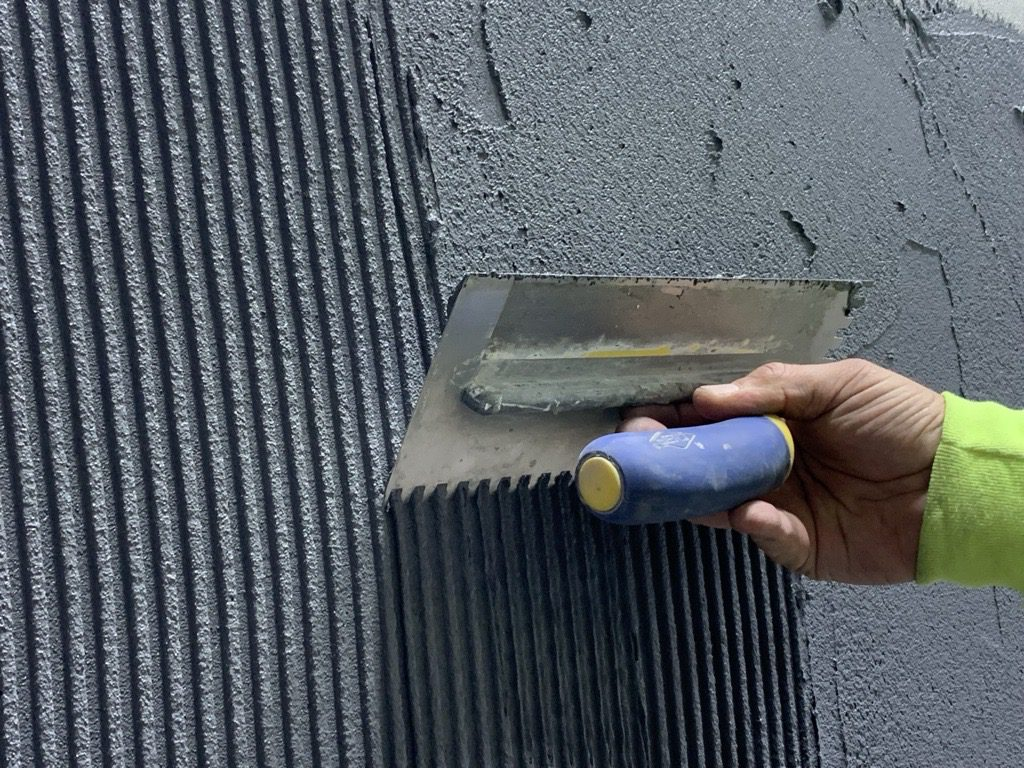
ETICS adhesive mortar additives
his article details the key performance requirements for adhesive mortar in ETICS. Explore SidleyChem’s high-performance solutions including Cellulose Ethers (HEMC/HPMC), Redispersible Polymer Powder (RDP), and Hydrophobic Agents to formulate strong, durable adhesive mortar… Continue reading
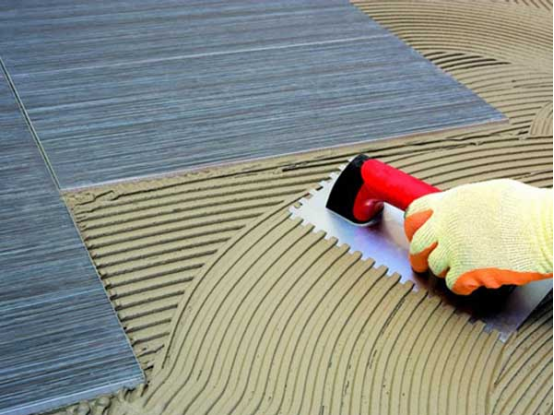
Nanoscale Enhancer Tile Adhesive
How to break through the water-resistant strength bottleneck of tile adhesive? SidleyChem’s Nanoscale Enhancer HS-93 significantly boosts performance via pore-filling and hydration promotion, delivering exceptional results even with low polymer powder dosage… Continue reading
Starch Ether in Portland Cement
Experimental analysis of starch ether’s thickening performance in Portland cement systems. Compare test data of various starch ether products and discover our specialized SE series for different applications… Continue reading
Starch ether gypsum thickening
How does starch ether thicken building gypsum? This analysis with test data compares products from different origins and showcases optimized starch ethers for tile adhesive, cement putty, and gypsum applications… Continue reading
