
hand sanitizer formulation
How to Choose the Right Hand Sanitizer?
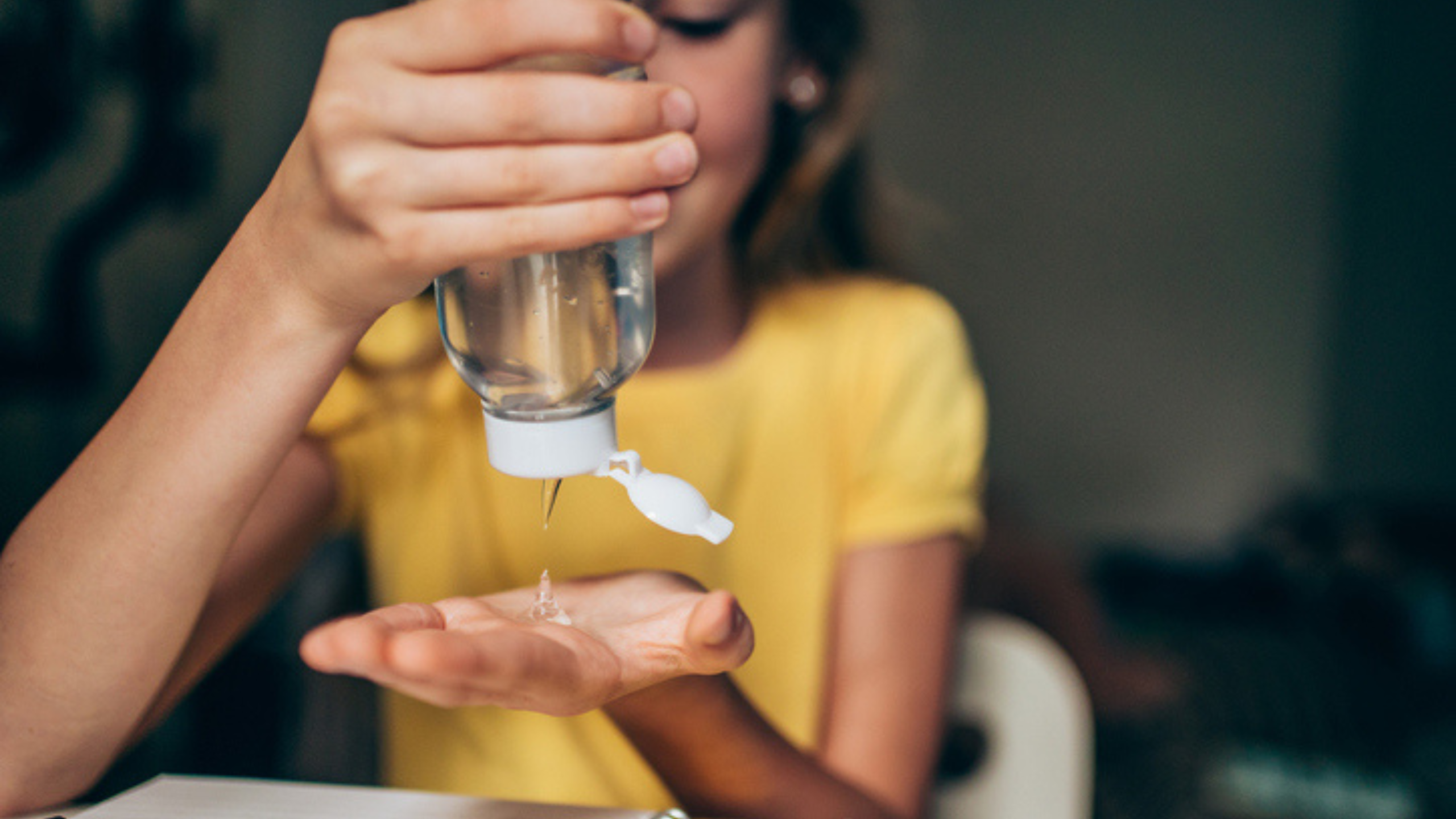
Hand sanitizers can be broadly categorized into three types: Regular, Antibacterial/Specialty, and Waterless (Hand Rub). Understanding their differences is key to selecting the right product for your needs.
-
Regular Hand Soap/Liquid: This is the common product found in supermarkets, functioning primarily as a cleaner similar to liquid soap for daily handwashing to remove dirt and grime.
-
Antibacterial/Specialty Hand Wash: Designed for more demanding environments like hospitals, supermarkets, and high-traffic public areas. In addition to surfactants, they contain antimicrobial agents. According to standards, products labeled “antibacterial” must achieve a >90% bactericidal rate, while “bacteriostatic” products require a >50% inhibition rate.
-
Waterless Hand Sanitizer (Hand Rub): A convenient option containing alcohol (ethanol/isopropanol) and skin-conditioning agents. It requires no water; simply apply and rub hands together for 1-3 minutes. Ideal for travel or outdoor use, offering effective disinfection when alcohol content is around 60-80%.
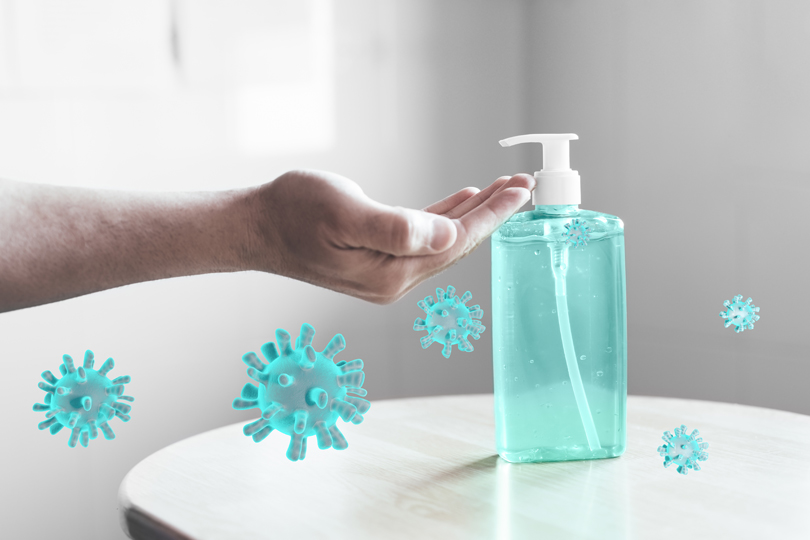
2. What’s Inside a Hand Sanitizer Formula?
Hand sanitizer formulations are engineered blends of components serving specific functions. Here’s a breakdown of common ingredients:
2.1 Core Components of Regular Hand Soap:
-
Surfactants: For cleansing and foaming. Typically, an anionic surfactant like Sodium Laureth Sulfate (AES) or Sodium Lauryl Sulfate (SLS/K12) serves as the primary cleaner, often combined with a milder amphoteric surfactant like Cocamidopropyl Betaine (CAB) or a non-ionic like Cocamide DEA (6501) to reduce skin irritation.
-
Skin Conditioners & Humectants: Ingredients like Glycerin, Propylene Glycol, or Sorbitol (typically 1-3%) are added to counteract dryness, retain moisture, and leave a protective film on the skin.
-
Thickeners/Rheology Modifiers:
 Used to achieve the desired viscosity and product feel. Hydroxypropyl Methylcellulose (HPMC), such as our product D906, is an excellent choice for effective thickening and high clarity, enhancing user experience.
 -
Preservatives: Such as Sodium Benzoate, Parabens, or Isothiazolinones (e.g., Kathon CG), are essential to prevent microbial growth and ensure shelf-life stability.
-
2.2 Functional Formulation Variants:
-
Antibacterial Hand Wash: Incorporates Benzalkonium Chloride, Chloroxylenol (PCMX), etc., adhering strictly to local regulatory limits for antimicrobial agents.
-
Skin-Care Focused Hand Wash: Enriched with natural oils (Olive Oil, Jojoba Oil) or botanical extracts (Paeonol, Flavonoids) for anti-inflammatory and soothing properties, suitable for sensitive skin.
-
Eco-Friendly/Biodegradable Formulations: Utilize readily biodegradable surfactants like Alkyl Polyglucosides (APG) to minimize environmental impact.
-
Waterless Hand Sanitizer Formulations:
-
Alcohol-Based: Rely on Ethanol or Isopropanol (optimal efficacy at ~75% v/v) as the main antimicrobial, combined with humectants like glycerin to prevent dryness.
-
Alcohol-Free: May use alternative actives like Quaternary Ammonium Compounds (e.g., Benzalkonium Chloride/Bromide), Chlorhexidine, Hydrogen Peroxide, or Hypochlorous Acid. Some variants feature plant extracts (Aloe Vera, Calendula), though their antimicrobial efficacy is generally lower than chemical actives.
-
-
Cellulose Ether Tech+

CMC Paper Applications
This article details the customized applications of Sodium Carboxymethyl Cellulose (CMC) in printing paper, packaging board, tissue, and specialty paper, covering key parameters like viscosity selection and pH compatibility, with paper grade CMC specifications… Continue reading
Application Guide for Textile Grade CMC
This article details the application advantages of textile grade Sodium Carboxymethyl Cellulose (CMC) in printing pastes, yarn sizing, and dyeing auxiliaries, including rheology, water retention, stability, and eco-friendliness, with technical specifications reference… Continue reading
Cosmetic Raw Materials Classification
This article systematically categorizes 30 common cosmetic raw materials, covering oils, surfactants, active ingredients, and plant extracts, providing basic reference for formulation development and ingredient selection… Continue reading
Personal Care Formulation Process
This article lists key process points for thickeners in personal care formulations, including dissolution, pH control, salt tolerance, and selection, and introduces relevant cellulose ether products from … Continue reading
Surfactants in daily chemicals
This article analyzes the definition and amphiphilic nature of surfactants, details their roles in four major daily chemical scenarios (cleaning, skincare, oral care, cosmetics), and summarizes three core advantages. It concludes by relating to SIDLEYCHEM’s expertise and products in relevant areas such as cellulose ethers and redispersible polymer powder… Continue reading

Sodium CarboxyMethylCellulose(CMC) Applications
This article details the properties of food-grade CMC and its key applications in foods like soy milk, ice cream, noodles, and pastries, covering its thickening, stabilizing, and moisture-retaining functions with practical dosage recommendations for food formulators… Continue reading

Architectural coating system
This article details the three core functions of architectural coatings and standard coating system structures (primer, mid-coat, topcoat), analyzing the role of each layer to provide a clear technical framework for selection, formulation, and application… Continue reading
Detergent formulation ingredients
How to select raw materials for FMCG product development? This article details the functions of ten key ingredients like sulfonic acid, AES, AEO-9, and HPMC, offering crucial advice on compliance, safety, and formulation to streamline your product development… Continue reading

Fundamentals and Technical Analysis of Coatings
This article explains the three core functions of paint and provides an in-depth comparison of Vinyl Acrylic, Styrene Acrylic, and Pure Acrylic latex paints. Understanding these fundamentals helps you make informed decisions for superior coating formulations… Continue reading
Check if Your Detergent & Cleaning Products Are Qualified
Unsure if your cleaner is up to standard? This guide offers 4 simple methods: check active matter content, inspect appearance, assess viscosity, and smell for odor to quickly evaluate the quality of laundry detergents and cleaning products… Continue reading
