
Personal Care Formulation Process
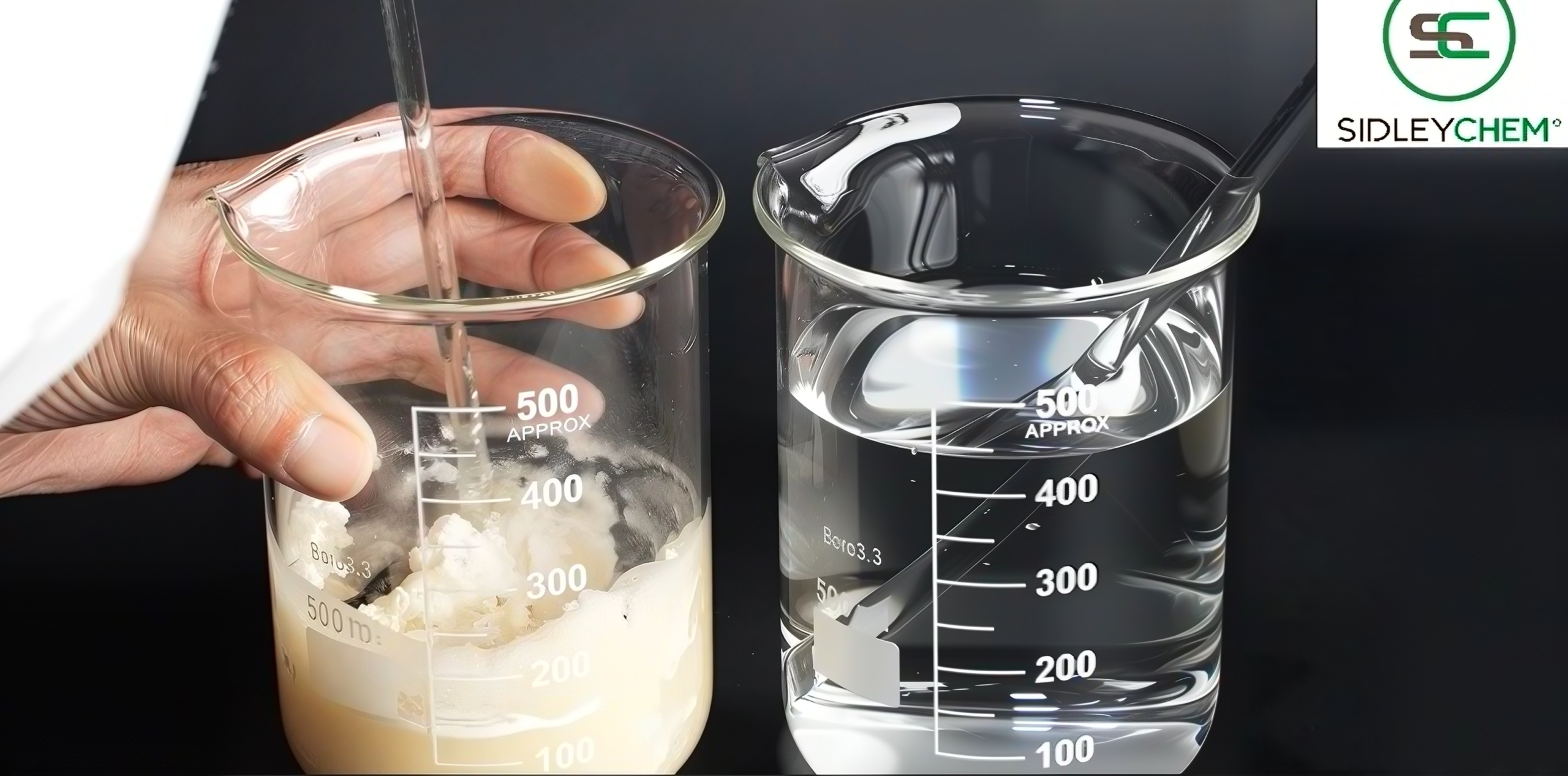
1. Dissolution Sequence
-
Polymers (e.g., HPMC, HEC): Disperse in cold water first, then dissolve by heating or pH adjustment to prevent clumping.
-
Carbomers: Must be dispersed in water first, then neutralized with a base (e.g., TEA) to thicken.
-
Powder Thickeners (e.g., Xanthan Gum): Sprinkle slowly into water under high-speed stirring to prevent agglomeration.
2. pH Control
-
Carbomers: Optimal pH 6-9.
-
Acrylic Emulsions: Best clarity at pH 5-7.
-
Cellulose Derivatives (e.g., CMC-Na): Stable within pH 5-9.
3. Salt Dosage
-
-
Typical dosage 0.5-2%. Excess can cause “salting out” and thinning. Recommended to add incrementally while checking viscosity.
-
4. Electrolyte Tolerance
- For high-salt systems (e.g., laundry liquid), use salt-tolerant thickeners such as salt-resistant polyacrylic acids or bio-based composite gums.
5. Skin Feel and Clarity
-
Refreshing Gel: Options include HEC, Carbomer.
-
High Clarity: Options include Carbomer, Acrylic Emulsions, HEC.
6. About SIDLEYCHEM
-
SIDLEYCHEM supplies high-quality Cellulose Ethers,
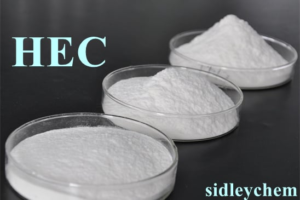 including Hydroxypropyl Methyl Cellulose (HPMC) and Hydroxyethyl Cellulose (HEC) series, suitable for personal care formulations requiring good solubility, clarity, and stability as mentioned above. Application technical support is available.
Cellulose Ether Tech+

Key Properties and Selection Guide for Sodium Carboxymethyl Cellulose (CMC) in Toothpaste Industry
This article details key properties of Sodium Carboxymethyl Cellulose (CMC) in toothpaste: effects of viscosity, degree of substitution, substitution uniformity, and salt resistance on paste thickening, ribbon formation, and stability, with selection guidelines for toothpaste-grade … Continue reading

Sodium CMC Saline Alkali Land Remediation
This article details four core functions of Sodium Carboxymethyl Cellulose (CMC) in saline-alkali land remediation: water retention, soil aggregation, salt chelation, and slow-release nutrient enhancement, with an introduction to SIDLEYCHEM’s green CMC products… Continue reading

CMC Paper Applications
This article details the customized applications of Sodium Carboxymethyl Cellulose (CMC) in printing paper, packaging board, tissue, and specialty paper, covering key parameters like viscosity selection and pH compatibility, with paper grade CMC specifications… Continue reading
Application Guide for Textile Grade CMC
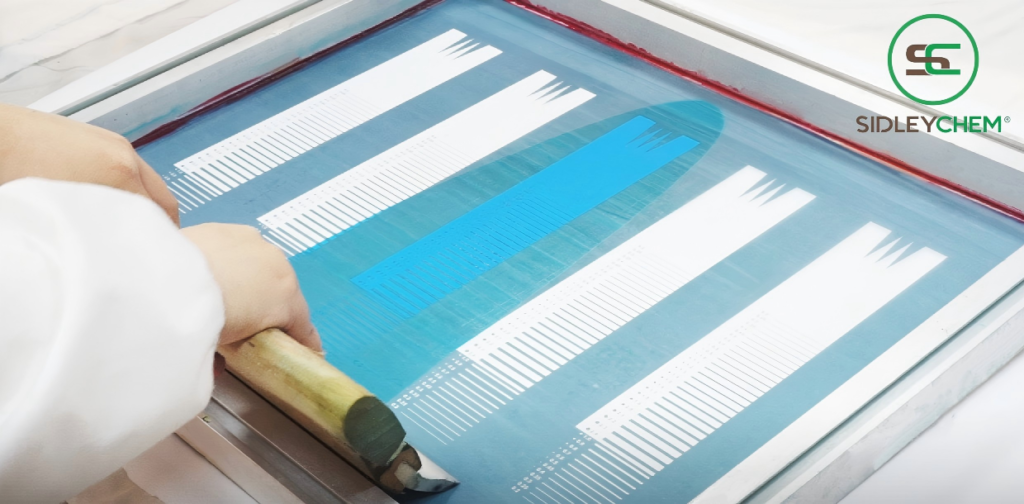
This article details the application advantages of textile grade Sodium Carboxymethyl Cellulose (CMC) in printing pastes, yarn sizing, and dyeing auxiliaries, including rheology, water retention, stability, and eco-friendliness, with technical specifications reference… Continue reading
Cosmetic Raw Materials Classification
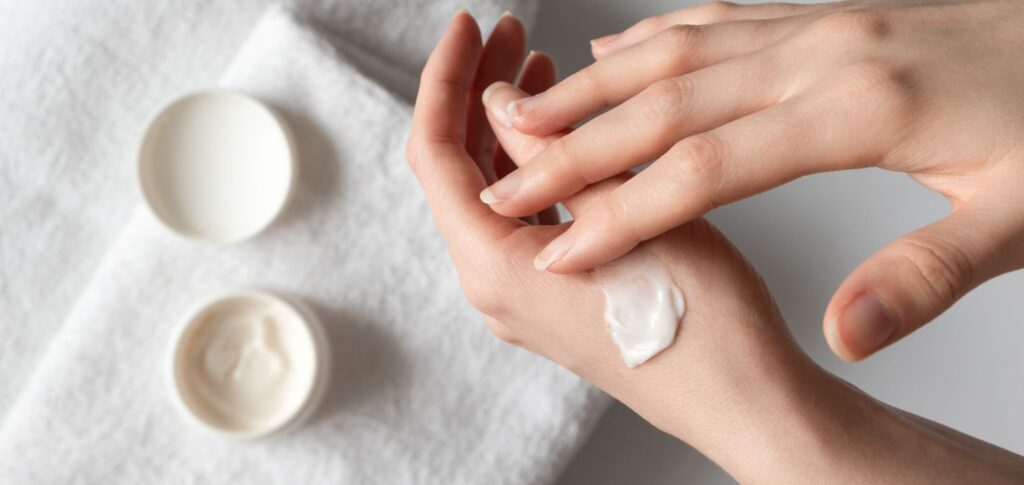
This article systematically categorizes 30 common cosmetic raw materials, covering oils, surfactants, active ingredients, and plant extracts, providing basic reference for formulation development and ingredient selection… Continue reading
Surfactants in daily chemicals
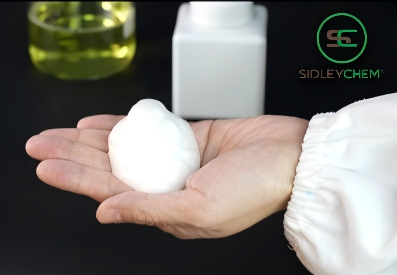
This article analyzes the definition and amphiphilic nature of surfactants, details their roles in four major daily chemical scenarios (cleaning, skincare, oral care, cosmetics), and summarizes three core advantages. It concludes by relating to SIDLEYCHEM’s expertise and products in relevant areas such as cellulose ethers and redispersible polymer powder… Continue reading

Sodium CarboxyMethylCellulose(CMC) Applications
This article details the properties of food-grade CMC and its key applications in foods like soy milk, ice cream, noodles, and pastries, covering its thickening, stabilizing, and moisture-retaining functions with practical dosage recommendations for food formulators… Continue reading

Architectural coating system
This article details the three core functions of architectural coatings and standard coating system structures (primer, mid-coat, topcoat), analyzing the role of each layer to provide a clear technical framework for selection, formulation, and application… Continue reading

hand sanitizer formulation
A practical guide on hand sanitizer types and formulation basics. Learn about core ingredients like surfactants, HPMC thickeners, and antibacterial agents for developing effective regular, antibacterial, or waterless hand sanitizers… Continue reading

Detergent formulation ingredients
How to select raw materials for FMCG product development? This article details the functions of ten key ingredients like sulfonic acid, AES, AEO-9, and HPMC, offering crucial advice on compliance, safety, and formulation to streamline your product development… Continue reading
