
Sodium CarboxyMethylCellulose(CMC) Applications
CMC, or Sodium CarboxyMethylCellulose, is a water-soluble polymer derived from natural cellulose ether through chemical modification. As a key cellulose ether, it is valued for its versatile functionalities, including thickening, dispersing, suspending, binding, film-forming, acting as a protective colloid, and moisture retention. Widely used in food, pharmaceuticals, and toothpaste, CMC is an odorless, tasteless, non-toxic powder, granule, or fibrous solid, appearing white to slightly yellow.
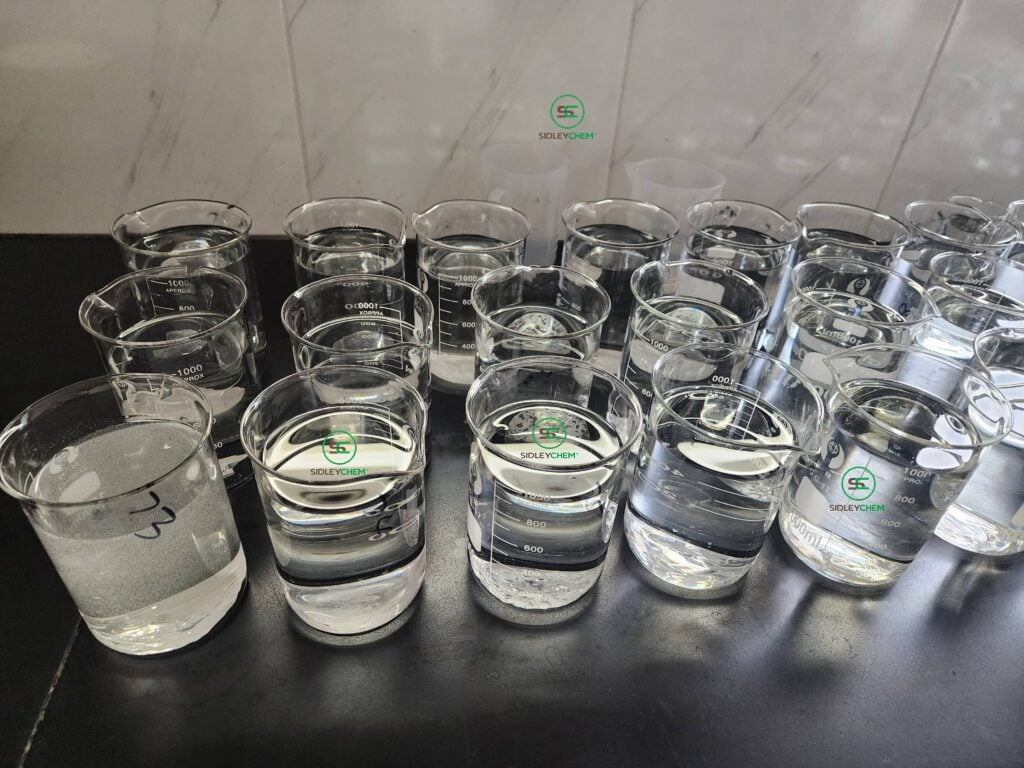
Key Technical Properties of CMC:
-
Solubility & Viscosity: It readily absorbs water and swells to form transparent, viscous colloidal solutions. Its viscosity in solution can decrease in the presence of salts like calcium or magnesium chloride.
-
Stability: Solid CMC is stable under room temperature and light, suitable for long-term storage in dry conditions. It is hygroscopic, with moisture absorption equilibrating based on ambient temperature and humidity.
-
pH & Reactivity: CMC solutions are generally neutral. They are incompatible with strong acids (may precipitate, except for acid-resistant grades) and certain heavy metal ions (tin, silver, iron, etc.), but are compatible with many other hydrocolloids like starches, pectin, and glycerol.
Applications of Food-Grade CMC: A Multi-Functional Additive
 Food-grade CMC serves as an ideal food additive due to its thickening, emulsifying, stabilizing, moisture-retaining, and shaping properties. It helps reduce production costs, improve texture and taste, and extend shelf life across a broad range of solid and liquid foods.
1. Soy Milk & Plant-Based Drinks
-
Function: Suspension, emulsification, stability. Prevents fat separation or protein settling.
-
Benefit: Improves whiteness, sweetness, and helps mask beany flavors.
-
Typical Dosage: ~0.5% of total weight.
2. Ice Cream
-
Function: Controls ice crystal size, improves melt resistance, enhances texture (smooth/creamy), aids whipping/overrun.
-
Usage: Often part of compound stabilizer/emulsifier blends or custom-blended in-house.
-
Dosage: ~0.5% of total mix. High-viscosity grades are preferred.
3. Bakery & Noodle Products
-
Bread: Improves crumb structure, volume, reduces crumbling, and extends freshness.
-
Instant Noodles & Pasta: Enhances dough elasticity, improves cooking tolerance, provides a smooth mouthfeel, and can reduce oil absorption during frying.
-
Dosage: ~0.5% of flour weight. High-viscosity grades are typical.
4. Instant Paste Foods (e.g., Nut/Seed Pastes, Congee)
-
Function: Provides instant solubility in cold water, delivers a smooth texture, and improves the mouthfeel of artificial sweeteners. Offers superior stability compared to starch pastes.
-
Dosage: ~0.35% of total weight.

5. Pastries, Mooncakes & Fillings
-
Function: Extends shelf life by inhibiting mold growth and moisture loss (anti-staling). Improves crust gloss and gives fillings a softer, more fragrant quality.
-
Application: Mixed into dough/filling or applied as a surface glaze.
-
Dosage: 0.2% – 0.3% of total weight.
6. Frozen Dough Products (Dumplings, Buns, Spring Rolls, etc.)
-
Function: Prevents cracking and deformation during freezing/thawing cycles, extending product shelf life and maintaining appearance.
7. Specialty Flours (e.g., Steamed Bun Flour, Dumpling Flour)
-
Function: Enables the development of functionally enhanced, application-specific flours.
8. Condiments (Soy Sauce, Pastes, Jams, etc.)
-
Function: Specially modified CMC grades offer salt/acid tolerance, thickening, and stabilization. They improve consistency, texture, and sensory qualities (appearance, aroma, taste).
-
Dosage: 0.4% – 0.5% of total weight.
Cellulose Ether Tech+
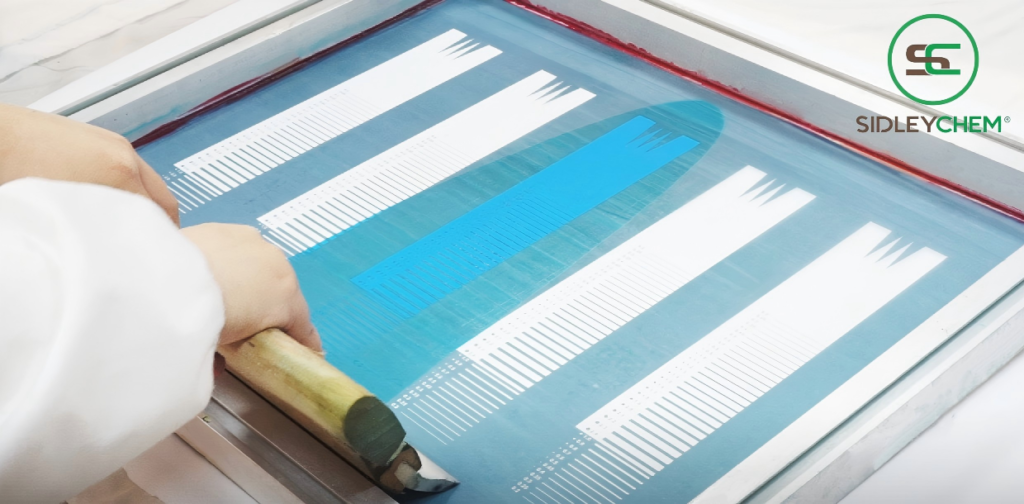
Application Guide for Textile Grade CMC
This article details the application advantages of textile grade Sodium Carboxymethyl Cellulose (CMC) in printing pastes, yarn sizing, and dyeing auxiliaries, including rheology, water retention, stability, and eco-friendliness, with technical specifications reference… Continue reading
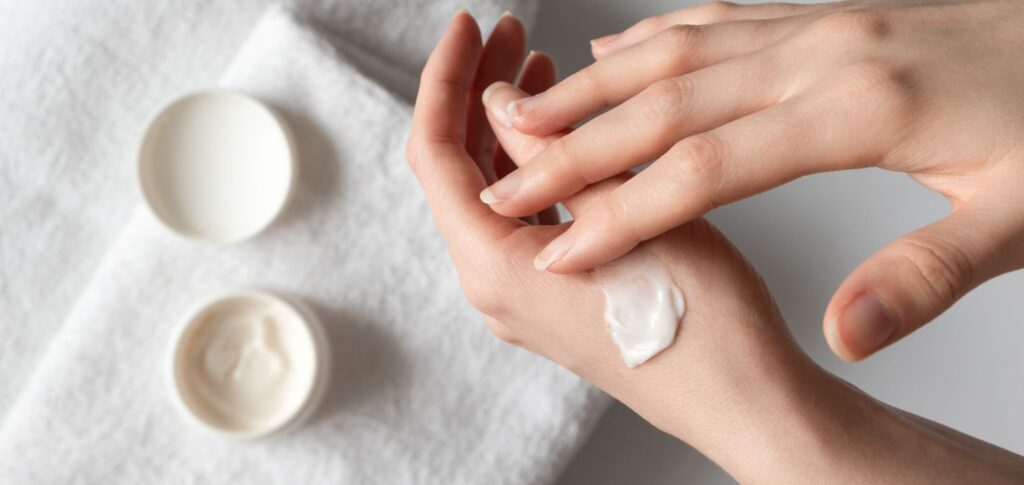
Cosmetic Raw Materials Classification
This article systematically categorizes 30 common cosmetic raw materials, covering oils, surfactants, active ingredients, and plant extracts, providing basic reference for formulation development and ingredient selection… Continue reading
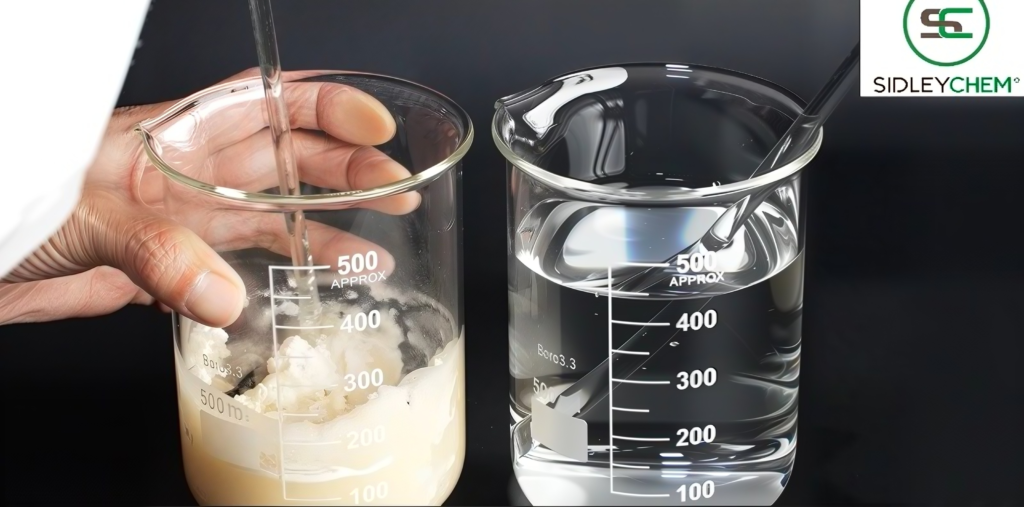
Personal Care Formulation Process
This article lists key process points for thickeners in personal care formulations, including dissolution, pH control, salt tolerance, and selection, and introduces relevant cellulose ether products from … Continue reading
Surfactants in daily chemicals
This article analyzes the definition and amphiphilic nature of surfactants, details their roles in four major daily chemical scenarios (cleaning, skincare, oral care, cosmetics), and summarizes three core advantages. It concludes by relating to SIDLEYCHEM’s expertise and products in relevant areas such as cellulose ethers and redispersible polymer powder… Continue reading

Architectural coating system
This article details the three core functions of architectural coatings and standard coating system structures (primer, mid-coat, topcoat), analyzing the role of each layer to provide a clear technical framework for selection, formulation, and application… Continue reading

hand sanitizer formulation
A practical guide on hand sanitizer types and formulation basics. Learn about core ingredients like surfactants, HPMC thickeners, and antibacterial agents for developing effective regular, antibacterial, or waterless hand sanitizers… Continue reading

Detergent formulation ingredients
How to select raw materials for FMCG product development? This article details the functions of ten key ingredients like sulfonic acid, AES, AEO-9, and HPMC, offering crucial advice on compliance, safety, and formulation to streamline your product development… Continue reading

Fundamentals and Technical Analysis of Coatings
This article explains the three core functions of paint and provides an in-depth comparison of Vinyl Acrylic, Styrene Acrylic, and Pure Acrylic latex paints. Understanding these fundamentals helps you make informed decisions for superior coating formulations… Continue reading
Check if Your Detergent & Cleaning Products Are Qualified
Unsure if your cleaner is up to standard? This guide offers 4 simple methods: check active matter content, inspect appearance, assess viscosity, and smell for odor to quickly evaluate the quality of laundry detergents and cleaning products… Continue reading

coatings thickeners enhance application performance
How do coatings thickeners enhance application performance and coating quality? Learn about their three core functions in optimizing viscosity, improving adhesion, and enhancing hiding power, plus correct usage methods… Continue reading
