
ETIRS adhesive powder additives
The Expandable Polystyrene (EPS) Thermal Insulation Rendering System (ETIRS), as a widely used site-applied insulation system, derives its core performance from the quality of the dry-mixed bonding powder. This powder, when mixed on-site with recycled EPS beads, forms an insulating plaster that combines excellent thermal insulation, mechanical strength, and workability.
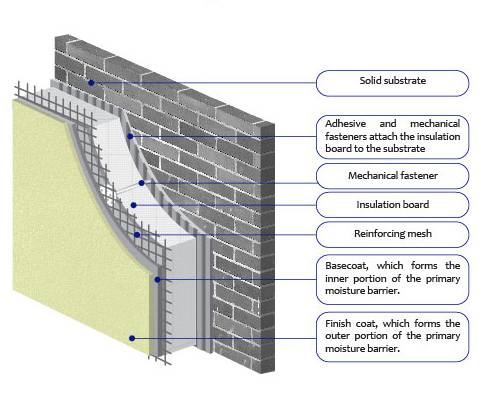
I. Core Formulation and Functional Analysis of Bonding Powder
A typical formulation system for high-performance bonding powder is:
Cement + Supplementary Cementitious Materials + Fillers + Cellulose Ether + Modified Polyethylene Oxide (PEO) + Redispersible Polymer Powder (RDP) + Polyvinyl Alcohol (PVA) + Wood Fiber + Polypropylene Fiber.
Each component plays an indispensable role:
-
Cement, SCMs & Fillers: Form the strength foundation and skeleton of the system.
-
Cellulose Ether: Provides crucial water retention and thickening, ensuring plaster workability, preventing rapid water loss, and enhancing cohesion.
- Modified Polyethylene Oxide (PEO): Significantly improves plaster viscosity and rheology, enhancing anti-sag properties for easier, more uniform application.
-
Redispersible Polymer Powder (RDP) & Polyvinyl Alcohol (PVA): These two work synergistically to provide exceptional adhesive strength, flexibility, and film-forming properties. They are key to achieving high bond strength, crack resistance, and impact resistance in the plaster.
-
Wood Fiber & Polypropylene Fiber: Provide three-dimensional reinforcement and crack resistance. Wood fiber improves wet mortar anti-sag and application feel, while polypropylene fiber effectively inhibits plastic and drying shrinkage cracking, enhancing the toughness of the hardened material.
II. SidleyChem High-Performance Additive Solutions for Bonding Powder
Addressing the technical requirements of bonding powder formulations, SidleyChem offers proven specialized products:
-
Cellulose Ethers:
-
Hydroxyethyl Methyl Cellulose (HEMC): e.g., ME 36M10, offering high water retention and excellent application smoothness.
-
Hydroxypropyl Methyl Cellulose (HPMC): e.g., MP 36M10, providing good water retention, thickening performance, and cost-effectiveness.
-
-
Polymeric Bonding & Enhancing Components:
-
-
Redispersible Polymer Powder (RDP): Options include 7028 (Economy Grade), 66145/66155 (Standard/Enhanced Grade), etc., to meet different adhesive strength and flexibility demands.
-
Polyvinyl Alcohol (PVA): 2488 (High viscosity, high bond strength), 1788 (Fast-dissolving, high flexibility), used to further enhance plaster adhesion and cohesive strength.
-
-
Rheology Modifier:
-
Modified Polyethylene Oxide (PEO): GH 5596, specifically designed to improve the rheological properties of insulating plaster, effectively enhancing workability and anti-sag resistance.
-
-
Crack-Resistance Fibers:
-
Wood Fiber: W500 / G500, improves wet mortar workability and reduces early-stage cracking.
-
Polypropylene Fiber: PP 6mm / 12mm, provides long-term physical reinforcement, significantly improving the crack and impact resistance of the hardened plaster.
-




Drymix Mortar Tech+
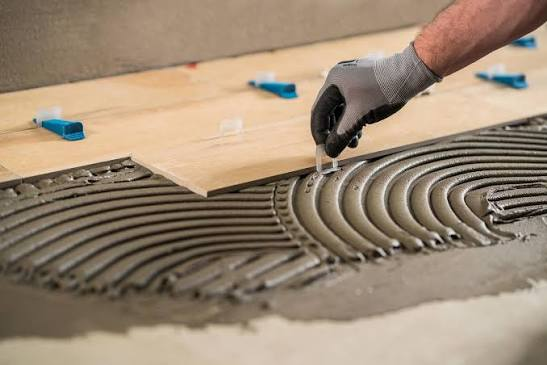
Tile Adhesive Slipping After Adding HPMC: Causes & Fixes
Tile adhesive can still slip even after increasing HPMC. Learn how HPMC grade, water demand, starch ether, thixotropy, and formulation balance affect slip resistance… Continue reading
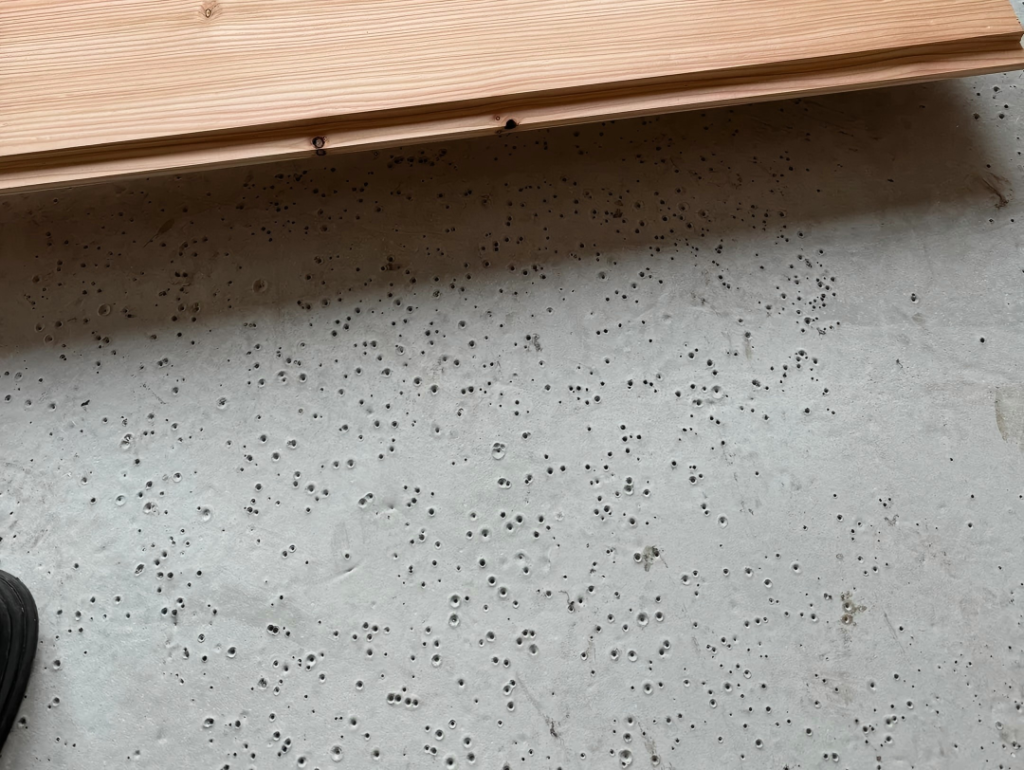
Pinholes in Self-Leveling Mortar: Defoamer, Mixing, or Substrate?
Pinholes in self-leveling mortar are not always caused by insufficient defoamer. This guide explains how to distinguish formulation foam, mixing-induced air, substrate outgassing, and insufficient healing time through a simple three-surface comparison test and practical corrective actions… Continue reading
Why Does Dry Mortar Have Poor Water Retention?
Learn why dry mortar has poor water retention and how HPMC and MHEC can improve water retention, workability, and cement hydration in dry-mix mortar… Continue reading
Dry-Mix Mortar Summer Formulation Adjustment
Why does the same formulation fail in summer? The key is cellulose ether. High temperatures cause ordinary HPMC water retention to drop sharply — increase dosage by 0.1%-0.2%, switch to high gel temperature grades, and combine with retarders. This article gives three practical adjustment directions to tackle summer construction challenges… Continue reading
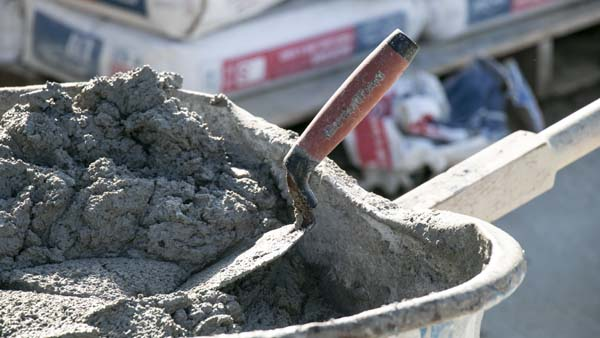
Mortar Setting Too Fast in Summer Heat?
Mortar drying out in half an hour on summer job sites? High-temperature accelerated hydration is the culprit. This article breaks down the features and selection of sodium gluconate, citric acid, tartaric acid, and boric acid retarders, with dosage adjustment and blending strategies to tackle summer construction challenges… Continue reading
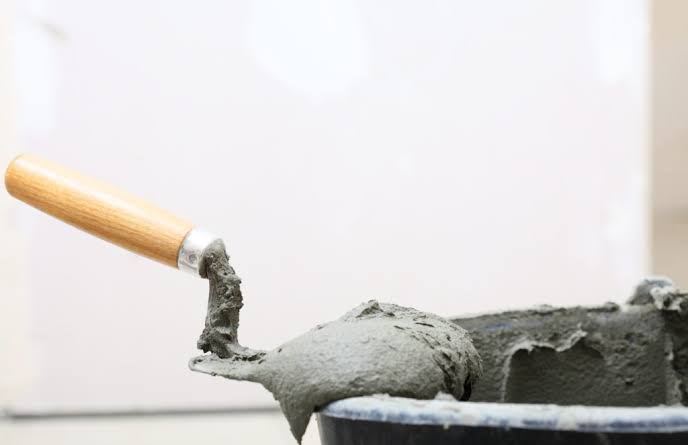
Why Does Dry Mix Mortar Cake During Storage?
Discover why dry mix mortar cakes during storage and transportation. Learn how moisture, packaging, raw materials, and formulation affect storage stability, and explore practical solutions to maintain product quality… Continue reading

Why Does Tile Grout Change Color After Curing?
Discover the most common causes of tile grout color inconsistency after curing and learn practical solutions through proper formulation, pigment selection, moisture control, and construction practices… Continue reading
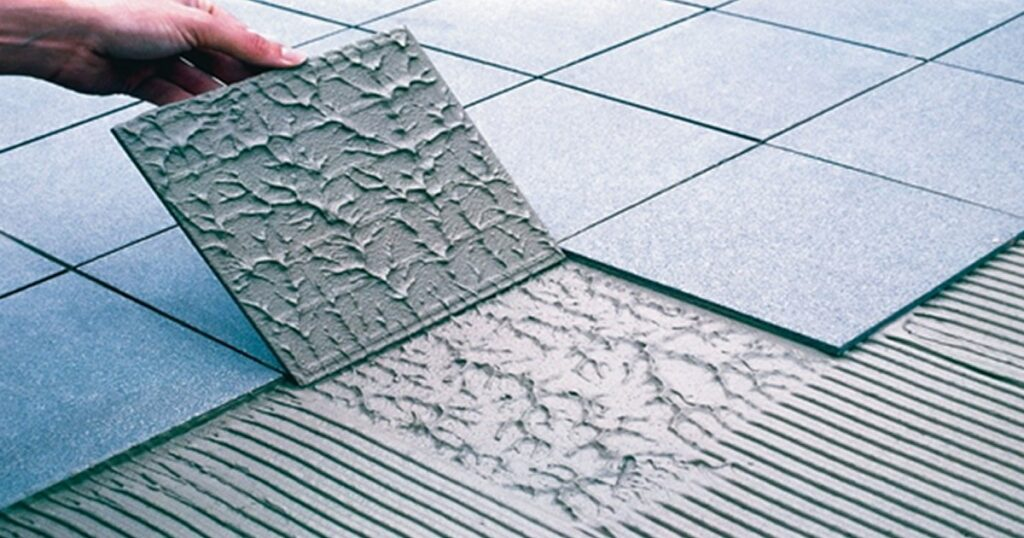
Tile adhesive bond strength
Learn the most common reasons why tile adhesive loses bond strength and discover practical solutions through proper formulation, additive selection, substrate preparation, and construction practices… Continue reading
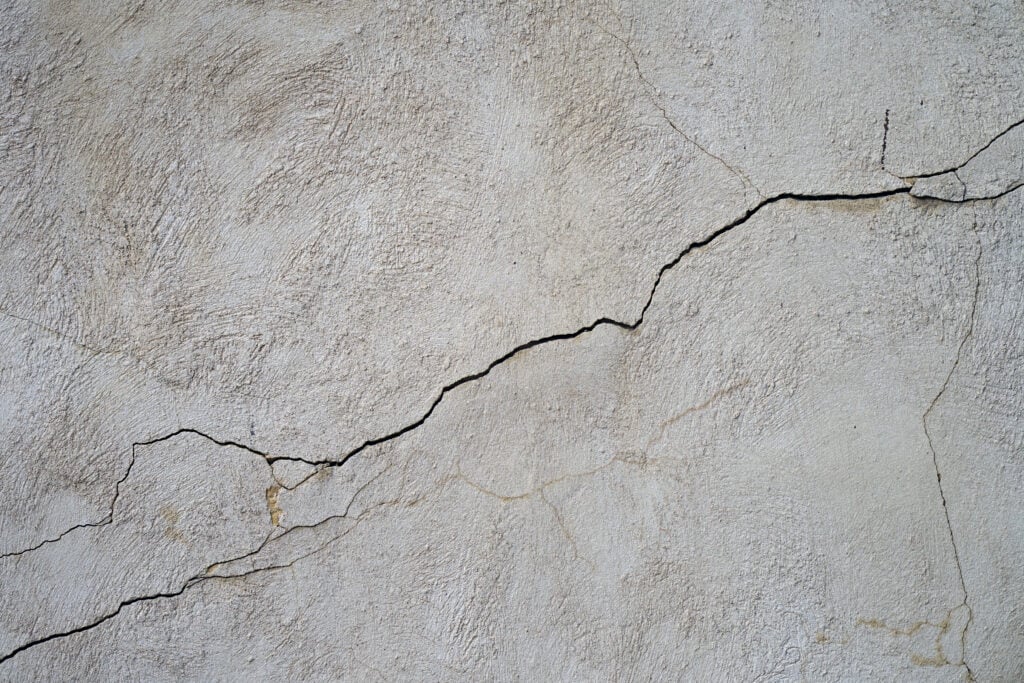
Gypsum Mortar Shrinkage: Causes and How to Prevent Cracks
Understand the main causes of gypsum mortar shrinkage and learn how to prevent cracks using HPMC, gypsum retarder, and proper formulation and construction practices… Continue reading
gypsum mortar water retention
Learn practical ways to enhance the water retention of gypsum mortar using HPMC, starch ether, and proper mixing techniques to improve workability and reduce cracks… Continue reading
