
Air Entraining Agent Function
Air-entraining agents are an important category of concrete admixtures. By introducing uniform, fine, closed bubbles into concrete, they optimize performance across workability, durability, and volume stability. This article systematically explains six key benefits of air-entraining agents and critical usage details.
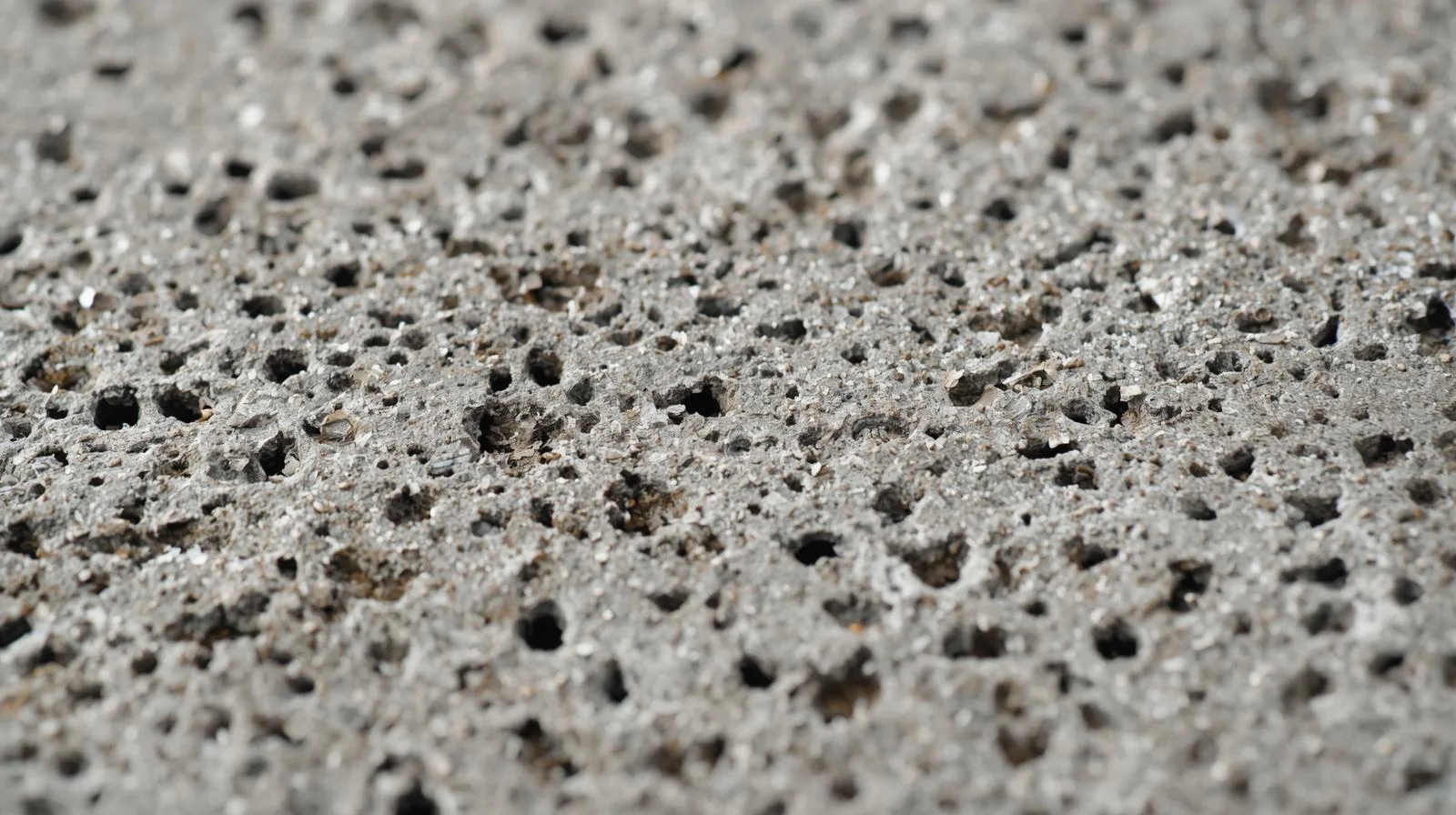
1. Improving Workability: Better Mixing, Pouring, and Pumping
-
Bubbles Act as “Lubricants”: Fill voids between aggregates, reduce particle friction, lower water demand (5%-10% water reduction at same workability), prevent segregation and bleeding.
-
Enhanced Plasticity and Pumpability: Moderate viscosity allows easy filling of rebar gaps and formwork corners, ideal for thin-walled components and densely reinforced structures, reducing vibration difficulty and preventing honeycombing.
-
Slump Stability: Reduces workability loss during transport and waiting, maintaining good performance even under high temperatures and long-distance pumping, lowering construction risks.
2. Enhancing Durability: Protection Against Harsh Environments
-
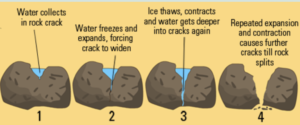
Freeze-Thaw Resistance (Core Function): Bubbles provide buffer space for freeze expansion. When water freezes and expands (approx. 9% volume increase), closed bubbles absorb expansion stress, preventing cracking and spalling. Freeze-thaw cycles can increase from 50 to over 200 cycles.
-
Waterproofing and Impermeability: Uniformly distributed bubbles create a “maze-like” barrier, extending penetration paths for water and harmful ions (e.g., chlorides), protecting rebar from corrosion. Ideal for underground and hydraulic structures.
-
Sulfate Attack Resistance: Reduces sulfate solution intrusion, preventing formation of expansive products (e.g., ettringite) that cause cracking. Suitable for coastal and saline-alkali environments.
-
Improved Carbonation Resistance: Slows CO₂ penetration, delaying cement paste carbonation and extending structural service life.
3. Optimizing Volume Stability: Reducing Shrinkage Cracking
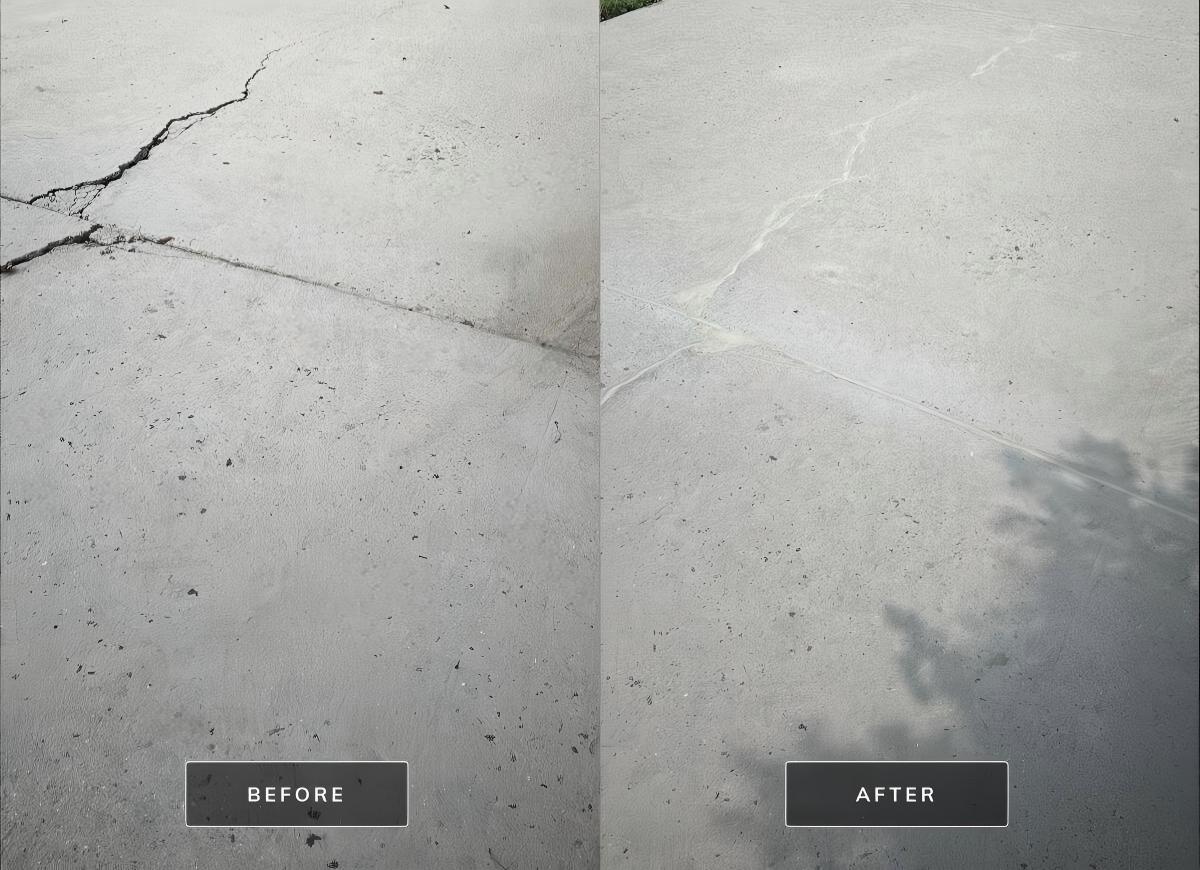
1.Counteracting Shrinkage Stress: Bubbles offset drying and plastic shrinkage stresses during hardening, reducing early-age cracking risk. Ideal for mass concrete and large-area pours.
2.Mitigating Thermal Stress: The insulating effect of bubbles reduces temperature differences between concrete interior and surface, minimizing thermal cracking and improving structural integrity.
4. Strength Adaptability: Minor Strength Trade-Off for Core Benefits
-
Strength Compensation: Each 1% increase in air content reduces compressive strength by approximately 3%-5%. This loss can be offset by water reduction or increased binder content. Air-entrained concrete can be designed for C15 to C50 strength grades.
-
Long-Term Strength Advantage: After freeze-thaw cycles, conventional concrete may lose over 30% strength, while air-entrained concrete maintains over 80% strength retention, providing greater long-term stability.
5. Adaptability for Special Materials and Scenarios
1.Improves Workability with Lightweight Aggregates and Poor Gradation: Bubbles compensate for workability loss caused by water absorption of lightweight aggregates and fill voids in poorly graded aggregates, preventing dry, difficult-to-mix concrete.
2.Reduces Surface Defects: Minimizes bleeding-induced dusting and surface softness, improving surface hardness and finish, reducing post-construction repair costs.
6. Key Usage Details (Avoiding Negative Effects)
1.Improves Workability with Lightweight Aggregates and Poor Gradation: Bubbles compensate for workability loss caused by water absorption of lightweight aggregates and fill voids in poorly graded aggregates, preventing dry, difficult-to-mix concrete.
2.Reduces Surface Defects: Minimizes bleeding-induced dusting and surface softness, improving surface hardness and finish, reducing post-construction repair costs.
7. SIDLEYCHEM Air-Entraining Agent Product Range
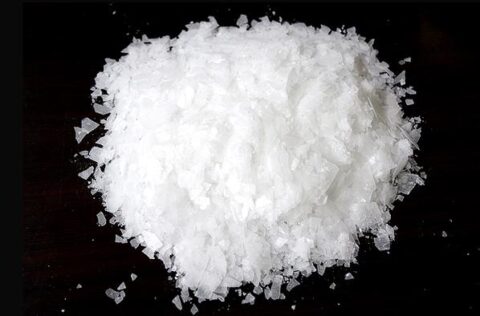
SIDLEYCHEM offers both liquid and powder air-entraining agents for various applications:
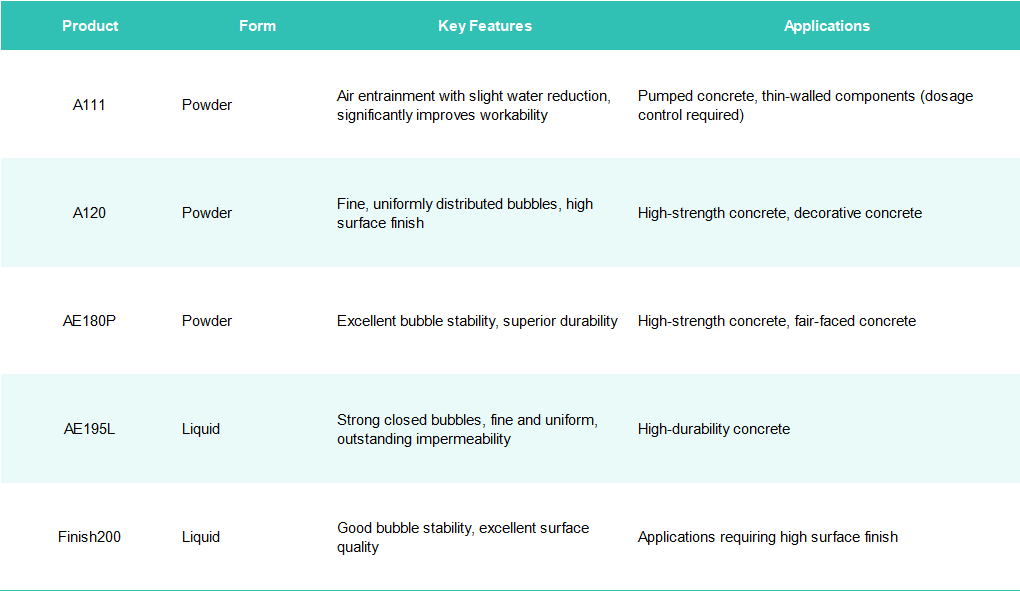
With SIDLEYCHEM air-entraining agents, precise air content control enables production of high-quality concrete meeting demanding durability and workability requirements for various projects.
Related Products




Related Video
Concrete & Beton Tech+
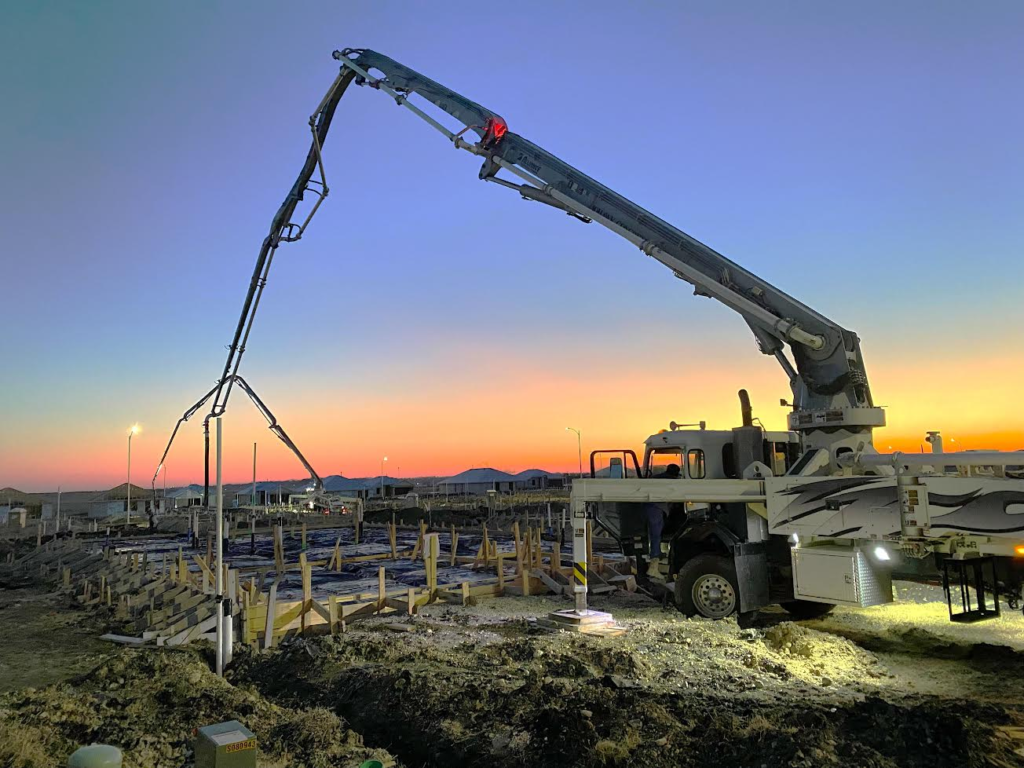
Sticky Concrete with Normal Slump: Causes & Solutions
Concrete can have normal slump but still feel sticky and difficult to pump. Learn how fines, PCE, VMA, aggregate grading, and rheology affect pumpability… Continue reading
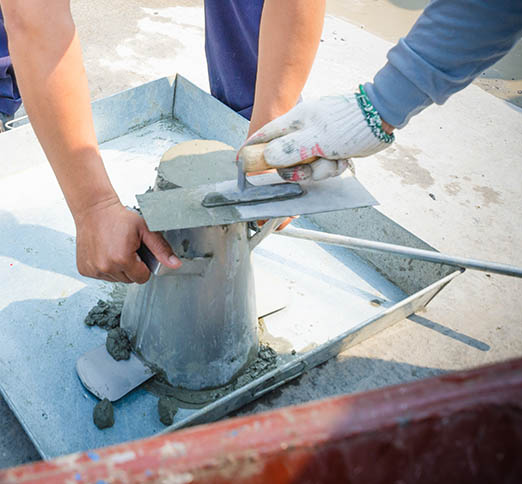
PCE Cement Compatibility: Why Performance Changes
PCE performance can change after switching cement. Learn why water reduction, slump retention, and setting behavior change and how to identify the cause… Continue reading
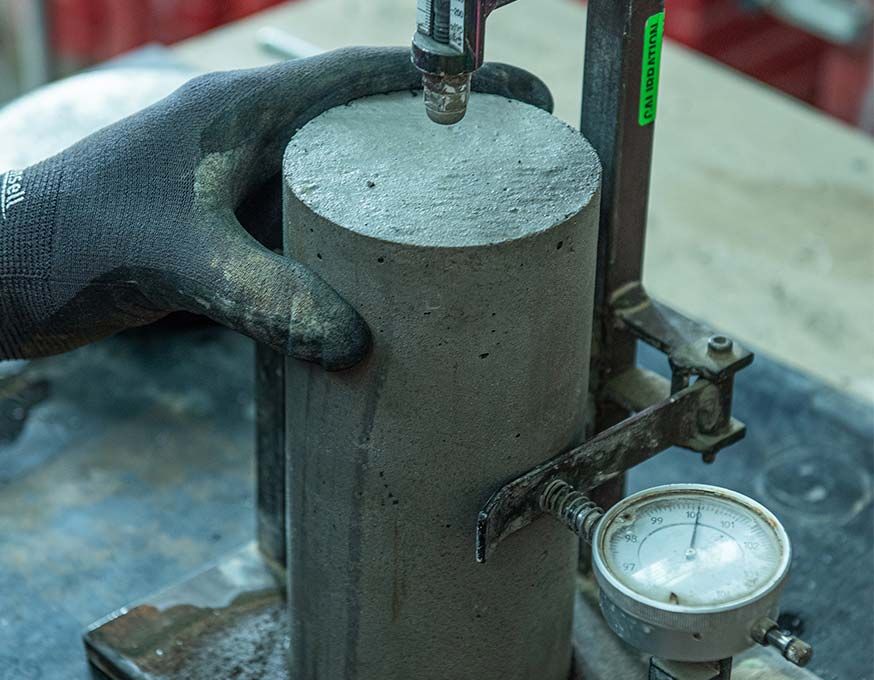
Why Does Concrete Strength Vary Between Batches?
Learn why concrete strength varies between batches and how to improve consistency through proper water control, raw materials, admixture dosing, mixing, and curing… Continue reading
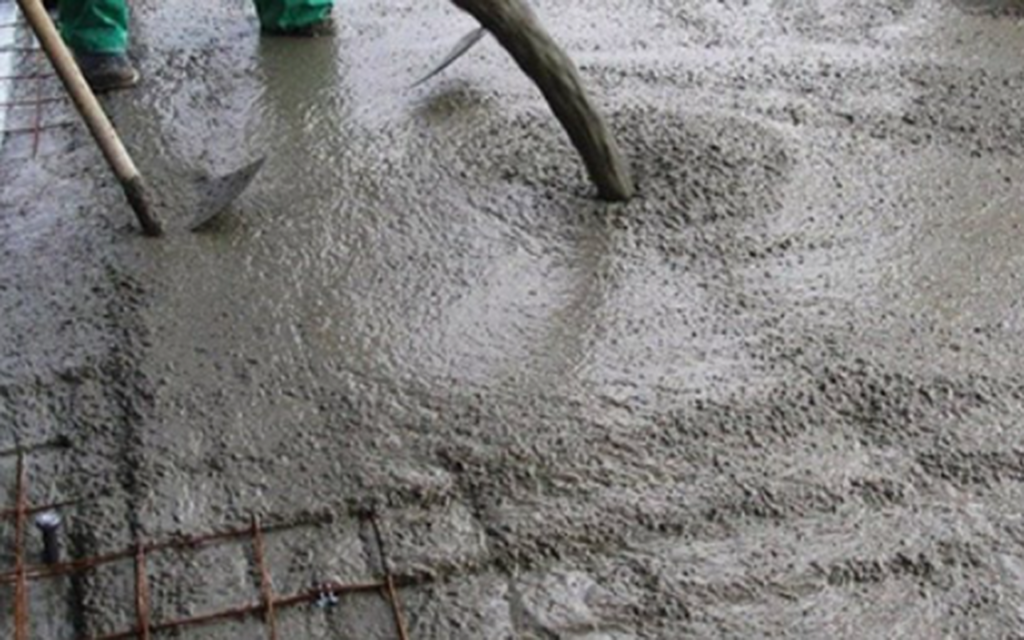
The Role of Expanding Agents in Compensating Shrinkage of Mass Concrete Foundations
Cracking after mass concrete foundation pouring? Thermal shrinkage, drying shrinkage, and autogenous shrinkage combined are the culprits. … Continue reading
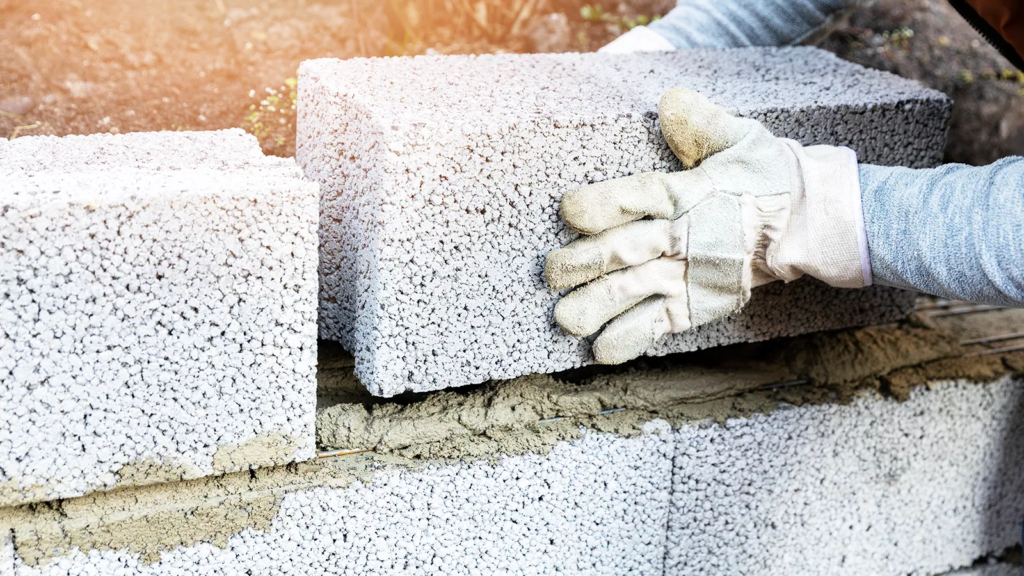
Lightweight Aggregate Concrete Lacking Viscosity?
Lightweight aggregate concrete segregation, aggregate floating, pump blockages? The root cause is insufficient viscosity. This article details four practical methods — viscosity modifier dosage (0.02%–0.03%), aggregate pre-wetting, mix optimization, and specialized admixtures — to solve workability problems once and for all… Continue reading
How Does Air-Entraining Agent Affect Concrete Strength?
Each 1% air content reduces concrete strength by 4%–6%. How to balance? This short article gives three practical methods: measure air content, lower w/c, and choose a stable-foam AEA. Direct and actionable… Continue reading
The Three Critical Windows for Concrete Curing
Same mix design, with and without proper curing – 28‑day strength can differ by a whole grade. This article explains hydration mechanisms, three critical curing windows, and practical steps to prevent strength loss and cracking… Continue reading
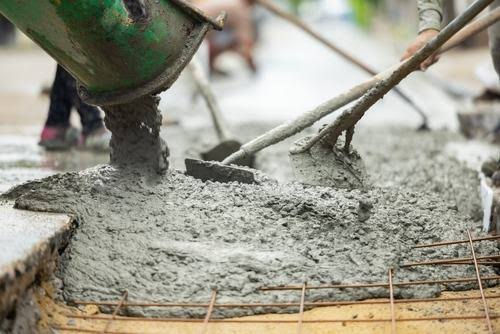
Which Admixtures Improve Concrete Durability?
Discover which concrete admixtures improve durability, including Polycarboxylate Superplasticizers, Air-Entraining Agents, Corrosion Inhibitors, Waterproofing Admixtures, and Concrete Fibers. Learn how to enhance strength, reduce permeability, and extend service life… Continue reading
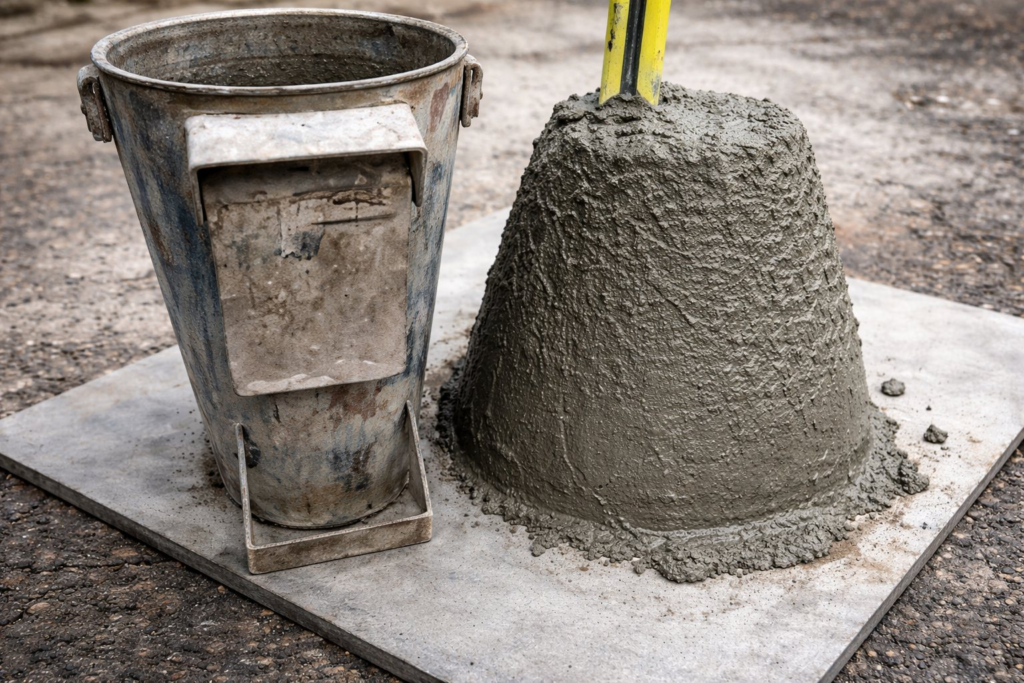
How to Maintain Slump Retention During Long-Distance Transportation
Learn how to maintain concrete slump retention during long-distance transportation by optimizing mix design, selecting the right admixtures, and improving production practices… Continue reading
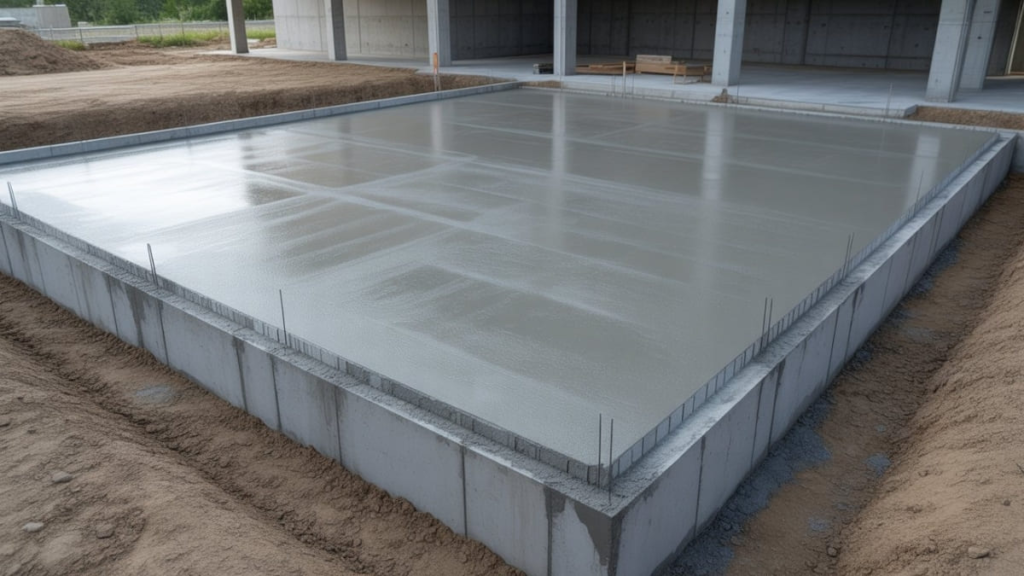
Why Does Concrete Bleeding Occur?
Learn why concrete bleeding occurs, what causes excessive bleeding, and how to reduce it using proper mix design, Polycarboxylate Superplasticizers (PCE), and Viscosity Modifying Agents (VMA)… Continue reading
