
Architectural coating system
Architectural coatings serve three primary functions: decoration, protection, and, in some cases, special functionalities.
1. Decorative Function
The primary purpose is to enhance a building’s aesthetics by concealing surface imperfections, creating a pleasing appearance that integrates with its surroundings. Decoration encompasses both visual qualities (color, pattern, gloss) and textural qualities (design of three-dimensional textures).
-
Interior vs. Exterior: While the goal is similar, standards differ. Interiors often favor flat finishes, low-gloss textures, or subtle color patterns. Exteriors typically require higher durability and may utilize glossier finishes or pronounced textured patterns for visual impact.
2. Protective Function
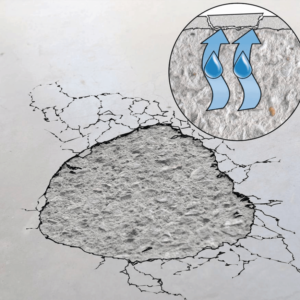
Coatings shield substrates from degradation caused by oxygen, moisture, UV radiation, and airborne pollutants, thereby extending the structure’s service life. Protection requirements vary by substrate:
-
Concrete/Masonry: Coatings must manage moisture (waterproofing, breathability) and resist carbonation, sulfur dioxide, and chemicals.
-
Metal: Anti-corrosion is paramount.
-
General: Exterior coatings face harsher conditions (rain, temperature cycles, UV exposure) and therefore demand higher performance specifications than interior coatings.
3. Special Functions
Specific applications require additional properties:-
Interior: Sound absorption, anti-condensation, anti-mold, or low-VOC/air-purifying features.
-
General: Fire resistance, waterproofing, radiation shielding, insecticidal, or thermal insulation properties.
-
Coating System Structures
A coating system is a multi-layer assembly where each layer has a distinct role.
1. Interior Wall Coating System (2-Layer)
After wall leveling with filler, the system typically consists of:
-
Primer
-
Topcoat (x2)
2. Exterior Wall Coating System (3-Layer)
After wall leveling with filler, the system typically consists of:
-
Primer
-
Mid-Coat
-
Topcoat

Role of Each Coating Layer
Interior System:
-
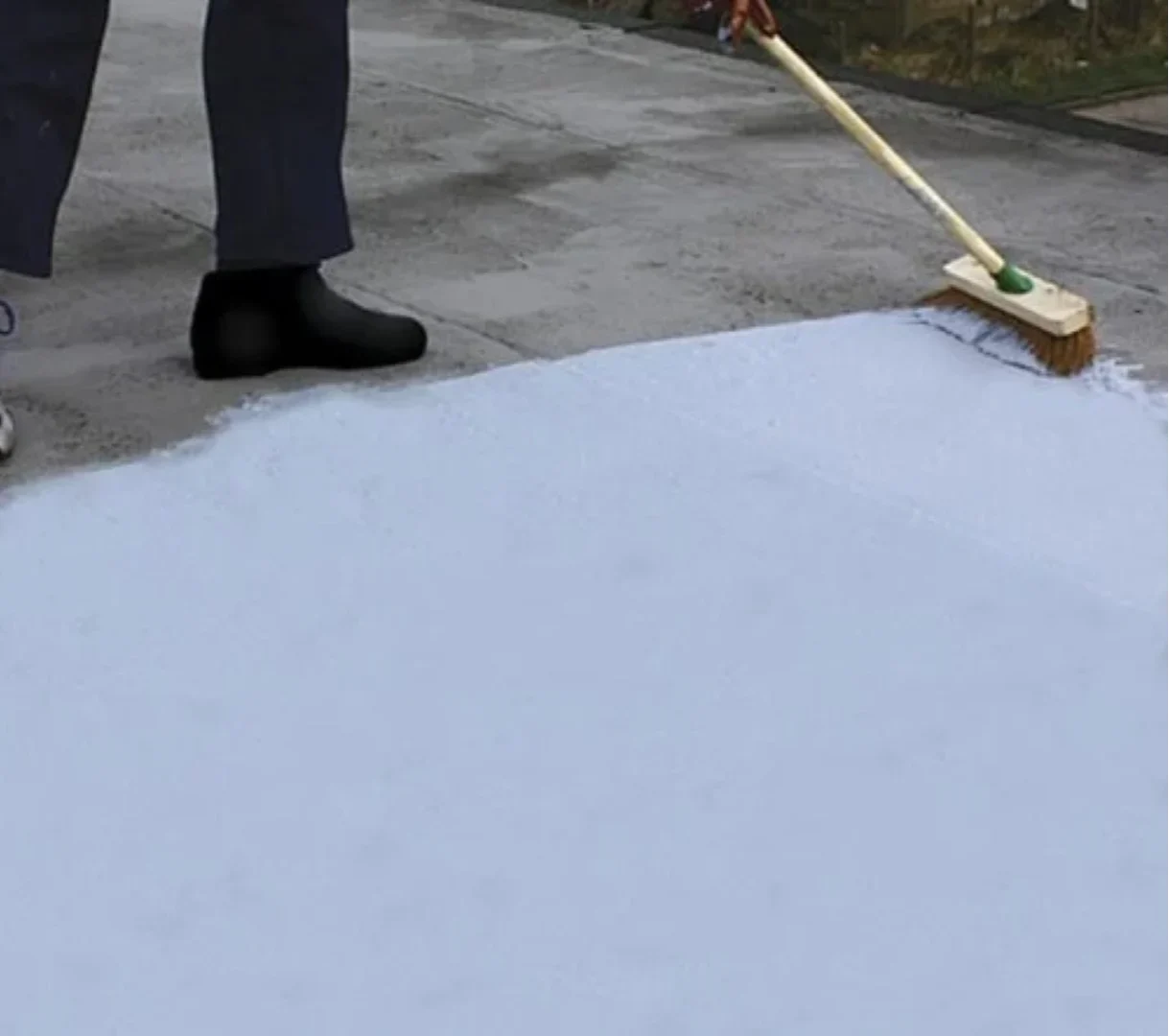
Primer: Seals alkaline substrates, improves topcoat adhesion, and enhances film integrity and smoothness. Skipping the primer can lead to topcoat failure, manifesting as chalking, yellowing, alkali burn, poor adhesion, and reduced service life.
-
Topcoat: Provides the final decorative effect and protection. Interior topcoats require specific colors/patterns, moisture control (water resistance, breathability), stain resistance, scrub resistance, low toxicity, and sometimes special functions like fire retardancy or sound absorption.
Exterior System:
-
Primer: Functions similarly to interior primer: seals alkalinity and enhances adhesion to prevent chalking, yellowing, and alkali burn.
-
Mid-Coat: Provides key opacity, improves build/film thickness (reducing topcoat consumption), and creates textured patterns. It is the main layer in textured finish systems.
-
Topcoat: The final layer must offer both long-term aesthetics and robust environmental protection. Exterior topcoats require high durability (weather resistance, dirt pick-up resistance), water resistance, and UV stability. The design goal is for decorative and protective lifespans to be well-matched, ensuring no material performance is wasted.
Cellulose Ether Tech+
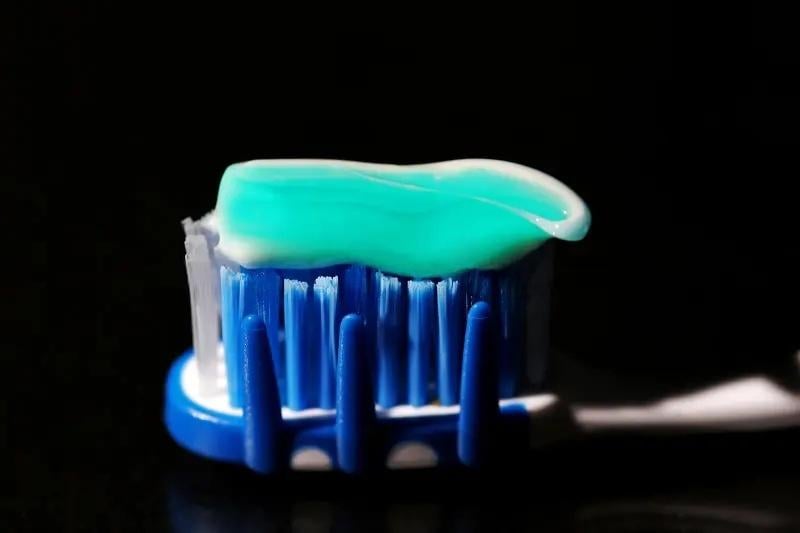
Key Properties and Selection Guide for Sodium Carboxymethyl Cellulose (CMC) in Toothpaste Industry
This article details key properties of Sodium Carboxymethyl Cellulose (CMC) in toothpaste: effects of viscosity, degree of substitution, substitution uniformity, and salt resistance on paste thickening, ribbon formation, and stability, with selection guidelines for toothpaste-grade … Continue reading
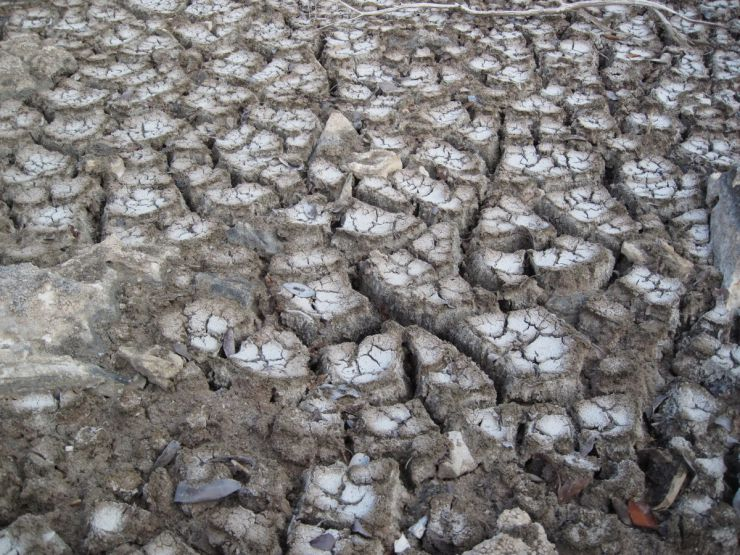
Sodium CMC Saline Alkali Land Remediation
This article details four core functions of Sodium Carboxymethyl Cellulose (CMC) in saline-alkali land remediation: water retention, soil aggregation, salt chelation, and slow-release nutrient enhancement, with an introduction to SIDLEYCHEM’s green CMC products… Continue reading

CMC Paper Applications
This article details the customized applications of Sodium Carboxymethyl Cellulose (CMC) in printing paper, packaging board, tissue, and specialty paper, covering key parameters like viscosity selection and pH compatibility, with paper grade CMC specifications… Continue reading
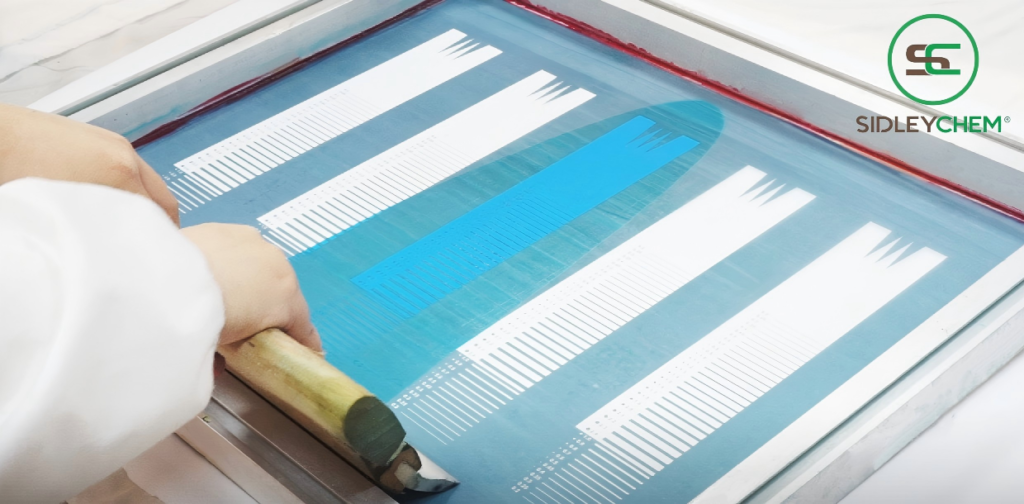
Application Guide for Textile Grade CMC
This article details the application advantages of textile grade Sodium Carboxymethyl Cellulose (CMC) in printing pastes, yarn sizing, and dyeing auxiliaries, including rheology, water retention, stability, and eco-friendliness, with technical specifications reference… Continue reading
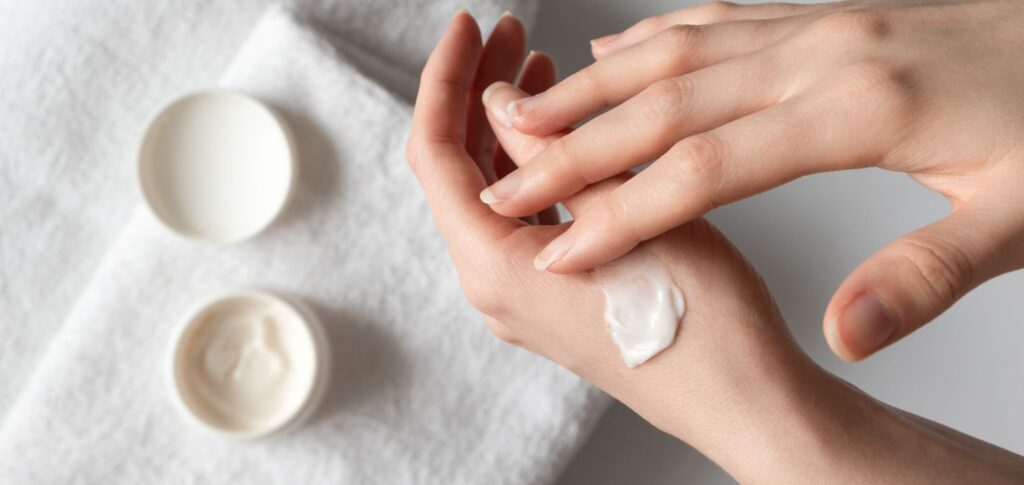
Cosmetic Raw Materials Classification
This article systematically categorizes 30 common cosmetic raw materials, covering oils, surfactants, active ingredients, and plant extracts, providing basic reference for formulation development and ingredient selection… Continue reading
Personal Care Formulation Process
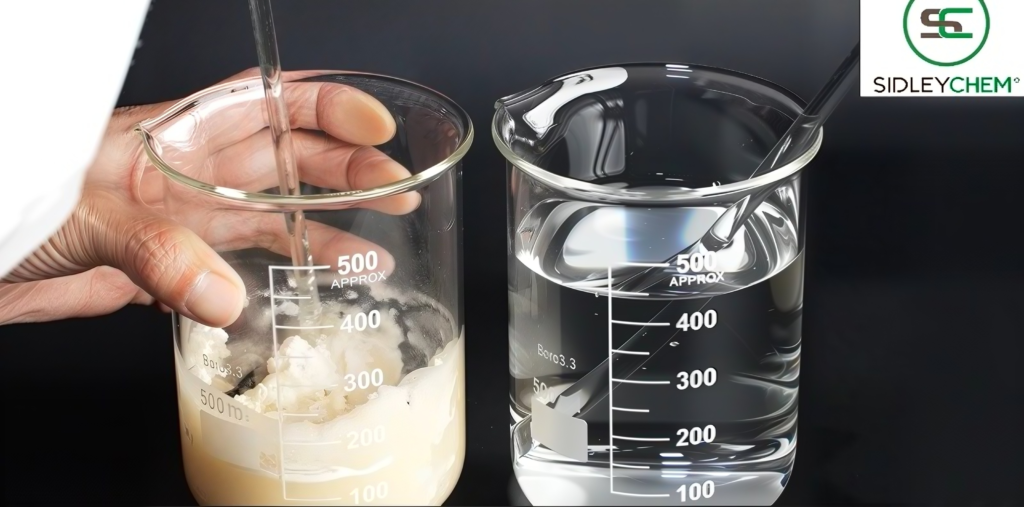
This article lists key process points for thickeners in personal care formulations, including dissolution, pH control, salt tolerance, and selection, and introduces relevant cellulose ether products from … Continue reading
Surfactants in daily chemicals
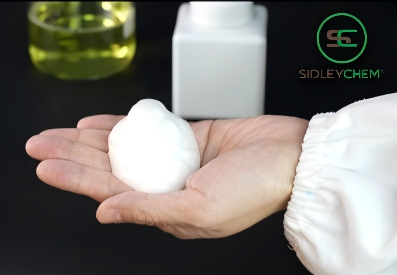
This article analyzes the definition and amphiphilic nature of surfactants, details their roles in four major daily chemical scenarios (cleaning, skincare, oral care, cosmetics), and summarizes three core advantages. It concludes by relating to SIDLEYCHEM’s expertise and products in relevant areas such as cellulose ethers and redispersible polymer powder… Continue reading

Sodium CarboxyMethylCellulose(CMC) Applications
This article details the properties of food-grade CMC and its key applications in foods like soy milk, ice cream, noodles, and pastries, covering its thickening, stabilizing, and moisture-retaining functions with practical dosage recommendations for food formulators… Continue reading

hand sanitizer formulation
A practical guide on hand sanitizer types and formulation basics. Learn about core ingredients like surfactants, HPMC thickeners, and antibacterial agents for developing effective regular, antibacterial, or waterless hand sanitizers… Continue reading

Detergent formulation ingredients
How to select raw materials for FMCG product development? This article details the functions of ten key ingredients like sulfonic acid, AES, AEO-9, and HPMC, offering crucial advice on compliance, safety, and formulation to streamline your product development… Continue reading
