
ETICS base coat mortar formulation
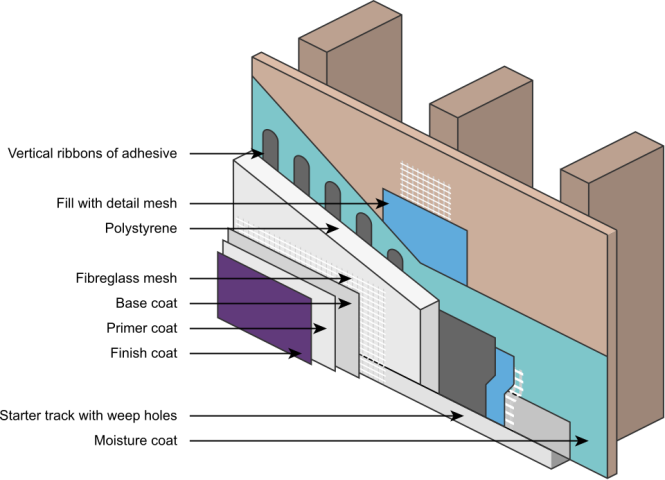
Within a complete External Thermal Insulation Composite System (ETICS, often referred to as EIFS), the base coat mortar (or reinforcing coat mortar), applied over the insulation layer and beneath the finish layer, is the core component ensuring the system’s long-term durability, impact resistance, and safety. It completely encapsulates the insulation boards, forming a robust protective shell, and crucially functions to withstand environmental stresses, distribute deformation stresses, and provide a high-quality substrate for the final finish.
I. Core Formulation & Functional Analysis
The foundation of a high-quality base coat mortar can be summarized as:
Cement + Graded Silica Sand + Filler + Cellulose Ether + Redispersible Polymer Powder (RDP) + Hydrophobic Agent + Wood Fiber + Polypropylene Fiber
These components work synergistically to impart the following key properties to the mortar:
Cement, Sand & Filler: Form the strength skeleton of the mortar, providing fundamental mechanical properties.
Cellulose Ether: Its core function is water retention and thickening, ensuring good workability, extending open time, and promoting complete cement hydration.
Redispersible Polymer Powder (RDP): Its core function is to enhance adhesion and flexibility. This is key for the mortar to achieve high impact resistance, crack resistance, and strong bond to the substrate.
Hydrophobic Agent: Its core function is to reduce water absorption, significantly improving the mortar’s water resistance and freeze-thaw durability to ensure long-term performance.
Wood Fiber & Polypropylene Fiber: Their core function is three-dimensional crack resistance and reinforcement. Wood fiber improves anti-sag during application and reduces plastic shrinkage cracking. Polypropylene fiber provides micro-reinforcement in the hardened mortar, effectively enhancing impact resistance and resistance to drying shrinkage cracks.
II. SidleyChem Targeted Product Solutions
To precisely achieve the above performance characteristics, SidleyChem offers a comprehensive portfolio of globally proven products:
Cellulose Ethers: HEMC (e.g., ME 34N01/02) and HPMC (e.g., MP 34N01/02) series to meet different water retention and viscosity requirements.
Redispersible Polymer Powder (RDP): A full range from Economy Grade (RDP 8012/8013), Standard Grade (RDP 7053/7033) to High-Performance/Toughness Grade (RDP 86353/86253) to match varying flexibility and strength demands.
Hydrophobic Agents: WS 80 / WS 90, highly efficient silicone-based products providing lasting water repellency protection for the system.
Fibers: Wood Fiber (W500/G500) and Polypropylene Fiber (PP 3mm/6mm), offering a comprehensive crack resistance solution throughout the mortar’s application and hardening process.

III. Conclusion
By deeply understanding the function of each component in base coat mortar and scientifically selecting high-performance additives, a protective layer that meets stringent engineering requirements can be systematically constructed. SidleyChem is committed to supporting our customers with our comprehensive product line and expert technical assistance to develop stable, reliable, and durable ETICS solutions.




Drymix mortar Tech+
Tile Adhesive Formulation
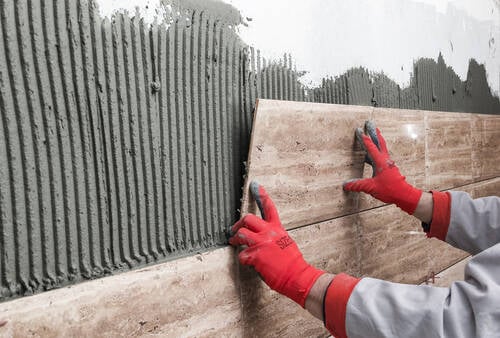
This article presents a C0 grade tile adhesive formulation trial comparing high, medium, and low viscosity cellulose ethers on open time and tensile bond strength, providing data reference for formulation optimization and cellulose ether selection… Continue reading
Tile adhesive open time
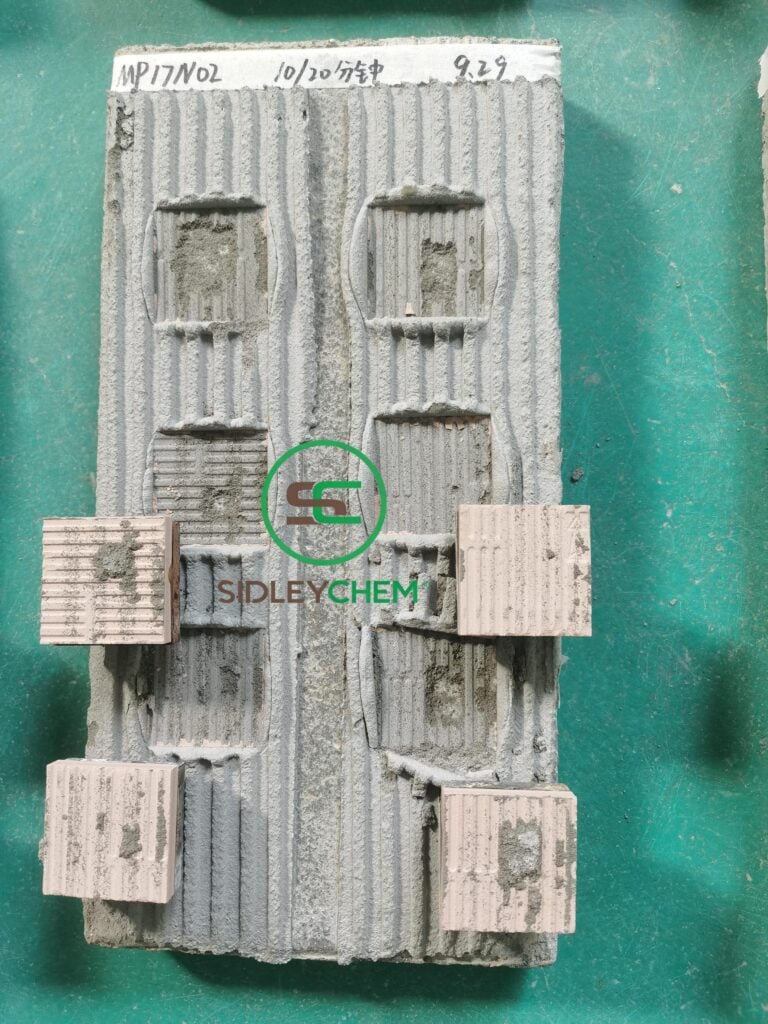
This article tests cellulose ethers (MP 17N01, ME 14N02, etc.) with varying viscosities and dosages to verify their effect on the open time of C1 tile adhesive, providing experimental data and conclusions… Continue reading
Dry-mix mortar shrinkage reducing admixture
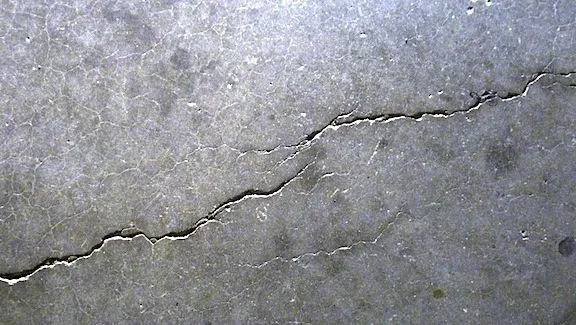
This article details how Shrinkage Reducing Admixtures (SRAs) inhibit shrinkage and cracking in dry-mix mortars, covering mechanisms, advantages, powdered product selection, application guidelines, a self-leveling compound reference formula, and recommends SidleyChem’s high-performance SR-… Continue reading
Silicone hydrophobic powder weathering test
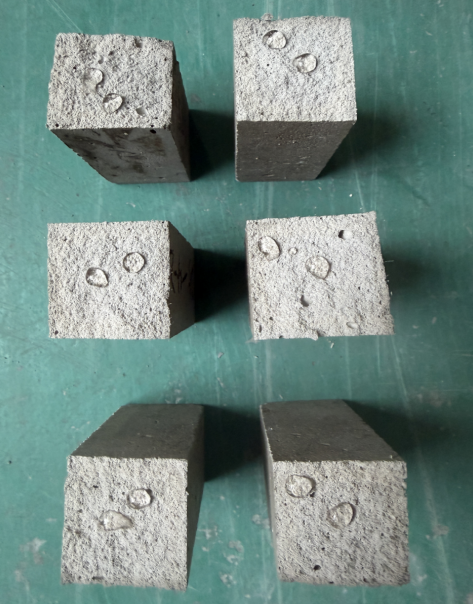
This article presents a 4-month outdoor weathering test on mortar containing silicone hydrophobic powder (e.g., WS80/WS90) and RDP. Results show surface effect variation but lasting internal hydrophobicity, with SidleyChem’s recommended product portfolio… Continue reading
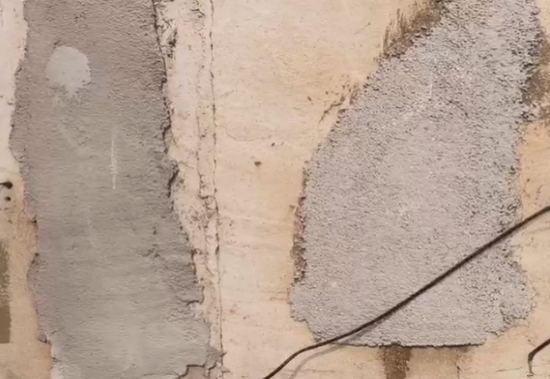
ETIRS adhesive powder additives
This article analyzes the formulation technology of bonding powder for EPS Insulation Rendering Systems (ETIRS), detailing the functions of components like cellulose ether, RDP, PVA, and fibers. It presents targeted high-performance additive solutions from SidleyChem (e.g., HEMC, RDP, PEO) to help develop stable and reliable insulation mortar products… Continue reading
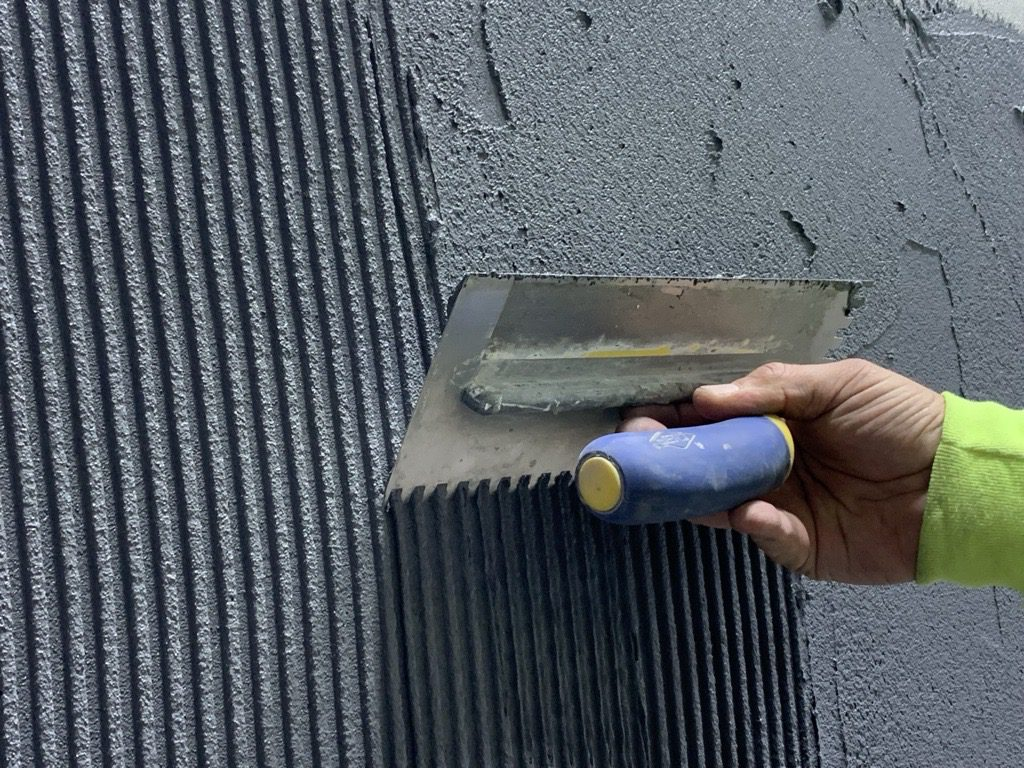
ETICS adhesive mortar additives
his article details the key performance requirements for adhesive mortar in ETICS. Explore SidleyChem’s high-performance solutions including Cellulose Ethers (HEMC/HPMC), Redispersible Polymer Powder (RDP), and Hydrophobic Agents to formulate strong, durable adhesive mortar… Continue reading
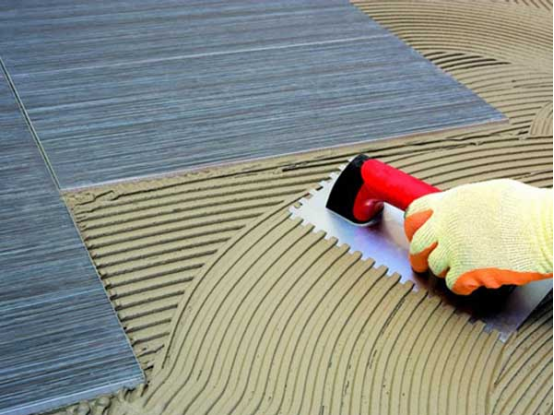
Nanoscale Enhancer Tile Adhesive
How to break through the water-resistant strength bottleneck of tile adhesive? SidleyChem’s Nanoscale Enhancer HS-93 significantly boosts performance via pore-filling and hydration promotion, delivering exceptional results even with low polymer powder dosage… Continue reading
Starch Ether in Portland Cement
Experimental analysis of starch ether’s thickening performance in Portland cement systems. Compare test data of various starch ether products and discover our specialized SE series for different applications… Continue reading
Starch ether gypsum thickening
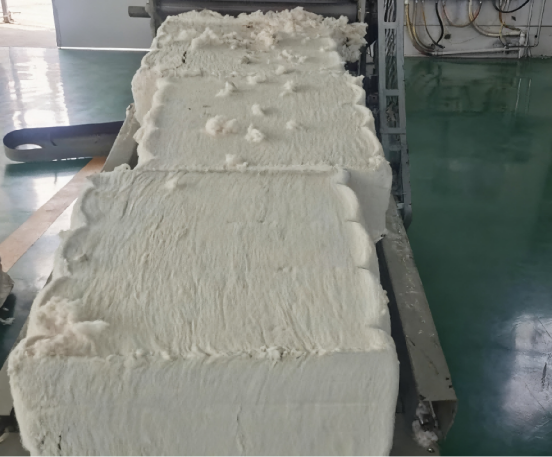
How does starch ether thicken building gypsum? This analysis with test data compares products from different origins and showcases optimized starch ethers for tile adhesive, cement putty, and gypsum applications… Continue reading
sand clay influence tile adhesive
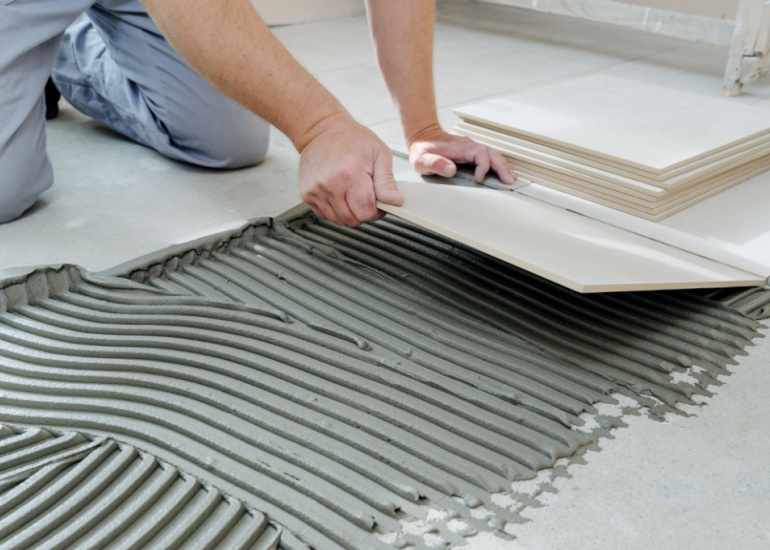
How does high clay content in sand damage tile adhesive? This article reveals its severe negative impact on wetting time, open time, and final bond strength, with experimental data… Continue reading
