
Surfactants in daily chemicals
Surfactants are indispensable functional ingredients. This article briefly introduces their basic concepts and focuses on their specific applications and core advantages in daily chemical products.
1. Basic Concepts of Surfactants
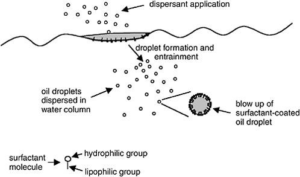 Surfactants, or surface-active agents, are special compounds composed of hydrophilic (water-loving) and hydrophobic (water-repelling) groups.
Their molecules exhibit unique properties at interfaces (e.g., liquid surface, gas-liquid, liquid-liquid), enabling them to alter interfacial tension, improve wettability, and enhance dispersion. They are widely used to improve chemical reactions, provide lubrication, generate foam, and more.

2. Surfactant Applications in Daily Chemical Products
2.1 Detergents and Cleaners
This is the most extensive application area for surfactants. Their primary function is to break the bond between dirt/grease and surfaces, dispersing them into water for removal. They also reduce water’s surface tension, improving the penetration and mixing efficiency of detergents.
2.2 Skin Care Products
In soaps, body washes, and facial cleansers, surfactants primarily provide cleaning and wetting effects. They must balance cleansing power with mildness to avoid excessive damage to the skin’s natural protective barrier.
2.3 Oral Care Products
In toothpaste and mouthwash, surfactants (e.g., Sodium Lauryl Sulfate) generate rich foam, helping to disperse abrasives and flavors, thereby enhancing the user experience and cleaning effectiveness.
2.4 Cosmetics
In lotions and creams, surfactants often serve as emulsifiers, ensuring the stable mixture of water-based and oil-based components to form a uniform and consistent product texture.
3. Summary of Core Advantages of Surfactants
-
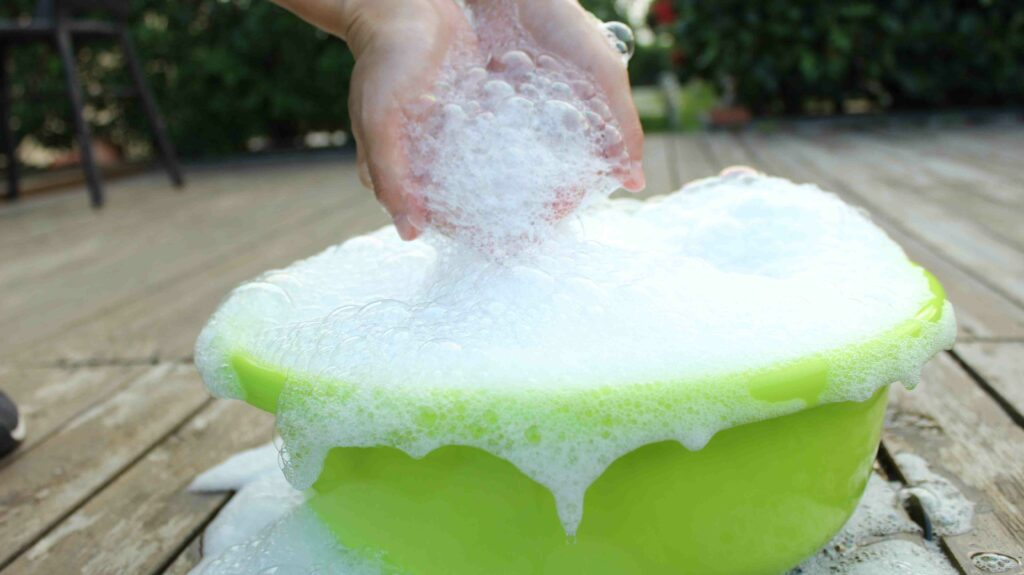
Reduces Interfacial Tension, Enhances Dispersion: Their amphiphilic nature allows them to significantly lower surface tension and efficiently disperse oils or solid particles in aqueous systems.
-
Forms Micelles: At specific concentrations, they can self-assemble into micellar structures, which is fundamental to functions like solubilization and cleaning, and is also applied in advanced fields like drug delivery.
-
Provides Lubrication: They possess good lubricating properties and can be used in specific formulations requiring friction reduction.
4.Conclusion
 The unique amphiphilic molecular structure of surfactants makes them fundamental to achieving various functions in daily chemical products. Their core principles of “interface control” and “rheology modification” deeply align with the performance chemical sectors SIDLEYCHEM focuses on.
For instance, in the field of construction chemicals, our Cellulose Ethers (e.g., HPMC) act as water retention agents and thickeners. Their mechanism shares similarities with surfactants, as both significantly alter a system’s rheology and stability through intermolecular forces. In coating and adhesive formulations, surfactants synergize with products like our Redispersible Polymer Powder to collectively optimize workability, adhesive strength, and final performance.
SIDLEYCHEM is committed to providing innovative functional chemical solutions across industries. We possess a deep understanding of the mechanisms of various additives, including surfactants, and can offer professional product selection and application support tailored to your specific formulation needs.
Related Products
Our Videos
Cellulose Ether Tech+

Sodium CMC Saline Alkali Land Remediation
This article details four core functions of Sodium Carboxymethyl Cellulose (CMC) in saline-alkali land remediation: water retention, soil aggregation, salt chelation, and slow-release nutrient enhancement, with an introduction to SIDLEYCHEM’s green CMC products… Continue reading

CMC Paper Applications
This article details the customized applications of Sodium Carboxymethyl Cellulose (CMC) in printing paper, packaging board, tissue, and specialty paper, covering key parameters like viscosity selection and pH compatibility, with paper grade CMC specifications… Continue reading
Application Guide for Textile Grade CMC
This article details the application advantages of textile grade Sodium Carboxymethyl Cellulose (CMC) in printing pastes, yarn sizing, and dyeing auxiliaries, including rheology, water retention, stability, and eco-friendliness, with technical specifications reference… Continue reading
Cosmetic Raw Materials Classification
This article systematically categorizes 30 common cosmetic raw materials, covering oils, surfactants, active ingredients, and plant extracts, providing basic reference for formulation development and ingredient selection… Continue reading
Personal Care Formulation Process
This article lists key process points for thickeners in personal care formulations, including dissolution, pH control, salt tolerance, and selection, and introduces relevant cellulose ether products from … Continue reading

Sodium CarboxyMethylCellulose(CMC) Applications
This article details the properties of food-grade CMC and its key applications in foods like soy milk, ice cream, noodles, and pastries, covering its thickening, stabilizing, and moisture-retaining functions with practical dosage recommendations for food formulators… Continue reading

Architectural coating system
This article details the three core functions of architectural coatings and standard coating system structures (primer, mid-coat, topcoat), analyzing the role of each layer to provide a clear technical framework for selection, formulation, and application… Continue reading

hand sanitizer formulation
A practical guide on hand sanitizer types and formulation basics. Learn about core ingredients like surfactants, HPMC thickeners, and antibacterial agents for developing effective regular, antibacterial, or waterless hand sanitizers… Continue reading

Detergent formulation ingredients
How to select raw materials for FMCG product development? This article details the functions of ten key ingredients like sulfonic acid, AES, AEO-9, and HPMC, offering crucial advice on compliance, safety, and formulation to streamline your product development… Continue reading

Fundamentals and Technical Analysis of Coatings
This article explains the three core functions of paint and provides an in-depth comparison of Vinyl Acrylic, Styrene Acrylic, and Pure Acrylic latex paints. Understanding these fundamentals helps you make informed decisions for superior coating formulations… Continue reading
