
winter emulsion storage
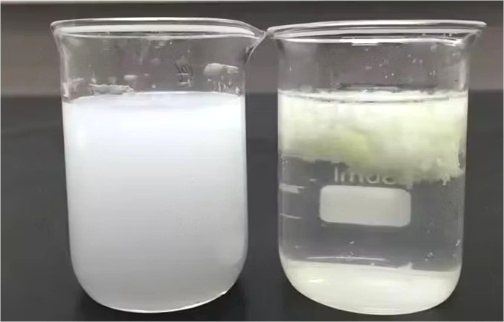
As winter sets in, temperatures continue to drop and the day-night temperature difference significantly increases, posing severe challenges for the storage and application of emulsions—the core raw material in coatings. Have you noticed skin forming inside drum lids upon receiving shipments? Observed emulsions clumping or flocculating in warehouses? Or even suffered irreversible product spoilage due to freezing caused by improper storage? These common winter issues not only impact production efficiency but directly affect the performance and quality of the final coating. To ensure smooth production and product stability, this edition outlines key points for receiving, storing, and using winter coating emulsions, helping you navigate the season smoothly and prevent problems before they arise.
Receiving Stage
During winter’s lower temperatures, packaging materials become brittle. When unloading, prioritize horizontal handling and stacking no higher than two layers to prevent damage from heavy pressure or compression.
If the transport route or local temperature drops below 0°C (32°F), first verify that the product has been protected with anti-freeze measures, such as insulation blankets or waterproof tarps. Second, inspect the emulsion for signs of freezing or ice formation. If frozen, test the product after thawing to confirm functionality. Should any abnormalities occur, immediately notify your sales representative, document the issue with photographs, and note it on the delivery receipt for prompt resolution.
Storage Phase
Optimal storage conditions: Seal and store at 5-35°C in a cool, dry indoor location.
During colder winter months, use heated storage facilities with proper freeze protection and insulation measures.
Usage Stage
Before use, verify the product model on the packaging label. Once opened, use within 24 hours. If not used entirely, promptly seal the inlet and outlet ports and store in a designated area for priority reuse.
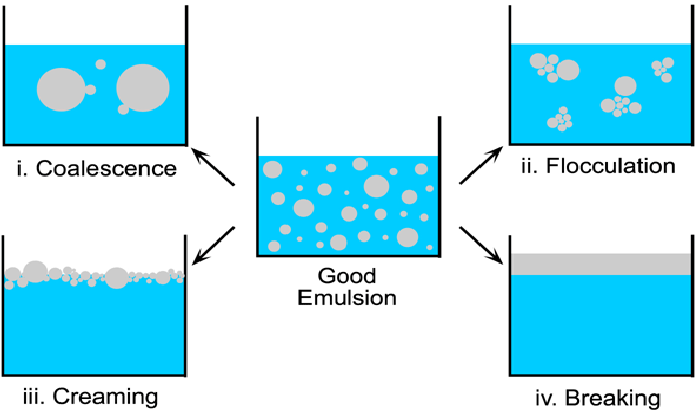
Before use, inspect the emulsion inside the packaging to ensure no abnormalities (off odors,emulsion breaking). 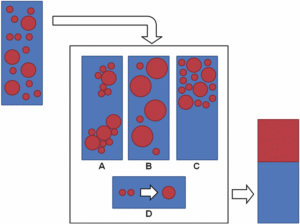 If any of the above conditions are present, discontinue use immediately and contact relevant personnel for assistance.
Due to low winter temperatures, prolonged freezing or icing of the product may occur. Thaw the product before use. If flocculation appears after complete thawing, conduct a small-scale test for feasibility before use. Direct application is not recommended.
Due to product characteristics, a soft skin may form on the surface when stored in low-temperature environments or left stationary for extended periods. If this occurs, disperse the product using a disperser (Note: Control disperser speed between 600-1000 rpm to prevent foaming from excessive speed). After dispersion, filter through an 80-mesh filter cloth. (For higher fineness requirements, use a filter cloth matching the desired fineness; e.g., use 250-mesh for products intended for multi-color coating or topcoating applications). The product can be used normally after filtration. Dedicated pipelines must be used exclusively for specific applications. Seal both ends during downtime. Inspect pipelines before use to ensure no blockages or foreign objects are present. Empty emulsions from transfer lines promptly or maintain flow to prevent stagnation of residual emulsion. This avoids skin formation and agglomeration at low temperatures that could block pipelines and disrupt production.
Precautions
 1.During ingredient addition, use 80-mesh filter cloth (to mitigate risks from skin formation and sedimentation).
2.In production,avoid prolonged high-speed agitation of emulsions, as this may cause foaming, thickening, or even demulsification. Optimal formulation design is crucial. For instance, selecting SidleyChem‘s premium cellulose ether products delivers excellent thickening effects while maintaining high system stability.
3.Preventing emulsion skin formation and agglomeration is straightforward. Understanding the underlying principles and applying careful handling can prevent most issues. To learn more about emulsion products, explore our website for additional resources.
Cellulose Ether Tech+

CMC Paper Applications
This article details the customized applications of Sodium Carboxymethyl Cellulose (CMC) in printing paper, packaging board, tissue, and specialty paper, covering key parameters like viscosity selection and pH compatibility, with paper grade CMC specifications… Continue reading
Application Guide for Textile Grade CMC
This article details the application advantages of textile grade Sodium Carboxymethyl Cellulose (CMC) in printing pastes, yarn sizing, and dyeing auxiliaries, including rheology, water retention, stability, and eco-friendliness, with technical specifications reference… Continue reading

Cosmetic Raw Materials Classification
This article systematically categorizes 30 common cosmetic raw materials, covering oils, surfactants, active ingredients, and plant extracts, providing basic reference for formulation development and ingredient selection… Continue reading
Personal Care Formulation Process
This article lists key process points for thickeners in personal care formulations, including dissolution, pH control, salt tolerance, and selection, and introduces relevant cellulose ether products from … Continue reading
Surfactants in daily chemicals
This article analyzes the definition and amphiphilic nature of surfactants, details their roles in four major daily chemical scenarios (cleaning, skincare, oral care, cosmetics), and summarizes three core advantages. It concludes by relating to SIDLEYCHEM’s expertise and products in relevant areas such as cellulose ethers and redispersible polymer powder… Continue reading

Sodium CarboxyMethylCellulose(CMC) Applications
This article details the properties of food-grade CMC and its key applications in foods like soy milk, ice cream, noodles, and pastries, covering its thickening, stabilizing, and moisture-retaining functions with practical dosage recommendations for food formulators… Continue reading

Architectural coating system
This article details the three core functions of architectural coatings and standard coating system structures (primer, mid-coat, topcoat), analyzing the role of each layer to provide a clear technical framework for selection, formulation, and application… Continue reading

hand sanitizer formulation
A practical guide on hand sanitizer types and formulation basics. Learn about core ingredients like surfactants, HPMC thickeners, and antibacterial agents for developing effective regular, antibacterial, or waterless hand sanitizers… Continue reading

Detergent formulation ingredients
How to select raw materials for FMCG product development? This article details the functions of ten key ingredients like sulfonic acid, AES, AEO-9, and HPMC, offering crucial advice on compliance, safety, and formulation to streamline your product development… Continue reading

Fundamentals and Technical Analysis of Coatings
This article explains the three core functions of paint and provides an in-depth comparison of Vinyl Acrylic, Styrene Acrylic, and Pure Acrylic latex paints. Understanding these fundamentals helps you make informed decisions for superior coating formulations… Continue reading
