
Microbead spherical powder
In the modern building materials sector, innovation often stems from rethinking the nature of materials themselves. While the industry has long focused on chemical adjustments, a novel material achieving breakthroughs at the physical morphology level – ultramicro-spherical pozzolanic powder (Microbead) – is demonstrating unique value.
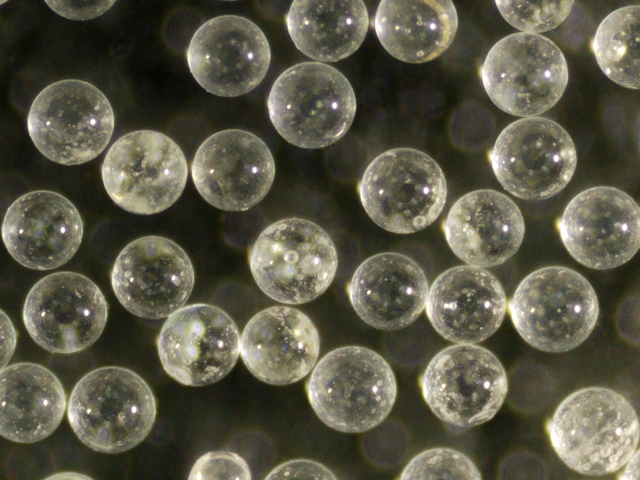
Core Advantage: Starting from a Unique Physical Morphology
The defining characteristic of Microbead lies in its perfectly spherical particle morphology and continuous particle size distribution. This ultrafine spherical powder, produced through specialized processes, fundamentally alters the irregular shapes of traditional powders, resulting in a series of chain-optimization effects in application.
Three Key Action Mechanisms: From Physical Optimization to Performance Enhancement

 1. Ball-Bearing Lubrication & Physical Water-Reducing Effect
Due to the minimal surface energy of spherical particles, Microbead significantly reduces inter-particle friction within the paste. This “ball-bearing effect” directly translates into excellent physical water reduction. Under conditions maintaining the same fluidity, a 10-15% water reduction rate can be achieved, while simultaneously improving pumpability and workability.
2. Micro-Aggregate Filling & Gradation Optimization Effect
Spherical particles with a continuous size distribution can perfectly fill the voids within the cementitious system, achieving the densest possible packing. This micro-level gradation restructuring results in a denser hardened microstructure with significantly reduced porosity, thereby enhancing compressive strength, impermeability, and durability.
3. Slow-Release Pozzolanic Activity Effect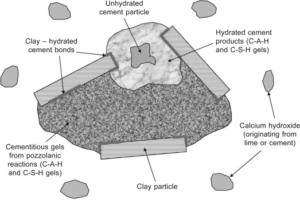
Chemically, Microbead primarily consists of aluminosilicates (Typical: SiO₂ 56.5%, Al₂O₃ 26.5%). Its dense vitreous surface is relatively inert during early hydration, primarily serving a physical filling role. This benefits early-age heat reduction and shrinkage control. Over time, a gradual pozzolanic reaction under alkaline conditions contributes to long-term strength gain.
This “physical filling early, chemical enhancing later” characteristic allows it to balance workability and durability when combined with materials like silica fume, offering new design avenues for high-performance concrete.
As a supplier focused on innovative solutions, SidleyChem‘s Microbead series offers size-adapted products for various scenarios. After understanding the principles, let’s explore its practical applications.




Concrete & Beton Tech+

Sticky Concrete with Normal Slump: Causes & Solutions
Concrete can have normal slump but still feel sticky and difficult to pump. Learn how fines, PCE, VMA, aggregate grading, and rheology affect pumpability… Continue reading
PCE Cement Compatibility: Why Performance Changes
PCE performance can change after switching cement. Learn why water reduction, slump retention, and setting behavior change and how to identify the cause… Continue reading
Why Does Concrete Strength Vary Between Batches?
Learn why concrete strength varies between batches and how to improve consistency through proper water control, raw materials, admixture dosing, mixing, and curing… Continue reading
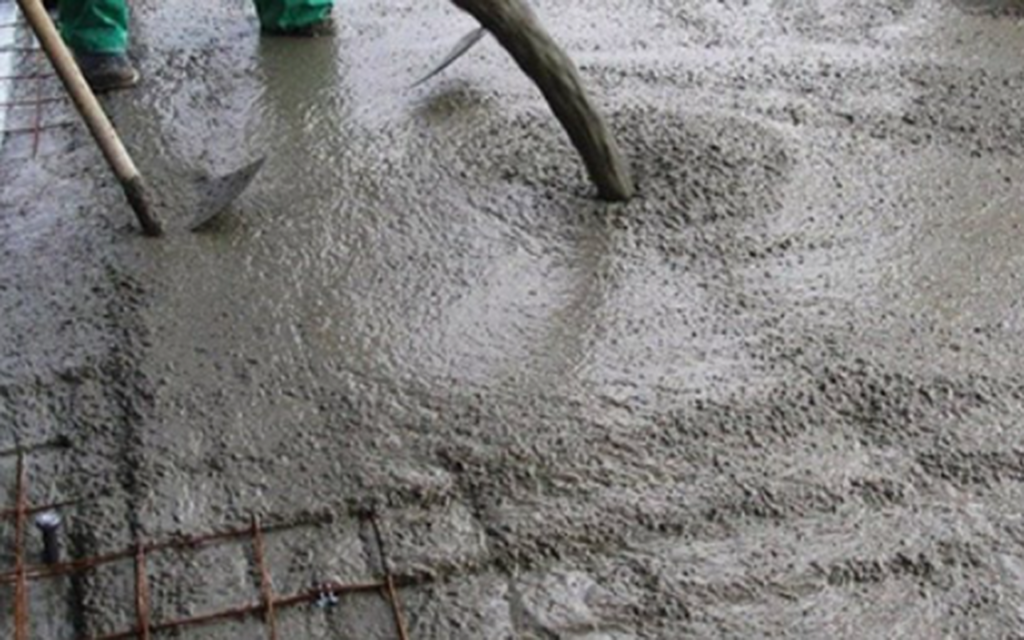
The Role of Expanding Agents in Compensating Shrinkage of Mass Concrete Foundations
Cracking after mass concrete foundation pouring? Thermal shrinkage, drying shrinkage, and autogenous shrinkage combined are the culprits. … Continue reading
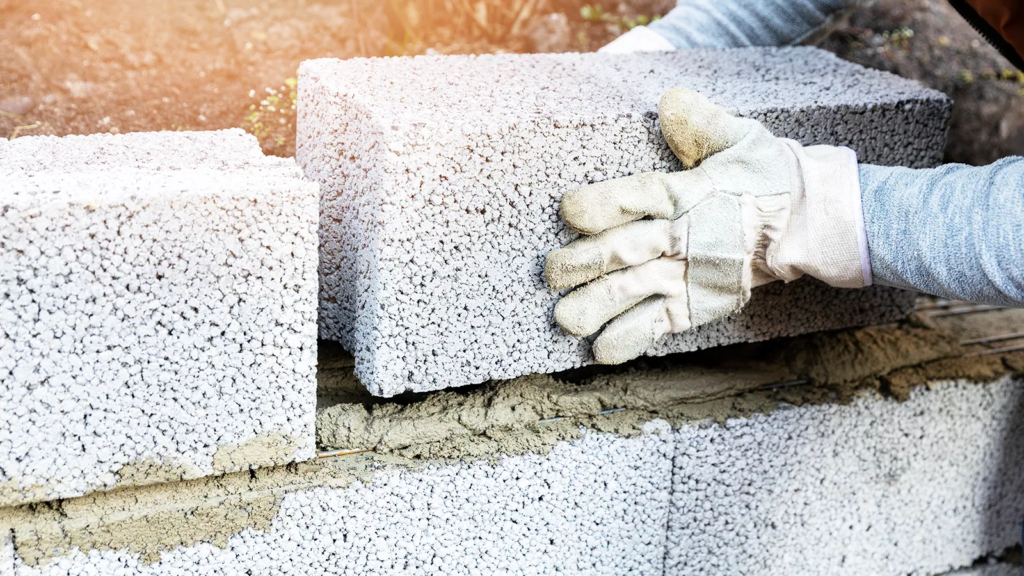
Lightweight Aggregate Concrete Lacking Viscosity?
Lightweight aggregate concrete segregation, aggregate floating, pump blockages? The root cause is insufficient viscosity. This article details four practical methods — viscosity modifier dosage (0.02%–0.03%), aggregate pre-wetting, mix optimization, and specialized admixtures — to solve workability problems once and for all… Continue reading
How Does Air-Entraining Agent Affect Concrete Strength?
Each 1% air content reduces concrete strength by 4%–6%. How to balance? This short article gives three practical methods: measure air content, lower w/c, and choose a stable-foam AEA. Direct and actionable… Continue reading
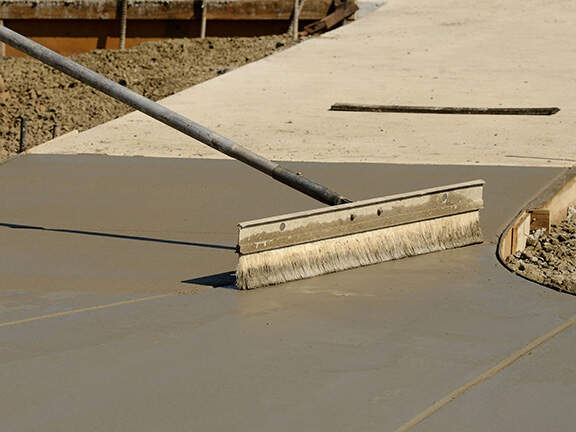
The Three Critical Windows for Concrete Curing
Same mix design, with and without proper curing – 28‑day strength can differ by a whole grade. This article explains hydration mechanisms, three critical curing windows, and practical steps to prevent strength loss and cracking… Continue reading
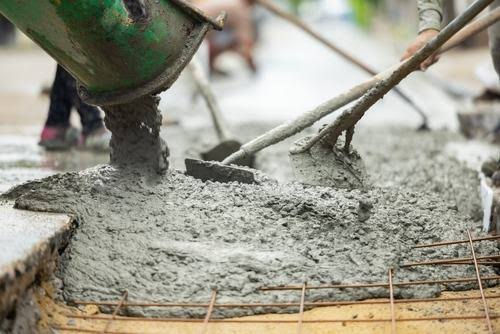
Which Admixtures Improve Concrete Durability?
Discover which concrete admixtures improve durability, including Polycarboxylate Superplasticizers, Air-Entraining Agents, Corrosion Inhibitors, Waterproofing Admixtures, and Concrete Fibers. Learn how to enhance strength, reduce permeability, and extend service life… Continue reading
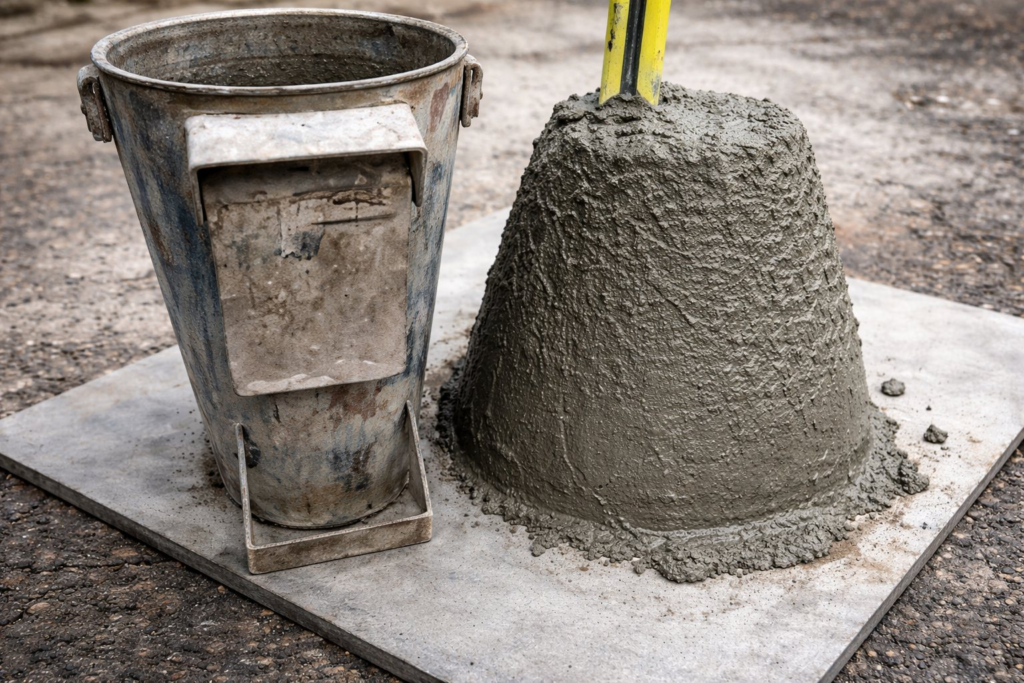
How to Maintain Slump Retention During Long-Distance Transportation
Learn how to maintain concrete slump retention during long-distance transportation by optimizing mix design, selecting the right admixtures, and improving production practices… Continue reading
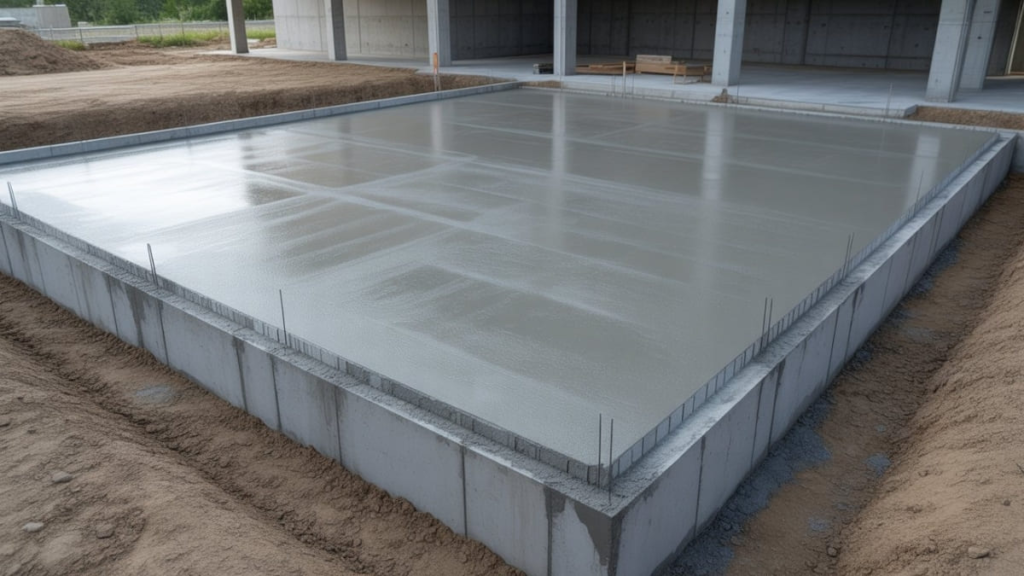
Why Does Concrete Bleeding Occur?
Learn why concrete bleeding occurs, what causes excessive bleeding, and how to reduce it using proper mix design, Polycarboxylate Superplasticizers (PCE), and Viscosity Modifying Agents (VMA)… Continue reading
